Alabai Aziat Dogs: The Complete Owner's Guide & What to Know
Let's cut to the chase. The Alabai, or Central Asian Shepherd Dog, isn't a pet for everyone. It's a living, breathing piece of ancient history, bred over millennia to guard livestock against wolves and thieves across the vast steppes of Central Asia. If you're looking for a fluffy companion to cuddle on the couch all day, you've clicked the wrong link. But if you're intrigued by a dog of immense strength, profound loyalty, and an independent mind, you're in the right place. This guide won't sugarcoat things. I've seen too many of these magnificent dogs end up in shelters because owners weren't prepared for the reality. We'll cover everything: their true temperament, the non-negotiable training, potential health costs, and the specific lifestyle you need to provide.
What's Inside This Guide?
The True Nature of the Alabai Temperament
Forget what you've seen in viral videos. The Alabai's personality is often misunderstood. They are not inherently aggressive toward people, but they are inherently suspicious and possess a low threshold for perceiving threats. This isn't a flaw; it's the core software they were built with.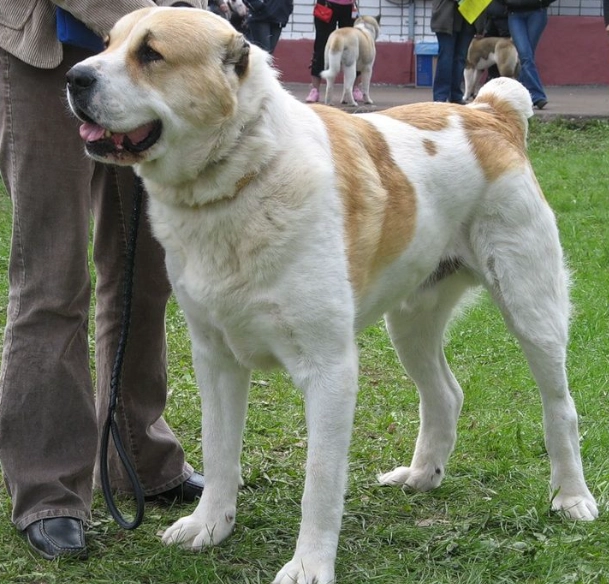
Think of it this way. Their default setting is "assess and protect." A stranger approaching your property isn't a potential friend; they are a variable to be analyzed. This makes them phenomenal watchdogs, but it also means they require extensive, careful socialization from puppyhood to distinguish between a real threat and the mail carrier.
With their family, a well-raised Alabai is calm, deeply affectionate, and remarkably gentle. They often form a special bond with children in the household, displaying a patient tolerance. But here's the critical nuance most sites miss: their loyalty is to the territory and the pack, not just to a person performing obedience commands. They see themselves as partners in protection, not subordinates.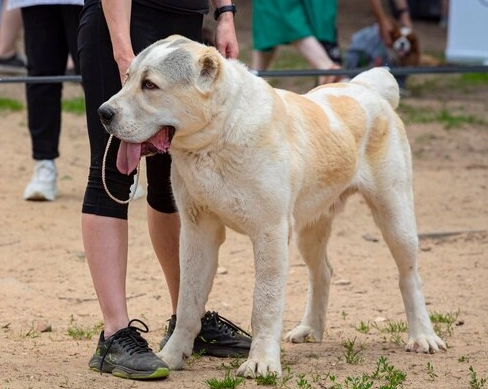
Key Trait Breakdown: Fearless & Independent: They were bred to make decisions alone while guarding flocks. Expect a thinking dog, not a blindly obedient one. Low-energy but powerful: They conserve energy, exploding into action when needed. A 10-minute intense patrol of the yard is more their style than a 5-mile run. Reserved with strangers: Aloofness is the norm. They don't seek attention from outsiders.
Are You the Right Owner for an Alabai?
This is the most important section. Be brutally honest with yourself. An Alabai isn't a status symbol; it's a major lifestyle commitment. Here’s a realistic checklist:
- Secure, Spacious Property: An apartment is a hard no. You need a home with a large, securely fenced yard (6-foot minimum, with secure footing—they can climb). The fence is for the dog's safety and everyone else's.
- Experience with Powerful Breeds: This shouldn't be your first dog. Experience with livestock guardians, mastiffs, or other independent working breeds is a huge plus.
- Confident, Calm Leadership: You must be assertive without being harsh. Nervous or inconsistent energy will confuse them and erode their respect.
- Time for Socialization: The first 16 weeks are golden. You must expose the puppy positively to dozens of people, sights, and sounds in controlled settings.
- Financial Stability: Everything costs more: food, vet bills, sturdy equipment, potential liability insurance.
I knew a guy who got an Alabai because he lived on a rural property and wanted a deterrent. Perfect fit. The dog patrolled its land, was calm indoors, and never had an issue. Another person in a suburban neighborhood thought their big backyard was enough. The dog spent its life stressed by close neighbors and passing dogs, leading to constant barking and fence-running. It was a miserable life for the dog and the owner.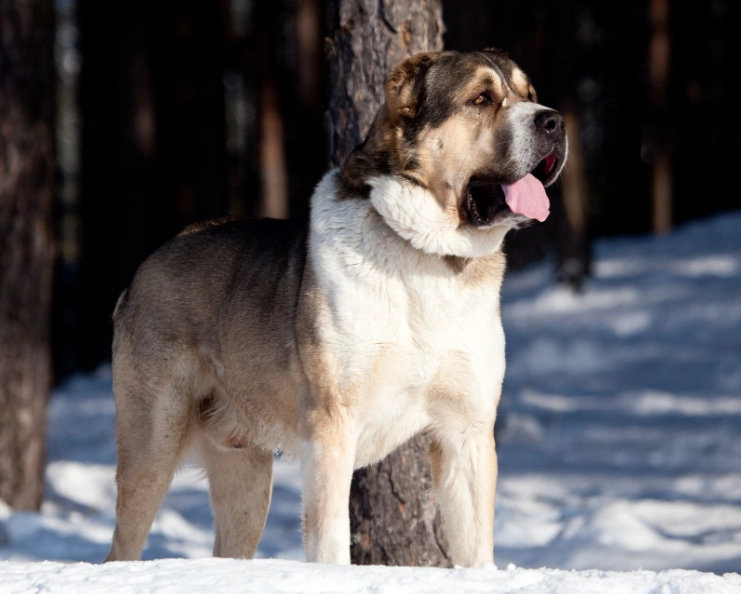
How to Train an Alabai: Guardian Dog Logic
Traditional force-based obedience training will backfire spectacularly with an Alabai. You can't bully a dog this strong and proud into submission. The goal isn't a robot that heels perfectly; it's a trustworthy partner who understands the rules of your household and defers to your judgment.
Socialization: The Non-Negotiable Foundation
Start the day you bring the puppy home. Invite friends over. Have them toss treats. Take the puppy (carried, before vaccinations are complete) to quiet storefronts. Let them see men with hats, people on bicycles, children playing at a distance. The aim is to build a database of "normal, non-threatening" things in their mind. Missing this window is the single biggest mistake owners make, and it's nearly impossible to fully correct later.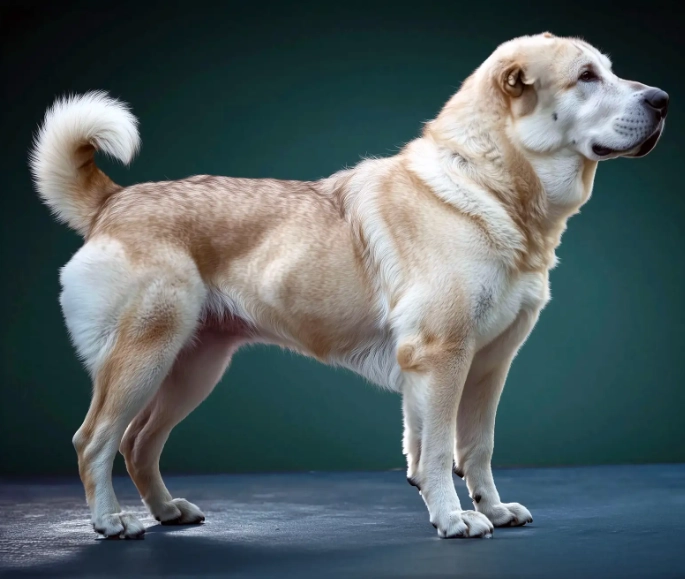
Obedience Through Partnership
Use high-value rewards (like real meat or cheese) and keep sessions short and positive. Focus on impulse control exercises like "wait" for food and "leave it." Leash training is crucial—you must be able to physically manage a 140-pound dog that sees a squirrel. Recall training is for emergency only; never expect an Alabai to have the reliable off-leash recall of a retriever. Their guardian instinct to patrol will override your call if they perceive a threat.
The most important command isn't "sit" or "stay." It's a solid "place" or "go to your bed" command. This gives you a peaceful way to manage them when guests arrive, allowing the dog to observe from a designated safe spot without feeling the need to intervene.
Alabai Health and Lifelong Care
Generally a robust breed。 Hip and elbow dysplasia are concerns, as in most large breeds. Reputable breeders will have their breeding stock screened through the Orthopedic Foundation for Animals (OFA). Bloat (Gastric Dilatation-Volvulus) is a life-threatening emergency. Feed two smaller meals a day instead of one large one, and avoid vigorous exercise right after eating.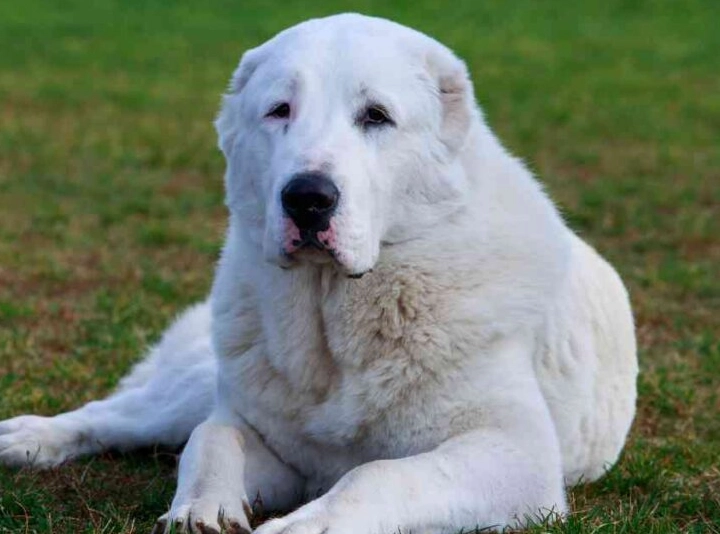
| Aspect of Care | Details & Considerations |
|---|---|
| Diet | High-quality large-breed adult formula. They are not overly food-motivated typically. An adult may eat 4-6 cups daily, but adjust for individual metabolism and activity. Avoid rapid-growth puppy formulas. |
| Grooming | Moderate shedding with seasonal "blows." Weekly brushing is sufficient most of the year, but daily during shedding season. They are generally clean dogs with minimal doggy odor. |
| Exercise | Moderate needs. Two 20-30 minute walks plus yard patrol time is adequate. Mental stimulation (snuffle mats, puzzle toys) is equally important to prevent boredom. |
| Common Health Screenings | Hip & Elbow Dysplasia (OFA/PennHIP), Cardiac Exam, Thyroid Panel. Ask breeders for proof of health clearances, not just verbal promises. |
| Average Lifespan & Cost | 12-15 years. Annual costs (food, vet basics, insurance) can easily exceed $1,500. Emergency fund for potential surgeries (e.g., dysplasia) is highly recommended. |
Finding and Bringing Home an Alabai
This is where patience pays off. Avoid online classifieds and pet stores. You are looking for a preservation breeder, not a volume producer. A good breeder will interview you as intensely as you interview them. They should be able to discuss the lineage, temperament, and health history of their dogs for generations. They will have puppies raised in the home with early neurological stimulation and socialization. Expect to be on a waiting list and pay a premium—anywhere from $1,500 to $3,000 or more for a well-bred puppy from health-tested parents.
Rescue is an option but comes with greater unknowns. Breed-specific rescues like the Central Asian Shepherd Dog Rescue Alliance occasionally have dogs. Be prepared for a dog with possible behavioral baggage that will require an experienced, dedicated owner.
When you bring your puppy home, have everything ready: a crate for safe sleeping, indestructible toys, a secure collar and leash, and a plan for the first few nights (they will whine). Establish a routine immediately—feeding, potty breaks, quiet time. Consistency builds their confidence in you as the leader.
Your Alabai Questions Answered
Owning an Alabai is a profound responsibility. It's not easy, but for the right person in the right setting, it's incredibly rewarding. You're not just getting a dog; you're gaining a steadfast guardian and a unique connection to an ancient canine lineage. Do your homework, be brutally honest about your capabilities, and if you proceed, commit fully. This dog will depend on you for its well-being and its understanding of the world.
Related Articles