Dog UTI Guide: Symptoms, Home Remedies & Vet Treatment
You notice your dog asking to go out every hour. There are small puddles on the floor, even though they're house-trained. Maybe they're licking themselves more than usual, or they whimper a little when they pee. If this sounds familiar, your dog might have a urinary tract infection (UTI). It's one of the most common reasons for a vet visit, and honestly, it's miserable for them. I've seen hundreds of cases in my time working with dogs, and the biggest mistake owners make is waiting too long or trying the wrong home fix. Let's cut through the confusion and get your dog comfortable again. Dogs can't tell us where it hurts, so we have to be detectives. The symptoms of a UTI in dogs aren't always dramatic, but they're consistent. The classic signs revolve around changes in urination habits and discomfort. Here's what to watch for: If your male dog is straining and producing no urine at all, this is a life-threatening emergency. It could be a urinary blockage, which requires immediate veterinary care. Go to the vet now. Most UTIs are caused by bacteria, usually E. coli from the dog's own gastrointestinal tract, traveling up the urethra and into the bladder. But it's not just about "bad bacteria." A healthy urinary tract has defenses. An infection often means those defenses have been breached. Think of it like this: your dog's bladder has a lining and a constant flow of urine to flush out invaders. If the urine is too concentrated (not enough water), or if your dog holds it too long, bacteria have a better chance to stick around and multiply. One subtle point many miss: over-cleaning with harsh soaps or wipes around the genital area can disrupt the natural protective skin barrier and pH, sometimes making infections more likely, not less. You suspect a UTI. What happens at the vet? It's more than just a guess. A proper diagnosis is crucial because treating the wrong thing wastes time and money, and can lead to antibiotic resistance. Step 1: The Physical Exam & History. Your vet will palpate your dog's abdomen and ask detailed questions about their symptoms and habits. Step 2: Urinalysis. This is the cornerstone. The vet will collect a sterile urine sample, usually by cystocentesis (using a needle through the abdominal wall into the bladder). This method avoids contamination from the skin or urethra, giving the most accurate result. They'll check for: Step 3: Urine Culture & Sensitivity. If the urinalysis confirms an infection, a culture is the gold standard. The lab grows the bacteria from the sample to identify the exact type and, more importantly, test which antibiotics will kill it effectively. Skipping this for recurrent UTIs is a common error. You're essentially guessing with medication. Costs vary widely by location and clinic, but here's a realistic range to expect: While it's tempting to look for cheaper, quicker options, an incomplete diagnosis often leads to a recurring infection, costing you more in the long run. For a confirmed bacterial UTI, antibiotics are the primary treatment. The choice should ideally be guided by the culture and sensitivity results. Common ones include Amoxicillin, Clavamox, or Enrofloxacin. The single most important thing you can do is finish the entire course, even if your dog seems better after a few days. Stopping early is a prime cause of relapse and antibiotic resistance. Home remedies are for support and prevention, not for treating an active bacterial infection. Using them instead of vet care can allow the infection to worsen and potentially spread to the kidneys. Once your vet has started treatment, these can help: I'm skeptical of many "miracle" herbal cures sold online. Their potency is unregulated, and they can interfere with prescribed meds. Stick with the basics: water, vet-approved supplements, and the full course of antibiotics. If your dog has had one UTI, they're at higher risk for another. My goal with every client is to break the cycle. Here's the prevention playbook I recommend: Hydration, Hydration, Hydration. I can't stress this enough. Ensure fresh water is always available. Monitor intake—a general guideline is about 1 ounce of water per pound of body weight daily. Frequent Potty Breaks. Don't make them hold it for 8+ hours. More frequent urination means less time for bacteria to grow. Hygiene. For females, especially those with folds, a simple wipe with a damp cloth after urination can help. Avoid harsh soaps. Diet. Some prescription urinary diets are formulated to support bladder health. Discuss with your vet if a diet change is warranted. Manage Underlying Conditions. Tight control of diabetes or other illnesses is critical. Regular Vet Check-ups with urinalysis for prone dogs. It sounds simple, but consistency with these steps is what makes the difference between a dog who gets UTIs twice a year and one who stays infection-free.Quick Navigation
Spotting the Signs: Is It Really a UTI?
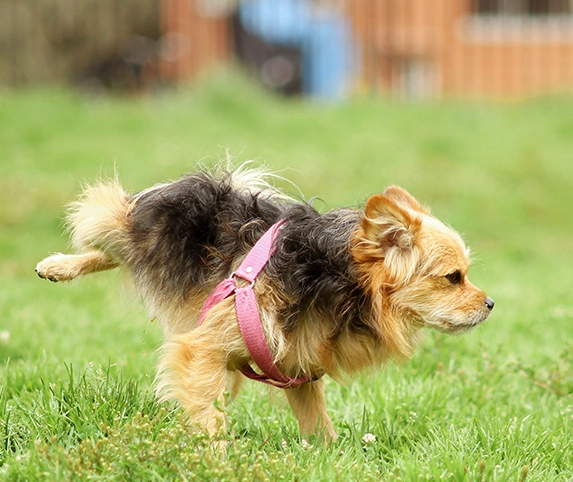
When It's an Emergency
What Actually Causes a UTI in Dogs?
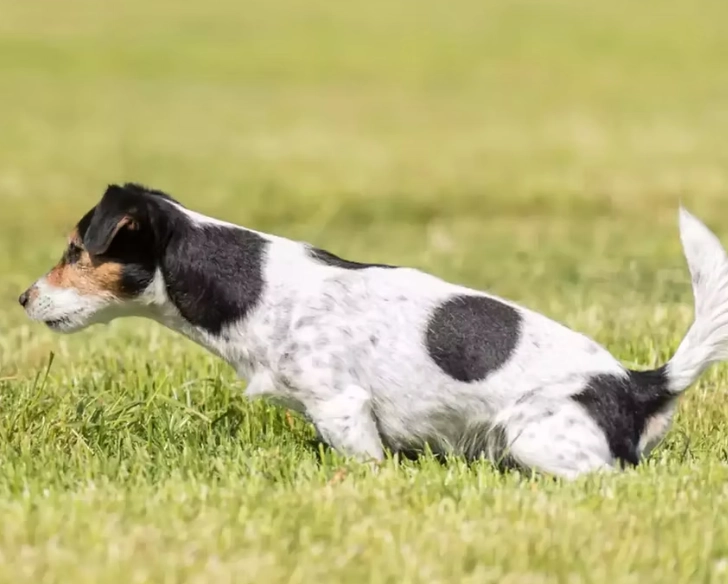
Key Risk Factors
The Vet Diagnosis Process (And What It Costs)
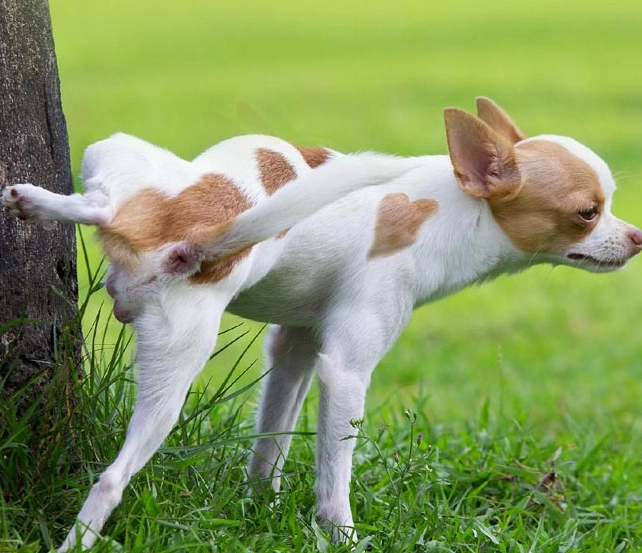
What's the Damage? UTI Cost Breakdown
Service
Typical Cost Range
Why It's Important
Office Visit/Exam
$50 - $100
Professional assessment is non-negotiable.
Urinalysis
$80 - $150
Confirms infection and provides initial data.
Urine Culture & Sensitivity
$100 - $250
Ensures the prescribed antibiotic will actually work. Critical for recurrent cases.
Course of Antibiotics
$40 - $100
Treatment cost depends on the drug and dog's size.
Estimated Total
$270 - $600
For a full, proper work-up and treatment.
Treatment Options: From Antibiotics to Natural Support
Vet-Prescribed Antibiotics
Supportive Home Care & Remedies
Stopping It From Coming Back: Prevention is Key
Your Top UTI Questions Answered