CytoPoint Injection for Dogs: A Vet's Guide to Itchy Skin Relief
If your dog is chewing its paws raw, scratching its ears until they bleed, or has recurring skin infections, you know the desperation. You've tried the shampoos, the special diets, maybe even steroids like prednisone. The relief is temporary, the side effects worrying. Then your vet mentions a newer option: a CytoPoint injection. It sounds almost too good – a single shot that can stop the itch for weeks? Let's unpack what this treatment really is, who it's for, and what you won't hear in the marketing brochures.
In This Article: What You'll Learn
How CytoPoint Works: Not Your Average Shot
CytoPoint isn't a steroid or an immunosuppressant. It's a monoclonal antibody therapy, a fancy term for a "targeted missile" designed for one job. That job is to find and neutralize a specific itch-signaling protein in your dog's body called interleukin-31 (IL-31).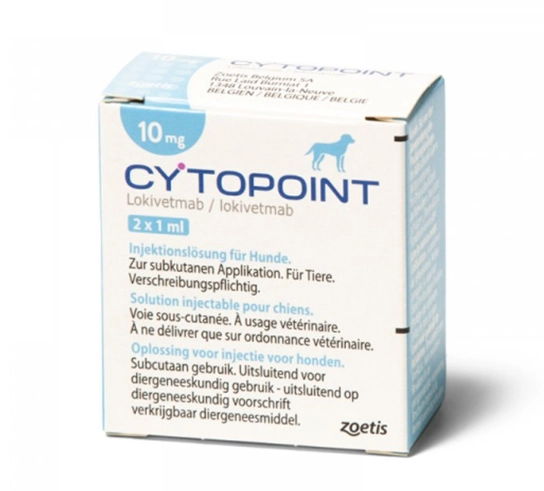
Think of IL-31 as the alarm bell for itch. In dogs with allergic dermatitis (atopy), this alarm is constantly ringing, telling the brain "SCRATCH HERE!" even for minor irritants like pollen or dust mites. CytoPoint binds to IL-31, muffling the alarm bell before the signal ever reaches the brain. No signal, no compulsive scratching.
The clever part? It does this without broadly suppressing the immune system. It doesn't interfere with vaccines, doesn't increase the risk of infection in the same way steroids can, and doesn't require daily pills. The antibody circulates, does its job for 4 to 8 weeks, and then is naturally broken down by the body.
A Key Distinction Many Miss: CytoPoint treats the symptom (itch) brilliantly. It does not treat the underlying allergy. Your dog is still allergic to grass or mold; they just don't feel the maddening urge to scratch because of it. This is crucial for managing expectations. You're controlling the reaction, not curing the sensitivity.
CytoPoint Effectiveness: What to Really Expect
Clinical trials and real-world use show most dogs (around 70-80%) respond well. But "respond" means different things.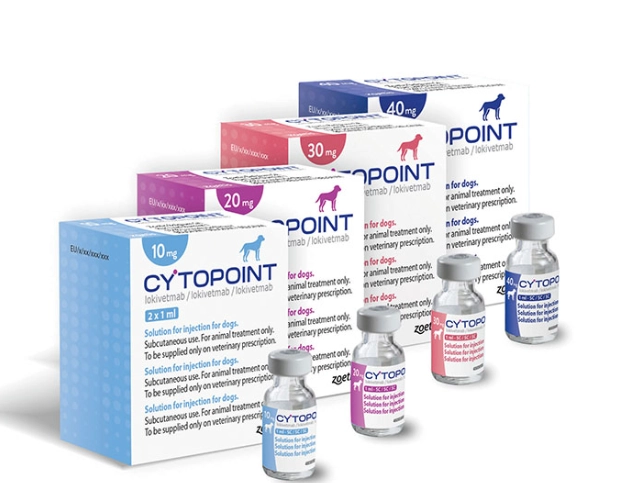
For about a third of dogs, it's transformative. The scratching stops within 24-48 hours, skin lesions heal, and they get their personality back. For another good portion, it's a significant improvement – maybe 70% less itching, making life manageable. For some, the effect is mild or short-lived.
The duration is variable. The standard line is "4 to 8 weeks." In practice, I've seen it last a clean 8 weeks in many dogs, but for others, the itch starts creeping back around week 5 or 6. Factors like the severity of allergies, the season (pollen count), and concurrent skin infections can shorten the window.
One under-discussed point: CytoPoint works best on the neurogenic itch – the itch driven by the IL-31 pathway. If your dog's skin is also inflamed from a secondary bacterial or yeast infection (pyoderma or Malassezia), that creates a different type of itch. CytoPoint alone might not be enough. You'll often need to treat the infection with antibiotics or antifungals first to see the full benefit. A vet who doesn't check for and address these co-infections is setting you and your dog up for disappointment.
The Real Cost of CytoPoint for Dogs
Let's talk money, because this is a major factor. CytoPoint is not cheap, but you need to compare it to the true cost of alternatives.
The price is primarily based on your dog's weight. A rough range in the US is $65 to $150 per injection. A small Chihuahua will be on the lower end, a large Labrador on the higher end. This usually includes the vet's administration fee.
Here’s a breakdown to put it in perspective:
| Treatment | Estimated Monthly Cost (Medium Dog) | Key Consideration |
|---|---|---|
| CytoPoint Injection | $80 - $120 (averaged over 6-8 weeks) | Single expense, no daily hassle. Cost is predictable. |
| Apoquel (pill) | $70 - $100+ | Daily pill. Must be given consistently, potential for long-term immune effects. |
| Prednisone (steroid) | $15 - $40 | Very cheap but high risk of side effects (increased thirst, hunger, panting, long-term health risks). |
| Allergy Testing & Immunotherapy (Allergy Shots) | High upfront cost ($1000-$2000+), then $30-$50/month for serum | Addresses the root cause, but takes 6-12 months to see improvement and requires long-term commitment. |
When you factor in the vet visits for steroid-induced issues, or the cost of treating skin infections from unchecked scratching, CytoPoint's price tag can start to look more like an investment in prevention and quality of life.
CytoPoint vs. Apoquel, Steroids, and Other Options
This is the most common comparison owners want. It's not about which is "better," but which is better for your specific dog and situation.
CytoPoint vs. Apoquel
Both are modern, targeted therapies. Apoquel is a daily pill that works inside the cell to block itch and inflammation pathways (JAK enzymes). It can work slightly faster, sometimes within 4 hours. CytoPoint's big advantage is its safety profile – it's considered extremely safe with minimal systemic impact. Apoquel, while much safer than steroids, requires more monitoring of blood work for some dogs on long-term use. For dogs with liver or kidney issues, or those who are terrible at taking pills, CytoPoint often wins.
CytoPoint vs. Steroids (Prednisone, Cortisone)
This isn't a fair fight in terms of safety. Steroids are a blunt instrument that suppresses the entire immune system. They work fast and are cheap, but the side effects (increased thirst/urination/appetite, panting, potential for diabetes, Cushing's disease) make them a poor long-term solution. CytoPoint is the clear choice for chronic, year-round allergies.
When CytoPoint Might Not Be the First Choice
If your dog only has seasonal allergies for 4-6 weeks a year, a short course of steroids or antihistamines might be more cost-effective. If the primary issue is severe, oozing skin infections, you need to clear that up first before assessing the true underlying itch level.
CytoPoint Side Effects and Safety Profile
This is where CytoPoint shines and why many vets (myself included) are so comfortable recommending it. Reported side effects are rare and typically mild.
The most common ones include occasional lethargy or mild digestive upset (vomiting, diarrhea) on the day of the injection. I've seen this maybe a handful of times in hundreds of injections. It passes quickly.
There is no known drug interaction risk, and it's safe to use with most other medications, including NSAIDs like carprofen. It's also safe for long-term, repeated use. Studies by the manufacturer, Zoetis, have shown no increased risk from repeated dosing.
The one legitimate concern is for dogs with a history of severe, anaphylactic reactions to other biological drugs. While exceedingly rare, it's something your vet will screen for.
Here’s the bottom line on safety: The risk profile of CytoPoint is significantly lower than that of daily steroids or even long-term Apoquel use. For a dog needing chronic itch control, it's one of the safest tools we have.
Your CytoPoint Questions Answered
Making the decision about allergy treatment is overwhelming. You're balancing cost, effectiveness, safety, and convenience. CytoPoint has earned its place as a first-line therapy because it scores highly on safety and convenience, with predictable effectiveness for most dogs. It’s not a magic bullet for every single case, but for the dog relentlessly scratching itself into misery, it can be the closest thing to one we have right now.
The best step? Have a detailed, honest conversation with your veterinarian. Describe exactly what you see, what you've tried, and what your concerns are. Bring up cost. Ask about checking for skin infections. With that info, you can decide if trying a CytoPoint injection is the right next move to give your dog – and you – some much-needed relief.
Related Articles