What Do Fish Eat? The Complete Guide to Fish Diet and Feeding
If you're wondering what fish eat, the short answer is: it depends. Fish diets vary wildly based on species, environment, and whether they're in the wild or your aquarium. I've kept fish for over a decade, and the biggest mistake I see is treating all fish the same. Let's cut through the noise and get into what really matters for feeding your fish right.
Jump to a Section
Wild Fish Diets vs. Aquarium Feeding
In the wild, fish eat whatever they can find. It's a survival game. Carnivorous fish like bass or pike hunt smaller fish and insects. Herbivores, such as certain cichlids, graze on algae and plants. Omnivores, think goldfish, munch on a mix of both.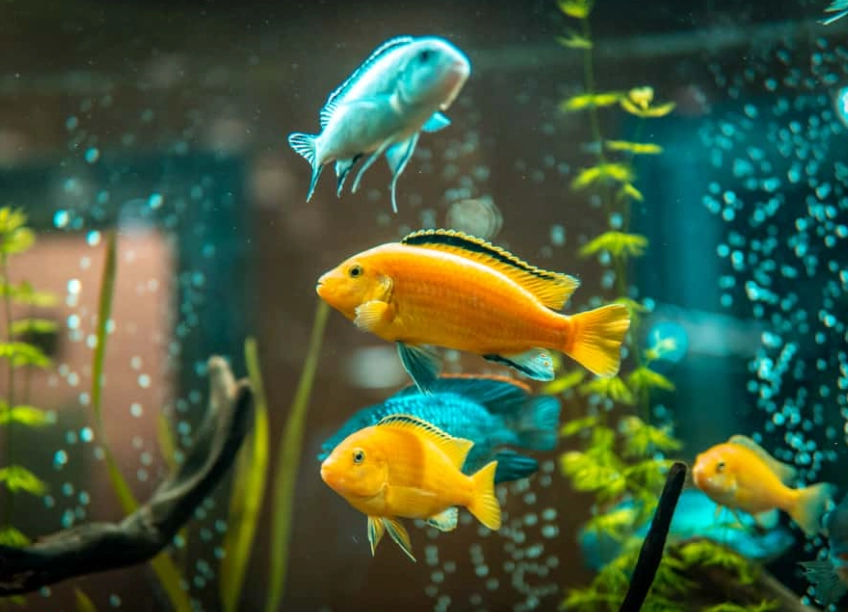
But in your tank, you control the menu. That's where things get tricky. Most aquarium fish are fed commercial food, which is convenient but often lacks variety. I remember my first tank—I fed flakes every day, and my fish looked dull. Later, I learned that mimicking natural diets boosts color and health.
According to the American Fisheries Society, wild fish diets are more diverse, including zooplankton, detritus, and even small crustaceans. In captivity, we need to replicate that. A study from the University of Florida showed that varied diets reduce stress and disease in aquarium fish.
Carnivorous, Herbivorous, and Omnivorous Fish: What They Really Need
Carnivores need high-protein foods. Think bloodworms or brine shrimp. Herbivores require plant-based stuff like spirulina flakes. Omnivores are easier—they'll eat almost anything, but balance is key. Many guides oversimplify this; for instance, betta fish are often labeled carnivores, but they benefit from occasional plant matter.
Types of Fish Food: A Detailed Breakdown
Here's a table comparing common fish food types. I've tested most of these, and some are overhyped.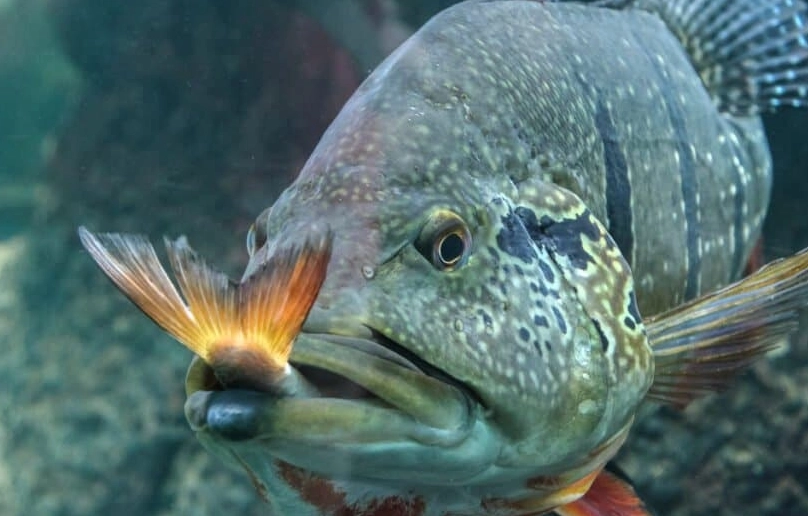
| Food Type | Best For | Pros | Cons | My Rating (1-5) |
|---|---|---|---|---|
| Flakes | Community tanks, surface feeders | Easy to use, affordable | Can pollute water quickly, low nutrition if cheap | 3 |
| Pellets | Most fish, especially mid-water feeders | Sink at different rates, more nutrient-dense | Some fish ignore them, can cause bloating | 4 |
| Frozen Foods | Carnivores, breeding fish | High protein, mimics live prey | Requires thawing, can be messy | 5 |
| Live Foods | Picky eaters, natural stimulation | Encourages hunting behavior | Risk of parasites, expensive | |
| Vegetables | Herbivores like plecos | Natural, cheap | Can rot if uneaten | 4 |
Frozen foods are my go-to for quality. Brands like Hikari are reliable, but I've had issues with some generic ones containing fillers. Live foods? They're fun but risky—I once introduced snails accidentally with live brine shrimp.
Pro tip: Rotate food types weekly. Fish get bored, just like us. A mix of flakes, frozen bloodworms, and blanched peas keeps them active.
How to Feed Your Fish: A Step-by-Step Guide
Feeding isn't just dumping food in the tank. Here's a method that works, based on trial and error.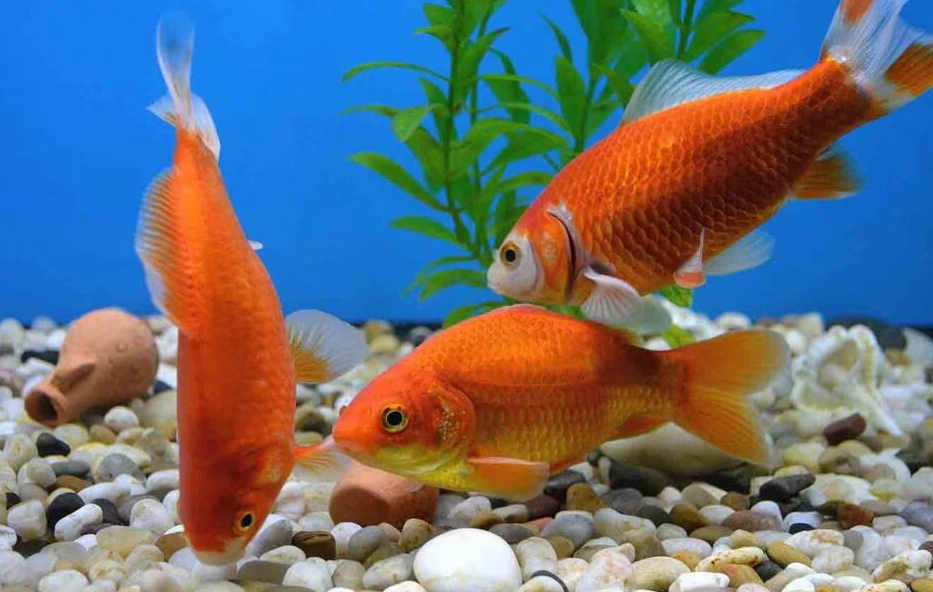
Step 1: Know Your Fish's Species. Look it up—don't guess. A goldfish diet differs from a tetra's. The National Aquarium has good resources online for species-specific needs.
Step 2: Measure the Food. Use a pinch or a small spoon. A common rule: feed what they can eat in 2 minutes. But I find that too vague. For small fish, a pinch the size of their eye is enough.
Step 3: Feed at Consistent Times. Twice a day works for most—morning and evening. Some fish, like nocturnal catfish, need food at night. I set a reminder on my phone to avoid overfeeding.
Step 4: Observe and Adjust. Watch how they eat. If food sinks uneaten, you're giving too much. Reduce it next time.
Step 5: Clean Up. Remove leftovers after 5 minutes to prevent water pollution. A small net helps.
I learned this the hard way. Early on, I fed my guppies too much, and ammonia spiked. Lost a few fish before I figured it out.
Top 5 Fish Feeding Mistakes You're Probably Making
Most fish owners mess up here. Let's fix that.
Mistake 1: Overfeeding. This is the big one. Fish don't have stomachs like mammals; they eat small amounts constantly. Overfeeding leads to dirty water and health issues. I see it all the time in forums—people think a fat fish is happy, but it's often constipated.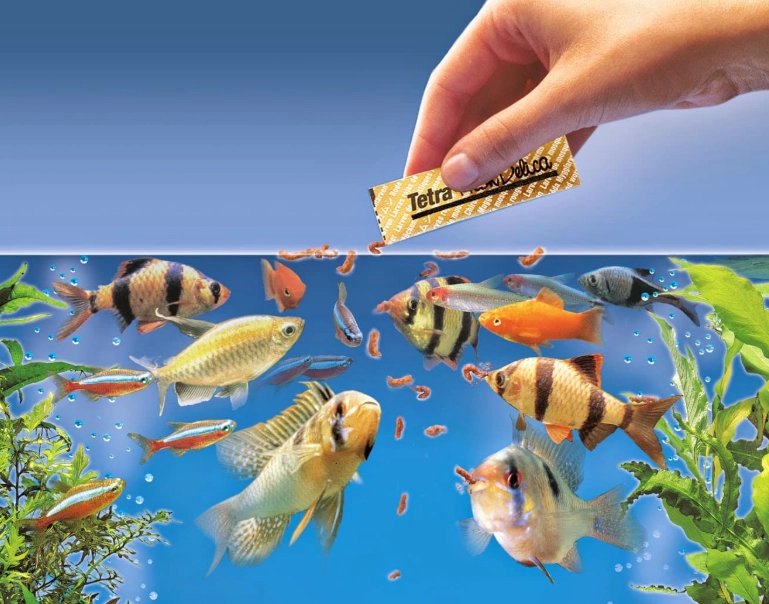
Mistake 2: Using Only One Food Type. Flakes every day? That's like eating bread for every meal. Variety is crucial for nutrients. Rotate between dry, frozen, and fresh options.
Mistake 3: Ignoring Fish Size and Age. Fry need powdered food, adults need pellets. I've seen folks feed adult pellets to baby fish, and they choke.
Mistake 4: Feeding During Water Changes. Stressful times like water changes can make fish refuse food. Wait an hour after maintenance.
Mistake 5: Not Considering Water Temperature. In colder water, fish metabolism slows. Feed less in winter months. My tropical tank gets fed daily, but my coldwater goldfish tank gets fed every other day in cooler temps.
These aren't just my opinions—research from the Aquatic Veterinary Services highlights overfeeding as a leading cause of aquarium failure.
FAQ: Your Questions Answered
Feeding fish isn't rocket science, but it does require attention. Start with the basics, observe your fish, and don't be afraid to experiment. After years in the hobby, I still learn new tricks—like how some fish prefer food at specific tank levels. Share your experiences in the comments; let's keep the conversation going.
Related Articles