Whoodle Breed Guide: Temperament, Care & Training Tips
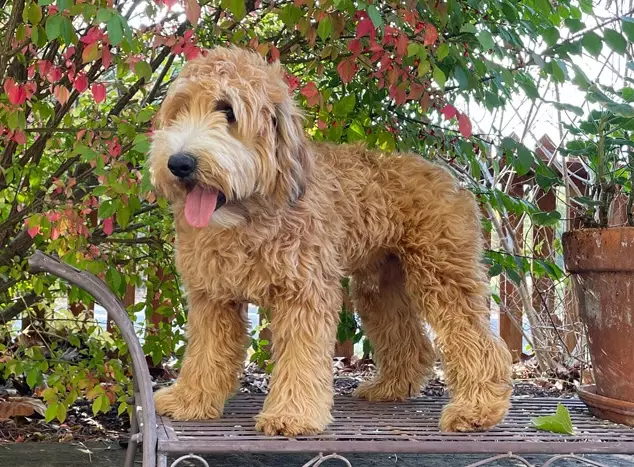
Let's talk about the Whoodle. You've probably seen photos – that adorable, scruffy teddy bear of a dog with intelligent eyes. It's a mix between a Soft-Coated Wheaten Terrier and a Poodle, often marketed as the perfect hypoallergenic family dog. But is that the whole story? After years of observing and talking to owners, I've found the reality is more nuanced, and frankly, more interesting. This isn't just another breed summary. This is a deep dive into what life with a Whoodle is actually like, the good, the challenging, and the stuff breeders don't always lead with. A Whoodle is a crossbreed, or designer dog, combining the Soft-Coated Wheaten Terrier and the Poodle (usually Miniature or Moyen size, sometimes Standard). The goal? To blend the Wheaten's cheerful, sturdy nature with the Poodle's intelligence and low-shedding coat. It sounds great on paper. The result, however, is a genetic lottery. You might get a dog that looks 70% Poodle with tight curls, or one that's all Wheaten with a wavy, silky coat. Size can vary dramatically too. I remember meeting two Whoodles from the same litter at a park. One was a compact 18-pound ball of tight curls, quiet and observant. The other was a lanky 28-pound dog with a loose, wavy coat, bouncing around trying to play with everyone. They were brothers, but you'd never guess it. That's the first thing to internalize: predictability is low. You're signing up for a spectrum of possibilities. This is where most generic descriptions fail. They'll say "friendly, intelligent, good with families" and stop there. Let's get specific. The Wheaten Terrier side brings an irrepressible, joyful energy. They are known for the "Wheaten greetin'" – an enthusiastic, often jumpy welcome. In a Whoodle, this can manifest as a dog that gets wildly excited when you come home, potentially for its entire life. It's not aggression; it's overflowing happiness that needs to be channeled. They often have a playful, clownish side and a strong desire to be part of all family activities. The Poodle contributes serious brainpower. Whoodles pick up tricks and commands quickly. But that intelligence comes with a price: boredom. A bored Whoodle is a destructive Whoodle. They also inherit Poodle sensitivity. Harsh corrections or yelling don't work; they'll shut down or become anxious. They respond best to positive, reward-based training that feels like a game. The blend creates a dog that is typically: Ownership is in the details. Here’s what a week in the life of a Whoodle owner really looks like. That beautiful coat is a commitment. It mats easily, especially behind the ears, under the collar, and in the armpits. I've seen too many first-time owners end up having to shave their matted dog down to the skin, which is stressful for everyone. The Golden Rule: Brush thoroughly 2-3 times per week with a slicker brush and a metal comb. The comb must glide through to the skin to check for mats. Every 6-8 weeks, they need a professional trim. Bathing every 3-4 weeks with a good dog shampoo helps keep the coat clean and manageable. Don't forget regular ear cleaning (floppy ears are prone to infection) and nail trims. A tired Whoodle is a good Whoodle. But "tired" means both body and mind. Skip this, and you might find your couch cushions redecorated. They can have sensitive stomachs, sometimes inheriting the Wheaten's propensity for protein-losing enteropathy. A high-quality diet formulated for active, medium-sized breeds is key. Watch for signs of allergies: itchy skin, chronic ear infections, or digestive upset. Many owners find success with limited-ingredient diets or novel proteins like salmon or duck. Crossbreeds can have hybrid vigor, but they are not immune to inheriting parental health issues. Reputable breeders test their parent dogs. You should ask to see these records. Common Health Considerations: A good breeder will provide a health guarantee and be a resource throughout the dog's life. The average lifespan is 12-15 years. This is the most critical step. The wrong source can lead to a lifetime of behavioral and health problems. Avoid anyone who has multiple litters available at once, won't let you visit their home, or sells puppies online with no questions asked. A good breeder: The puppy price from a reputable breeder typically ranges from $2,000 to $3,500. Yes, it's steep. But it covers prenatal care, early vet visits, genetic testing, and socialization work. Check breed-specific rescues for Poodle or Wheaten Terrier mixes. Organizations like Poodle Rescue often have mixes. Adopting an adult dog has huge advantages: their personality and coat type are already known. The adoption fee is usually between $300 and $600. I helped a friend adopt a 3-year-old Whoodle from a rescue. He was already house-trained, knew basic commands, and his wavy coat was a breeze to manage. It was a perfect fit from day one. The Whoodle can be an incredible companion—affectionate, funny, and full of life. But they are not a low-maintenance accessory. They demand time, consistent training, and a serious grooming commitment. If you can meet those needs, you'll gain a loyal, intelligent friend who will fill your home with laughter and a surprising amount of hair, even the "hypoallergenic" kind. Do your homework, choose your source wisely, and be prepared for a wonderfully engaging adventure.What's Inside This Guide?
What Exactly is a Whoodle? Beyond the Label

The Whoodle Temperament: Energetic Clown or Calm Companion?

The Wheaten Influence: Bounce and Joy
The Poodle Influence: Brain and Sensitivity

Caring for Your Whoodle: A Practical Daily Guide
Grooming: The Non-Negotiable Routine
Exercise and Mental Stimulation

Diet and Nutrition
Aspect of Care
Frequency
Key Tools/Notes
Brushing/Combing
2-3 times per week
Slicker brush, metal comb. Focus on friction areas.
Professional Grooming
Every 6-8 weeks
Find a groomer experienced with curly/wiry coats.
Bathing
Every 3-4 weeks
Use conditioner to prevent dryness and matting.
Ear Cleaning
Weekly
Vet-approved ear cleaner, cotton balls.
Nail Trimming
Every 2-3 weeks
Dremel or clippers. Avoid the quick.
Daily Exercise
45-60 minutes total
Mix of walks, play, and mental games.
Dental Care
Daily (ideal) or several times a week
Dog toothpaste, dental chews approved by VOHC.
Whoodle Health: What to Watch For
Finding Your Whoodle: Breeder, Rescue, and Cost Realities

Choosing a Responsible Breeder
Considering Whoodle Rescue

Your Whoodle Questions, Answered