What Do Turtles Eat? The Complete Diet Guide for Pet Turtles
You just brought home a turtle. The tank is set up, the basking light is perfect. Now you're staring at this ancient-looking creature, holding a leaf of lettuce, and thinking, "Is this right?" The question "what do turtles eat" seems simple, but the answer is where most new owners—and honestly, some experienced ones—trip up. It's not just about throwing in some greens or a handful of pellets. Getting a turtle's diet wrong doesn't just stunt growth; it leads to metabolic bone disease, shell deformities, and a drastically shortened lifespan. I've seen too many turtles with pyramided shells or soft jaws from poor nutrition. Let's cut through the noise and build a feeding plan that actually works.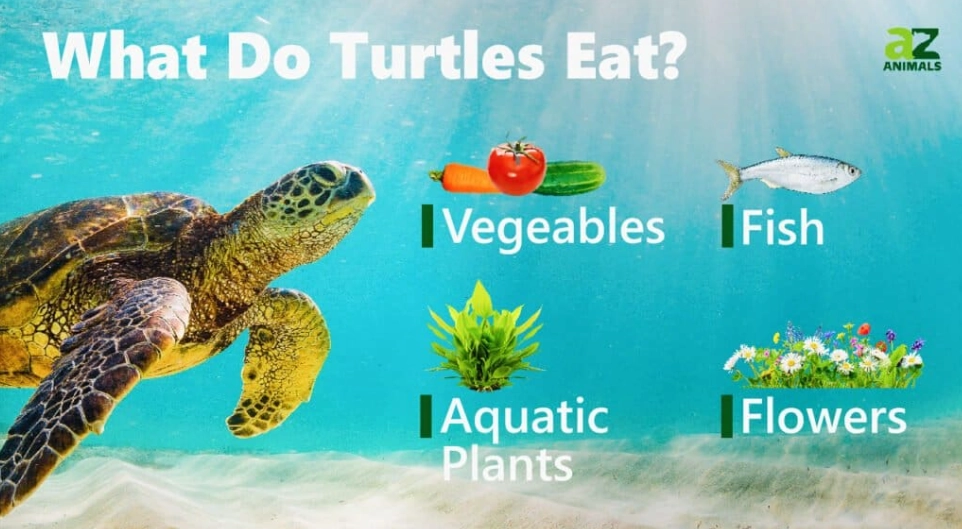
What You'll Find Inside
- The #1 Rule: Diet Depends on Your Turtle's Type
- What Do Aquatic Turtles Eat? (Red-Eared Sliders, Painted Turtles)
- What Do Land Turtles (Tortoises) Eat?
- Navigating the Aisle: A Look at Commercial Turtle Foods
- The Non-Negotiables: Supplements & Feeding Schedule
- 5 Feeding Mistakes That Slowly Harm Your Turtle
- Your Turtle Feeding Questions, Answered
The #1 Rule: Diet Depends on Your Turtle's Type
This is the biggest oversimplification in pet care. "Turtle" is like saying "mammal." A lion's diet is nothing like a cow's. We can split pet turtles into three practical categories, and their menus are wildly different.
Aquatic Turtles (like Red-Eared Sliders, Painted Turtles, Map Turtles). These guys are opportunistic omnivores, leaning heavily toward protein when young. In the wild, a baby slider is a tiny hunter—think insects, tadpoles, small fish. As they age, they incorporate more vegetation. Your job is to mimic that shift.
Semi-Aquatic / Box Turtles (like Eastern Box Turtles, Asian Box Turtles). Often called the "forest floor vacuum cleaners," their diet is incredibly varied. It's a roughly 50/50 mix of animal protein (slugs, worms, beetles) and plant matter (mushrooms, berries, leafy greens). They're not big swimmers, so their food isn't primarily aquatic.
Land Turtles (Tortoises) (like Russian Tortoises, Sulcatas, Hermann's Tortoises). These are almost exclusively herbivores. Their systems are built for high-fiber, low-protein, calcium-rich vegetation. Feeding a tortoise protein (like dog food or excessive legumes) is a fast track to severe health issues. The Association of Reptilian and Amphibian Veterinarians (ARAV) emphasizes species-specific diets as the cornerstone of reptile health.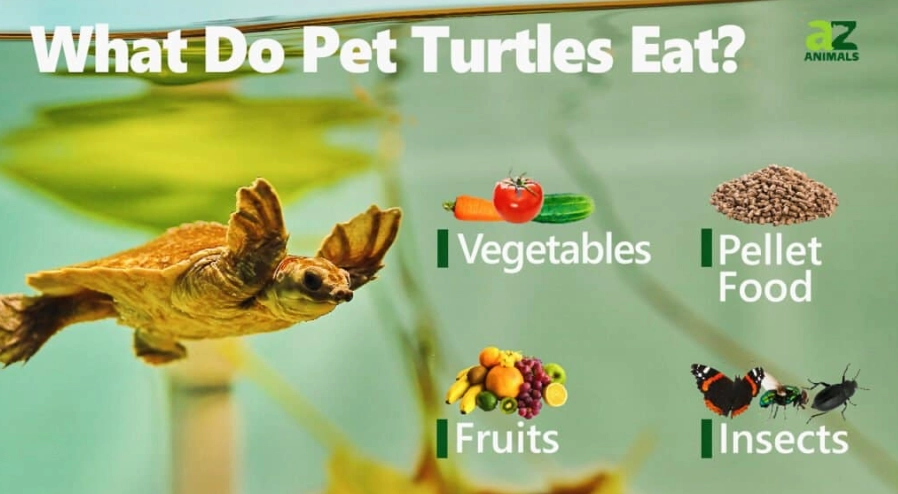
What Do Aquatic Turtles Eat? (Red-Eared Sliders, Painted Turtles)
Let's get specific, because "aquatic turtle" covers the most common pets. The key variable here is age.
The Protein Side of the Menu
For juveniles, this is the main course. For adults, it's the occasional treat (once a week or so).
- Live/Frozen Foods: Earthworms, bloodworms, crickets, dubia roaches (excellent calcium), occasional feeder fish (like guppies). Frozen options are safer to avoid parasites. A study from the University of Florida's Veterinary School notes that variety in protein sources prevents nutritional gaps.
- Prepared Protein: High-quality commercial turtle pellets (more on those below) should be the staple protein source. They're fortified with vitamins.
- Lean Meats (Rarely): Cooked, unseasoned chicken or fish bits. This is a "sometimes" food, not a staple.
The Plant Side of the Menu
This is what an adult aquatic turtle's diet should be built on. Not iceberg lettuce. That's just crunchy water with no nutrition.
| Excellent Staples (Feed Often) | Occasional Treats | Avoid Completely |
|---|---|---|
| Red leaf lettuce, Green leaf lettuce, Romaine (in moderation) | Carrot tops, Zucchini, Squash | Iceberg lettuce, Spinach, Kale (high in oxalates) |
| Duckweed, Anacharis (they can graze on this) | Apple slices (rarely), Berries | Avocado, Rhubarb (toxic) |
| Dandelion greens (a powerhouse) | Green beans | Dog/Cat food, Dairy products |
What Do Land Turtles (Tortoises) Eat?
Think of a tortoise as a tiny, slow-moving lawnmower designed for roughage. Their diet is boring by human standards, but that's the point.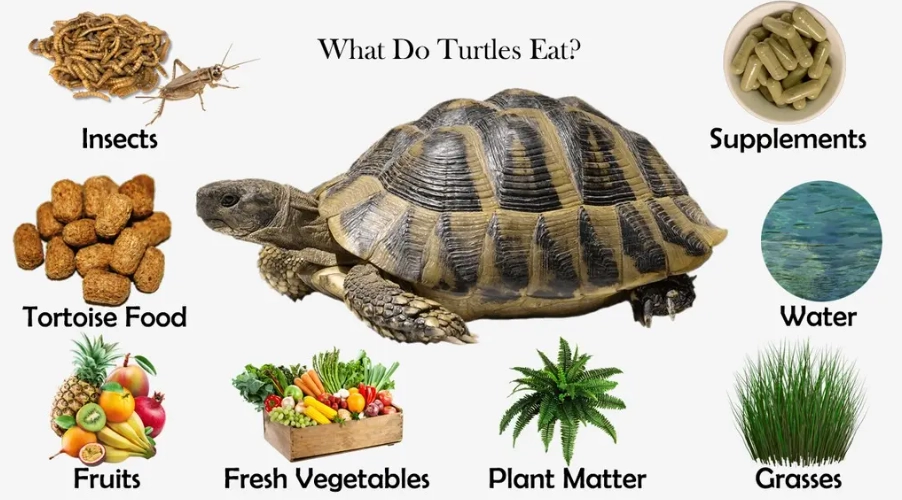
The Foundation: Broad-Leaf Weeds and Greens. Dandelion greens, clover, plantain weeds, endive, escarole, and mulberry leaves are fantastic. These are high in fiber and calcium, low in protein and sugars. Growing a "tortoise garden" with these plants is the single best thing you can do.
The Grocery Store Staples. When weeds aren't available, opt for dark, leafy greens like collard greens, mustard greens, and turnip greens. Romaine can be part of the mix, but it's not a staple.
Navigating the Aisle: A Look at Commercial Turtle Foods
Not all pellets are created equal. Some are like fast food, others are legitimately good staples.
What to look for: A protein source around 40-45% for growing aquatics (lower for adults), a calcium-to-phosphorus ratio of 2:1 (this is critical, check the label), and added vitamins like D3 (essential for indoor turtles). Brands like Mazuri and Zoo Med Natural have generally good reputations among breeders.
The "Other" Stuff: Those dried shrimp or mealworms in a jar? They're turtle junk food. They have little nutritional value, are often deficient in calcium, and turtles become addicted to them. They're fine as a very rare training reward, but if they're a regular part of the diet, you're feeding the equivalent of potato chips.
The Non-Negotiables: Supplements & Feeding Schedule
Even with perfect fresh food, supplementation is non-optional for captive turtles.
- Calcium Powder (Without D3): Lightly dust food 2-3 times a week. This is the easiest way to prevent metabolic bone disease (MBD).
- Calcium Powder (With D3): Use this once a week if your turtle doesn't get consistent, direct sunlight (unfiltered by glass) or if your UVB lamp is older than 6-12 months. D3 is needed to absorb the calcium.
- Multivitamin: A reptile-specific multivitamin once a week fills in any micronutrient gaps.
How Much & How Often? A Simple Schedule
Overfeeding is a huge issue. Turtles are programmed to eat whenever food is available.
- Juvenile Aquatic Turtles: Feed a portion of pellets/protein the size of their head, daily.
- Adult Aquatic Turtles: Offer a head-sized portion of leafy greens daily. They might not eat it all. Offer protein pellets only 2-3 times a week.
- Tortoises: Offer a pile of mixed greens roughly the size of their shell daily. Remove uneaten food at the end of the day.
Some keepers swear by a "fasting day" once a week for adults to mimic natural scarcity and aid digestion.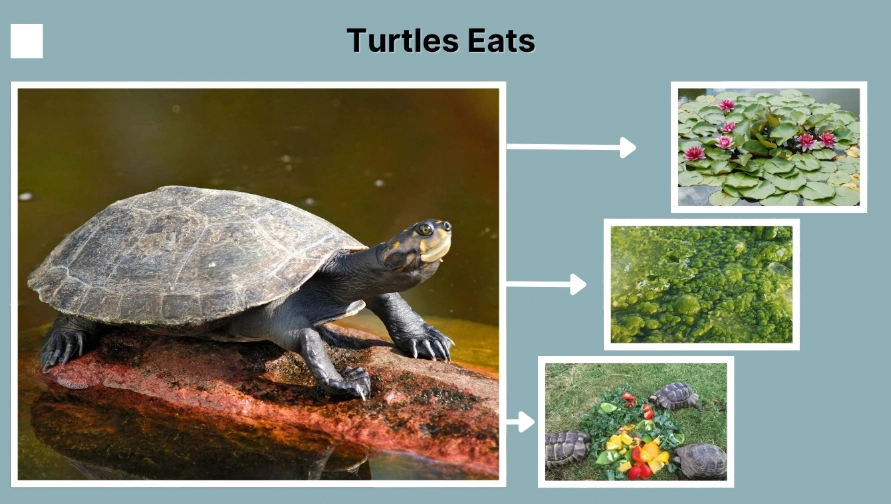
5 Feeding Mistakes That Slowly Harm Your Turtle
- Feeding only in water (for aquatic turtles). This fouls the water instantly. Train them to eat in a separate container or in a designated "feeding corner" of the tank you can clean immediately after.
- Ignoring calcium supplements. Soft shells, rubbery jaws, and deformities are a direct result. It's not optional.
- Keeping juveniles on a vegetarian diet. They need that protein to grow properly. You'll end up with a stunted, weak turtle.
- Not shifting adults to a plant-based diet. This leads to fatty liver disease, obesity, and excessive tank waste.
- Assuming "they'll eat what they need." In captivity, with limited choices, they'll often pick the tastiest, least nutritious option every time. You are the nutritionist.
Your Turtle Feeding Questions, Answered
Can I feed my turtle the same lettuce I eat in my salad?
You can, but you need to choose carefully. Romaine or green/red leaf lettuce are okay as part of a mix. The real problem is iceberg lettuce—it's essentially water with fiber and offers almost no nutritional value. It fills them up without giving them what they need. Always opt for darker, leafier greens.
My turtle only eats shrimp pellets and ignores his greens. What can I do?
This is classic turtle pickiness, usually from being overfed treats. The solution isn't gentle. Stop feeding the shrimp pellets entirely. Offer only the proper greens (romaine, dandelion, etc.) every day. A healthy turtle can go for a week or two without eating before it becomes a serious concern. He will eventually get hungry enough to try the greens. Consistency is key. Mixing a tiny, tiny amount of a favorite pellet into the greens can sometimes jumpstart the process.
 How do I know if I'm feeding my turtle enough?
For adults, look at body condition, not appetite. The shell should feel solid and hard. There should be no visible "fat rolls" where the legs meet the shell, and the skin should be taut, not puffy. If you can easily pinch skin or see bulging folds, you're overfeeding. For juveniles, steady growth along a species-appropriate curve is the best indicator. A herp vet can help you assess this during a check-up.
What can baby turtles eat to grow fast and healthy?
Focus on quality, not just speed. For a baby aquatic turtle, a daily staple of a high-quality growth-formula pellet (size of its head) is perfect. Supplement this 2-3 times a week with small, gut-loaded insects like pinhead crickets or chopped earthworms, dusted with calcium. The goal is steady, strong growth, not rapid growth, which can stress their systems and lead to pyramiding of the shell scutes.
Are there any human foods that are safe for turtles?
A few, in strict moderation. For aquatic turtles and box turtles: small bits of cooked, unseasoned chicken or fish, hard-boiled egg (rarely), and certain fruits like melon or berries as a tiny treat. For tortoises: almost none. Some can have a small piece of cucumber or zucchini occasionally. The golden rule is that human food is a rare diversion, not a component of their diet. Never offer anything processed, salted, spiced, or dairy-based.
Related Articles