A Vet's Guide to Flea Infestations in Dogs: Prevention, Treatment & Home Care
Let's cut to the chase. A flea infestation on your dog isn't just an annoyance; it's a full-scale invasion of your home. You see the scratching, the biting at the base of the tail, maybe even little black specks in their fur. It feels overwhelming. The good news? You can win this war. The better news? Winning requires a strategy, not just a single product. This guide pulls from years of clinical practice to show you exactly how to identify, treat, and prevent fleas for good, covering the steps most owners miss.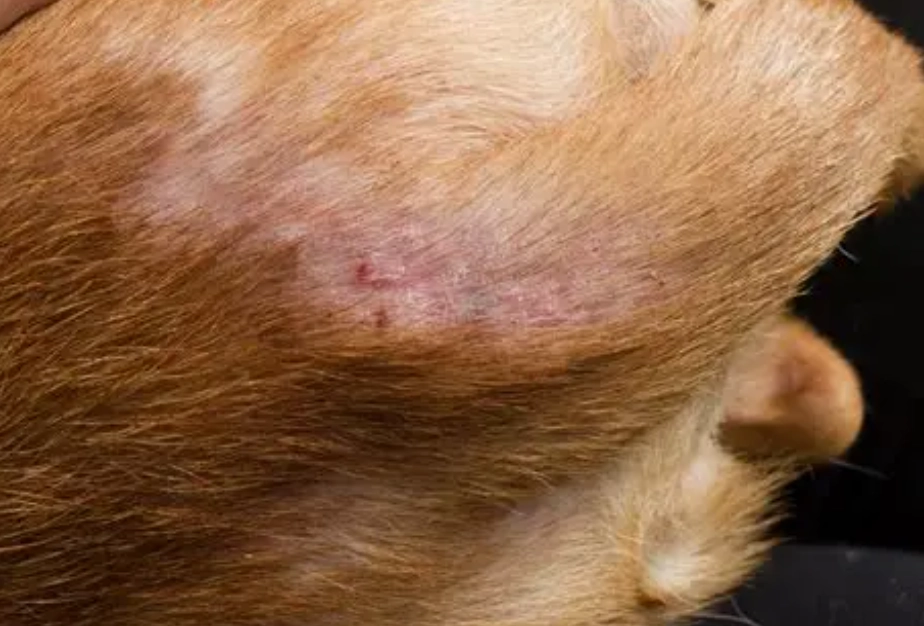
What's Inside This Guide?
How to Identify a Flea Infestation on Your Dog
You don't always see the fleas themselves. They're fast. By the time you notice intense scratching, the population might already be established. Look for these concrete signs:
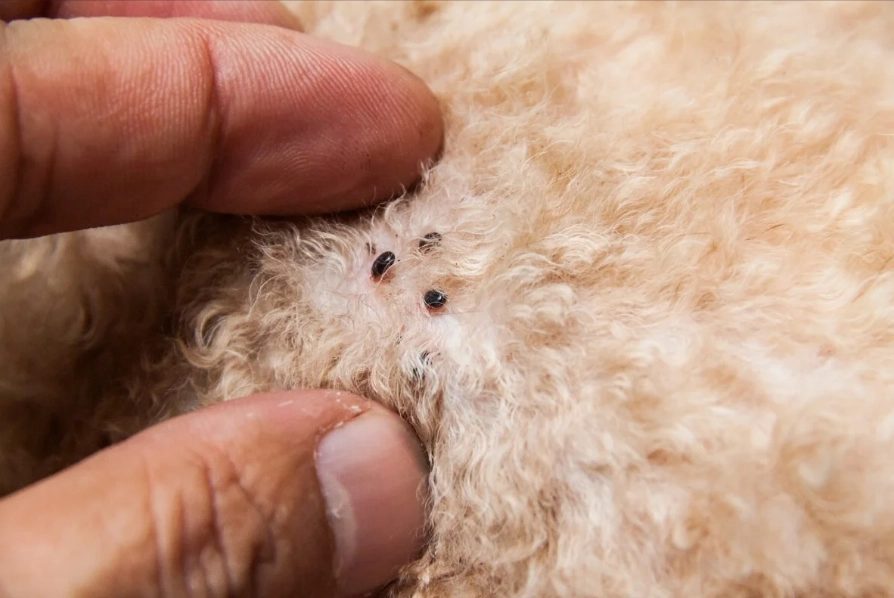
Flea Dirt: This is the big one. Those tiny black specks that look like pepper? That's flea feces—digested blood. Do the "white paper test." Comb your dog over a white sheet of paper. Add a few drops of water to the specks. If they dissolve and leave a reddish-brown stain (blood), you've confirmed flea dirt.
Excessive Scratching and Biting: Focused on the lower back, tail base, belly, and inner thighs. It's often sudden and intense.
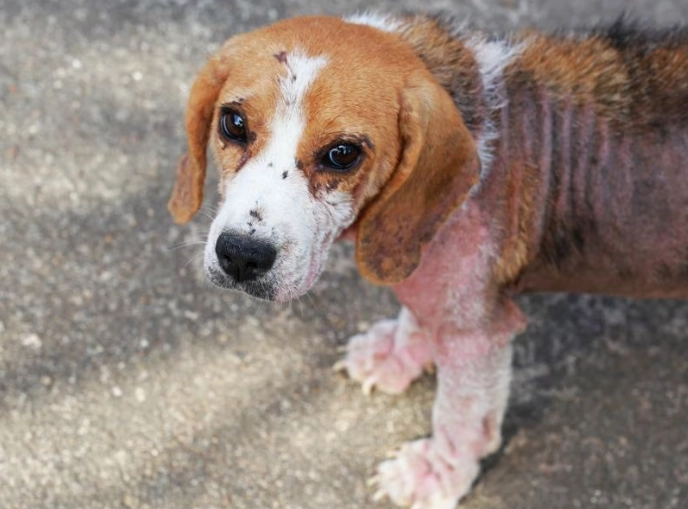
Hair Loss and Skin Lesions: From constant trauma. You might see red bumps, scabs, or hot spots.
Visual Sightings: Adult fleas are small (about 1-2 mm), reddish-brown, and move quickly through the fur. Part the hair, especially around the groin and armpits.
Here's a tip most miss: The fleas you see on your dog are only about 5% of the problem. The other 95%—eggs, larvae, and pupae—are hiding in your environment (carpet, bedding, couch). Treating just the dog is like mopping the floor while the tap is still running.
The Most Effective Flea Treatments: A Vet's Comparison
The market is flooded with options. As a vet, I see owners get paralyzed by choice or, worse, use products incorrectly. Modern prescription treatments are light-years ahead of old-school shampoos and powders. They work systemically. Let's break down the main categories.
| Type | Brand Examples (Rx/OTC) | How It Works | Speed/Killing Power | Key Pros | Key Cons / Vet Notes |
|---|---|---|---|---|---|
| Oral Chewables (Monthly) | NexGard, Simparica, Bravecto (3-month) | Insecticide circulates in blood. Flea bites and dies. | Starts killing in hours. Very high efficacy. | No bathing restrictions. Can't wash off. Convenient. | Requires a vet prescription. Some dogs are picky eaters. Must ensure full dose is ingested. |
| Topical "Spot-On" (Monthly) | Revolution Plus, Advantage Multi, Frontline Plus (OTC) | Liquid spreads via skin oils, stored in oil glands. | Kills on contact or after biting. Good to high efficacy. | Good for dogs that won't take pills. Some combine heartworm prevention. | No bathing 2 days before/after. Can feel greasy. Potential for application errors (not parting fur correctly). |
| Oral Chewables (Fast-Acting) | Capstar | Works in the nervous system of adult fleas. | Kills adult fleas on dog within 30 minutes. No residual protection. | Amazing for immediate relief during a bad infestation. Over-the-counter. | Only lasts 24 hours. Does nothing for eggs/larvae. A tool, not a long-term plan. |
| Collars | Seresto, various OTC brands | Insecticide slowly releases onto skin/fur. | Varies wildly. Seresto (prescription) offers 8 months of protection. | Long-lasting. No monthly remembering. | OTC collars are often ineffective and smelly. Seresto must fit snugly (two fingers under). Some report skin reactions. |
My personal preference in practice leans towards the monthly oral chewables for most dogs. Why? Compliance. Owners remember the first of the month easier than tracking "bath days." The kill rate is consistently excellent. But the single most important factor is consistency. A top-tier product used sporadically is worse than a good product used perfectly every month.
One huge mistake? Using a dog product on a cat. It can be fatal. Always, always use species-specific medication.
Integrating Treatment with Your Vet
Don't just buy something online and hope. Talk to your vet. They'll consider your dog's age, weight, health status (especially liver/knee function), and lifestyle. A dog that swims weekly might do better with an oral product. A multi-pet household needs a coordinated plan. Your vet can also prescribe medications that tackle multiple parasites (fleas, ticks, heartworm, intestinal worms) in one dose, which is often simpler and more cost-effective.
Breaking the Cycle: Home Care and Environmental Control
This is where most battles are lost. You treat the dog, new fleas hatch from your couch and jump right back on. You must attack the infestation on three fronts simultaneously: the dog, the home, and the yard (if applicable).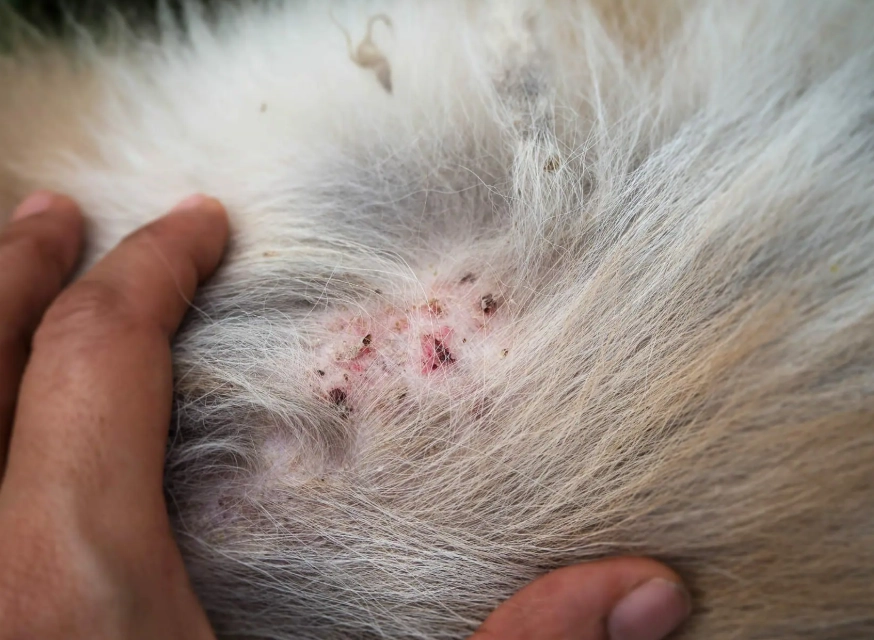
Step 1: Treat ALL Pets. Every dog and cat in the house must be on effective flea prevention. Even the indoor-only cat. Fleas don't discriminate.
Step 2: The Laundry Blitz. Wash all pet bedding, your bedding, and any removable couch covers in hot, soapy water. Heat above 95°F (35°C) kills fleas in all life stages. Dry on the highest heat setting.
Step 3: Vacuum Like Your Sanity Depends On It. Vacuum all carpets, rugs, upholstery, and floors (especially under furniture) daily during an active infestation. The vibration stimulates flea pupae to hatch, and the vacuum removes adults, eggs, and larvae. Immediately seal and dispose of the vacuum bag or empty the canister outside.
Step 4: Environmental Insecticides. For severe infestations, you may need a spray. Look for products containing Insect Growth Regulators (IGRs) like methoprene or pyriproxyfen. These don't kill adults but sterilize eggs and prevent larvae from maturing, breaking the life cycle. Spray according to label directions on carpets, baseboards, and pet areas. Foggers are messy and often miss under furniture; sprays offer more targeted control.
Be extremely careful with essential oils (tea tree, eucalyptus, etc.) as flea remedies. Many are toxic to dogs, especially when applied undiluted to the skin. Their efficacy is also unproven and inconsistent. Stick to vet-recommended products with proven safety margins.
What is Flea Allergy Dermatitis (FAD)?
This is the condition that makes a bad situation horrific. Some dogs develop a severe allergic reaction to proteins in flea saliva. For these dogs, a single flea bite can cause weeks of misery.
The symptoms are intense: extreme itching, hair loss primarily over the lower back and tail base, red inflamed skin, secondary bacterial infections, and thickened skin over time. You might not even see fleas because the allergic dog grooms them off obsessively, but the flea dirt is usually present.
Treating FAD is a two-part mission:
1. Absolute Flea Elimination: This is non-negotiable. You need a near-zero flea environment. Use the most effective preventive on the market for that dog, year-round, without a single missed dose.
2. Managing the Allergy Itself: Your vet will likely need to treat the skin inflammation. This can include medicated shampoos, antibiotics for infections, anti-itch medications (like Apoquel or Cytopoint), or short courses of steroids in severe flare-ups. The goal is to break the itch-scratch cycle while your flea control plan takes full effect.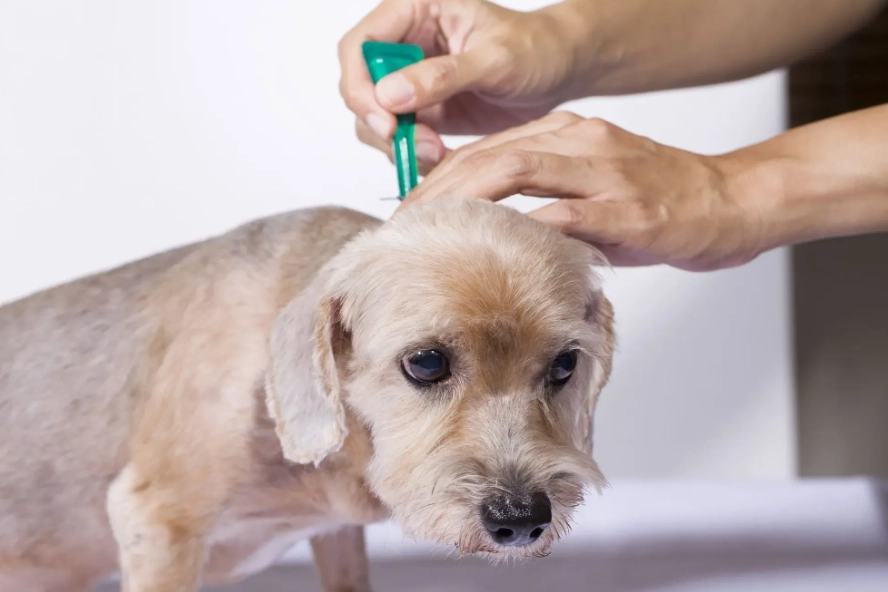
Your Top Flea Questions Answered
Related Articles