Flea Dirt: The Ultimate Guide to Identification, Removal, and Prevention
You’re petting your dog or cat, and your fingers brush against tiny, black specks nestled deep in their fur. They look like pepper. You might think it's just dirt from the backyard. But when you brush them onto a white paper towel and add a drop of water, they dissolve into a reddish-brown stain. That's not dirt. That's flea dirt, and it's the single most reliable sign you have a flea infestation brewing in your home, not just on your pet. I've been in pest control for over a decade, and this is the moment most people realize they've underestimated the problem. Let's break down exactly what you're dealing with and, more importantly, how to win the war against it.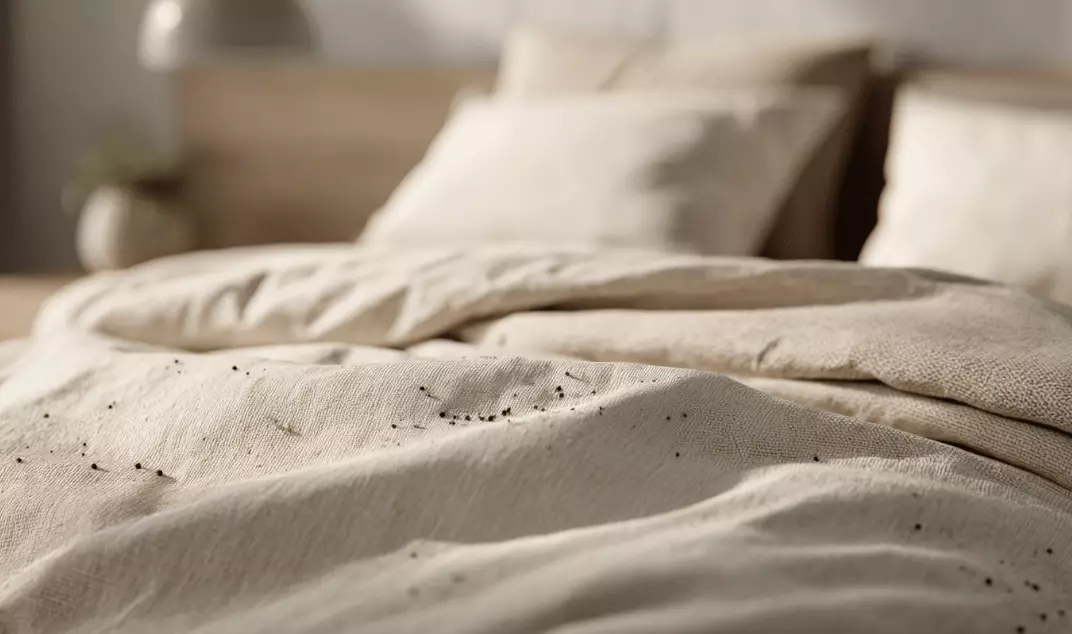
What's Inside?
What Exactly Is Flea Dirt? (It's Not Just Poop)
Flea dirt is the polite term for flea feces. But calling it "poop" misses the critical point. This isn't waste from digested food in the traditional sense. Fleas are obligate parasites—they survive solely on blood. Their digestive system is remarkably efficient at extracting the liquid plasma. What's left, the solid waste they excrete, is essentially digested, dried blood.
Think of it like this: if you took a drop of blood, dried it into a powder, that's roughly the composition of flea dirt. This is why the "wet paper towel test" works so well. The water rehydrates that dried blood, creating the tell-tale rusty halo.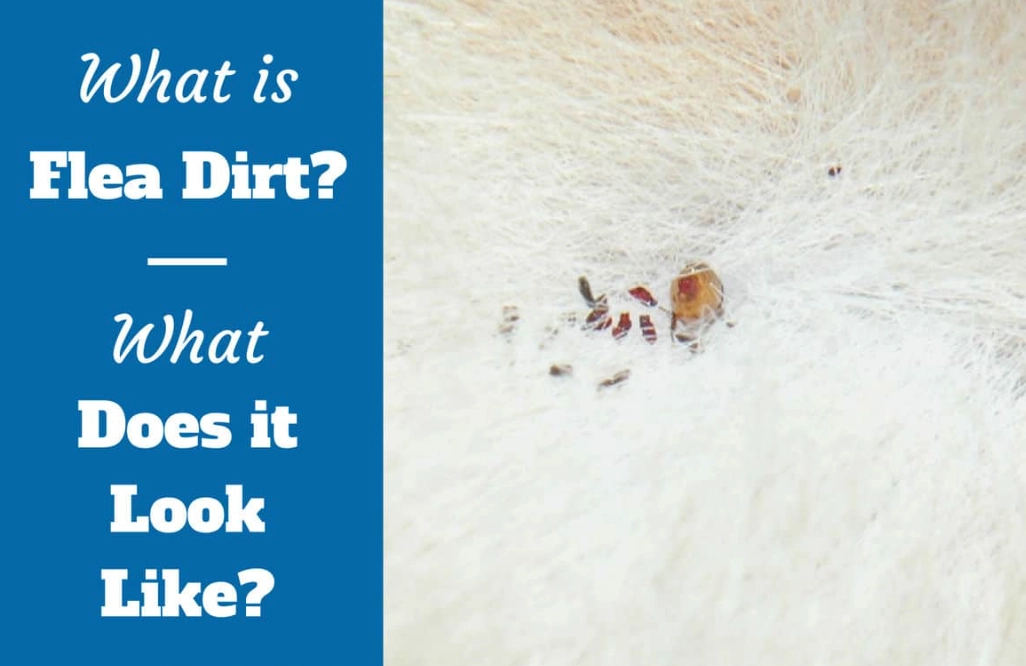
Key Insight: The presence of flea dirt means fleas are feeding. Each speck represents a successful blood meal. A lot of specks mean a lot of feeding, which translates to egg-laying and a rapidly growing population. You're not seeing the problem; you're seeing the evidence of a problem that's already established.
How to Identify Flea Dirt with 100% Certainty
Don't guess. Misidentifying flea dirt is common. It can be confused with regular soil, litter box debris, or even some types of skin flakes. Here’s your foolproof identification protocol:
The Visual and Tactile Check
Flea dirt appears as tiny, comma-shaped or granular specks. They're dark black or dark brown. Unlike uniform grains of sand, they have a slightly irregular shape. When you run your fingers through the fur, they feel like fine grit. They don't brush off easily because they're often stuck to the hair shaft or skin with a slight adhesive quality from the flea's saliva.
The Definitive Wet Paper Test
This is the gold standard. Get a white paper towel, tissue, or coffee filter. Comb your pet over it, collecting the black specks. Add a single drop of water. Wait 30 seconds. If the specks dissolve and leave a reddish-brown stain, you have confirmed flea dirt. The color can range from light orange to a deep blood red. No stain? It's likely just environmental dirt.
Where to Look on Your Pet
Fleas prefer warm, protected areas. Comb and inspect these hotspots: The lower back, right above the tail. The groin and inner thighs. The neck and under the chin. Behind the ears. If you see flea dirt here, you can be sure there's more you're not seeing.
The Step-by-Step Guide to Cleaning Flea Dirt
Cleaning flea dirt isn't just about aesthetics. Removing it removes a food source for flea larvae and helps you monitor your treatment progress. You must tackle both the pet and the environment simultaneously. Doing one without the other is why most people fail.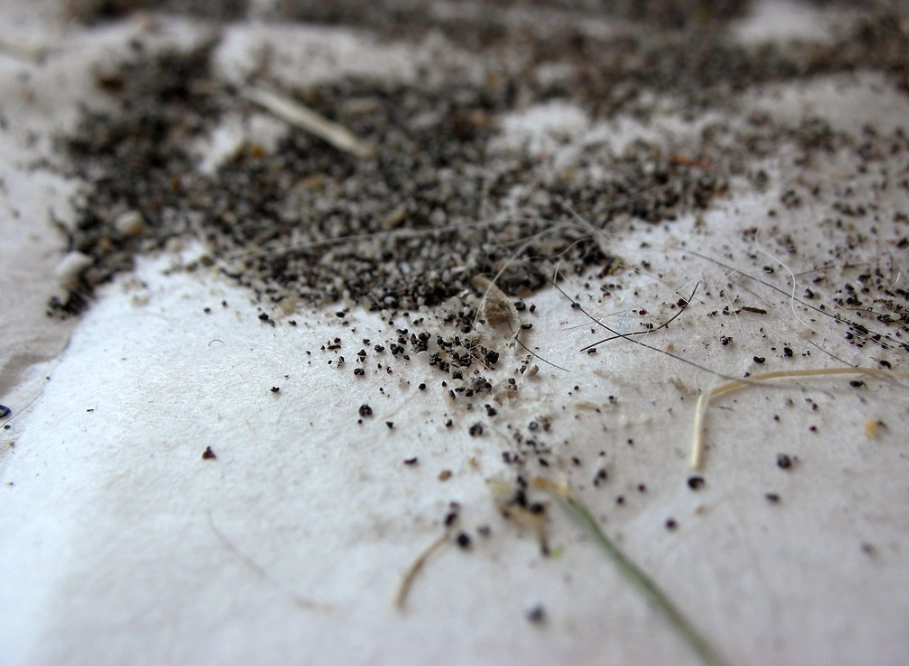
Step 1: Treat Your Pet
Start with a vet-recommended flea treatment. Oral or topical, it needs to kill adult fleas. Once the treatment is active (usually within hours), the flea dirt production stops because the fleas die.
Bathing: A bath with a mild pet shampoo or a designated flea shampoo (if suitable for your pet) helps physically remove vast amounts of flea dirt and soothe itchy skin. The blue Dawn dish soap trick? It can work in a pinch to drown adult fleas and clean dirt, but it's not a long-term treatment and can dry out skin. Use it as an emergency step, not a plan.
Combing: Use a fine-toothed flea comb daily. Dip the comb in a bowl of soapy water after each pass. This physically removes dirt, eggs, and any lingering adults. It's also a fantastic monitoring tool.
Step 2: Declutter and Vacuum Like a Pro
This is where I see the most half-hearted efforts. Flea dirt, eggs, and larvae fall off your pet and live in your carpets, upholstery, and cracks.
Move furniture. Vacuum every square inch of carpet, rugs, and upholstery. Don't forget the corners, under cushions, and along baseboards. The vacuum's agitation stimulates flea pupae to hatch, and the suction removes dirt and eggs. Immediately after vacuuming, seal the vacuum bag or empty the canister into a plastic bag, tie it shut, and take it outside to the trash. If you leave it in your vacuum, the eggs can hatch inside and reinfest your home.
Step 3: Launder Everything Washable
Pet bedding, your bedding if the pet sleeps with you, couch covers, and throw blankets. Use the hottest water the fabric can handle. The heat kills eggs and larvae. Dry on high heat.
Step 4: Consider Environmental Treatment
For severe infestations, a professional pest control treatment using an insect growth regulator (IGR) is the nuclear option that works. IGRs mimic insect hormones, preventing larvae from maturing and breaking the life cycle. If going DIY, products containing IGRs like (S)-methoprene or pyriproxyfen are more effective than standard adulticide sprays alone. Always follow label directions to the letter.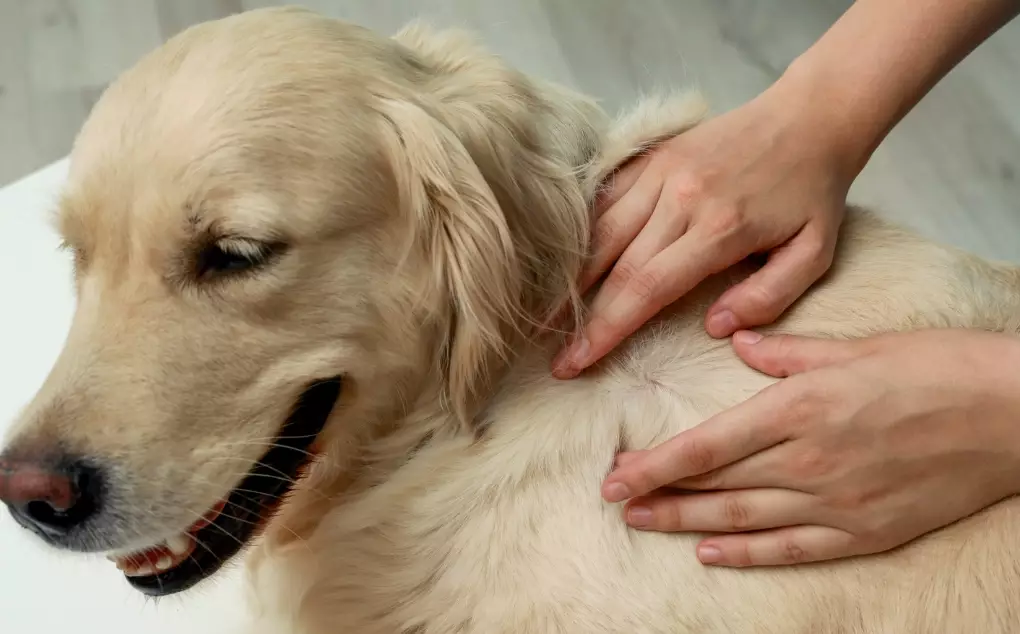
A Hard Truth: Foggers (bug bombs) are often ineffective for fleas. The insecticide mist doesn't penetrate deep into carpets or under furniture where flea larvae and pupae live. They can create more chemical residue on surfaces without solving the core problem.
The 3 Biggest Mistakes People Make With Flea Dirt
After ten years, the patterns are painfully clear.
Mistake 1: Treating the Pet, Ignoring the Home. You kill the fleas on Fido. Great. But the eggs and larvae in your carpet hatch over the next few weeks, jump back on, and the cycle continues. The flea dirt returns. You must attack all life stages in all locations.
Mistake 2: Stopping Treatment Too Soon. The flea life cycle can take up to 3 months. If you stop monthly preventatives or cleaning after 2 weeks because you "don't see anything," you're letting the next generation establish itself. Consistency for a minimum of 3-4 months is non-negotiable.
Mistake 3: Misdiagnosing the Source. If you live in an apartment or have a pet that goes outside, reinfestation is possible from neighboring units or your yard. Seeing flea dirt again after a successful cleanup points to an external source. You might need to treat outdoor areas or discuss building-wide treatment with your landlord.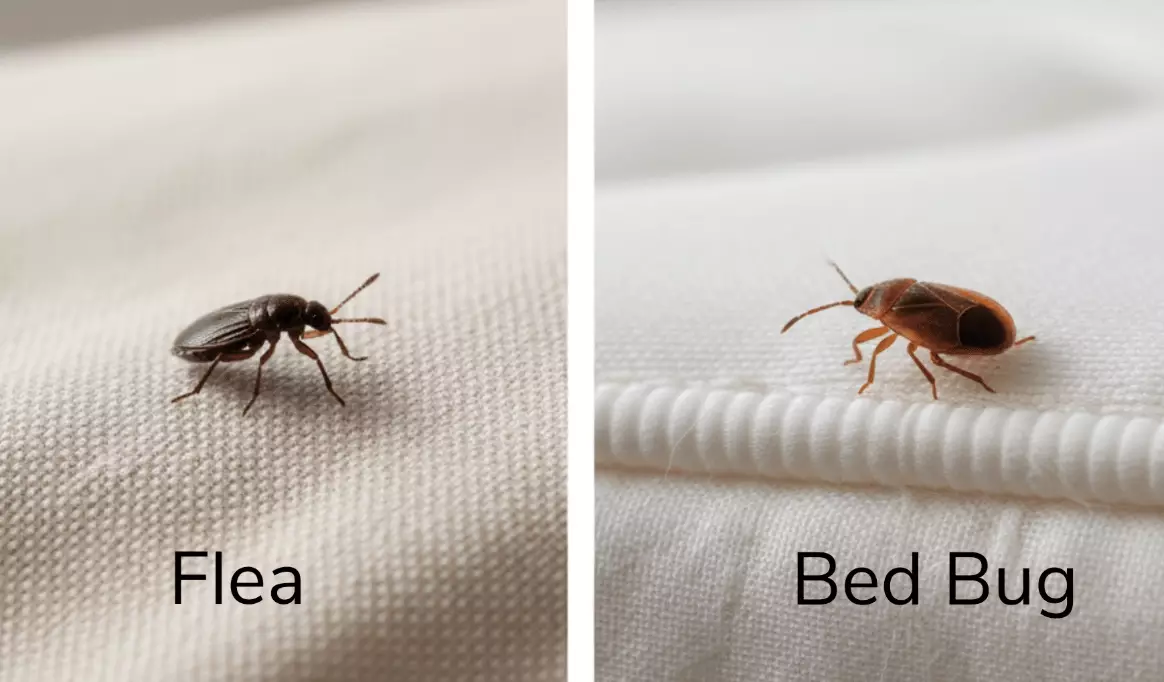
Building a Flea Dirt Prevention Strategy That Works
Prevention is cheaper and easier than eradication. Your goal is to make your pet and home an inhospitable target.
Year-Round Preventatives: Consult your vet and use a quality monthly flea preventative, even in winter. Modern central heating creates a perfect indoor climate for fleas year-round.
Regular Grooming and Inspection: Make weekly combing with a flea comb part of your routine. It's your early detection system. Catching a few specks of dirt early is a world easier than dealing with a full infestation.
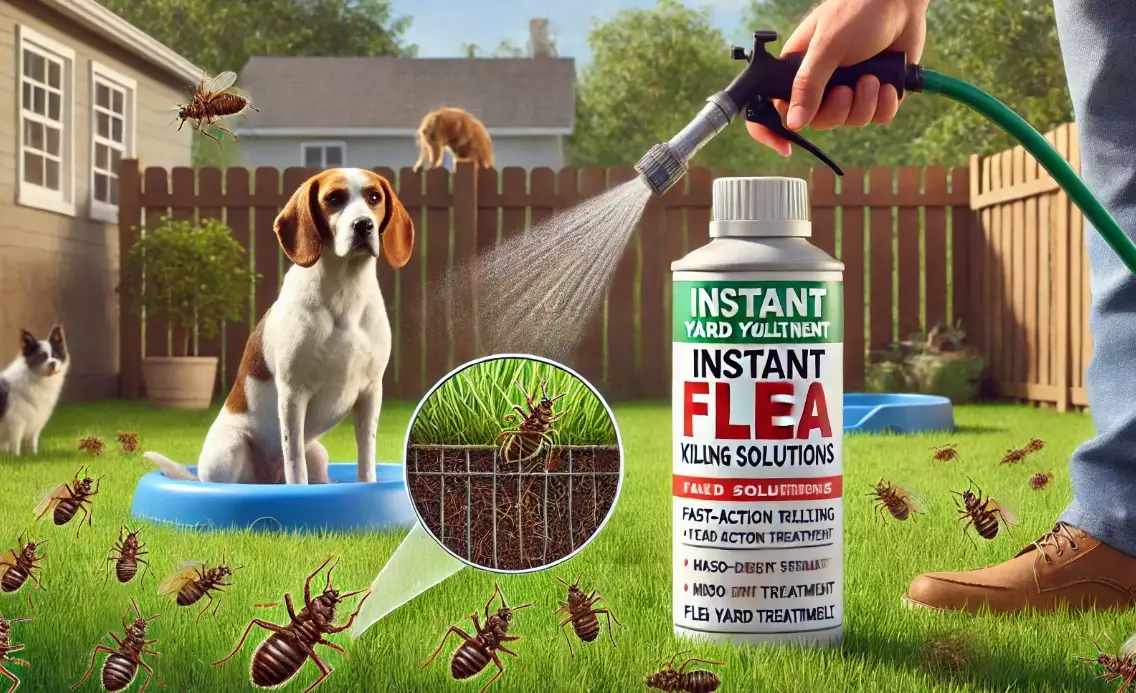
Environmental Maintenance: Vacuum high-traffic pet areas at least once a week. Keep your yard trimmed and clear of debris where wildlife (raccoons, opossums, stray cats) that carry fleas might hide.
Wildlife Deterrence: Don't feed stray animals near your home. Secure trash cans. These animals are often rolling flea circuses and can drop eggs and dirt in your yard.
Your Flea Dirt Questions, Answered
 How do I tell the difference between flea dirt and just plain old dirt my dog rolled in?
Finding flea dirt can feel defeating, but it's actually your best clue. It turns an invisible enemy into a visible one. Use it as your guide. Let it show you where to clean, and let its disappearance confirm your strategy is working. Stay consistent, cover all fronts—pet, home, and yard—and you'll move from reacting to flea dirt to preventing it altogether.
Related Articles