Hot Spots on Dogs: The Complete Guide to Treatment and Prevention
You’re petting your dog and your fingers find it—a wet, raw, angry-looking patch of skin that wasn’t there yesterday. Your dog has been obsessively licking one spot. That’s a hot spot. Medically known as acute moist dermatitis, it’s a surface skin infection that explodes overnight. It’s painful, itchy, and can spread fast if not handled right. This guide walks you through exactly what to do, from immediate first aid to long-term prevention, based on years of dealing with these frustrating sores.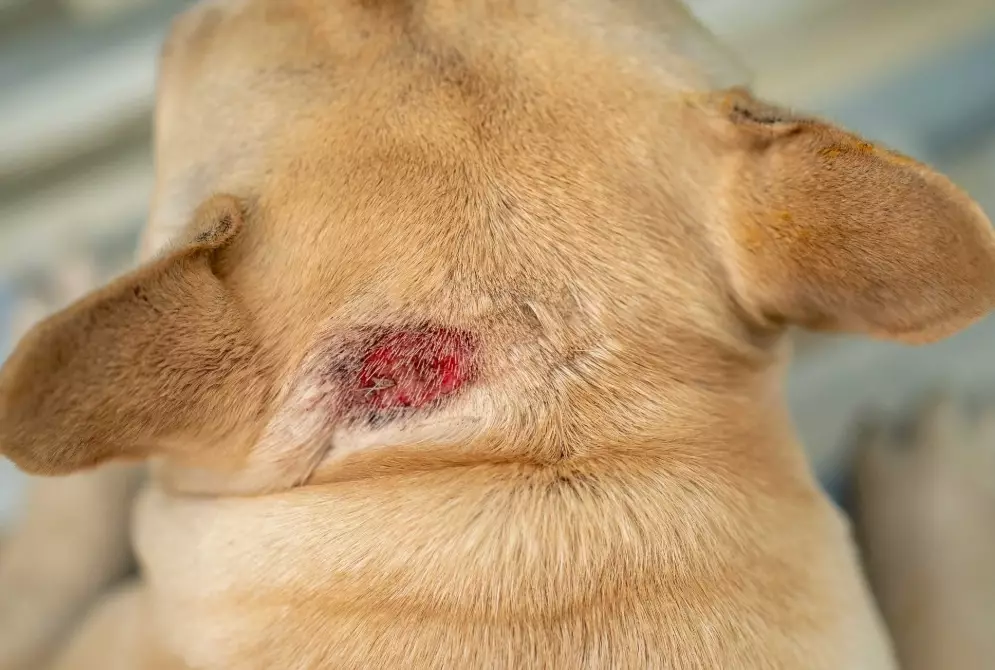
What You'll Find in This Guide
What Exactly Are Hot Spots on Dogs? (The Science Bit)
Think of a hot spot as a bacterial party on your dog’s skin that got out of control. It starts with a minor itch—maybe a flea bite or a tiny scrape. The dog licks or chews the spot. That moisture and trauma damage the skin's surface barrier. Normal bacteria that live on the skin (usually Staphylococcus pseudintermedius) seize the opportunity, multiply rapidly, and create a localized infection. The body’s inflammatory response kicks in, causing redness, oozing, and intense itching, which makes the dog chew more. It’s a vicious “itch-lick” cycle.
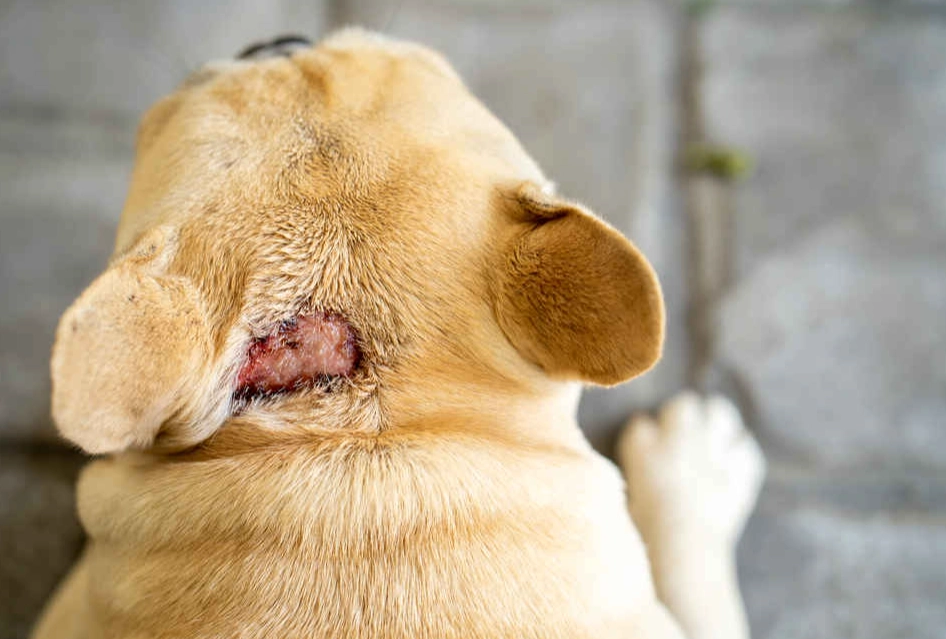
They’re called “acute” and “moist” for a reason. They develop with alarming speed, often in just a few hours. The area is always damp from oozing serum or pus and from the dog’s saliva. Common locations are the cheek, neck, hip, and base of the tail—places easily reached by paws or mouth.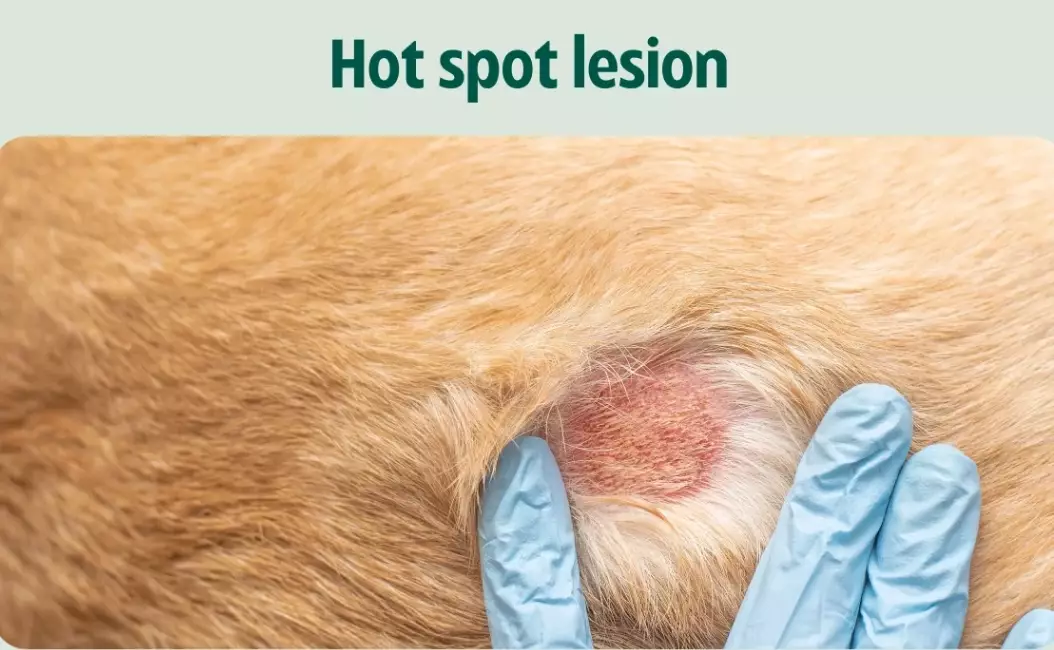
The 4 Main Culprits: What Causes Hot Spots on Dogs?
The hot spot itself is the infection, but something had to start the itch. Treating the hot spot without finding the trigger is like mopping the floor with the tap still running. Here are the big four offenders, ranked by how often I see them in practice.
1. Allergies (The King of Itch)
This is the number one driver. Environmental allergies (atopy) to pollen, mold, or dust mites, or food allergies to proteins like chicken or beef, cause generalized itching. The dog finds one particularly itchy area and creates a hot spot there. If your dog gets hot spots seasonally (spring/fall), think environmental allergies. If it’s year-round, food or indoor allergens are suspects.
2. Flea Allergy Dermatitis
Just one flea bite can trigger a massive allergic reaction in a sensitive dog. The intense itch focused around the lower back, tail base, and thighs is a prime hot spot starter. Many owners swear they “never see fleas,” but fleas are experts at hiding. You need rigorous, year-round prevention.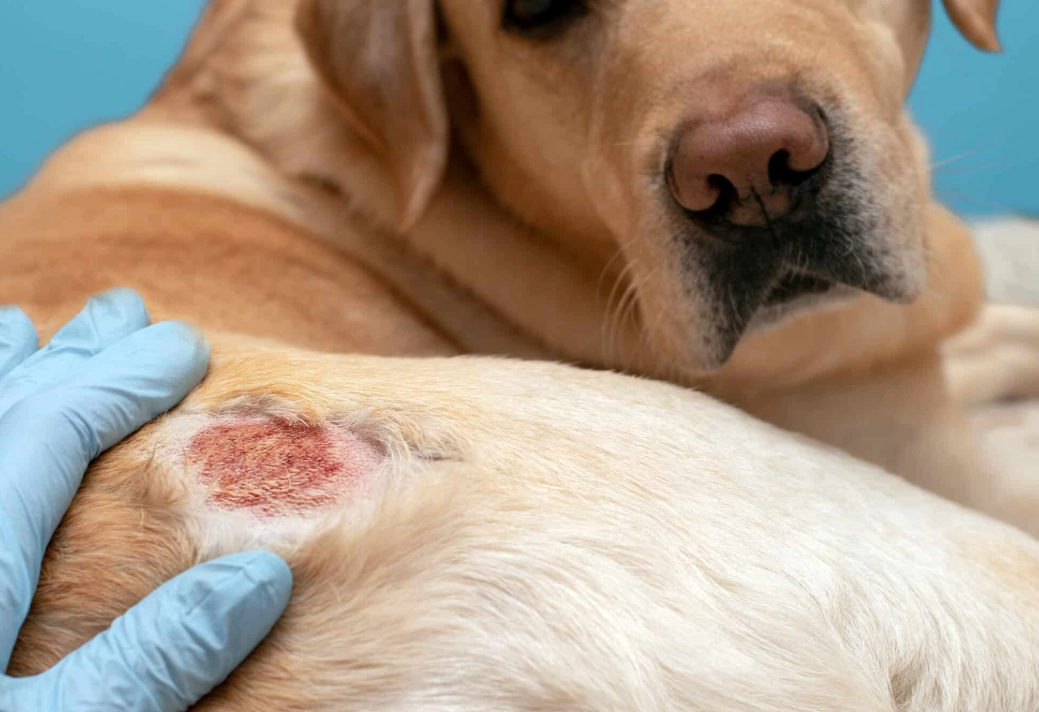
3. Moisture Trapped Against the Skin
Swimming, bathing, or even heavy rain without proper drying is a major risk. This is especially true for thick-coated breeds like Golden Retrievers, Newfoundlands, or Bernese Mountain Dogs. Damp undercoats are a perfect breeding ground for bacteria. A simple mat of hair can trap moisture and irritate the skin underneath, leading to chewing.
4. Underlying Pain or Boredom
This one is often missed. A dog with arthritis in its hip might lick that area constantly. A dog suffering from anal gland issues will lick its rear. Boredom or anxiety can also manifest as compulsive licking of a paw or leg, which then breaks down the skin. It’s a behavioral or pain-related origin that turns into a medical problem.
Step-by-Step: How to Treat a Hot Spot on Your Dog at Home
If you catch a hot spot very early—small, not deeply infected, and your dog isn’t in extreme distress—you can try managed home care. This is for minor cases only. If in doubt, skip to the vet section.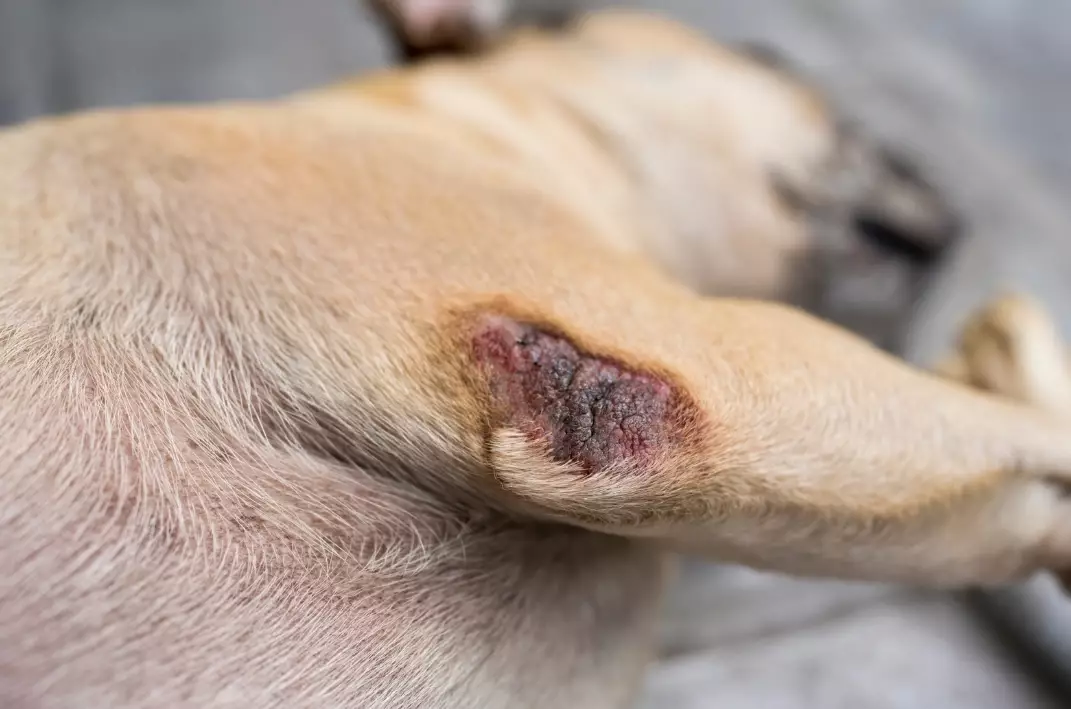
Step 1: Safe Trimming and Exposure
You need to see what you’re dealing with and let air reach the skin. Use blunt-tipped scissors or clippers. Have someone gently hold your dog. Carefully trim the hair around the sore, extending about an inch beyond the red area. This removes hair matted with discharge and prevents further contamination. Throw the trimmed hair away.
Step 2: Gentle Cleaning and Disinfection
Flush the area with a mild, dog-safe antiseptic solution. I recommend diluted chlorhexidine solution (you can find this at pet stores or pharmacies). Mix it as directed (usually a 1:40 dilution with water). Use a soft cloth or cotton ball to gently wipe away any crust or discharge. Don’t scrub. You can also use a sterile saline wash. The goal is to clean, not irritate further.
Step 3: Drying and Soothing Application
Pat the area completely dry with a clean paper towel. Moisture is the enemy. Then, apply a thin layer of a soothing, antibacterial topical. Look for products containing ingredients like:
- Hydrocortisone (1%): For mild itch and inflammation relief.
- Aloe Vera or Oatmeal: Natural soothers.
- Microbial agents: Like ketoconazole or chlorhexidine in a leave-on spray or cream.
A product like Vetericyn Plus Hydrogel is a good over-the-counter option. Avoid human antibiotic ointments like Neosporin unless your vet says it’s okay—some dogs lick them and get an upset stomach.
Step 4: The Most Critical Step – Break the Cycle
Your dog will try to lick it. You must prevent this. An Elizabethan collar (the “cone of shame”) is the most reliable tool. Yes, they hate it. Use it anyway. There are also softer inflatable collars or recovery suits that cover the body. This step is non-negotiable for healing.
Repeat the cleaning and application 2-3 times daily. You should see noticeable improvement (drying, less redness, reduced licking attempts) within 24-48 hours. If it’s getting worse, or no better, it’s vet time.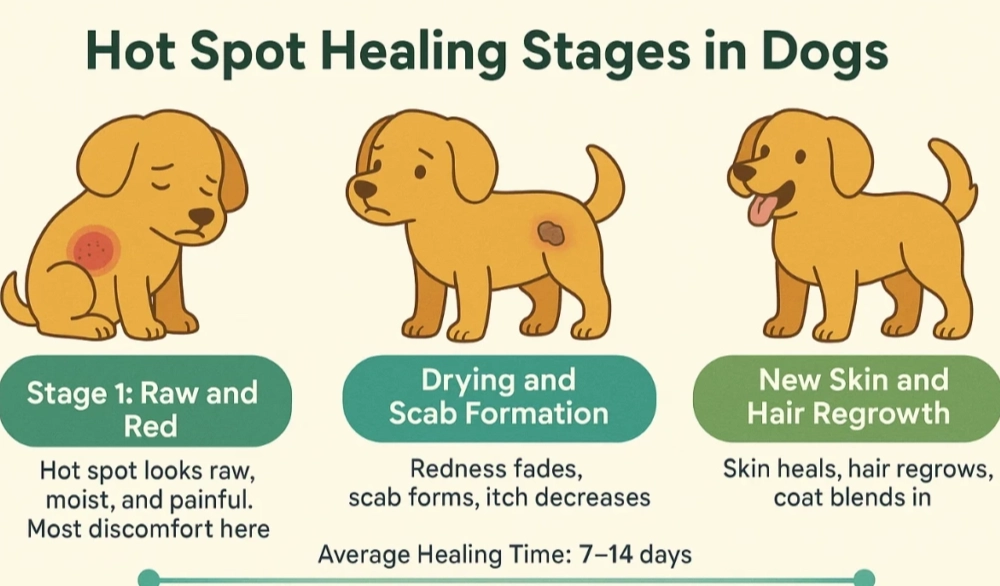
When to See the Vet: Warning Signs You Can't Ignore
Most hot spots need professional help. Here’s when to book the appointment immediately:
| Scenario | Why It's Serious | Likely Vet Treatment |
|---|---|---|
| The spot is large (bigger than a quarter) | Indicates rapid spread; home care is insufficient. | Oral antibiotics, stronger anti-inflammatory meds, professional clipping/cleaning. |
| Your dog seems in pain, lethargic, or loses appetite | The infection may be systemic or causing significant discomfort. | Pain management, injectable medications, full examination. |
| There's pus, a foul smell, or the skin looks very dark | Signs of a deep or necrotic infection. | Possibly sedation for wound debridement, culture to identify resistant bacteria. |
| No improvement after 48 hours of diligent home care | The infection is too established or the underlying cause isn't addressed. | Diagnostic work to find root cause (allergy test, skin scrape), prescription-strength topicals. |
| Your dog is a chronic hot spot sufferer | You need a long-term management plan, not just a one-off fix. | Allergy immunotherapy (shots or drops), prescription diets, cytopoint or apoquel for itch control. |
The standard veterinary treatment often involves clipping and cleaning the area, a course of oral antibiotics (like cephalexin) for 2-3 weeks, and a short course of oral steroids (like prednisone) to smash the inflammation and itch cycle fast. They might send you home with a medicated wipe or spray. The American Veterinary Medical Association notes that prompt treatment is key to preventing a simple hot spot from becoming a deeper, more serious pyoderma.
How to Prevent Hot Spots from Coming Back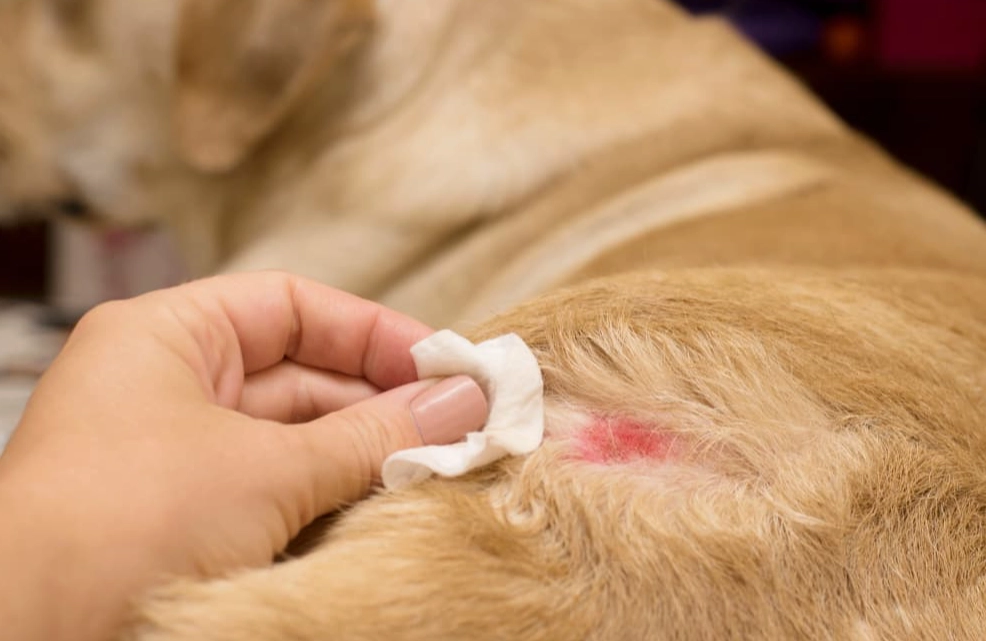
This is where you win the war. If your dog has had one hot spot, they’re prone to another. Prevention targets the causes we discussed.
Grooming is Your First Defense. Regular brushing, especially for double-coated breeds, prevents mats and distributes natural oils. After swimming or a bath, dry your dog thoroughly. A high-velocity pet dryer is a great investment if your dog swims often or has a thick coat.
Flea Control. Every Month. No Exceptions. Use a veterinarian-recommended product like Frontline, NexGard, or Simparica. Consistency is everything.
Investigate Allergies. If hot spots are recurrent, talk to your vet about allergy testing or a strict food elimination trial. Management might include:
- Omega-3 Fatty Acids: High-quality fish oil (EPA/DHA) can reduce inflammatory skin response. A typical dose is about 20-30mg of combined EPA/DHA per pound of body weight daily.
- Hypoallergenic or Hydrolyzed Protein Diets: For food-triggered cases.
- Prescription Itch Medications: Drugs like Apoquel or Cytopoint can be game-changers for allergic dogs by blocking the itch signal.
Mental and Physical Enrichment. For bored or anxious chewers, increase exercise, use puzzle toys, and consider training or doggy daycare. A tired dog is less likely to be a destructive licker.
Your Hot Spot Questions, Answered
 Are some dog breeds more prone to hot spots?
Hot spots are a frantic, messy problem, but they’re manageable. The formula is straightforward: stop the current infection (often with vet help), protect the area from your dog’s tongue, and then do the detective work to find out why it started. Addressing that root cause—whether it’s a flea, a pollen, a mat of hair, or a bored mind—is what finally gives your dog (and you) lasting relief.
Related Articles