Parvo Symptoms in Dogs: What to Look For and What to Do
Let's talk about canine parvovirus. If you're reading this, you might be worried your dog has it, or you've heard the name and want to be prepared. I've seen this disease up close in clinics, and it's as brutal as they say. But knowing what to look for can literally save your dog's life. The early signs of parvo are sneaky—they often look like a simple upset stomach. That's why so many owners wait too long. By the time the classic symptom of bloody diarrhea shows up, the virus has already done significant damage to the gut and the immune system. This guide will walk you through exactly what parvovirus symptoms look like, stage by stage, and tell you the one thing you must do if you suspect it.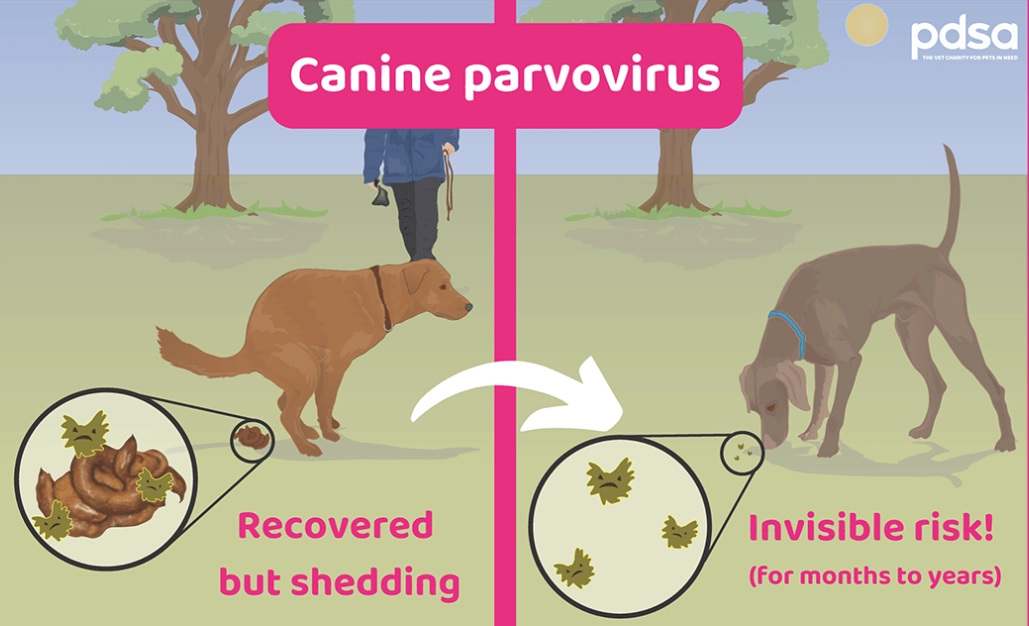
What You'll Learn in This Guide
How to Recognize Parvo Symptoms in Dogs
The tricky part about parvovirus is that the first day or two, your dog might just seem "off." They're less playful, maybe don't finish their food. It's easy to dismiss. But parvo moves fast. Within 48 hours of exposure, the virus is attacking rapidly dividing cells—primarily in the intestines, bone marrow, and lymph nodes. This attack is what creates the specific set of symptoms.
Here’s the core list of canine parvovirus symptoms you need to memorize:
Lethargy and Depression: This isn't just normal tiredness. Your dog will seem utterly drained, unwilling to move, and may not even lift their head to greet you. Their eyes might look dull.
Loss of Appetite (Anorexia): They will refuse all food and often water. This is a major red flag when combined with lethargy.
Fever: A high fever (often over 103°F or 39.4°C) is common in the initial stage, though body temperature can later drop to subnormal levels as shock sets in.
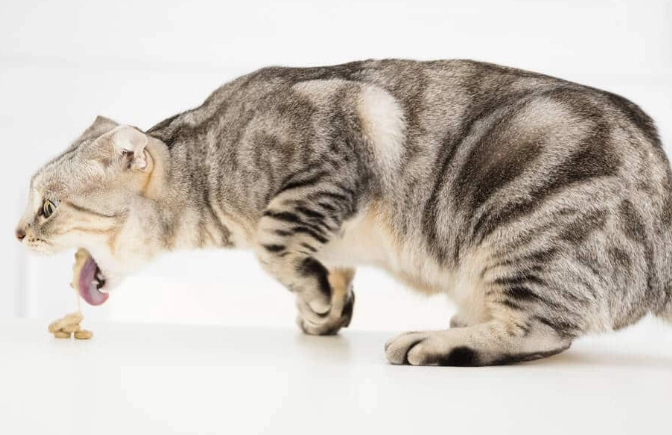
Vomiting: The vomiting is frequent, persistent, and often appears frothy or yellow (bile). It's not just a one-time thing.
Severe, Bloody Diarrhea: This is the hallmark symptom. The diarrhea has a very distinct, foul odor that many vets and experienced owners describe as metallic or sickly-sweet. It's often liquid and contains bright red or dark, tarry blood. The blood is from the severe intestinal lining damage.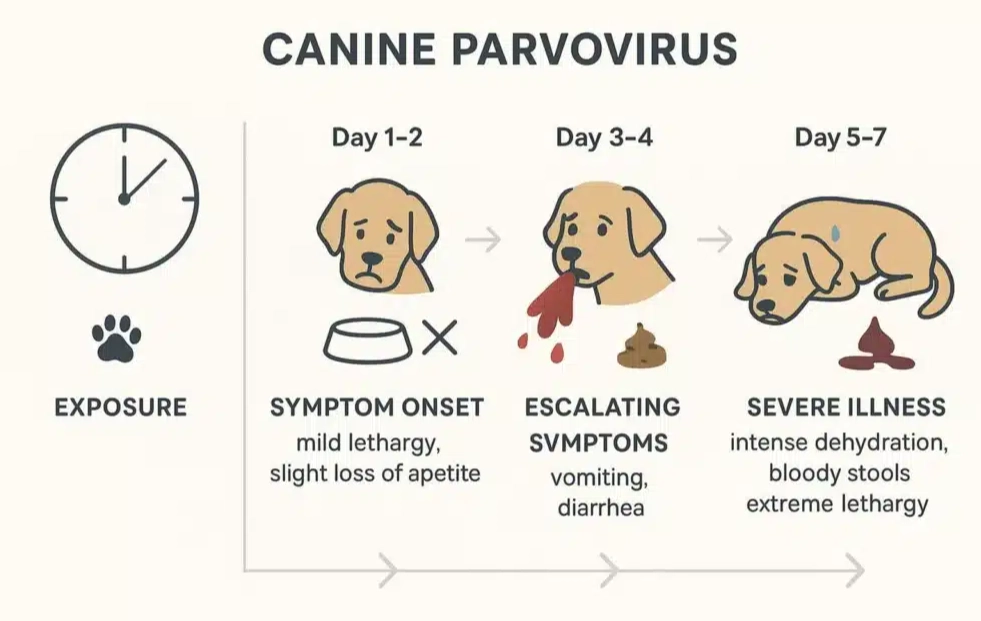
The Three Stages of a Parvo Infection
Understanding the progression helps you grasp the urgency. Think of it in three phases.
| Stage | Timeline (Post-Exposure) | Key Symptoms & What's Happening Inside |
|---|---|---|
| Early Stage | Days 3-5 | Lethargy, loss of appetite, fever. The virus is replicating massively in the lymph nodes. The dog feels awful but may not show gut signs yet. |
| Acute Gastrointestinal Stage | Days 5-7 | Severe vomiting and profuse, bloody diarrhea begin. This is when severe dehydration, electrolyte imbalances, and protein loss occur. The bone marrow is attacked, wiping out white blood cells and leaving the dog defenseless against secondary bacterial infections. |
| Critical/Recovery Stage | Days 7+ | Without treatment, most dogs die from dehydration, shock, or sepsis. With aggressive veterinary care, this is the long, slow climb to recovery, managing complications like sepsis, intestinal intussusception, or prolonged weakness. |
I once saw a 5-month-old Labrador mix whose owner thought he'd just eaten something greasy. He was quiet for a day, threw up twice. By the time they brought him in on day three, he was already severely dehydrated, and his white blood cell count was almost zero. We caught it, but it was a week-long hospital stay. That first day of quiet? That was the early stage.
Is It Parvo or Something Else?
This is where owners get confused. Many illnesses cause vomiting and diarrhea. Here’s how to start differentiating.
Dietary Indiscretion (Eating Garbage): Usually a one-off event. The dog often still has energy, might be interested in food, and symptoms resolve quickly with a bland diet. Parvo symptoms are progressive and severe.
Intestinal Parasites (like Worms): Can cause diarrhea, sometimes with blood. However, lethargy and fever are less pronounced, and vomiting is not usually the dominant feature. A fecal test at the vet can rule this out.
Hemorrhagic Gastroenteritis (HGE): This also causes sudden, bloody diarrhea and vomiting. It can look identical to parvo. The critical difference? HGE typically occurs in adult, small-breed dogs and causes an extremely high packed cell volume (PCV) due to dehydration. Parvo is most common in puppies. Only a veterinarian can tell the difference using a parvo antigen test and blood work.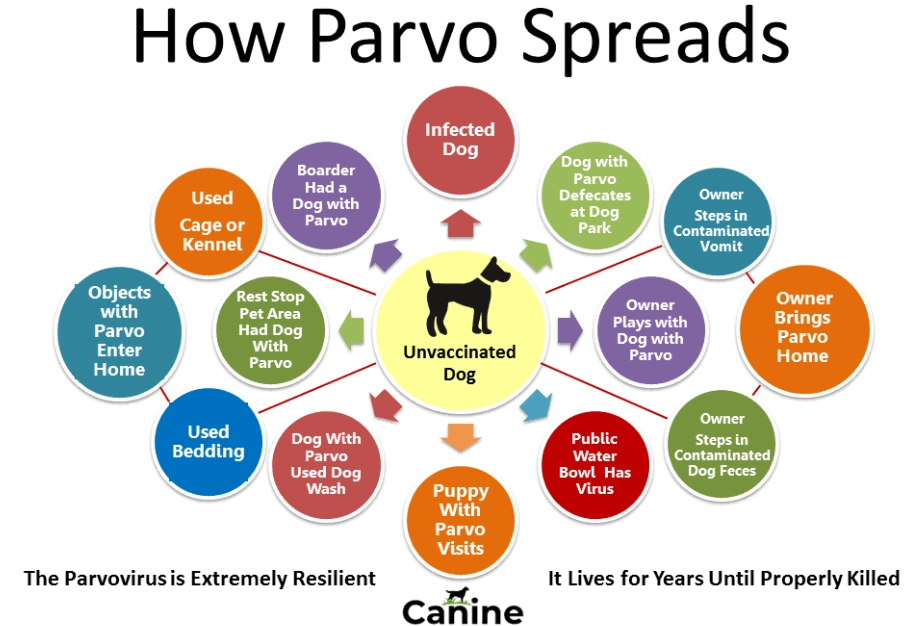
What to Do If You See Parvo Symptoms
Action is everything. Here is your step-by-step plan.
1. Isolate Your Dog Immediately. Parvovirus is incredibly contagious through feces. If you have other dogs, especially unvaccinated ones, keep the sick dog in one easy-to-clean area (like a bathroom). Do not let them into the yard or common areas.
2. Call Your Veterinarian or Emergency Clinic. Describe the symptoms clearly: "My [puppy/adult dog] is lethargic, not eating, has vomited [number] times, and has diarrhea with blood." They will likely tell you to come in right away.
3. Do NOT Try Home Remedies. A common and dangerous mistake is to try to give Pepto-Bismol, anti-diarrheal meds, or force water. With parvo, the gut is so damaged that anything given by mouth can make vomiting worse and delay getting real treatment. The dog needs intravenous fluids and medications.
4. Transport Safely. Bring your dog in a crate or on a blanket you can wash. Expect them to be hospitalized. Treatment isn't a simple shot; it involves days of IV fluids, antibiotics, anti-nausea drugs, and sometimes plasma transfusions. The American Veterinary Medical Association (AVMA) notes that with prompt, proper veterinary care, survival rates can exceed 90%. Without it, they are less than 10%.
5. Clean Like Your Life Depends On It. While your dog is at the vet, clean every surface they touched with a bleach solution (1 part bleach to 30 parts water). The virus can survive in the environment for months to years. Wash all bedding, toys, and bowls in hot water and bleach.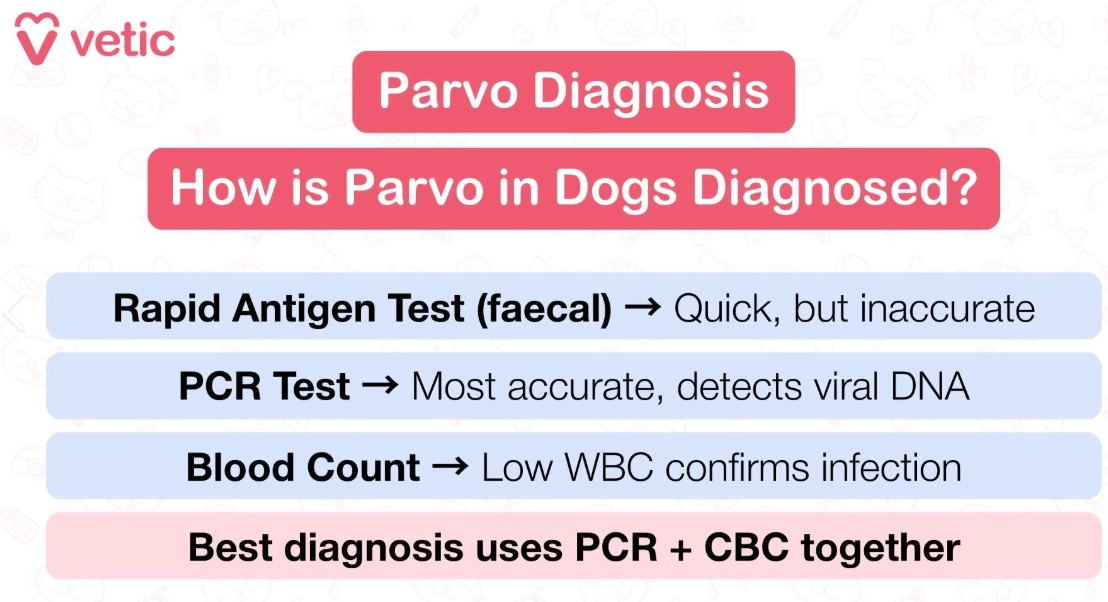
Your Parvo Questions Answered
 I saw blood in my dog's stool but no other symptoms. Is it parvo?
The bottom line is this: canine parvovirus is a formidable enemy, but it's not a mystery. The symptoms follow a predictable, severe pattern. Your job as an owner is to recognize the early signs—that profound lethargy and refusal to eat—and connect them to the possibility of parvo, especially in a puppy or unvaccinated dog. Don't downplay it. When in doubt, pick up the phone and call your vet. That call could be the decision that saves your dog's life.
Related Articles