Shih-Poo Guide: Shih Tzu Poodle Mix Breed Facts & Care
If you're searching for "dog breed shih tzu poodle," chances are you've fallen for the adorable, fluffy charm of the Shih-Poo. This hybrid, a cross between a Shih Tzu and a Toy or Miniature Poodle, has skyrocketed in popularity for good reason. But is the hype real, or is this just another designer dog trend? After years of working with small breeds and seeing countless Shih-Poos come through training classes and vet clinics, I can tell you the reality is more nuanced than the perfect Instagram photos suggest. They can be wonderful companions, but they come with a specific set of needs that many first-time owners aren't prepared for. Let's cut through the fluff and get into what living with a Shih Tzu Poodle mix is really like.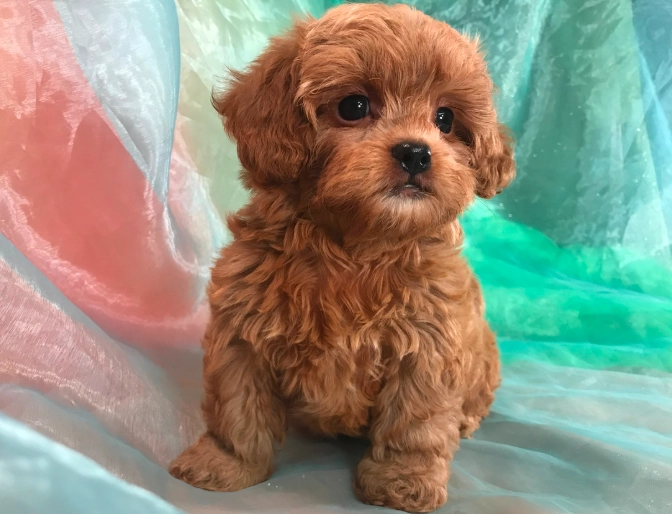
In This Article:
Shih-Poo at a Glance
Before we dive deep, here's a snapshot of what defines this popular hybrid. Remember, as a crossbreed, individual dogs can lean more toward one parent breed.
| Trait | Details |
|---|---|
| Other Names | Shih Tzu Poo, Shih Tzu-Poodle Mix, Pooshi |
| Size | Toy to Small; typically 8-18 lbs (3.5-8 kg) |
| Height | 8-13 inches (20-33 cm) at the shoulder |
| Coat Type | Variable: Wavy to curly, low to non-shedding |
| Energy Level | Moderate. Playful bursts followed by long naps. |
| Good with Families | Generally excellent, but best with gentle, older children. |
| Lifespan | 12-16 years on average |
Origin and History of the Shih-Poo
The Shih-Poo is a true product of the late 20th/early 21st century designer dog boom. Breeders aimed to combine the loyal, affectionate nature of the ancient Shih Tzu (a breed with roots in Tibetan and Chinese palaces) with the intelligence and famously hypoallergenic coat of the Poodle. There's no formal breed club or standard, which means consistency is a major issue. Reputable breeders focus on health and temperament, while puppy mills churn them out for profit, often ignoring genetic testing. This disparity is the single biggest factor in whether you get a healthy, well-adjusted pet or a dog with a host of problems.
Looks and Size: The Lottery of Genetics
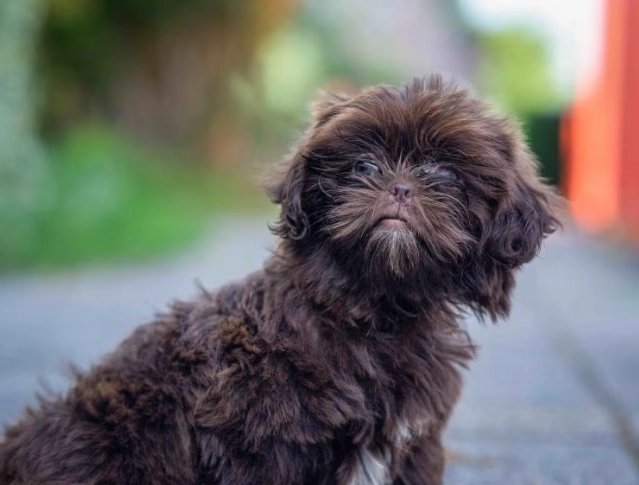
Predicting a Shih-Poo's adult appearance is guesswork. I've seen littermates that look completely different. One might have the short muzzle and long, silky hair of a Shih Tzu, while another has the longer snout and tight curls of a Poodle. Most fall somewhere in between: a soft, wavy or loosely curly coat that keeps growing.
Size depends heavily on the Poodle parent. A cross with a Toy Poodle results in a smaller dog (usually under 10 lbs), while a Miniature Poodle mix will be sturdier (10-18 lbs). Always ask the breeder about the size of both parents—not just the dam.
The coat color can be anything: black, white, brown, apricot, gold, or a multi-colored mix. Grooming is non-negotiable. That cute, fluffy coat mats incredibly easily, especially behind the ears and under the legs. A matted coat isn't just ugly; it's painful, pulls on the skin, and can harbor moisture and bacteria.
Personality and Temperament
This is where the Shih-Poo often shines. They are typically affectionate, playful, and thrive on human companionship. They form incredibly strong bonds with their people and want to be involved in everything you do—often literally underfoot.
A common misconception: People assume because they're small and cute, they're naturally calm lap dogs. Many have a surprising amount of spunk and need daily mental and physical engagement. A bored Shih-Poo will find its own entertainment, usually involving your shoes or couch cushions.
They can be great with other pets if socialized early. Their temperament towards strangers varies. Some inherit the Shih Tzu's friendly "everyone is my friend" attitude, while others take on the Poodle's more observant, initially reserved nature. Early and positive exposure to different people, sounds, and environments is critical between 8 and 16 weeks of age. Miss this window, and you risk a nervous or yappy adult dog.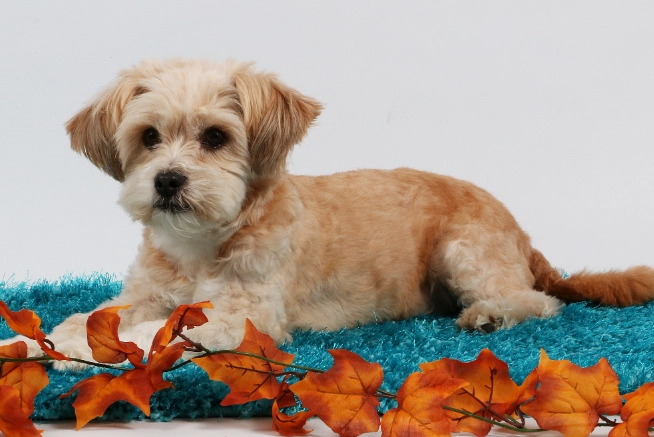
How to Care for Your Shih-Poo
Caring for a Shih Tzu Poodle mix isn't overly complex, but it requires consistency in three key areas.
Grooming: Your New Weekly Ritual
Let's be honest: grooming is the make-or-break commitment for a Shih-Poo owner. You cannot skip it.
- Brushing: Every other day, at a minimum. Use a slicker brush and a metal comb. The comb must glide through to the skin to check for mats. Pay special attention to armpits, behind ears, and the belly.
- Bathing: Every 3-4 weeks with a gentle, dog-specific shampoo. Always brush out ALL mats before bathing, as water will tighten them into impossible knots.
- Haircuts: Professional grooming every 4-6 weeks is standard. A popular, practical cut is the "teddy bear" trim, which keeps the hair uniformly short (about 1 inch long) all over. This drastically reduces matting and maintenance.
- Don't Forget: Regular nail trims, ear cleaning (their floppy ears can trap moisture), and dental care. Small breeds are prone to dental disease.
Exercise: Quality Over Quantity
Your Shih-Poo doesn't need miles of running. They do need consistent, daily activity to stay fit and sane.
- Daily Walks: 20-30 minutes, broken into two shorter walks, is perfect.
- Playtime: Indoor fetch, puzzle toys, and short training sessions are excellent for burning mental energy.
- Watch the Weather: Their short muzzle (brachycephaly) from the Shih Tzu side can make them prone to overheating. Avoid intense exercise in hot, humid weather.
Diet: Fueling a Small Frame
Feed a high-quality, age-appropriate dry kibble formulated for small breeds. Small breed kibble is sized right for their tiny mouths and often has a higher calorie density. Measure their food! Obesity is a huge problem in small dogs and puts immense strain on their joints and organs. Treats should make up no more than 10% of their daily calories.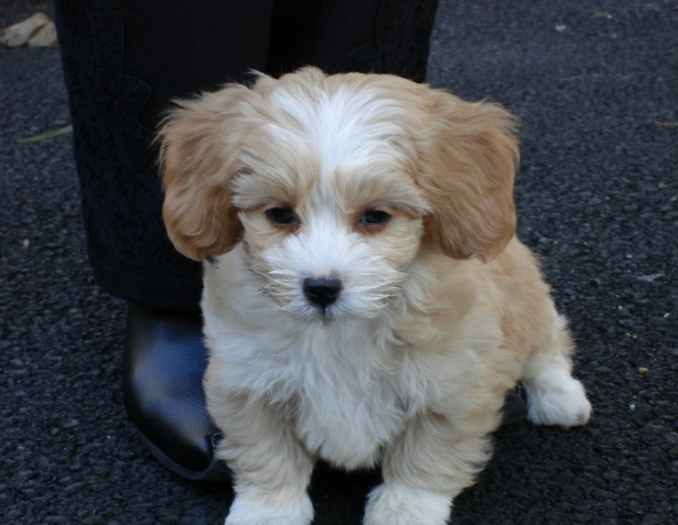
Shih-Poo Health and Lifespan
A well-bred Shih-Poo can be a healthy dog living into its mid-teens. However, they inherit potential health issues from both parent breeds. A responsible breeder will have conducted health screenings on the parent dogs. Ask to see the results.
Common Health Concerns to Be Aware Of:
- Dental Issues: Crowded teeth are common. Daily brushing or dental chews are a must.
- Eye Problems: Progressive Retinal Atrophy (PRA), cataracts, and dry eye (common in Shih Tzus).
- Luxating Patella: A slipping kneecap, very common in small breeds. Signs include skipping or hopping on a rear leg.
- Hip Dysplasia: Less common than in large breeds, but still possible.
- Allergies: Both skin and food allergies can occur.
- Respiratory Issues: Due to potential brachycephaly, some may snore or have breathing difficulties.
Establish a relationship with a good veterinarian and stick to a schedule of annual check-ups and vaccinations.
How to Train Your Shih-Poo
They are smart—sometimes too smart for their own good. Poodle intelligence mixed with Shih Tzu stubbornness means training requires patience and positivity.
The Big Training Mistake I See: Owners treat them like babies instead of dogs. They pick them up when they bark, let them get away with nipping, and don't enforce rules because they're "cute." This creates a tiny tyrant. Set clear, consistent boundaries from day one.
- Use Positive Reinforcement: Treats, praise, and play work wonders. Harsh corrections will shut them down.
- Start Early: Begin with potty training, crate training, and basic commands (sit, stay, come) as soon as you bring your puppy home.
- Socialization is Non-Negotiable: This isn't just about meeting other dogs. It's about exposing them positively to different surfaces, sounds (vacuum, traffic), people wearing hats, children, etc. Puppy kindergarten classes are invaluable.
- Address Barking: They can be vocal. Teach a "quiet" command by rewarding moments of silence. Never reward barking by giving attention.
Is a Shih-Poo Right for You?
Let's break down the pros and cons to help you decide.
The Good:
- Affectionate & Loyal: They are true companion dogs.
- Good for Apartments: Their size and moderate energy suit smaller living spaces.
- Often Hypoallergenic: Great for many (but not all) people with allergies. No dog is 100% hypoallergenic.
- Long Lifespan: With good care, you'll have a friend for many years.
The Challenges:
- High Grooming Needs: Time and financial commitment.
- Prone to Separation Anxiety: They hate being left alone for long periods.
- Can Be Stubborn: Training requires consistency.
- Fragile: Their small size makes them vulnerable to injury from rough play or falls.
- Potential Health Costs: Be prepared for potential vet bills related to inherited conditions.
Best For: Individuals, couples, or families with older children who are home often and have the time/money for consistent grooming and training.
Think Twice If: You travel frequently, have a very busy lifestyle, dislike grooming, or have very young children who might handle a small dog roughly.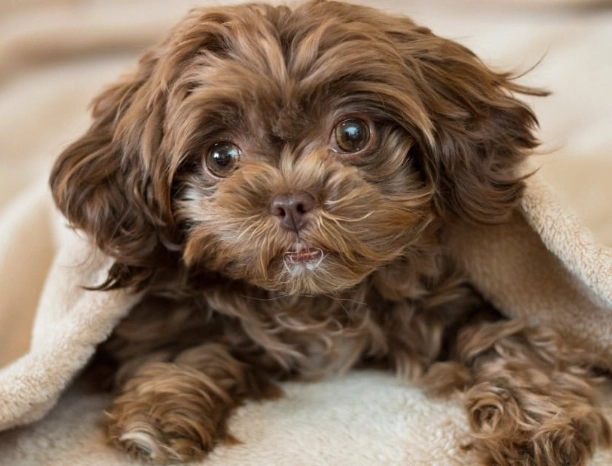
Your Shih-Poo Questions Answered

Related Articles