Oriental Shorthair Cat: Complete Breed Guide, Personality & Care
Let's be honest, the Oriental Shorthair isn't a cat for everyone. If you're looking for a quiet, aloof lap cat that minds its own business, keep scrolling. But if you're drawn to a feline with the personality of a tiny, elegant comedian who demands to be the center of your universe, you might have just found your match. I've lived with one for eight years, and it's been anything but boring. This guide isn't just a list of facts from a breed standard; it's a deep dive into what life is really like with an Oriental Shorthair, covering the joys, the challenges, and the specific care they need to thrive.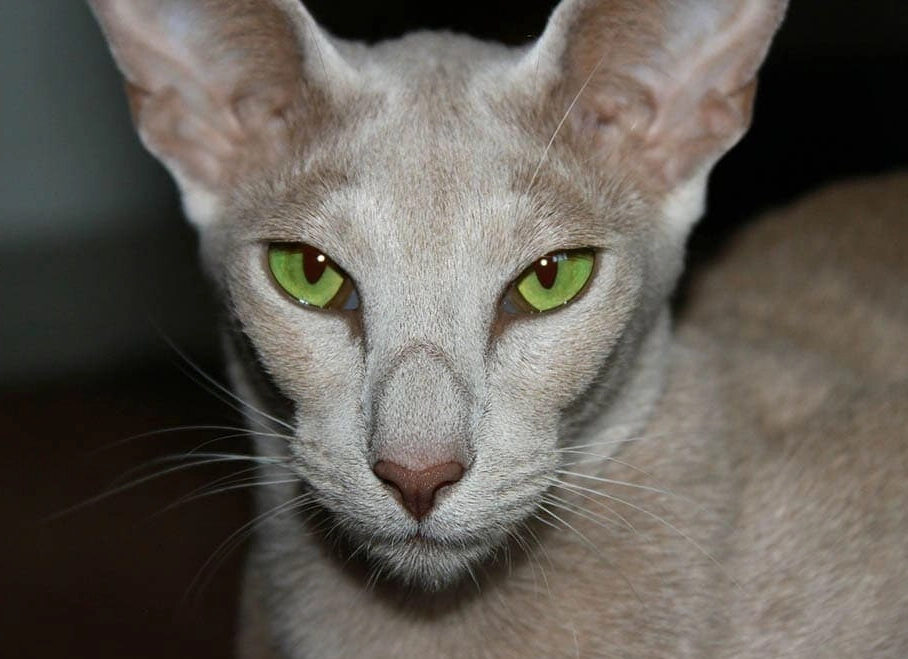
What's Inside This Guide?
What is an Oriental Shorthair Cat?
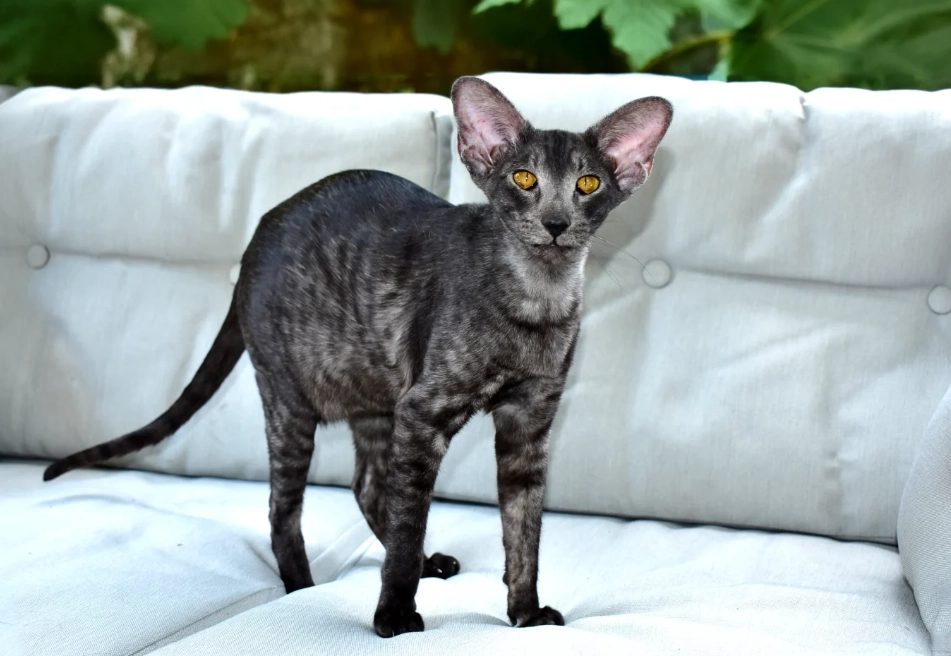
Think of the Oriental Shorthair as the colorful, extroverted cousin of the Siamese. They share the same sleek, muscular body, wedge-shaped head, and large ears, but while Siamese cats have pointed coloration (dark face, paws, and tail), Orientals come in over 300 color and pattern combinations. Solid ebony, shimmering silver tabby, spotted, ticked, you name it. This variety is a result of breeders outcrossing Siamese with other shorthaired cats in the mid-20th century to expand the gene pool and introduce new colors, while retaining the distinctive body type and personality.
Major cat registries like the Cat Fanciers' Association (CFA) and The International Cat Association (TICA) recognize the breed. They are purely a companion breed, bred for their engaging personality and striking looks, not for any specific working function.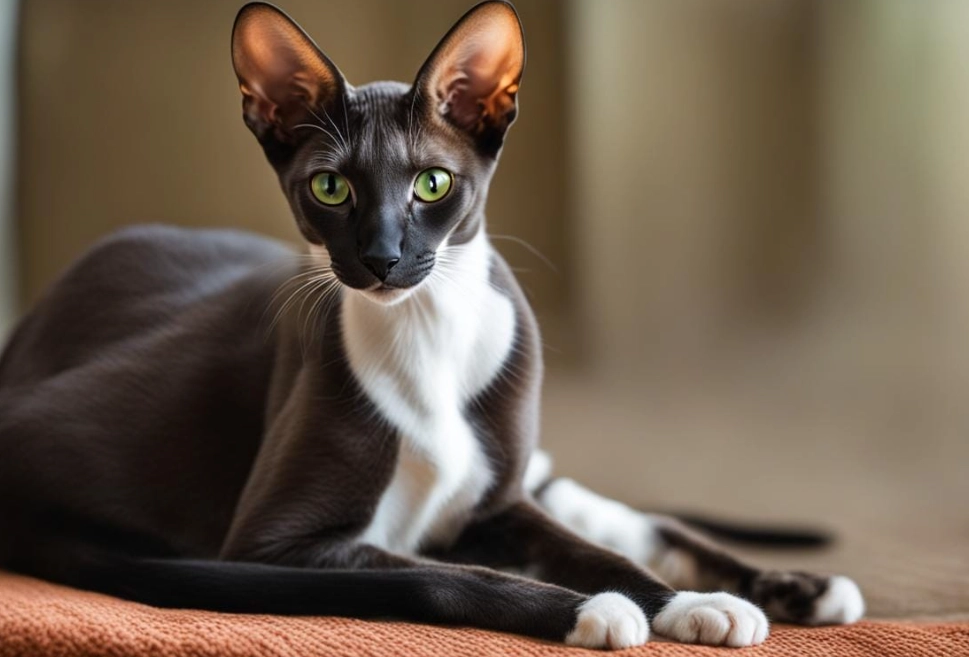
Oriental Shorthair Personality and Temperament
This is where the breed truly shines—and where many unprepared owners get overwhelmed. Forget independent cat stereotypes.
The Canine Companion of the Cat World
Orientals are famously people-oriented. They follow you from room to room, supervise all activities (especially cooking and bathroom visits), and prefer to be involved in everything. Mine has learned to open lever-style door handles. They form incredibly strong bonds and can suffer from separation anxiety if left alone for long periods regularly. A pair of Orientals can often keep each other company, which is a solution many breeders recommend.
Communication is Key (And Non-Stop)
They are vocal. Not just occasional meows, but a wide range of chirps, trills, and loud, conversational yowls. They talk to express happiness, demand food, comment on the weather, or simply because they heard your voice. It's not aggressive; it's social. You will have conversations. If you need absolute quiet, this trait alone might be a deal-breaker.
High Intelligence and Energy
Their brain needs as much exercise as their body. They are quick learners and can be taught tricks like fetch, high-five, or even to walk on a harness. Puzzle feeders are a must to prevent boredom. Without adequate mental and physical stimulation, an Oriental will invent their own entertainment, which usually involves redecorating your shelves or unraveling entire rolls of toilet paper.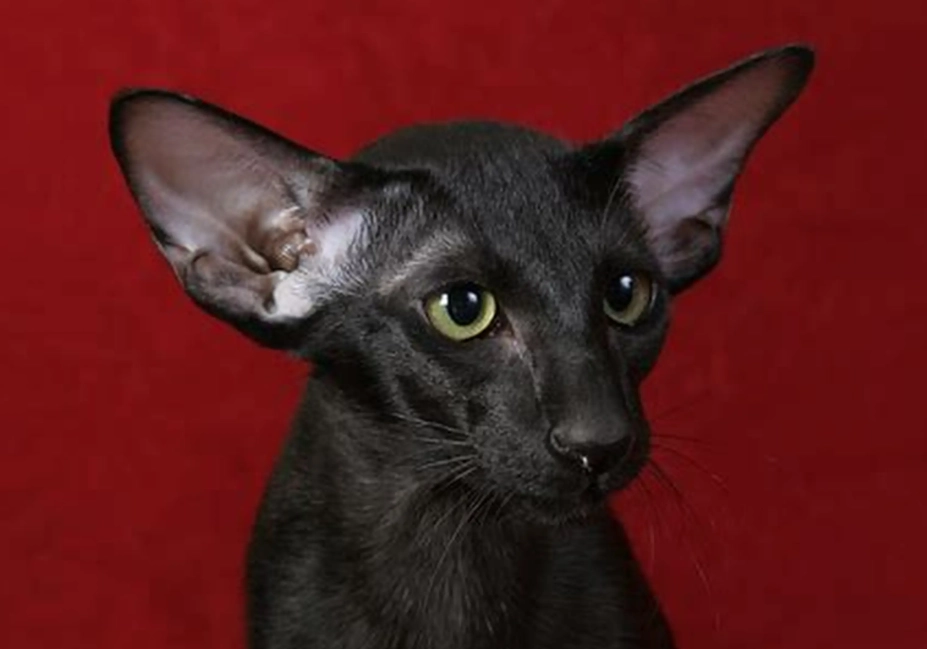
How to Care for Your Oriental Shorthair
Their care is moderately high-maintenance, primarily due to their social and physical needs. Here’s a breakdown of what’s required.
| Aspect of Care | Details & Recommendations |
|---|---|
| Grooming | Easy. Their short, fine coat requires only weekly brushing with a rubber grooming mitt to remove dead hair. They enjoy the attention. Regular nail trimming and ear checks are standard. |
| Diet & Nutrition | They have high metabolisms and can be fussy eaters. Feed high-quality, protein-rich wet and dry food. Measure portions to prevent obesity, especially in neutered/spayed adults. Always provide fresh water; many enjoy cat water fountains. |
| Exercise & Enrichment | Critical. Daily interactive play sessions. Provide tall, sturdy cat trees for climbing, window perches for bird-watching, and a rotation of puzzle toys. Harness training for supervised outdoor exploration can be excellent enrichment. |
| Litter Box | Keep it impeccably clean. They are fastidious and may refuse a dirty box. One box per cat, plus one extra, in quiet, accessible locations. |
| Socialization & Attention | This is daily care. They need consistent companionship and interaction. Not suitable for people who work long hours away from home without a pet sitter or a second cat. |
One area often overlooked is environmental temperature. With their very short fur and lean bodies, they can get cold easily. Provide warm, cozy beds away from drafts, especially in winter. You'll likely find them burrowed under blankets.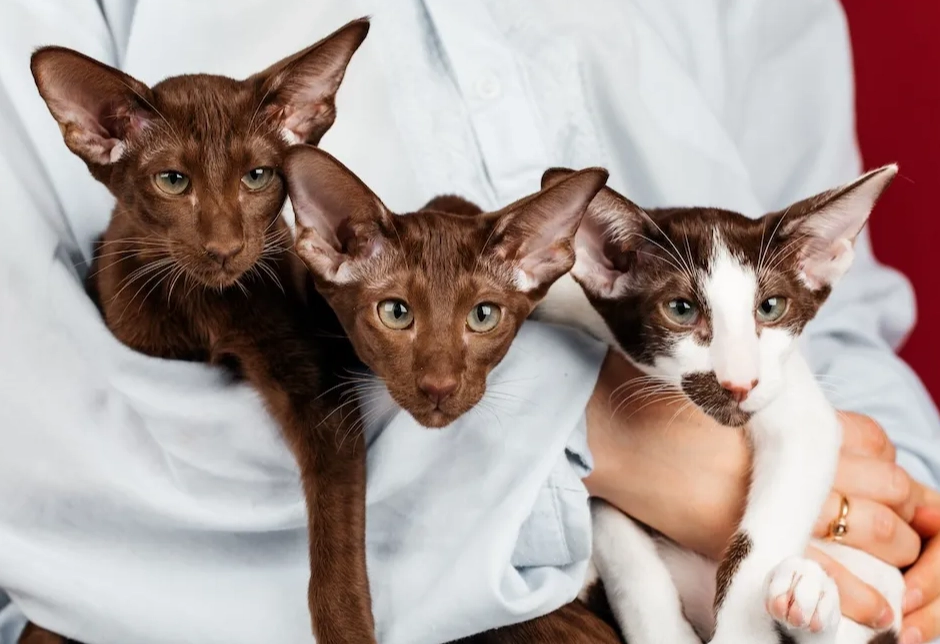
Oriental Shorthair Health and Lifespan
With a typical lifespan of 12-15 years (sometimes longer), Orientals are generally healthy, but they are prone to some genetic conditions shared with their Siamese relatives. Reputable breeders screen for these.
- Progressive Retinal Atrophy (PRA): A genetic disease that causes degeneration of the retina, leading to blindness. A genetic test is available, and responsible breeders test their breeding stock.
- Amyloidosis: A disease where amyloid protein is deposited in organs, particularly the liver in Orientals/Siamese. It's less common than in the past due to selective breeding.
- Dental Issues: They can be prone to gingivitis and periodontal disease. Establishing a teeth-brushing routine early or using dental treats/water additives is wise.
- Cardiac Conditions: Some lines may have a higher incidence of heart murmurs or conditions like hypertrophic cardiomyopathy (HCM). Ask your breeder if their lines have been screened for HCM.
The single most important thing you can do for their health is to get them from a responsible breeder who provides health clearances for the parents, or adopt from a rescue that fully vets their cats. Annual vet check-ups are non-negotiable for catching any issues early.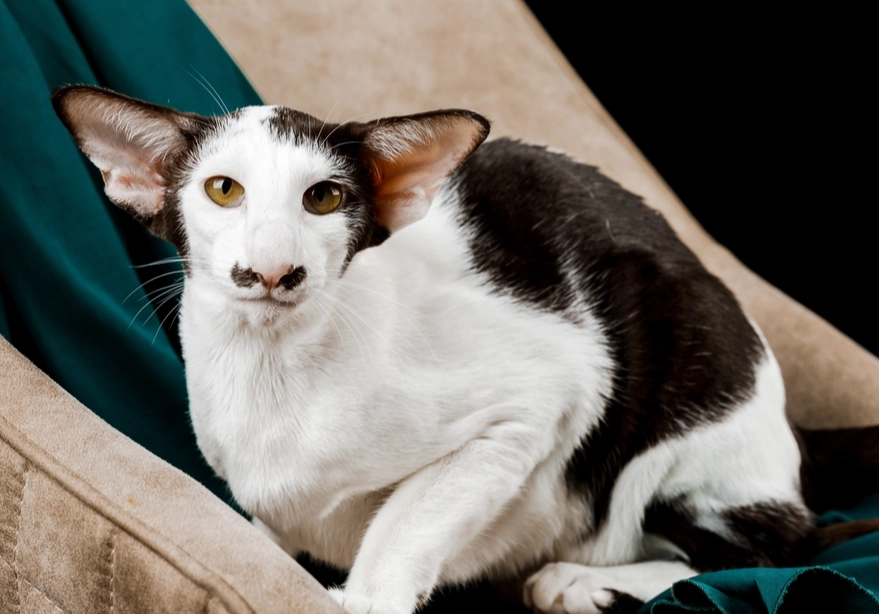
Is an Oriental Shorthair Cat Right for You?
Let's make a quick checklist. An Oriental Shorthair could be a great fit if:
- You want a shadow, a constant companion.
- You enjoy an interactive, talkative pet and don't mind the chatter.
- You have time for daily play and mental engagement.
- Your home is reasonably active, not perpetually silent.
- You are prepared for a 15+ year commitment to a sensitive animal.
You should probably consider a different breed if:
- You value peace and quiet above all else.
- You are away from home for 8+ hours most days.
- You prefer a low-energy, independent cat that entertains itself.
- You aren't prepared for potential vet bills associated with a purebred cat (pet insurance is highly recommended).
Adopting an adult Oriental from a breed-specific rescue (like Siamese Rescue groups, which often take in Orientals) can be a fantastic option. You get a known personality, and you give a cat a second chance.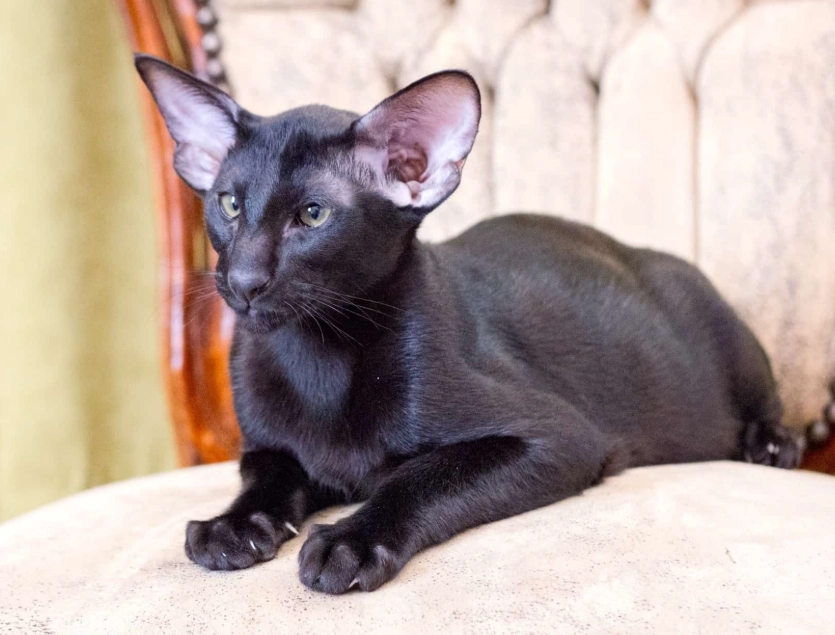
Your Oriental Shorthair Questions Answered
My Oriental Shorthair is extremely vocal. Is this normal and how can I manage it?
It's completely normal—it's how they communicate. Managing it means engaging with it, not punishing it. First, rule out any medical issue with a vet. If it's behavioral, often the yowling is a demand for attention or food. Ignore the demand meows (truly, no eye contact, no talking), but reward quiet behavior with attention and treats. Ensure their physical and mental needs are met; a bored Oriental is a loud Oriental. Sometimes, they just want to chat. Acknowledging them with a "I hear you" can sometimes satisfy the need to communicate.
 Are Oriental Shorthairs good with children and other pets?
Generally, yes, but with crucial caveats. They are social and can thrive in busy households with respectful, older children who understand how to handle a slender cat gently. They often do well with cat-friendly dogs and other cats, especially if raised together. The introduction must be slow and controlled. Their high energy can be too much for very shy or senior pets. The key is supervision and providing the Oriental with its own high-up retreat spaces.
What's the biggest mistake new Oriental Shorthair owners make?
Treating them like a typical cat. The mistake is assuming they'll be content with just food, water, and a litter box. The biggest issue I see is under-stimulation leading to behavioral problems like destructive chewing, obsessive grooming, or excessive, neurotic vocalization. They are not décor. They are a project, a hobby, a family member who requires an investment of time and interactive energy every single day. If you can't provide that, the cat will be unhappy, and you'll be frustrated.
Related Articles