Pomsky Guide: Costs, Breeders, Care & What to Know
Let's be honest. You probably saw a picture of a fluffy, blue-eyed dog that looks like a tiny wolf and fell down an internet rabbit hole. That's how most people discover Pomskies. A cross between a Siberian Husky and a Pomeranian, this designer breed promises the striking looks of the former in a more manageable package. Sounds perfect, right? Well, owning a Pomsky is less like having a living stuffed animal and more like adopting a clever, energetic, and often stubborn little tornado. I've been around the dog breeding and training world for over a decade, and I've seen the Pomsky craze from its start. This guide won't just repeat the fluffy marketing. We're going to talk real costs, how to avoid sketchy breeders, daily life with a Pomsky, and the challenges nobody tells you about upfront.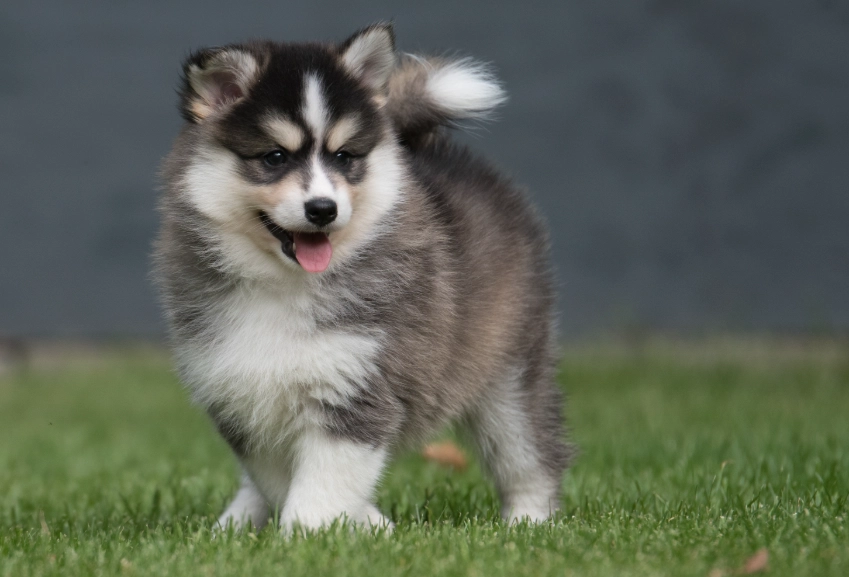
What You'll Find in This Guide
What Exactly Is a Pomsky? (It's Not a Mini Husky)
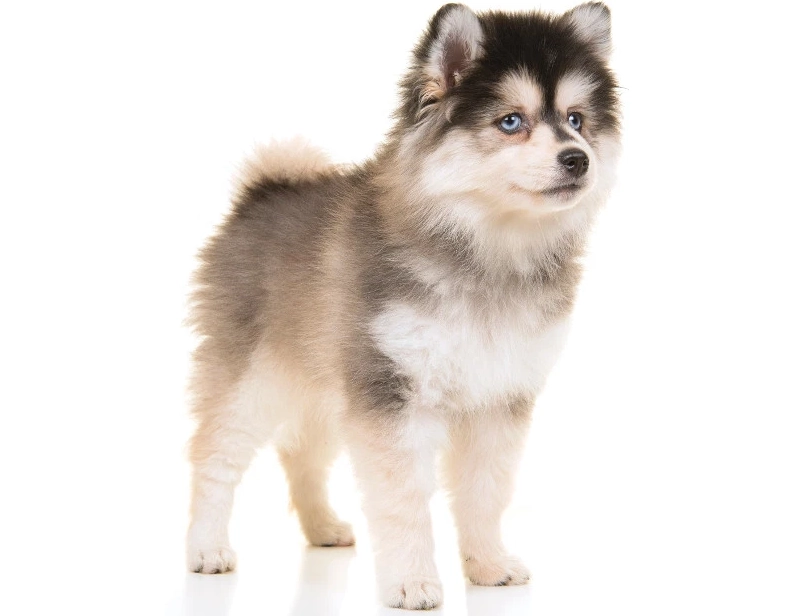
First, a crucial clarification. A Pomsky is a hybrid or crossbreed, not a recognized purebred by major kennel clubs like the AKC. That means you can't predict their size, coat, or temperament with 100% accuracy. Breeders typically use artificial insemination with a male Pomeranian and a female Siberian Husky. The resulting puppies are called F1 Pomskies.
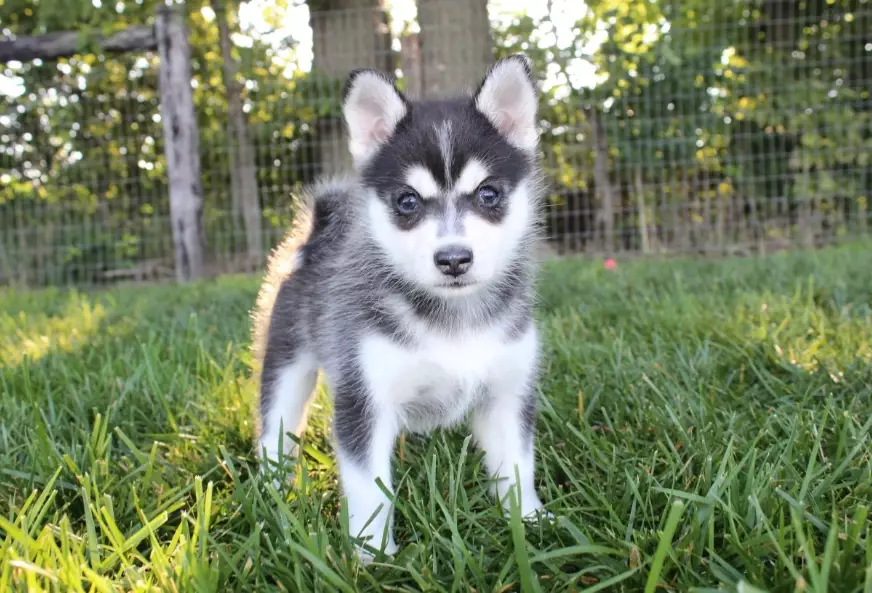
Here's where the "mini husky" label gets misleading. An F1 Pomsky can range from 15 to 30 pounds. Some look more like fluffy, pointy-eared Pomeranians on steroids. Others have a stronger Husky resemblance. It's a genetic lottery. The second generation (F2, breeding two Pomskies) has even more variation. If you're set on a specific look, you're setting yourself up for potential disappointment.
Their personality is another mixed bag. You're blending the independent, high-energy, vocal Husky with the bold, sometimes yappy, and loyal Pomeranian. The result? A dog that's often incredibly smart, curious, and packed with energy. They can be affectionate with their family but wary of strangers. And yes, they will talk back to you. The Husky howl and talkativeness are strong genes.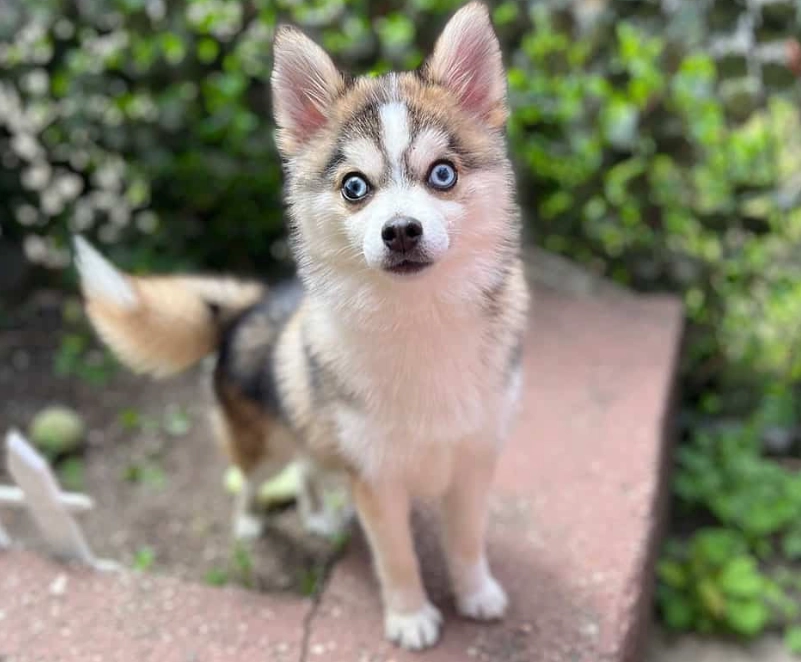
The True Cost of a Pomsky Puppy
That adorable face comes with a serious price tag. When people ask "how much is a Pomsky?", they're often shocked. This isn't a one-time purchase; it's the start of a 12-15 year financial commitment. Let's break it down.
Upfront Purchase Price
From a reputable breeder who does health testing, a Pomsky puppy typically costs between $2,000 and $5,000. Price depends on factors like coat color (rarer colors like merle command higher prices, which is ethically questionable), the breeder's reputation, and location. Anything significantly cheaper is a major red flag—likely a puppy mill or backyard breeder cutting corners on health and socialization.
First-Year Essentials & Recurring Costs
The puppy is just the entry fee. Here’s a realistic table of what you'll spend in the first year and annually after that.
| Expense Category | First-Year Estimate | Annual Recurring Cost | Notes |
|---|---|---|---|
| Initial Vet Visits & Vaccinations | $300 - $600 | - | Includes multiple puppy check-ups, core vaccines, deworming. |
| Spay/Neuter Surgery | $400 - $800 | - | Highly recommended unless you are an experienced breeder. |
| High-Quality Food & Treats | $500 - $800 | $400 - $700 | Pomskies often have sensitive stomachs; cheap food can cause issues. |
| Supplies (Crate, Bed, Leash, Bowls, Toys) | $300 - $600 | $100 - $300 | Durable toys are a must; they are powerful chewers. |
| Professional Grooming | $300 - $600 | $300 - $600 | Every 6-8 weeks for a full brush-out, deshedding, and trim. |
| Pet Insurance | $400 - $800 | $400 - $800 | Strongly advised. Covers accidents, illnesses. Check providers like AKC or Healthy Paws for quotes. |
| Training Classes | $150 - $400 | - | Puppy kindergarten and basic obedience are non-negotiable for this breed. |
| Total First Year (Excluding Puppy Price) | $2,350 - $5,000 | $1,200 - $2,400 | Be prepared. This is a realistic budget for responsible ownership. |
How to Find a Good Pomsky Breeder (And Spot Red Flags)
This is the most critical step. A good breeder is your first line of defense against genetic health problems and behavioral issues. The Pomsky Club of America (PCA) is a good starting point for ethical standards, but membership alone isn't a guarantee. You need to do your homework.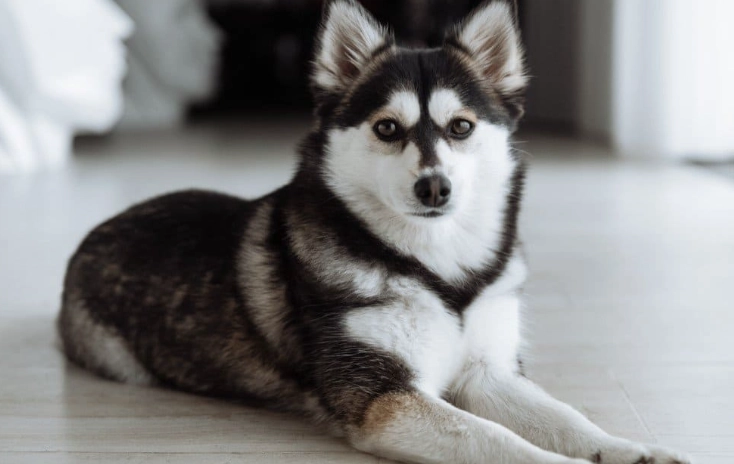
Here’s a comparison to help you evaluate:
| Ethical Breeder Green Flags | Backyard Breeder/Puppy Mill Red Flags |
|---|---|
| **Welcomes you to their home** to meet the puppy's parents (at least the mother). | Only meets in a parking lot or refuses any visit. |
| **Provides health clearances** for both parents (OFA hips, eyes, cardiac tests). Not just a "vet check." | Has no health testing documentation or says "the parents are healthy." |
| **Asks you more questions** than you ask them. They screen buyers rigorously. | Will sell a puppy to anyone with cash, no questions asked. |
| **Has a detailed contract** covering health guarantees, spay/neuter, and a return policy. | No contract, or a vague one. |
| **The puppies are raised indoors** as part of the family, well-socialized. | Puppies are kept in a barn, garage, or isolated kennel. |
| **Follows up** after you take the puppy home and is a resource for life. | Ghosts you after the sale is complete. |
Be patient. Waitlists for good breeders can be 6 months to over a year. It's worth the wait to get a healthy, well-adjusted puppy. If a breeder has "available now" puppies constantly, that's a bad sign.
Daily Life: Pomsky Exercise, Grooming & Health Needs
So you've brought your Pomsky home. Now what? Your life just got a lot more active.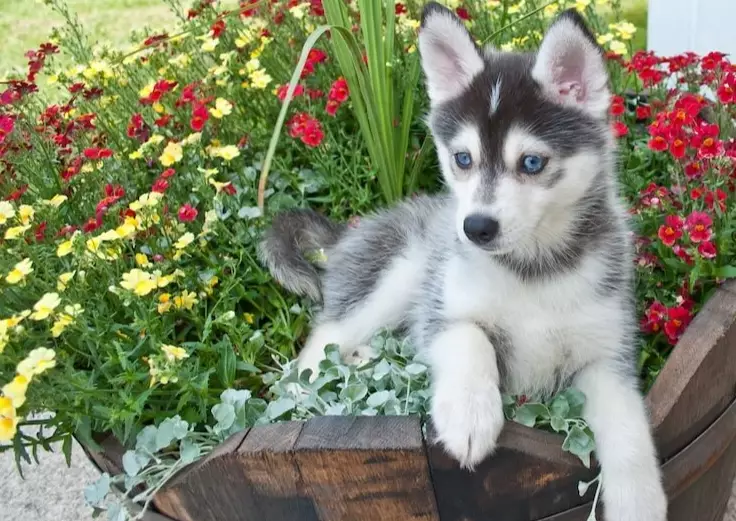
Exercise: More Than a Walk Around the Block
A bored Pomsky is a destructive Pomsky. We're talking chewed furniture, dug-up gardens, and incessant barking. They need at least 60-90 minutes of dedicated activity daily. This isn't just a leash walk. Mix it up:
- Mental Games: Snuffle mats, puzzle feeders, hiding treats. Tire their brain first.
- Running & Hiking: A secure, fenced area for off-leash running is ideal. They love to sprint. Never trust them off-leash in an open area—their Husky prey drive is strong.
- Dog Sports: Agility, nose work, or advanced obedience are fantastic outlets.
I know someone who thought their Pomsky would be fine with two short walks a day. They came home to a shredded couch and a dog that had learned how to open the kitchen cabinets. Don't be that person.
Grooming: The Fluff is High Maintenance
That gorgeous double coat sheds. A lot. Weekly brushing is a minimum; during shedding seasons (spring and fall), it's a near-daily chore to prevent mats and control the fur tumbleweeds in your house. Professional grooming every 6-8 weeks for a thorough deshedding bath and trim around the paws and sanitary areas is a lifesaver.
Common Health Concerns
While hybrids can have "hybrid vigor," they are prone to issues from both parent breeds. Be aware of: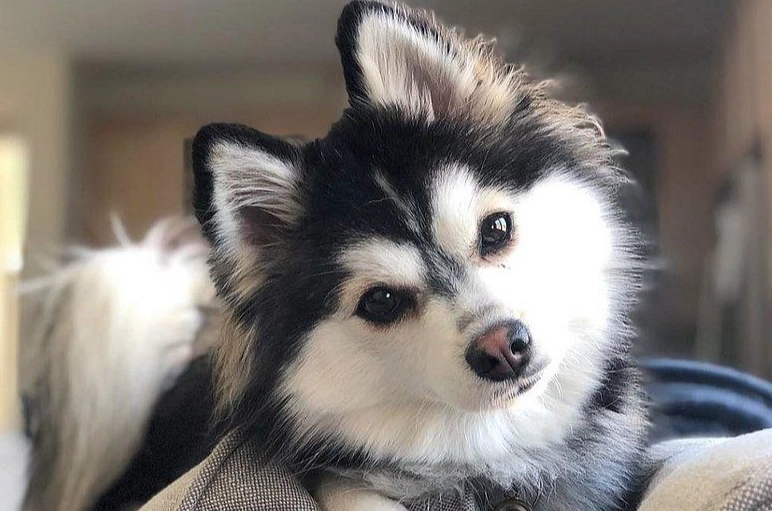
- Luxating Patellas: A slipping kneecap common in small breeds like Pomeranians.
- Hip Dysplasia: More associated with Huskies. This is why parental hip screening is crucial.
- Eye Problems: Cataracts, progressive retinal atrophy (PRA).
- Dental Issues: Small mouths can mean crowded teeth. Daily brushing is recommended.
- Skin Allergies: Not uncommon. May require special diets or medication.
This is where that pet insurance we talked about earlier becomes invaluable.
Your Top Pomsky Questions Answered
 How do I stop my Pomsky from barking and howling so much?
 Owning a Pomsky is a wild, rewarding, and demanding ride. They're not a low-maintenance accessory dog. They're a full-time commitment to activity, training, and grooming. But for the right person—someone who sees a partner for adventures, a clever mind to engage with, and doesn't mind a bit of fur and sass—a Pomsky can be an incredibly loyal and entertaining companion. Do your research, choose your breeder like you're choosing a family member, and buckle up. It's going to be a fun journey.
Related Articles