Small Dog Breeds: Ultimate Guide to Choosing Your Perfect Companion
Let's be honest. The idea of a small dog is incredibly appealing. Less food, easier travel, a lap-sized cuddle buddy. But after a decade of working with dogs and owning a few feisty terriers myself, I've seen the gap between the Instagram fantasy and the daily reality. Picking a small dog breed isn't just about the cutest face. It's about matching a living, breathing personality to your lifestyle. This guide cuts through the fluff. We'll look beyond size to energy, grooming needs, and those little quirks that make or break your relationship. Forget generic lists; we're getting into the specifics that actually matter when you bring a dog home. Everyone knows the names: French Bulldog, Chihuahua, Pomeranian. But what's it really like to live with one? Here’s a breakdown based on traits that impact your day-to-day life, not just their appearance. See the pattern? A "low-energy" Frenchie still needs wrinkle care. A "high-energy" Mini Schnauzer needs a job to do. Grooming is a massive, often overlooked, time and money cost. I made the mistake of underestimating the grooming needs of my first small dog—let's just say mat removal is no fun for anyone. Forget "which one is cutest." Use this framework instead. It's the same process I walk potential adopters through. Be brutally honest. How many hours are you truly away from home? Is your living space 500 sq ft or 2000 sq ft? Do you hike every weekend or binge-watch shows? A high-energy Jack Russell Terrier in a studio apartment with a busy office worker is a recipe for destruction and misery (for both). Match the dog's energy to your baseline, not your aspirational self. The purchase price is just the start. Factor in: Where will you be in 5 years? Kids? A cross-country move? A job with more travel? Some breeds, like the adaptable Havanese or the sturdy Boston Terrier, handle life changes well. Others, like a sensitive Italian Greyhound or a one-person-dog Chihuahua, may struggle with major disruptions. Choose a breed known for resilience if your future is uncertain. My Personal Rule: I always tell people to spend a month following Instagram accounts or forums dedicated to the breed they love, but specifically look for posts about challenges—vet visits, grooming struggles, behavioral issues. That's the real preview. Breeds have tendencies, but individuals have personalities. If adopting, spend time with the dog outside the kennel. If buying from a breeder, meet the puppy's parents if possible. A well-socialized puppy from a calm mother is a better bet than any pedigree paper. These misconceptions cause more problems than anything else. Myth 1: Small Dogs Don't Need Much Training. Myth 2: They're Fine Without a Yard, So They Don't Need Walks. Myth 3: All Small Dogs are Yappy and Nervous. Small dogs aren't just scaled-down large dogs. Their needs are different.
Your Quick Navigation Guide
Beyond the Fluff: A Realistic Look at 5 Top Small Breeds
Breed
Energy & Exercise Need
Grooming Commitment
Typical Temperament
Biggest Pro for Owners
Common Challenge
French Bulldog
Low. A couple of short walks and play sessions suffice. Prone to overheating.
Low. Weekly brushing. Wrinkle cleaning is a daily must to prevent infection.
Affectionate clowns. Can be stubborn. Often fine with other pets.
Adaptable to apartment life; relatively quiet.
Brachycephalic syndrome (breathing issues). Can be expensive due to vet needs.
Cavalier King Charles Spaniel
Moderate. Enjoys a good walk but is happy to snooze. A true companion.
Moderate-High. Regular brushing to prevent mats in that silky coat.
The ultimate lapdog. Gentle, friendly, eager to please. Great with kids.
Exceptionally sweet and easygoing nature.
Prone to serious heart conditions (MVD). Must buy from a health-tested breeder.
Miniature Schnauzer
Moderate-High. Smart and energetic. Needs mental and physical exercise daily.
High. Professional clipping every 6-8 weeks plus regular brushing.
Alert, bold, sometimes bossy. Very loyal to their family. Can be vocal.
Low-shedding (good for allergies). Excellent watchdog.
Can develop "Small Dog Syndrome" if not trained consistently. Prone to barking.
Dachshund
Moderate. Surprising stamina! Needs controlled exercise to protect their long back.
Varies by coat (smooth, longhair, wirehair). Longhair needs regular brushing.
Fearless, curious, and stubborn. Deeply bonded to their person.
Big personality in a small package. Very entertaining.
High risk for Intervertebral Disc Disease (IVDD). Potty training can be notoriously difficult.
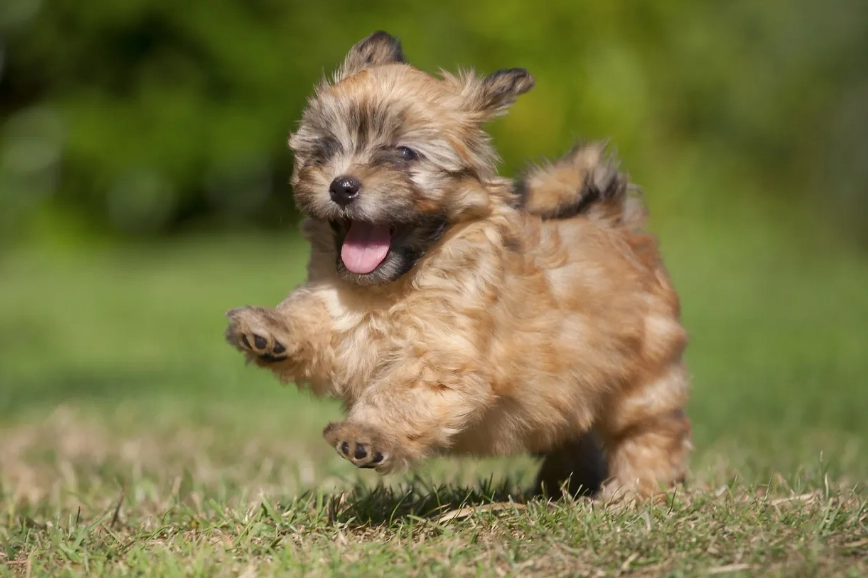
Havanese
Moderate. Playful and cheerful but not hyper. Adapts well to activity level.
High. That beautiful coat requires near-daily brushing to prevent tangles.
Charming, social, and sensitive. Thrives on being part of the family action.
Generally very healthy and long-lived. Great emotional companion.
The coat is a major commitment. Can develop separation anxiety if left alone too much.
How to Choose Your Small Dog: The 4-Step Decision Matrix
Step 1: Audit Your Daily Reality
Step 2: Calculate the Hidden Costs
Recurring Grooming: A full groom for a Poodle mix every 6 weeks can cost $70-$100. That's $600-$900 a year.
Breed-Specific Healthcare: French Bulldogs often need surgery for breathing issues. Cavaliers need regular heart scans. Pet insurance is non-negotiable for many small breeds.
Training Investment: Small dogs aren't "easier" to train. They often require more patience and consistency to overcome size-related behaviors.
Step 3: Think Long-Term (10-15 Years)
Step 4: Meet the Dogs, Not Just the Breed
The Truth About Small Dogs: Debunking 3 Major Myths
This is the most damaging myth. People laugh when a puppy nips or barks, but it's not cute when it's a 5-year-old dog. Small dogs need more consistent training in some areas, especially polite greeting (no jumping) and bite inhibition. Their size makes it easy to accidentally reinforce bad habits.
Mental stimulation is critical. A walk isn't just about bathroom breaks; it's about sniffing, exploring, and experiencing the world. Without it, you get a bored, anxious, often destructive dog. Even a 15-minute sniffari around the block is better than nothing.
This is often a human-created problem. If you pick up a dog every time it barks at a stranger, you've taught it that barking gets it safety. Breeds like the Cavalier or the quiet Basenji (a rare smaller breed) are naturally less vocal. Management and training dictate behavior more than size.
Small Dog Care Essentials (That Big Dog Owners Often Miss)
Your Small Dog Questions, Answered by Experience
 Choosing a small dog is a marathon, not a sprint. It's about finding the individual whose needs you can happily meet for over a decade. Do the homework, be honest about your lifestyle, and prepare for the unique joys—and responsibilities—of life with a compact companion. The right small dog won't just fit into your home; they'll utterly redefine it.