Cat Diarrhea: Causes, Treatment, and Home Care Guide
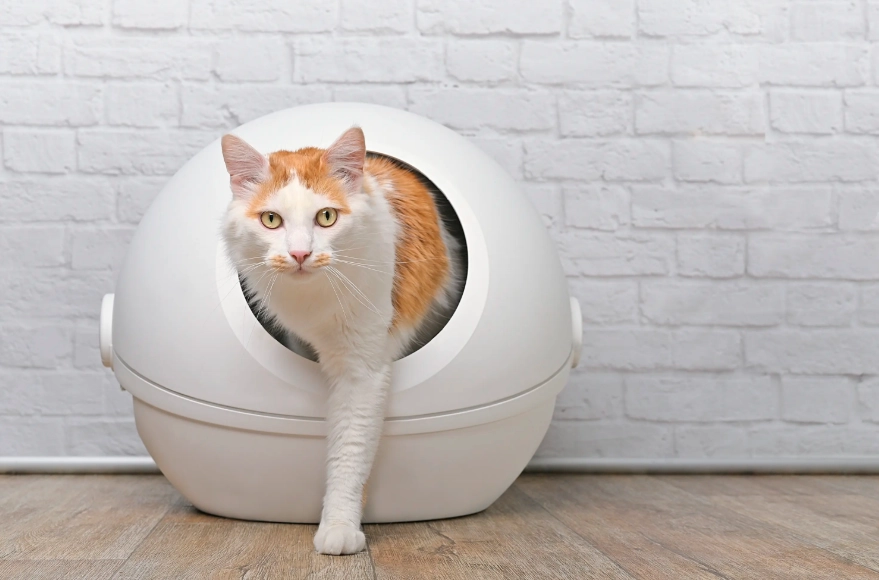
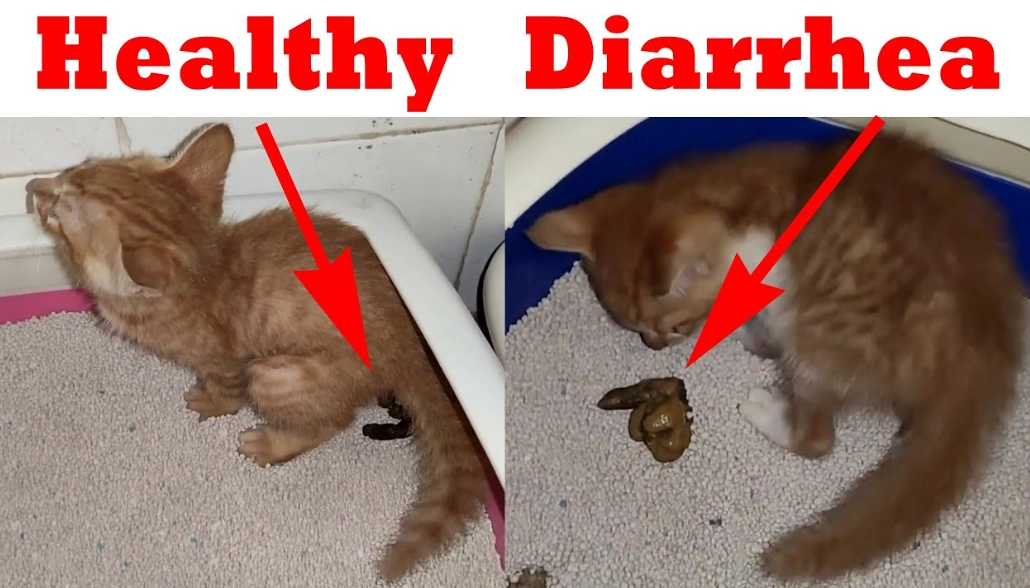
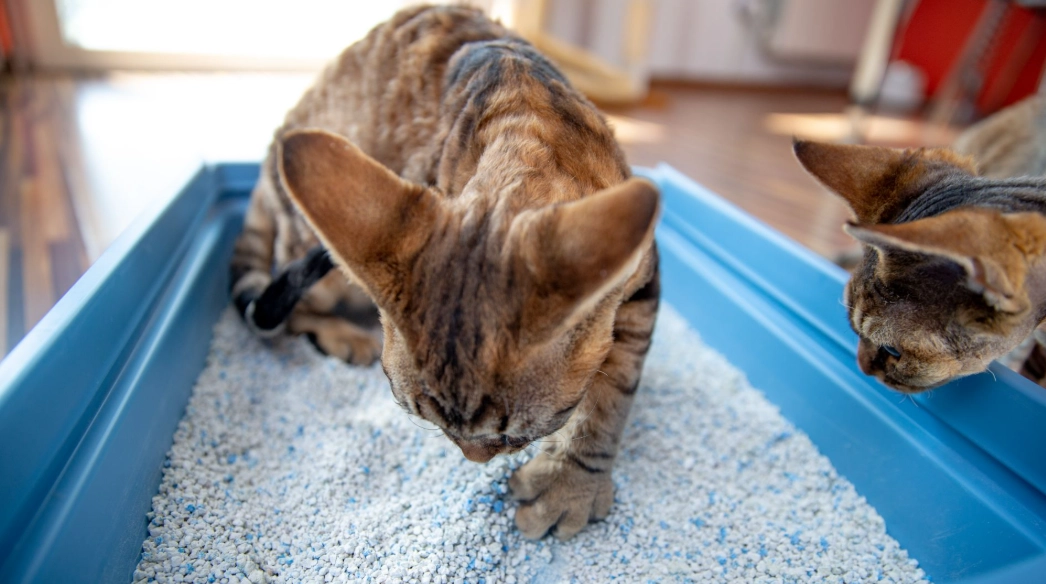
Your cat has diarrhea. It's messy, worrying, and you're not sure what to do next. I've been there—with my own cat, Milo, who had a bout last year after sneaking some spoiled food. Most cases are temporary, but some signal deeper issues. Let's cut through the confusion and get straight to what matters: understanding causes, applying safe treatments, and knowing when to call the vet. Diarrhea in cats means loose, watery stools that occur more frequently than usual. It's not a disease itself but a symptom of something off in their system. Think of it as your cat's body trying to flush out irritants. Mild cases might last a day or two, but if it persists, it can lead to dehydration—a serious risk for cats. Here's a quick rule I follow: If diarrhea lasts over 48 hours, or if your cat shows other signs like vomiting or lethargy, skip the home remedies and call the vet. I learned this the hard way when Milo's "minor" issue turned into a parasite infection that needed medication. Many owners panic and rush to the vet for every episode, but that's not always necessary. On the flip side, waiting too long can worsen things. Balance is key. Monitor your cat's behavior closely. Are they eating and drinking normally? Still playful? If yes, home care might suffice. If no, vet time. Pinpointing the cause is half the battle. From my experience, diet changes top the list, but infections and diseases are common too. Let's break it down with a table—this helps visualize what you might be dealing with. One mistake I see often: owners assume it's just "bad food" and ignore parasites. Outdoor cats are especially prone. A study by the Companion Animal Parasite Council notes that up to 45% of cats may harbor parasites at some point. If your cat goes outside, consider regular fecal checks. Switching cat food too fast is a classic error. Cats have sensitive guts. Do it gradually over a week—mix old and new food. Also, watch for treats or human foods. Dairy products like milk can cause diarrhea in many cats due to lactose intolerance, contrary to the old cartoon image of cats loving milk. If your vet isn't needed immediately, home care can work wonders. But be precise. Here's a step-by-step approach I've used successfully. Step 1: Pause the Food – Fast your cat for 12 to 24 hours. This gives their gut a break. Provide plenty of fresh water to prevent dehydration. Use a clean bowl and change water frequently. Step 2: Introduce a Bland Diet – After fasting, offer a bland meal. Boiled chicken (no skin, no seasoning) mixed with plain white rice is my go-to. Feed small amounts every few hours. For a 10-pound cat, start with a tablespoon-sized portion. Step 3: Monitor Hydration – Dehydration sneaks up fast. Check by gently pinching the skin on the back of their neck. If it doesn't snap back quickly, they're dehydrated. Offer water or try low-sodium chicken broth (cooled). Some cats prefer running water from a tap or fountain. Step 4: Gradual Return to Normal Food – Once stools firm up, slowly reintroduce regular cat food over 3-4 days. Mix increasing amounts of their usual kibble with the bland diet. Avoid over-the-counter human medications like Pepto-Bismol or Imodium unless your vet explicitly approves. Cats metabolize drugs differently, and these can be toxic. I've heard stories of owners causing liver damage by giving aspirin—just don't risk it. Probiotics can help. Look for feline-specific brands with strains like Enterococcus faecium. They support gut health and may shorten diarrhea duration. But not all probiotics are equal; choose ones recommended by vets. Home treatment isn't always enough. Know the warning signs. The American Veterinary Medical Association (AVMA) emphasizes that persistent or severe diarrhea requires professional evaluation. Here's when to drop everything and call the vet: In my case with Milo, the tipping point was blood in his stool. Turned out he had giardia, which needed prescription medication. Waiting longer could have spread it to my other pets. At the vet, expect a physical exam, possibly fecal tests, blood work, or imaging. Costs vary, but an initial visit might range from $50 to $150, plus tests. It's worth it for peace of mind and proper treatment. Prevention beats cure. After dealing with diarrhea, tweak your routine to avoid repeats. Diet Management – Stick to high-quality cat food with consistent ingredients. Avoid frequent switches. If you must change, do it slowly. Consider limited-ingredient diets if allergies are suspected. I now feed Milo a grain-free formula after his episode, and it's made a difference. Hydration Focus – Cats are notorious for low water intake. Use wet food to boost moisture, or add water to dry kibble. Clean water bowls daily to prevent bacterial growth. Stress Reduction – Stress triggers diarrhea in some cats. Changes like moving, new pets, or loud noises can upset their stomach. Provide hiding spots, playtime, and routine. Feliway diffusers help—I use one during vet visits. Regular Vet Check-ups – Annual exams catch issues early. Discuss parasite prevention with your vet, especially for outdoor cats. Vaccinations also protect against viral causes. One non-consensus tip: Many owners overlook dental health. Bad teeth can lead to bacteria swallowing and gut issues. Brush your cat's teeth or use dental treats—it's not just about fresh breath. Wrapping up, cat diarrhea is manageable with the right knowledge. Stay observant, act promptly, and don't hesitate to seek professional help when needed. Your cat's health depends on your quick thinking and care.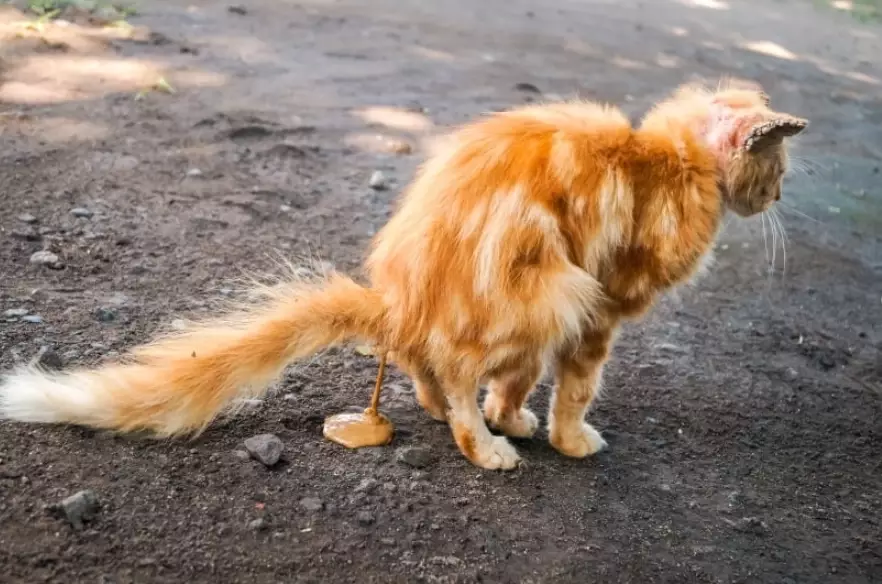
What You'll Find in This Guide
What is Cat Diarrhea and When Should You Worry?
Common Causes of Diarrhea in Cats: A Detailed Breakdown
Cause
Typical Symptoms
How Common?
Immediate Action
Dietary Indiscretion (e.g., new food, spoiled scraps)
Sudden onset, mild diarrhea, no other symptoms
Very common
Withhold food for 12-24 hours, then bland diet
Parasites (e.g., giardia, worms)
Chronic diarrhea, weight loss, bloating
Common in outdoor cats
Vet visit for diagnosis and deworming
Infections (bacterial or viral)
Diarrhea with vomiting, fever, lethargy
Moderate
Seek vet care; may need antibiotics
Food Allergies or Intolerances
Recurrent diarrhea, itchy skin, ear infections
Increasingly common
Elimination diet trial
Underlying Diseases (e.g., IBD, kidney issues)
Persistent diarrhea, poor appetite, dehydration
Less common but serious
Vet evaluation and long-term management
Dietary Triggers: The Usual Suspects
How to Treat Cat Diarrhea at Home: Safe and Effective Methods
When to See a Vet: Red Flags and Emergency Signs
Preventing Future Episodes: Diet and Lifestyle Tips
FAQ: Your Burning Questions Answered
 How do I clean up diarrhea safely to prevent spread?