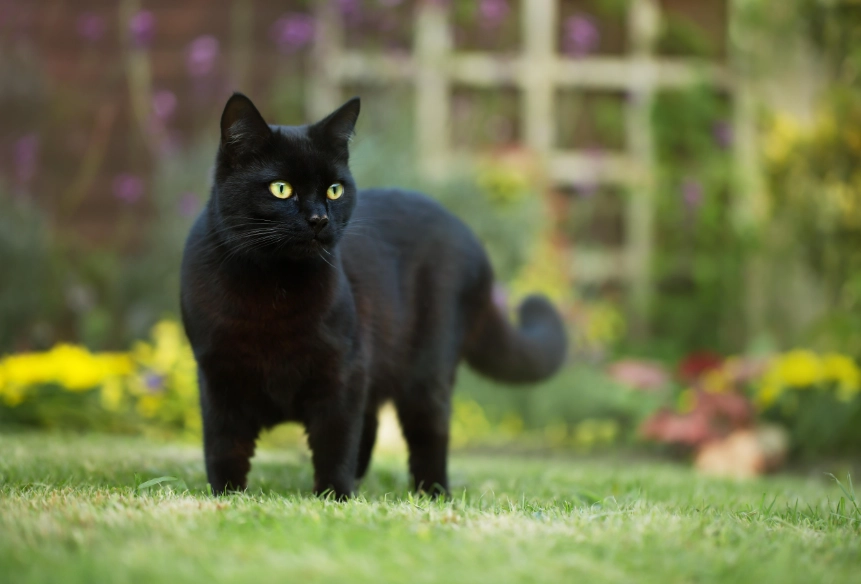
The Black Cat: Myths, Care & Personality Secrets Revealed
Let's cut to the chase: black cats are not bad luck. That's the biggest myth we need to dismantle right now. The truth is, they're just cats with a stunning, sleek coat. But owning one—or thinking about adopting one—comes with a unique set of realities, joys, and a few surprising challenges that nobody really talks about. I've lived with a black cat named Binx for over a decade, and I can tell you, the internet gets a lot right but misses some crucial, subtle details. We have to start here because this nonsense still affects these cats' lives. The "bad luck" tag is a medieval European import, later amplified by witch trial hysteria. But in many cultures, black cats are symbols of good fortune. In Japan, they're believed to attract suitors. In the British Isles, a black cat crossing your path is lucky. Sailors once considered them essential for safe voyages. The real-world impact of this myth isn't just spooky stories. It's concrete and sad: Here’s a quick table separating the pervasive myths from the documented truths: The most important thing you can do? See the cat, not the color. Forget the stereotypes. There's no single "black cat personality." My Binx is a talkative, clingy shadow who follows me from room to room and demands lap time on schedule. My friend's black cat, Onyx, is an independent hunter who spends hours watching birds and greets guests with a regal stare. However, living with a void (a common affectionate internet term for black cats) does create some unique behavioral observations that aren't about personality per se, but about how we interact with them. This is the big one. A black cat lying on a dark rug, a shadowy stair, or a black couch becomes invisible. I've nearly sat on Binx more times than I can count. You develop a "black cat radar"—a habit of scanning dark patches before you move. It sounds funny until you trip over a silent, sleeping form. Practical tip: Get a reflective or light-colored collar with a bell. It's not just for birds; it's for your ankles and your peace of mind. Cat communication relies heavily on body language. The subtle twitch of a tail, the position of the ears. On a black cat in low light, these signals can be harder to read, especially for new owners. You learn to rely more on vocalizations and context. Black fur absorbs more heat. You'll find your black cat seeking out sunbeams with religious dedication. Ensure they have access to sunny spots and plenty of fresh water, especially in summer. That sleek coat gets warm. An expert nuance most miss: People often mistake a black cat's low-light camouflage for "sneakiness" or "being spooky." It's not. It's simple physics. They aren't trying to startle you; they're just being efficient, energy-conserving cats in a coat that works too well. Attributing human motives to this is where the superstition mindset subtly creeps back in. All cats need food, water, vet care, and love. Black cats need those too, plus a few color-specific considerations. 1. Grooming & Skin Health: That dark coat can hide skin issues, dandruff, or flea dirt. Regular brushing (weekly) is non-negotiable. It forces you to check their skin closely. You're looking for redness, bumps, or dry flakes that the black fur masks. 2. Dental Hygiene: This is critical for all cats, but the contrast of white teeth/yellow tartar against a black face is a stark visual reminder. Start tooth-brushing early if you can. Their bright smile against that black fur is worth the effort. 3. Photography Lighting: Want a great photo? Avoid direct flash (it creates demonic red-eye). Use natural side light or a well-lit room. A light-colored blanket as a backdrop makes their form pop. 4. Safety First: Because they're harder to see at night, an ID tag and microchip are absolutely essential. If they slip out, you want every advantage to get them home. Consider a safety-reflective collar. Vomiting or other issues are harder to spot on dark floors. Lethargy can be easier to miss if they're often curled in shadowy spots. You must be a more attentive observer. Get down on their level in their favorite dark corner to check on them. If you're ready to welcome a void into your life, here's how to do it right. Where to Look: Your local animal shelter or rescue organization is the best place. Use adoption portals like Petfinder and filter by color. You can often search for "black" specifically. The Shelter Visit Strategy: Don't just look at the cat in the kennel. The stress of shelter life can mask personality. Ask to visit in a quiet room. Sit on the floor and let the cat approach you. A shy black cat in a kennel might be a cuddlebug when relaxed. Questions to Ask the Shelter: Preparing Your Home: Think about contrast. Light-colored beds and blankets will make your cat feel more visible (to you) and give them cozy spots that are easy for you to find them in. Secure those dark hiding spots (under beds, deep closets) or make sure you can access them easily for check-ups. Adopting a black cat isn't an act of charity; it's an opportunity to get an incredible, often overlooked pet. You're not saving them; they're about to enrich your life in ways you didn't expect.
What You'll Discover Inside
Busting Black Cat Superstitions for Good
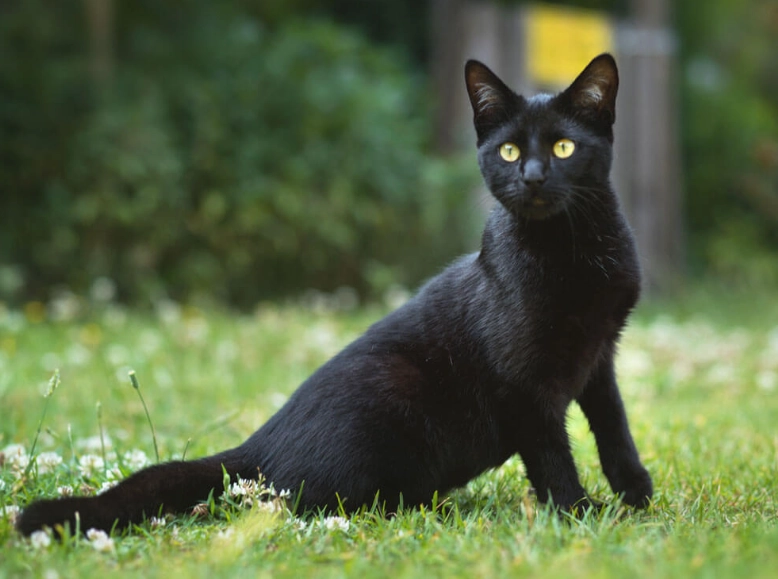
Common Myth
The Reality & Impact
Black cats are bad luck.
A baseless superstition with roots in fear, not fact. It directly contributes to lower adoption rates.
Black cats are less friendly or more aloof.
Coat color has zero proven correlation with personality. Temperament is linked to breed, socialization, and individual history.
They are harder to photograph.
Okay, this one has a grain of truth. They can be a challenge for casual phone pics, but with good lighting, they look majestic.
Black cats are all the same breed.
Black is a coat color found in almost every cat breed and countless moggies (domestic shorthairs/longhairs).
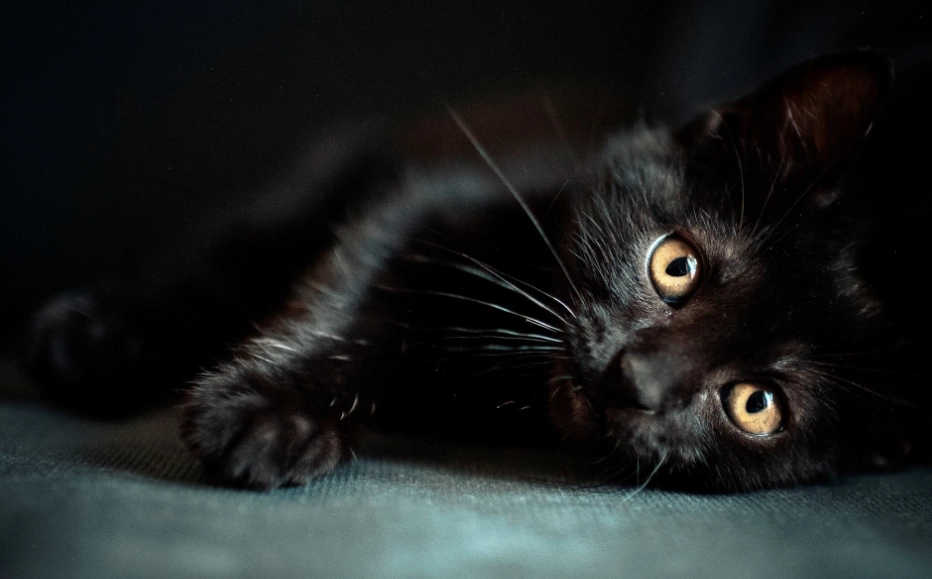
The Real Black Cat Personality (It's Not What You Think)
The "Stealth Mode" Effect

Communication Challenges
The Sunbathing Paradox
Practical Black Cat Care: Beyond the Basics
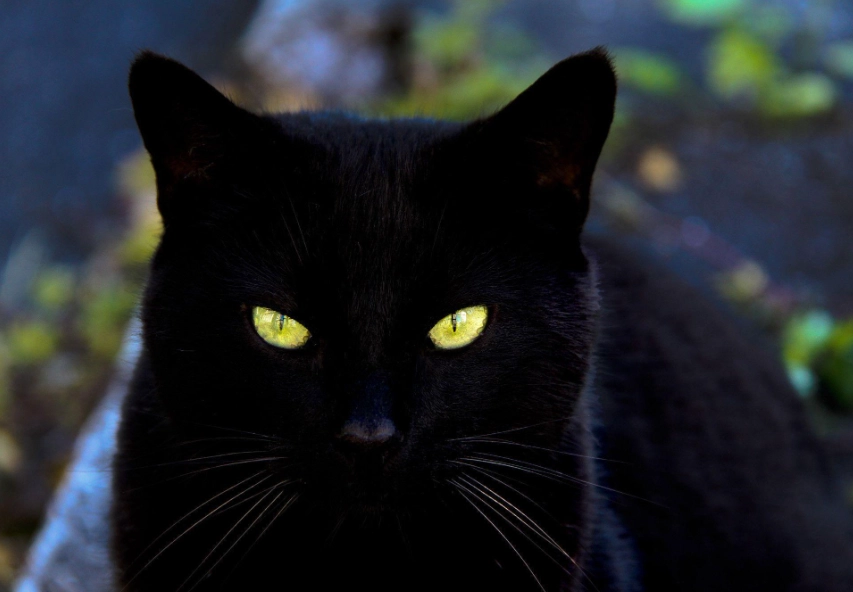
The Black Cat Care Priority List
Health Watch: The Subtle Signs
Your Guide to Adopting a Black Cat
Your Black Cat Questions, Answered