Ear Mites in Dogs: Symptoms, Treatment, and Prevention Guide
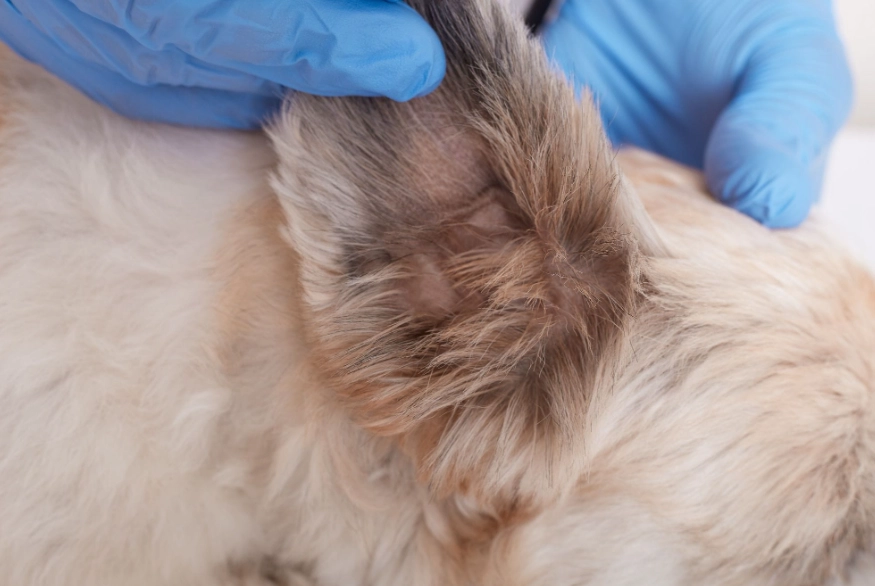
If your dog is constantly scratching its ears or shaking its head, ear mites might be the culprit. These tiny parasites are a common nuisance in dogs, causing intense itching and discomfort. Left untreated, they can lead to serious ear infections. I've dealt with ear mites in my own dogs over the years, and I've seen how frustrating it can be for pet owners. In this guide, I'll walk you through everything you need to know—from spotting the signs to effective treatments and prevention—based on both veterinary advice and personal experience. Ear mites, scientifically known as Otodectes cynotis, are microscopic parasites that live in the ear canals of dogs. They feed on ear wax and skin oils, and their life cycle lasts about three weeks from egg to adult. You won't see them with the naked eye—they're about the size of a pinhead—but under a microscope, they look like tiny white spiders. They're highly contagious among pets, often spreading through direct contact in places like dog parks or kennels. According to the American Veterinary Medical Association (AVMA), ear mites are one of the most common causes of ear issues in dogs, especially puppies and young dogs. I remember when my friend's new puppy, Charlie, brought ear mites home after a playdate. Within days, his older dog started scratching too. It's a classic example of how quickly these pests can spread. Ear mites lay eggs in the ear canal, which hatch into larvae, then develop into nymphs and adults. This cycle means that treatments need to target all stages, not just the adults. Many over-the-counter products fail because they only kill adult mites, leaving eggs to hatch later. That's why veterinarians often recommend multi-week treatment plans. Spotting ear mites early can save your dog a lot of discomfort. The signs are often obvious if you know what to look for. Here are the key symptoms: In severe cases, dogs can develop hematomas (blood blisters) on the ear flaps from excessive shaking. If you notice any of these, it's time to act. Gently lift your dog's ear and look inside with a flashlight. If you see dark, gritty material, it could be ear mites. But don't rely solely on this—other issues like yeast infections can look similar. A vet can confirm with an otoscope or by examining a sample under a microscope. I tried the home check on my dog Max, and while it hinted at a problem, the vet's diagnosis was spot-on. Treating ear mites requires a thorough approach. Based on my experience, skipping steps often leads to reinfestation. Here's a step-by-step guide combining veterinary and home care. Pro Tip: Always consult your vet before starting any treatment, especially if it's your first time dealing with ear mites. They can rule out other conditions like bacterial infections. Vets typically prescribe topical medications that kill mites at all life stages. Common options include: Your vet might also clean the ears professionally to remove debris. In one case, my vet charged around $50 for a cleaning plus $30 for medication—totally worth it for quick relief. While vet treatments are most effective, some home approaches can help if used cautiously. I've tried a few, but beware—they're not always reliable. Here's a comparison of common treatment options: Treatment usually lasts 2-4 weeks. Consistency is key—don't stop early even if symptoms improve. Prevention is easier than cure. After dealing with ear mites twice, I've adopted habits that keep my dogs mite-free. I started a routine where I clean my dogs' ears every two weeks with a solution recommended by my vet. It takes five minutes and has made a huge difference. Here's how I do it: Squirt a vet-approved ear cleaner into the ear canal, massage the base for 20 seconds, then let your dog shake out the debris. Wipe the outer ear with a cotton ball. Never use alcohol or hydrogen peroxide—they can dry out the skin. My vet suggested Zymox Otic, which works gently. I've seen pet owners, including myself, make errors that prolong the problem. Avoid these pitfalls: One time, I tried a DIY remedy from the internet involving apple cider vinegar. It stung my dog's ears and made him more anxious. Stick to vet-approved methods. Dealing with ear mites can be stressful, but with the right knowledge, you can help your dog recover quickly. Remember, early action and consistency are your best tools. If in doubt, always reach out to your veterinarian—they're your partner in keeping your pet healthy.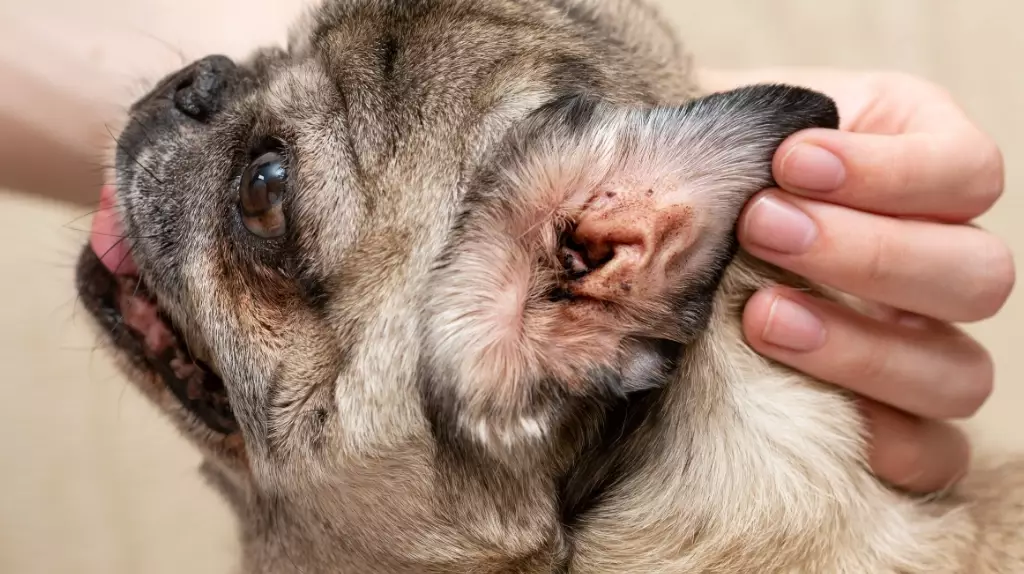
What You'll Learn in This Guide
What Are Ear Mites in Dogs?
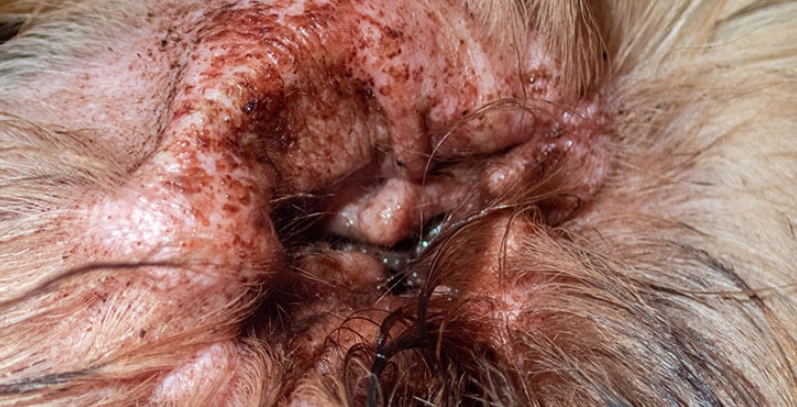
The Life Cycle of Ear Mites: Why They're So Persistent
Symptoms of Ear Mites in Dogs
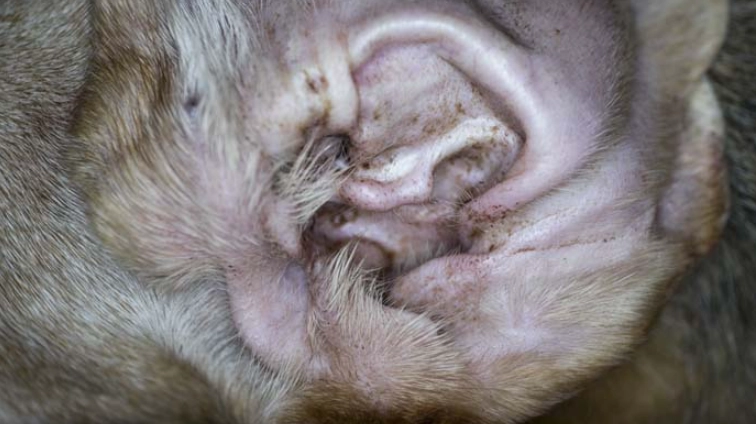
A Simple Home Check You Can Do
How to Treat Ear Mites in Dogs
Veterinary Treatments: The Gold Standard
Home Remedies and Over-the-Counter Options

Treatment Type
Effectiveness
Cost Range
Best For
Prescription topical (e.g., Revolution)
High – kills all life stages
$20-$50 per dose
Severe infestations, prevention
Vet-prescribed ear drops
High – targeted action
$15-$40 per bottle
Localized ear mite cases
Over-the-counter solutions
Moderate – may miss eggs
$10-$20
Mild symptoms, interim care
Home remedies (e.g., oil)
Low – temporary relief
$5-$10
Supplemental care only
Preventing Ear Mites in Dogs
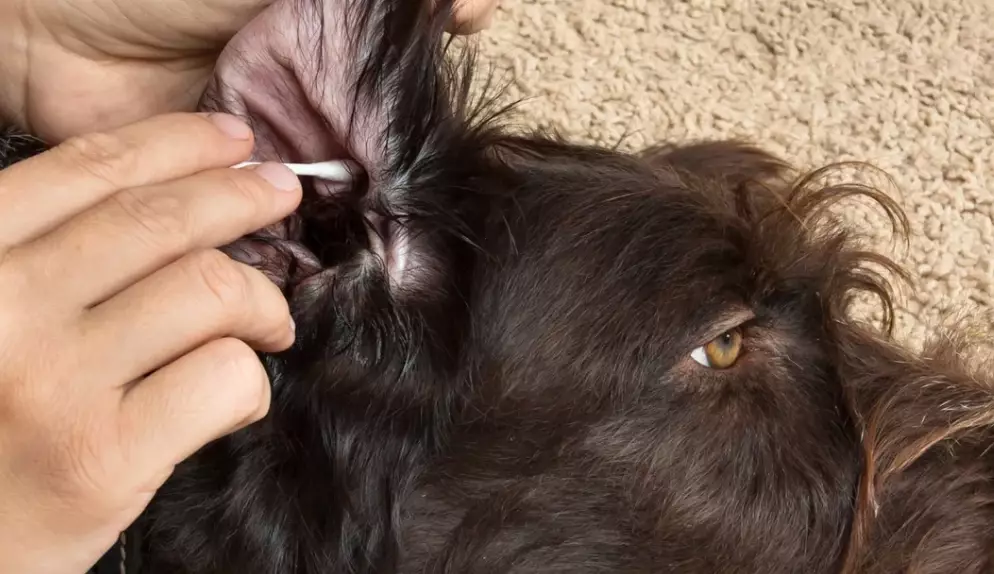
A Simple Ear Cleaning Routine
Common Mistakes When Dealing with Ear Mites

Frequently Asked Questions
 Are some dog breeds more prone to ear mites?