Kennel Cough Symptoms: A Vet's Guide to Spotting & Soothing It
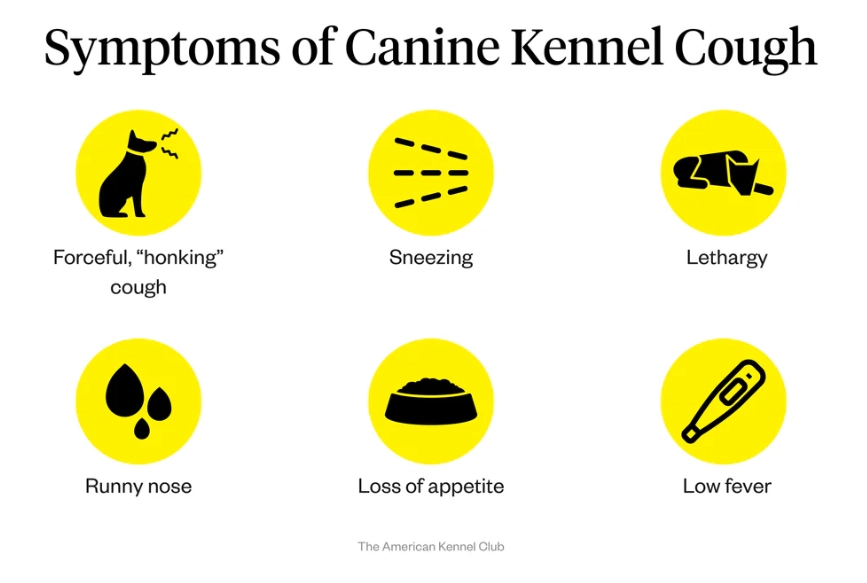
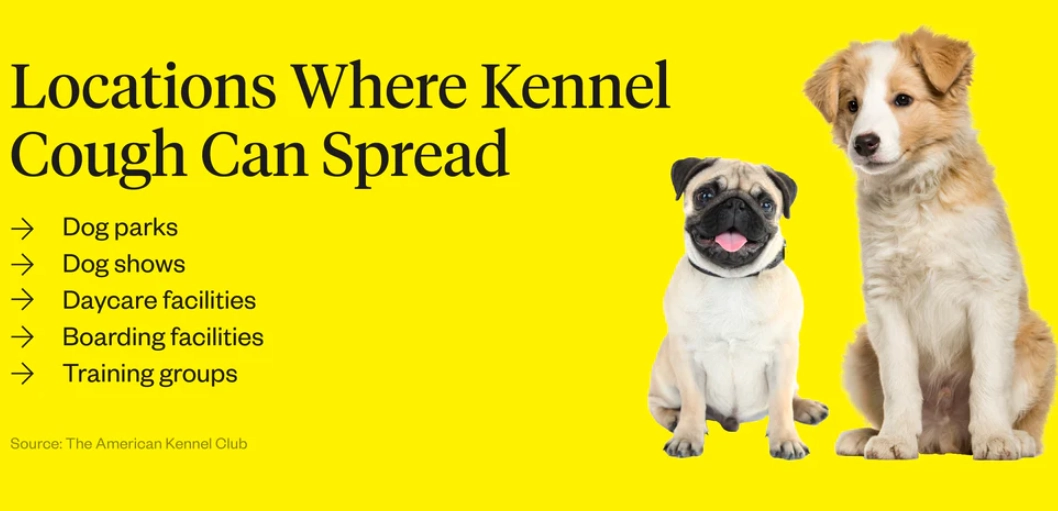
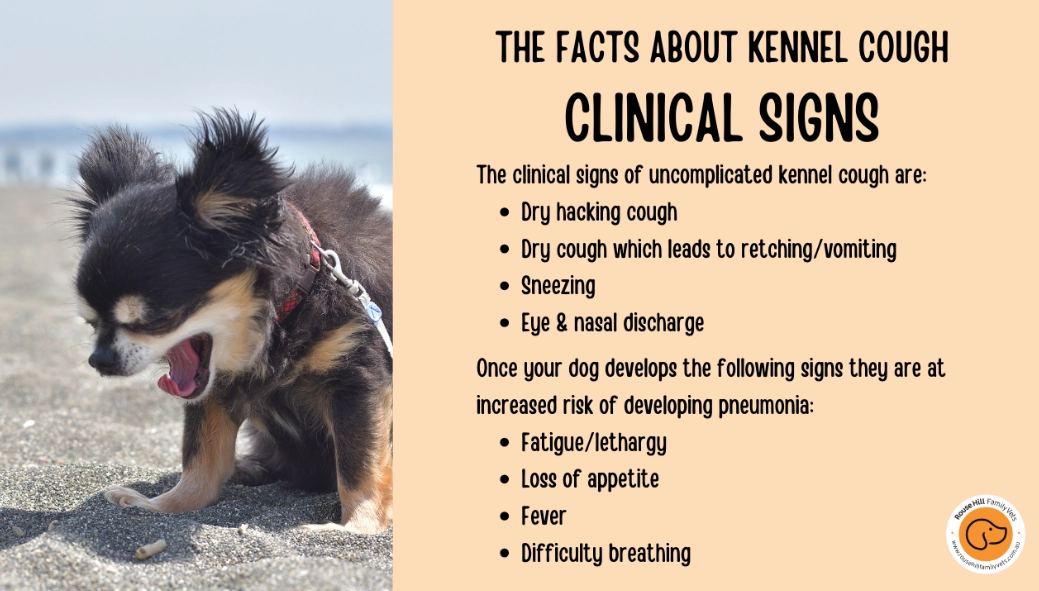
That sound. It's not a normal bark or a playful yip. It's a harsh, dry, hacking cough that seems to come out of nowhere, often ending in a gag or retch. If your dog just came back from boarding, daycare, or the dog park and started making noises like a goose honking, you're likely dealing with kennel cough. Medically known as Canine Infectious Respiratory Disease Complex (CIRDC), it's the common cold of the dog world—annoying, contagious, but usually not serious. However, misreading the symptoms or ignoring the wrong ones can turn a simple cough into pneumonia. Let's cut through the noise and look exactly at what kennel cough symptoms are, how to tell them apart from something worse, and what you can actually do about it. The hallmark kennel cough symptom is a persistent, forceful cough. People describe it in different ways: The Honking Cough: This is the most telltale sign. It sounds exactly like a goose honk. It's dry, non-productive (meaning little to no mucus comes up), and often happens in fits when the dog gets excited, pulls on the leash, or after drinking water. Gagging or Retching: The cough is so violent it often ends with your dog making a hacking, gagging sound, like they're trying to clear something from their throat. Sometimes a small amount of white foam or phlegm is produced. Owners frequently mistake this for vomiting or choking. The Trigger Test: Here's a simple check many vets use. Gently press on your dog's trachea (windpipe) in the front of the neck. A dog with kennel cough will often immediately start a coughing fit. This is because the airways are already inflamed and hypersensitive. It's crucial to note that while the cough sounds terrible, your dog often acts completely normal otherwise—eating, playing, and full of energy. This disconnect between the awful sound and their otherwise good spirits is a classic feature of uncomplicated kennel cough. While the cough is the star of the show, kennel cough is a respiratory infection, and it can come with a supporting cast of symptoms. Not every dog will have all of these. Runny Nose & Sneezing: Clear to cloudy nasal discharge is common. It's the body's way of trying to flush out the invaders. Eye Discharge: You might see some watery or slightly goopy discharge from the eyes. Lethargy: A mild decrease in energy levels is possible. Your dog might nap a bit more than usual but will still show interest in walks and food. Low-Grade Fever: A slight fever (up to 103.5°F / 39.7°C) can occur as the immune system fights the infection. This is where most online guides fall short. They list symptoms but don't stress which ones mean "trouble." Kennel cough itself isn't typically an emergency, but its complications are. If you see any of the following symptoms, your dog's condition has likely progressed beyond simple kennel cough and needs immediate veterinary attention. Puppies, senior dogs, and brachycephalic breeds (like Bulldogs, Pugs, Frenchies) are at higher risk for complications. With them, I advise erring on the side of caution and getting a vet check sooner rather than later. For a healthy adult dog with classic, mild kennel cough symptoms, supportive care at home is often all that's needed. The goal is to reduce irritation and let the immune system do its job. Think of it like how you'd care for a child with a cold. Rest is Non-Negotiable: Cancel dog park dates, skip long runs, and pause rough play. Excitement and exercise trigger coughing fits. Leash walks for bathroom breaks only for at least 5-7 days. Humidity is Your Friend: Run a humidifier in the room where your dog sleeps. Steam up the bathroom by running a hot shower and sit with your dog in the steamy room for 10-15 minutes. This moistens dry, irritated airways and can provide real relief. Hydration and Soft Food: Ensure fresh water is always available. If coughing makes eating kibble difficult, try softening it with warm water or bone broth, or offer a bland diet like boiled chicken and rice. Harness Over Collar: Switch from a neck collar to a chest harness immediately. Pressure on the inflamed trachea from a collar will worsen the cough every time you go for a walk. Honey Can Help: For dogs over one year old, a half to one teaspoon of raw, local honey 2-3 times a day can coat and soothe the throat. (Avoid for puppies due to botulism risk). Don't give human cough medicine unless explicitly instructed by your vet. Dosages are different, and some ingredients (like xylitol) are toxic to dogs. When home care isn't enough, or if symptoms are more severe from the start, your vet will step in. Treatment isn't a one-size-fits-all approach because kennel cough can be caused by a mix of viruses and bacteria. The most common bacterial culprit is Bordetella bronchiseptica. The American Veterinary Medical Association (AVMA) notes that while often mild, CIRDC can sometimes lead to more severe illness, highlighting why professional assessment is key for persistent cases. Your vet's decision will be based on your dog's specific symptom profile, age, and health history. Since kennel cough spreads through the air like the common cold, complete prevention is tough, but you can drastically reduce the risk. The Bordetella Vaccine: This is the core of prevention. It's not a 100% forcefield—like the human flu shot—because other viruses can cause similar symptoms. But it significantly reduces the severity and duration of illness if your dog is exposed to the Bordetella bacteria. Most boarding, daycare, and grooming facilities require it. It comes as an intranasal spray (squirted up the nose, works fastest), oral, or injectable. Discuss the best schedule with your vet. Be Smart About Socialization: Avoid overcrowded dog parks or daycares with poor ventilation and hygiene. Choose facilities that require proof of vaccination and have good cleaning protocols. If there's a known outbreak in your area, keep your dog away from high-traffic dog areas. Boost Overall Health: A well-fed dog with a strong immune system fights off infections better. Keep up with core vaccines (like distemper/parainfluenza, which also protect against some respiratory viruses) and regular vet check-ups.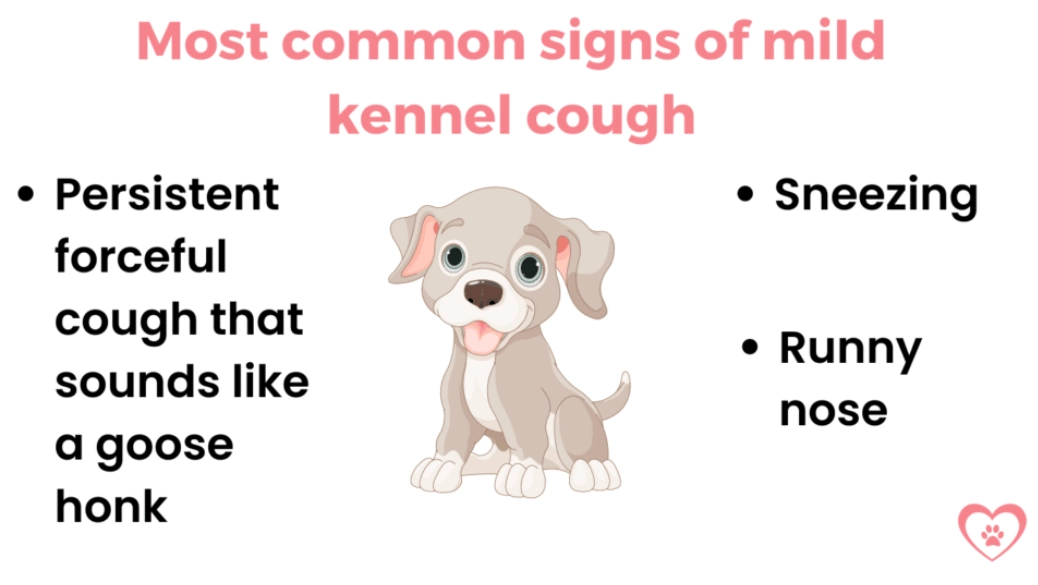
What's Inside This Guide
What Does Kennel Cough Sound Like? (The Classic Symptom)
Beyond the Cough: Other Common Symptoms
The Frequent Co-Stars
Emergency Symptoms: When to Rush to the Vet
• Loss of Appetite: Refusing food for more than 24 hours.
• Severe Lethargy: Not wanting to move, play, or go for walks.
• High Fever: A temperature over 103.5°F (39.7°C).
• Difficulty Breathing: Rapid, shallow breaths, wheezing, or using abdominal muscles to breathe. Watch for the chest moving excessively.
• Blue or Purple Gums: This indicates a lack of oxygen and is a critical emergency.
• A Productive, Wet Cough: If the dry honk turns into a moist, gurgling cough with yellow/green mucus, it suggests a secondary bacterial infection or pneumonia.
• No Improvement or Worsening after 5-7 days of home care.How Can I Soothe My Dog's Kennel Cough at Home?
How is Kennel Cough Treated by a Veterinarian?
Treatment Type
What It Is & When It's Used
Common Examples
Cough Suppressants
Used to break the cycle of coughing, which itself causes more inflammation. Given for dry, hacking coughs to provide relief and allow the trachea to heal. Not used if pneumonia is suspected.
Butorphanol, Hydrocodone. Prescription only.
Antibiotics
Not always needed, as viruses cause many cases. Used if symptoms are severe, prolonged, or if a bacterial component (like Bordetella) is suspected/confirmed. Also standard if pneumonia is present.
Doxycycline is a common first choice. Amoxicillin-clavulanate may also be used.
Anti-Inflammatories
Help reduce swelling and inflammation in the respiratory tract, making breathing easier and less painful.
Non-steroidal anti-inflammatories (NSAIDs) prescribed by your vet.
Stopping It Before It Starts: Kennel Cough Prevention
Your Kennel Cough Questions, Answered
 Can humans or cats catch kennel cough from my dog?