Can Dogs Eat Almonds? The Risks & What to Do Next
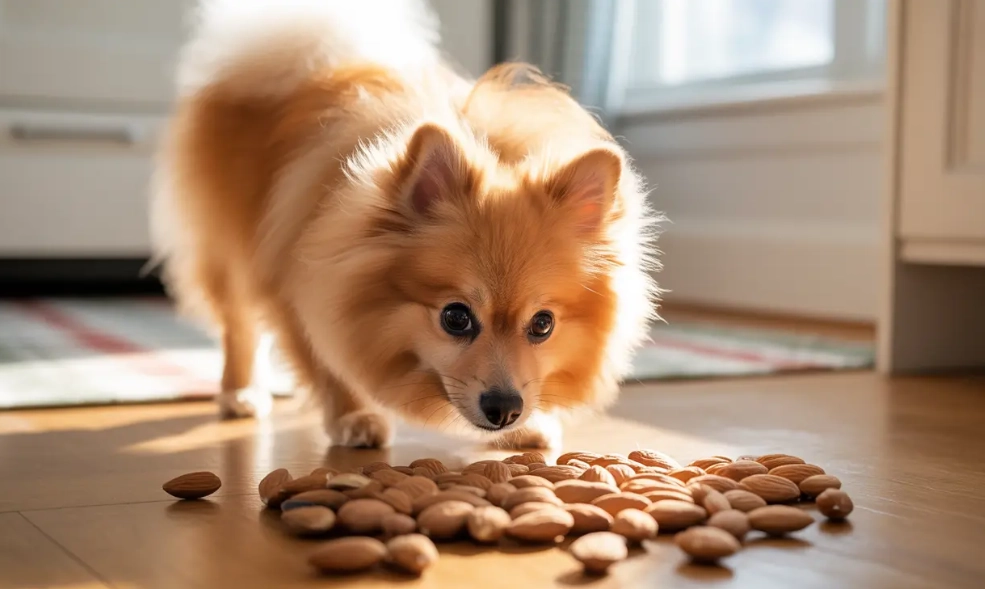
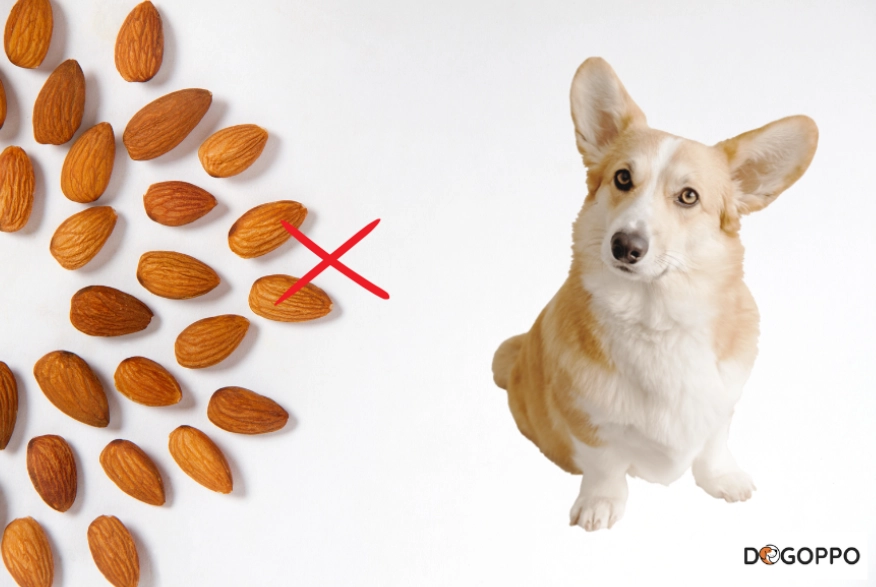
Let's cut to the chase. Can dogs have almonds? No. They shouldn't. While a single almond might not immediately land your dog in the emergency room, almonds pose several real and significant health risks to dogs. They are not a safe or recommended treat. This isn't just about choking hazards, which is what most articles repeat. The deeper, often overlooked issue lies with their high fat content and potential for hidden toxins. As someone who's spent years talking to vets and navigating pet nutrition, I've seen the confusion firsthand. Many owners think "it's just a nut," but the reality is more complicated and warrants a firm "avoid." Here's the thing. When you search "can dogs have almonds," you're likely looking for a quick yes or no. The answer is no, but understanding the why helps you make better decisions for other foods too. The dangers aren't always dramatic; sometimes they're slow and cumulative. Choking and Intestinal Blockage: This is the most immediate mechanical danger. Almonds are hard and oddly shaped. A small dog can easily choke on one. Even if swallowed, they can cause an obstruction in the intestines, which is a surgical emergency. I remember a case from a vet friend involving a curious Beagle who got into a bowl of mixed nuts. The almond didn't show up on the first X-ray, causing a delay in diagnosis. High Fat Content and Pancreatitis: This is the silent, underrated killer. Almonds are packed with fats. A dog's pancreas isn't designed to handle a sudden, large fat load. This can trigger pancreatitis—a painful, dangerous inflammation of the pancreas. Symptoms include severe vomiting, diarrhea, abdominal pain, and lethargy. It can be life-threatening and requires intensive veterinary care. The risk is higher with salted or flavored almonds, which are even worse. Salt and Seasonings: Most almonds for human consumption are salted, smoked, or coated in flavors like barbecue, honey mustard, or wasabi. Excessive salt intake can lead to sodium ion poisoning in dogs, causing symptoms like excessive thirst, urination, vomiting, diarrhea, tremors, and even seizures. Potential for Mold and Aflatoxins: Nuts, including almonds, can sometimes harbor mold that produces aflatoxins. These are potent toxins that can cause severe liver damage in dogs. While quality control reduces this risk for human products, it's a non-zero risk you simply don't need to take with your pet. What about almond butter or milk? The rules change slightly, but caution is still paramount. Almond Butter: Plain, unsalted, xylitol-free almond butter is the least risky form. The choking and blockage hazard is gone. However, it's still extremely high in fat and calories. A tiny lick as an occasional treat might be okay for a large dog, but it should never be a regular thing. CRITICAL: Always, always check the label for xylitol, an artificial sweetener deadly to dogs, which is sometimes found in "sugar-free" or "low-carb" nut butters. Almond Milk: Commercial almond milk is mostly water. A small sip is unlikely to harm your dog. But many brands contain added sugars, flavors, and thickeners like carrageenan, which can upset a dog's stomach. It offers no nutritional benefit to them, so it's best to stick to water. Almond Flour: In baked dog treats, almond flour is sometimes used as a gluten-free alternative. In this controlled, cooked form and in small quantities as part of a recipe, it's generally considered safe. But you wouldn't feed plain almond flour to your dog. It's useful to see where almonds fall in the spectrum of nut safety. This table breaks it down clearly. Remember, "low risk" doesn't mean "recommended as a treat." It means less acutely toxic. So your dog snagged an almond—or a handful—off the coffee table. Don't panic. Follow these steps. I've framed this based on the amount, which is the first thing a vet will ask you. Step 1: Assess the Situation Quickly. Step 2: Contact Your Veterinarian or Pet Poison Helpline. Step 3: What to Expect and Monitor at Home. Step 4: How to Prevent It From Happening Again. You want to treat your dog. That's great! Let's redirect that intention to foods that are actually beneficial and safe. Here are options that vets consistently approve of. Truly Safe "Nut" Option: Plain, air-popped popcorn (no salt, no butter). It's low-calorie and a fun, crunchy treat. Vegetable Treats (Low-Calorie & Crunchy): Fruit Treats (In Moderation, Remove Seeds/Pits): Commercial Dog Treats: Look for single-ingredient treats like dried liver, salmon skins, or sweet potato chews. Always choose reputable brands. The key is to think of treats as part of your dog's daily calorie intake, not extras. Those almond calories add up fast and offer zero nutritional upside for them. My dog ate one salted almond. Should I panic? Panic isn't helpful, but action is. For a medium or large dog, one salted almond is unlikely to cause salt poisoning. The fat content is a bigger concern. Contact your vet, describe the situation (your dog's size, the type of almond), and follow their advice. They'll likely tell you to monitor for vomiting, diarrhea, or lethargy. For a very small dog (under 10 lbs), the call to the vet is more urgent. What about almond extract or flavoring in baked goods? The primary concern with almond extract is the high alcohol content, which is toxic to dogs. The actual almond component is minimal. If your dog gets a bite of a cake made with almond extract, the sugar and fat are bigger issues than the trace almond. Still, it's not good for them. The takeaway: keep all human desserts, especially those with extracts or liqueurs, well out of reach. It's possible, though not from a specific toxin like with chocolate. Death could occur from complications of an untreated intestinal blockage, or from severe pancreatitis triggered by the high fat content. These are serious medical conditions. This is why the stance is firm: don't feed almonds. It's a preventable risk. Are there any health benefits of almonds for dogs? No. The vitamins and minerals in almonds (like Vitamin E, magnesium) are already properly balanced in a high-quality commercial dog food. Your dog gains no nutritional advantage from almonds that they don't already get from their regular diet. You're only introducing risks. My dog seems fine after eating almonds a few hours ago. Am I in the clear? Not necessarily. Symptoms of pancreatitis or the early stages of a blockage can take 12 to 48 hours to appear. The initial "fine" period can be misleading. Continue monitoring closely for the next two days for any signs of gastrointestinal distress or behavioral changes. If in doubt, a check-in with your vet provides peace of mind.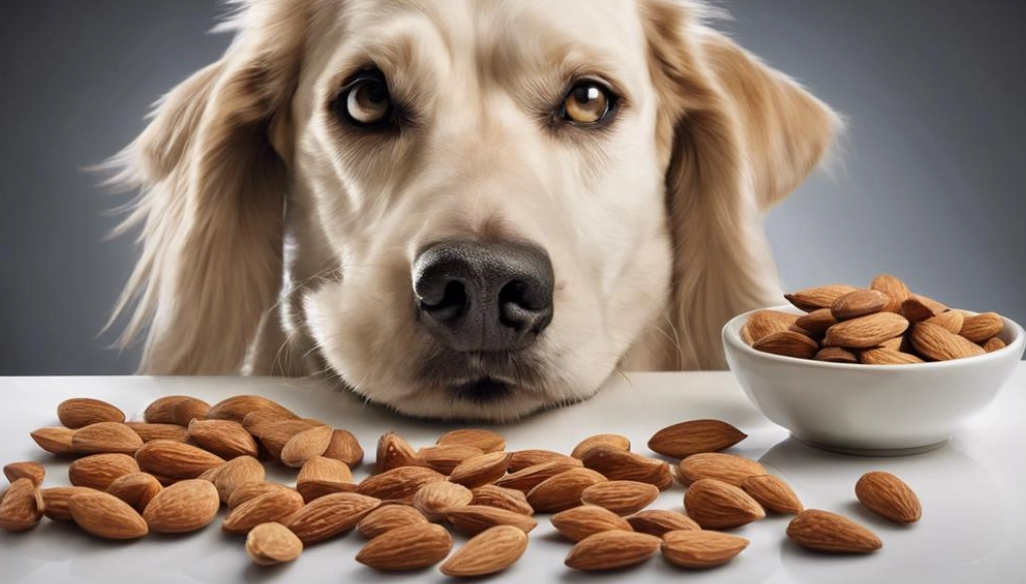
What's Inside This Guide?
Why Almonds Are Bad for Dogs: Beyond the Obvious
The Real Risks Inside an Almond

Almond Products: Butter, Milk, and Flour
How Almonds Compare to Other Nuts
Nut Type
Risk Level for Dogs
Primary Danger(s)
Vet Advice
Macadamia Nuts
Very High
Severe toxicity: weakness, vomiting, tremors, hyperthermia.
Absolute no. Emergency if ingested.
Walnuts (especially Black)
High
High risk of mold (tremorgenic mycotoxins), intestinal blockage, high fat.
Avoid completely.
Pecans
High
Same mold risk as walnuts, high fat, potential blockage.
Avoid completely.
Almonds
Moderate to High
Choking/blockage, high fat (pancreatitis), salt toxicity.
Do not feed. Monitor if ingested.
Cashews
Moderate
High fat, high phosphorus. Can cause stomach upset.
One or two plain, unsalted cashews very rarely might be okay for a large dog. Not recommended.
Peanuts & Peanut Butter
Low (with conditions)
High fat, salt, choking. Xylitol in some peanut butters.
Plain, unsalted peanuts or xylitol-free peanut butter in tiny amounts is generally safe as a rare treat.
What to Do If Your Dog Ate Almonds: A Step-by-Step Plan
How many almonds? What kind? (Plain, salted, flavored?) How big is your dog? A 100-pound Labrador eating one plain almond is a very different scenario from a 10-pound Chihuahua eating five salted almonds.
This is always the best course of action. Describe exactly what happened. They will give you tailored advice. Have this number saved: The ASPCA Animal Poison Control Center (888-426-4435) is an invaluable resource, though a consultation fee may apply.
If the vet advises monitoring at home (likely for a single, small ingestion by a large dog), watch for these signs over the next 24-48 hours:
Dogs are opportunists. Store all nuts, including almonds, in sealed containers in high cabinets. Be mindful of snacks during parties or while watching TV. Train a solid "leave it" command—it's a lifesaver.Safer Treat Alternatives to Almonds
- Carrot sticks or baby carrots (great for teeth)
- Cucumber slices
- Green beans (fresh or frozen)
- Broccoli florets (in small amounts)
- Apple slices (no core or seeds)
- Blueberries
- Watermelon chunks (seedless)
- Banana slices (high in sugar, use sparingly)Your Questions, Answered (FAQ)
 Can a dog die from eating almonds?
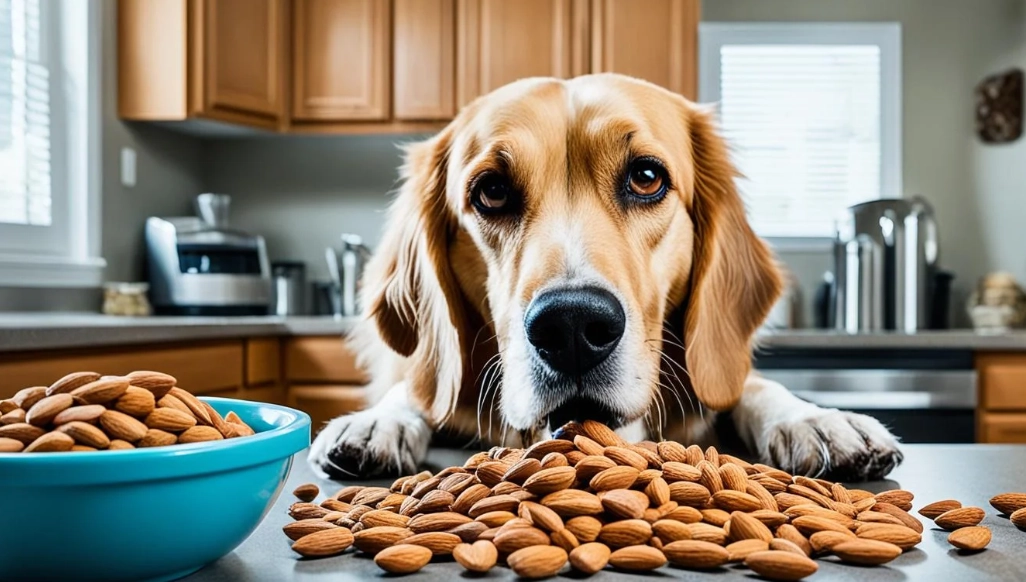 Let's be honest. In a world full of genuinely safe and healthy treat options for our dogs, almonds simply don't make the cut. The potential for choking, pancreatitis, and other complications far outweighs any non-existent benefit. When you're looking at those pleading eyes, reach for a piece of carrot or a designated dog treat instead. It's a simple choice that keeps your best friend safe, healthy, and by your side for longer.