Your Puppy Vaccine Schedule: A Complete Guide for New Owners
Bringing a puppy home is pure joy. Then the panic sets in. When do they need shots? Which ones? The puppy vaccine schedule isn't just a checklist—it's a shield you build for your dog's entire life. Get it wrong, and you're risking parvovirus, distemper, or rabies. I've seen it happen, and it's heartbreaking. This guide cuts through the confusion. We'll map out the exact timeline, explain why each shot matters, and tackle the real-world questions vets hear every day. Not all puppy shots are created equal. This is the first thing new owners get tripped up on. Core vaccines are non-negotiable. Every single puppy needs them, no matter where they live or their lifestyle. The diseases they prevent are widespread, severe, and often fatal. The core group for puppies in the US, as defined by the American Animal Hospital Association (AAHA), includes: Non-core vaccines are lifestyle-dependent. Your vet will recommend these based on specific risks. Does your puppy go to daycare? Will they be hiking in tick country? Do you live in an area with leptospirosis outbreaks? These questions determine if you need them. I made the mistake of skipping the leptospirosis vaccine for my first dog, thinking he was a city pup. After he drank from a contaminated puddle on a hike and got violently ill, I never skipped it again. Your vet's recommendation here is gold. Puppies get their immunity from their mother's milk, but that protection fades. The vaccine series works by boosting their own immune system in a timed sequence before maternal antibodies disappear. Missing a shot or delaying too long creates a dangerous gap. Here’s the typical timeline. Remember, your vet may adjust this by a week or two based on your puppy's breed, health, and local disease risk. These are usually started around the 10-12 week mark and require boosters. For example, Bordetella might be given as an intranasal spray at 10 weeks, with a booster 2-4 weeks later. Lyme disease vaccine typically starts at 12 weeks, with a booster 3-4 weeks later. Your vet will create a personalized calendar. You're not done after the first year. Immunity needs to be refreshed. 1 Year After the Initial Series: Your dog will need a DHPP booster and a Rabies booster. This is a key appointment. Every 1 to 3 Years After That: This is where it gets interesting and where vet opinions can differ. The standard used to be yearly boosters for everything. Now, based on duration of immunity studies, many vets follow a 3-year protocol for core vaccines (DHPP and Rabies) for healthy adult dogs. However, Rabies laws vary by state—some mandate a 1-year booster first, then 3-year shots. You must follow local law. Non-core vaccines usually require annual boosters, especially Bordetella for social dogs. The best practice? Have a titer test done. This is a blood test that measures antibody levels. If the titers are high, your dog might not need a booster that year. It's a more precise approach, though it costs more upfront than a vaccine. Let's talk money and what's normal after the shot. Costs: There's no fixed price. A single DHPP shot might cost $25-$50. Rabies is similar. Non-core vaccines add $20-$40 each. The exam fee (usually $50-$80) is separate. That first-year series, with multiple visits and exams, can easily total $200 to $400 at a private clinic. Low-cost clinics or vaccine drives can cut this significantly, but you might sacrifice the comprehensive vet exam. Common, Mild Side Effects (Totally Normal): When to Call the Vet Immediately (Rare but Serious): Anaphylaxis is very rare, but it's why vets ask you to wait in the clinic for 10-15 minutes after the shot. You'll get a paper vaccination record. Take a photo of it and save it to the cloud. Use it for boarding, grooming, and training classes. Consider a pet health app. Losing this document is a major headache.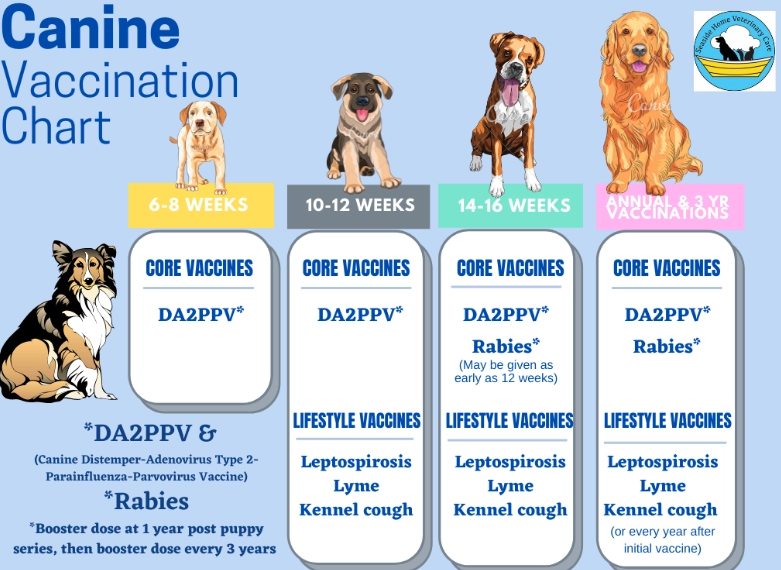
What's Inside This Guide
Core Vaccines vs. Non-Core Vaccines: What's the Difference?
Vaccine Type
Diseases Covered
Who Needs It?
Core (Essential)
Distemper, Hepatitis, Parvo, Parainfluenza (DHPP), Rabies
Every puppy. No exceptions.
Common Non-Core (Lifestyle)
Bordetella (Kennel Cough), Leptospirosis, Lyme Disease, Canine Influenza
Social dogs, outdoor explorers, or dogs in high-risk regions.
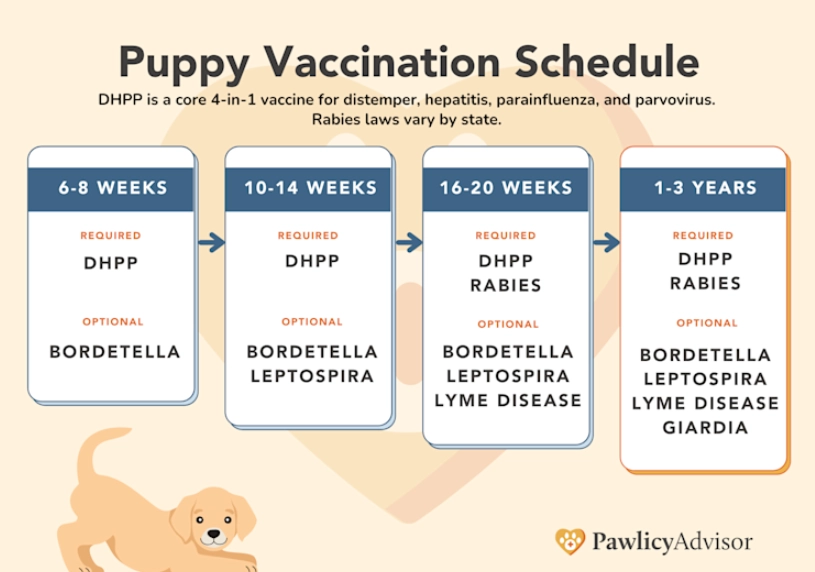
The Standard Puppy Vaccine Schedule: A Week-by-Week Plan
The Essential First-Year Timeline
What About Non-Core Shots?
What Happens After the Puppy Shots? The Adult Dog Schedule
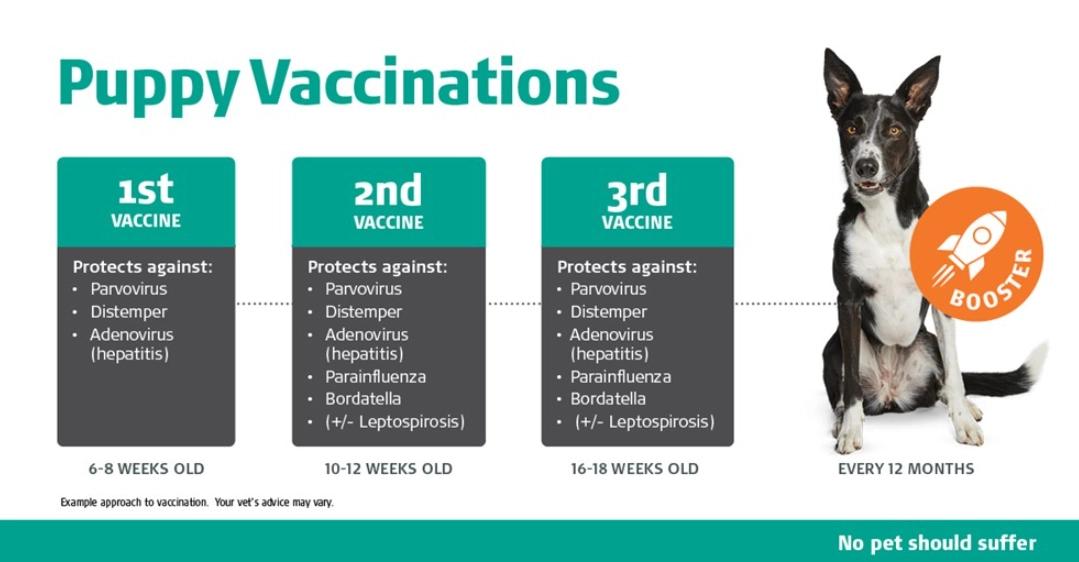
Vaccine Costs and Side Effects: The Practical Stuff
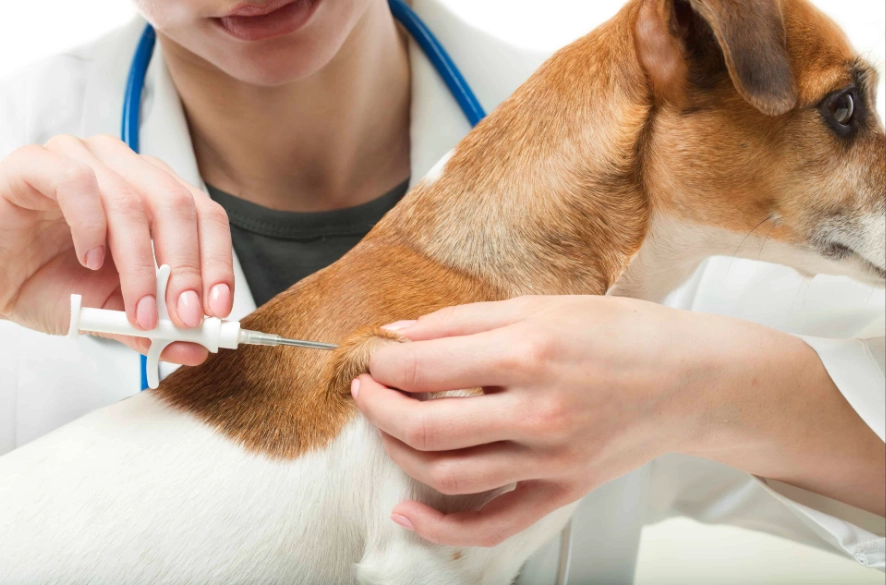
Keeping Track of It All
Your Top Puppy Vaccine Questions, Answered
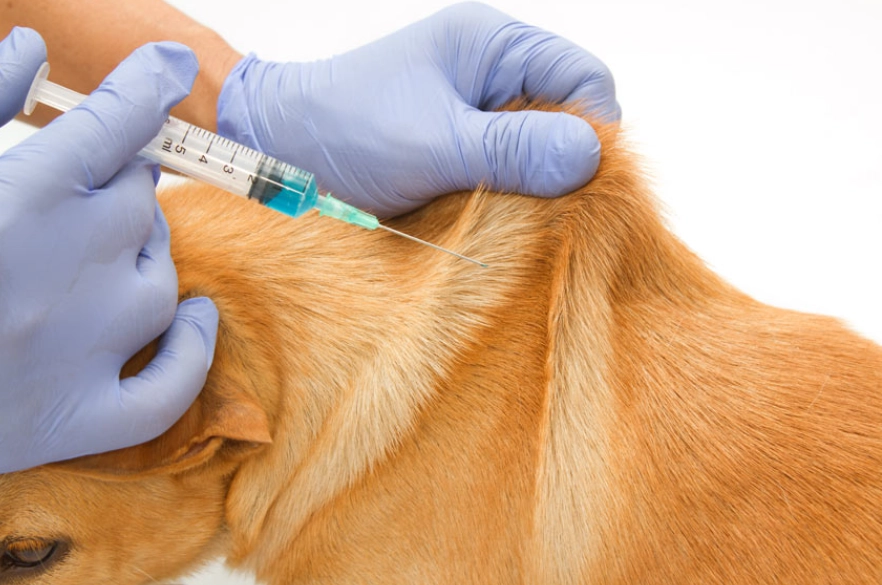 Are there any breeds more sensitive to vaccines?
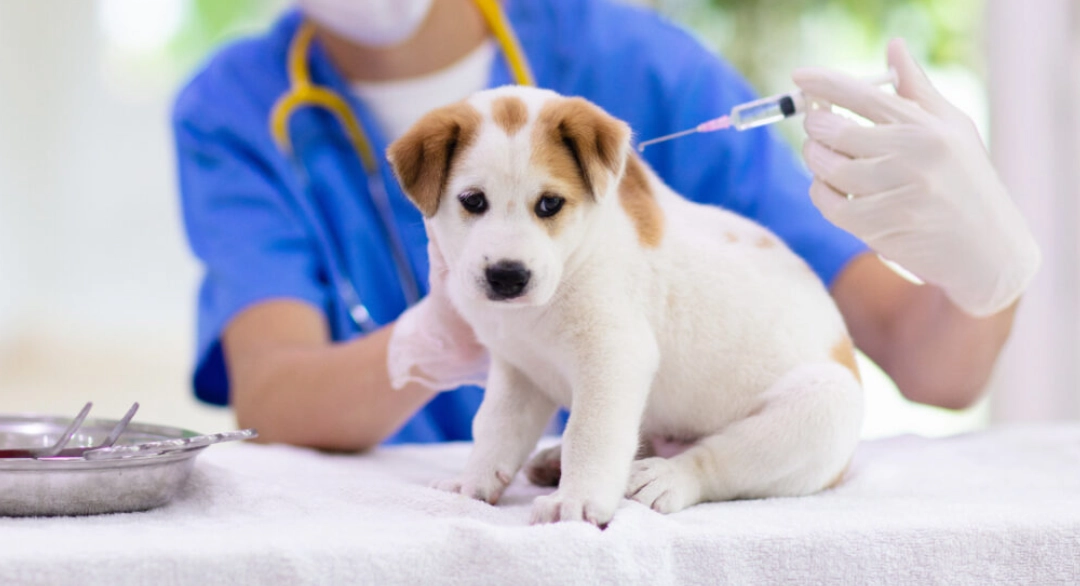 The puppy vaccine schedule is your first and most important act as a protector. It's not just paperwork. It's the foundation for a long, adventurous, and healthy life together. Print this guide, bring your questions to your vet, and mark those calendar dates. Your future dog will thank you for it.