Can Dogs Eat Peanuts? Safety, Risks & Feeding Guide
I've seen this question pop up in dog owner forums for years. Can dogs eat peanuts? The short answer is yes, but it's not as simple as tossing a handful from your snack bowl. Peanuts can be safe for dogs in moderation, but there are hidden risks that many owners overlook. Let's cut through the noise and get into the details.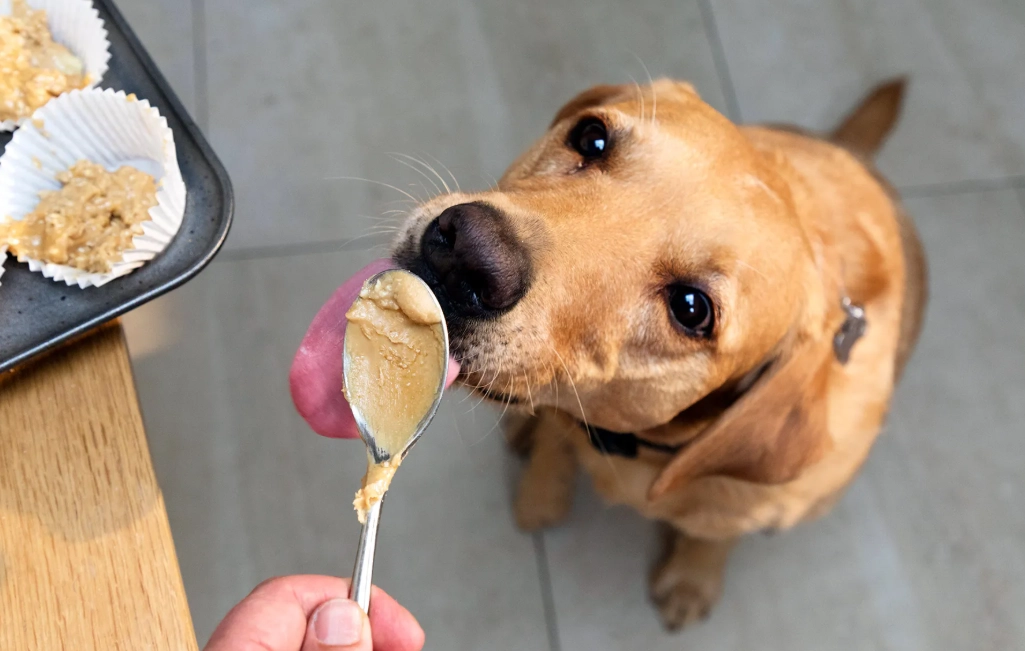
In This Guide
Are Peanuts Safe for Dogs? – The Basic Answer
Plain, unsalted peanuts are generally safe for dogs in small amounts. I've fed my own dog peanuts for a decade, but only after learning the hard way about the pitfalls. The key is to avoid processed peanuts—those with salt, flavors, or coatings. Dogs don't need the extra sodium, and some seasonings like garlic or onion powder are toxic. If you're thinking of sharing peanuts, stick to raw or dry-roasted varieties without additives.
But here's a nuance most guides miss: peanuts aren't nuts; they're legumes. This means they're higher in protein and fat than true nuts, which can upset a dog's stomach if overfed. A few peanuts as a treat? Fine. A whole jar? That's asking for trouble.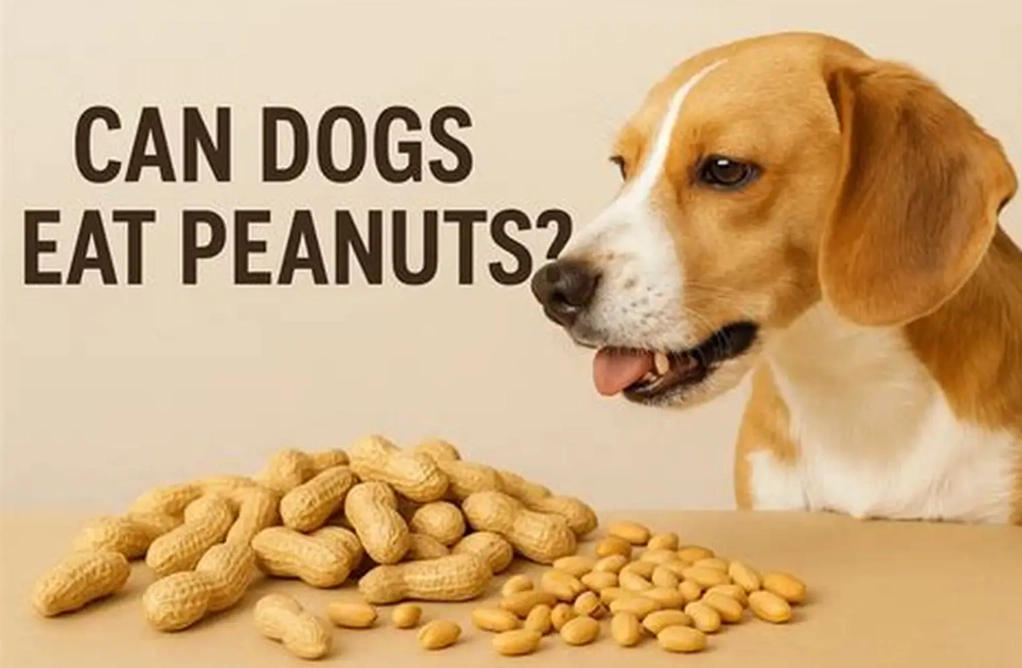
The Risks of Feeding Peanuts to Dogs
Many owners assume peanuts are harmless, but I've seen cases where dogs ended up at the vet due to overlooked risks. Let's break down the main dangers.
Choking Hazard
Whole peanuts, especially for small dogs, can be a choking risk. My neighbor's terrier once choked on a peanut because it was given whole. Always crush or chop peanuts into smaller pieces. Better yet, use peanut butter (without xylitol) as a safer alternative.
Salt and Seasonings
Salted peanuts are a big no. Dogs can develop sodium ion poisoning from too much salt, leading to vomiting, diarrhea, or worse. I recall a report from the ASPCA on pet poison control highlighting salt as a common issue. Stick to unsalted options.
Aflatoxin Poisoning
This is a silent killer many don't know about. Aflatoxins are molds that can grow on peanuts, especially in humid conditions. They're toxic to dogs and can cause liver damage. Always store peanuts in a cool, dry place and check for mold before feeding. The FDA has guidelines on aflatoxin levels in food, but for pets, it's best to be extra cautious.
How to Safely Feed Peanuts to Your Dog
Feeding peanuts safely isn't rocket science, but it requires attention to detail. Here's a step-by-step approach based on my experience.
Choosing the Right Type of Peanuts
Not all peanuts are created equal. Use this table to pick the best option:
| Type of Peanut | Safety for Dogs | Why It Matters |
|---|---|---|
| Raw, Unsalted Peanuts | Safe in moderation | No added salt or oils; minimal processing |
| Dry-Roasted, Unsalted | Generally safe | Low risk of aflatoxin; easy to digest |
| Salted or Flavored Peanuts | Unsafe | High sodium; potential toxic seasonings |
| Peanut Butter (Xylitol-free) | Safe as a treat | Convenient; but check labels for xylitol |
I always recommend dry-roasted unsalted peanuts—they're less likely to have mold and are easier on a dog's stomach. Avoid oil-roasted ones; the extra fat isn't necessary.
Proper Serving Sizes
How much is too much? It depends on your dog's size. As a rule of thumb, peanuts should make up no more than 10% of your dog's daily calories. For a medium-sized dog, that's about 5-10 peanuts per day. Start with one or two to see how they react. I've seen dogs get gassy or itchy from overindulgence.
Nutritional Benefits of Peanuts for Dogs
Peanuts aren't just empty calories. They offer some benefits when fed correctly. They're rich in protein, healthy fats, and vitamins like B6 and E. These can support skin health and energy levels. But don't rely on peanuts as a primary nutrition source—dogs need balanced diets from quality dog food. The Merck Veterinary Manual emphasizes that treats should complement, not replace, main meals.
I've noticed my dog's coat looks shinier when I include small amounts of peanuts in his diet, but it's subtle. Overdo it, and the high fat can lead to weight gain. Balance is key.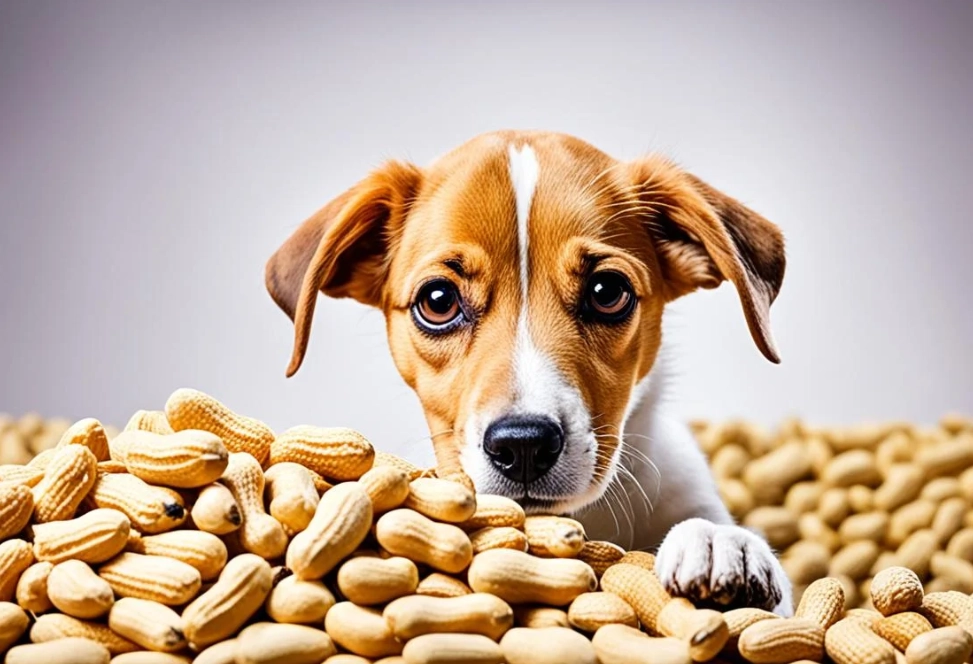
Common Questions About Dogs and Peanuts
 Are there dogs that should never eat peanuts?
Wrapping up, peanuts can be a fun treat for dogs if handled with care. Focus on unsalted, unseasoned varieties, and always moderate the amount. When in doubt, consult your vet—they know your dog's health best. I've shared peanuts with my dog for years without problems, but it took trial and error to get it right. Keep it simple, stay informed, and your furry friend can enjoy this snack safely.
Related Articles