Puggle Dog Breed: The Complete Guide to This Pug Beagle Mix
So you're thinking about a Puggle. You've seen the photos – that wrinkly Pug face on a Beagle's body, looking perpetually curious and a little mischievous. It's a combo that exploded in popularity in the early 2000s, promising the best of both worlds. But what's the real story behind this designer dog? I've been around Puggles for over a decade, from raising puppies to advising new owners, and I'm here to tell you it's not all Instagram-perfect snuggles. Let's cut through the cute and talk about what living with a Puggle is actually like.
What's in this guide?
What Exactly Is a Puggle Dog?
A Puggle is a first-generation crossbreed, meaning one parent is a purebred Pug and the other a purebred Beagle. The goal was to create a dog with the Pug's charming looks but with fewer breathing problems, and the Beagle's sturdier build and longer nose. The mix started gaining traction in the 1990s, but it was a breeder named Wallace Havens in Wisconsin who is often credited with popularizing the name "Puggle" in the 2000s.
Here's the thing many websites gloss over: there's no standard. A Puggle can look 70% Pug and 30% Beagle, or the complete opposite. Their size, coat, and even personality can swing wildly depending on which parent's genes are more dominant. You might get a stocky, quiet couch potato or a lean, vocal explorer. That unpredictability is the first major consideration.
The Puggle Temperament: Energy Meets Stubbornness
Imagine the Beagle's relentless curiosity and nose-driven focus, then mix it with the Pug's determination to do what it wants, when it wants. That's your Puggle's brain. They are incredibly friendly and social, rarely meeting a stranger. This makes them poor guard dogs but fantastic companions for active families.
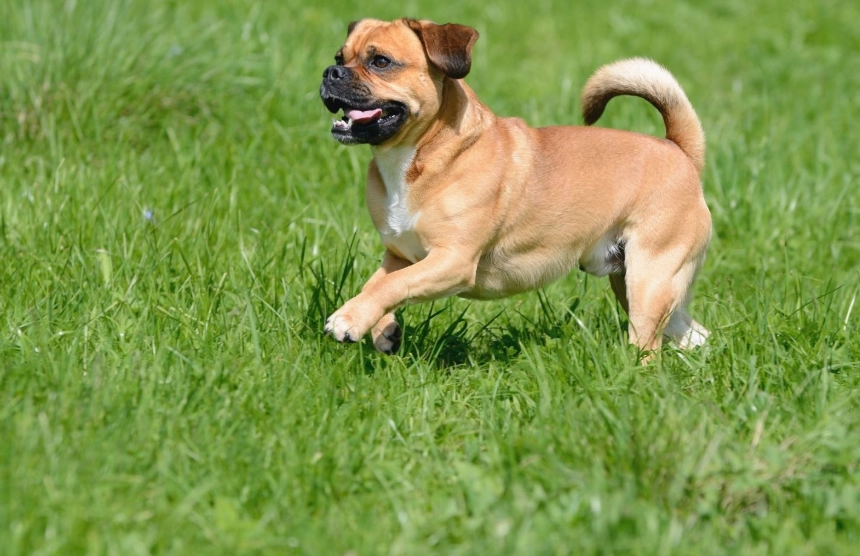
But the energy level is a common point of confusion. People see "Pug" and think lazy. Big mistake. The Beagle side brings a significant need for daily mental and physical exercise. A bored Puggle is a destructive Puggle. We're talking chewed furniture, dug-up gardens, and inventive ways to get into the trash.
Their vocalizations are another blend. You might get the Beagle's iconic bay (which is LOUD and carries for blocks) or the Pug's snorts, grumbles, and occasional yappy bark. If you have close neighbors in an apartment, this is a serious factor to weigh. I've known owners who had to move because their Puggle's howling at sirens triggered noise complaints.
The Good, The Challenging, and The Snorty
Let's break it down simply:
- Great for: Families with older children, active singles or couples, homes with yards, multi-pet households (they usually love company).
- Tough for: First-time dog owners unprepared for stubbornness, apartment dwellers without a solid exercise plan, people wanting a silent dog, those with very young kids (Puggles can be jumpy and rambunctious).
- The signature trait: A clownish, affectionate personality that can flip to single-minded determination when they catch an interesting scent.
Puggle Health Issues You Can't Ignore
Hybrid vigor is often touted for mixed breeds, but it's not a magic shield. Puggles inherit health predispositions from both sides. Responsible breeders test their parent dogs, but many Puggles come from less scrupulous sources.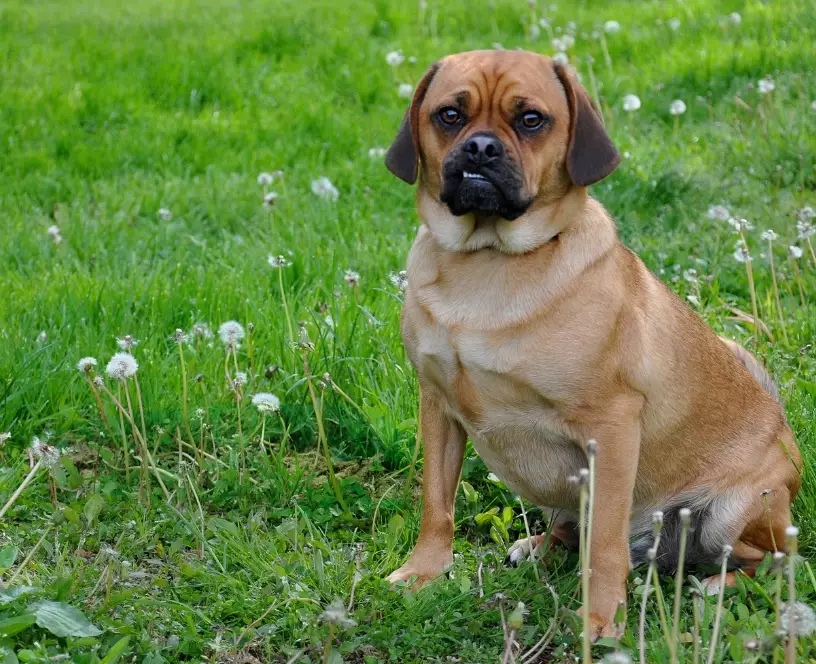
The biggest misconception? That all their breathing problems are solved. While the longer snout often helps, many Puggles still inherit the Pug's narrowed nostrils (stenotic nares) or elongated soft palate. On a hot day or after a run, listen for heavy, raspy breathing. It's not always just panting.
Here are the main health concerns to budget and plan for:
- Brachycephalic Syndrome: As mentioned, breathing issues are still common. Surgery can sometimes help.
- Hip Dysplasia: A malformation of the hip joint, common in both parent breeds. Maintain a healthy weight to reduce stress.
- Eye Problems: Cherry eye, dry eye, and corneal ulcers. Those big, prominent eyes are vulnerable.
- Epilepsy: Beagles can be prone to it, and it may appear in the mix.
- Obesity: This is owner-induced, but critical. A Puggle will eat anything, anytime. Their pleading eyes are legendary. Letting them get fat exacerbates every other health issue, especially joint and breathing problems.
A good diet, portion control, and regular vet check-ups are non-negotiable. Pet insurance, for a breed prone to these issues, is a smart investment from day one.
Training a Puggle: It's a Mind Game
Forget rigid, repetitive drills. Puggles get bored and tune you out. Their intelligence is paired with an independent streak. They'll ask, "What's in it for me?" for every command. The key is making training a game with high-value rewards (think small bits of chicken or cheese, not just kibble).
The #1 training priority for any Puggle owner must be rock-solid recall. Why? Because if they catch a rabbit's scent in the park, their Beagle brain takes over. They will run, deaf to your calls. This is not disobedience in that moment; it's centuries of breeding screaming louder than your voice. Never trust a Puggle off-leash in an unsecured area. I've spent hours chasing a client's Puggle through woods because a gate was left ajar. It's terrifying.
Housebreaking can also be a test of patience. They are sometimes slower to mature in this department than other breeds. Consistency and a schedule are your best tools. Crate training is highly recommended for safety and to aid in potty training.
The Real Cost of Owning a Puggle
Let's talk numbers, because the purchase price is just the start. I've seen Puggle puppies advertised anywhere from $800 to $2500. A lower price often signals a puppy mill or backyard breeder with no health testing. It's a gamble that usually costs more in vet bills later.
| Expense Category | Initial/One-Time Cost | Annual/Recurring Cost | Notes |
|---|---|---|---|
| Acquisition | $1,200 - $2,500 | N/A | From a responsible breeder. Adoption fees from a rescue are lower ($300-$500). |
| Start-Up Supplies | $300 - $600 | N/A | Crate, bed, bowls, leash, collar, ID tag, initial toys, puppy-proofing. |
| Veterinary Care | $200 - $500 (first shots, check-up) | $500 - $1,200+ | Annual exams, vaccines, preventatives (flea/tick/heartworm). This excludes emergency care for common issues like eye injuries or breathing crises. |
| Food & Treats | N/A | $400 - $700 | High-quality food to maintain healthy weight and skin. Puggles are prone to allergies. |
| Training & Socialization | $150 - $300 (puppy class) | Variable | Essential investment. Can prevent thousands in property damage and stress. |
| Grooming | N/A | $100 - $300 | Professional grooming 2-4 times a year for nail trims, gland expression, and deep shedding treatment. Weekly brushing at home is a must. |
You're looking at a likely $1,500 - $3,500 first year, and $1,200 - $2,500+ every year after. The high end isn't for luxury; it's for when the common health issues pop up. Budget for it.
Your Puggle Questions, Answered
 How do I deal with the infamous Puggle shedding?
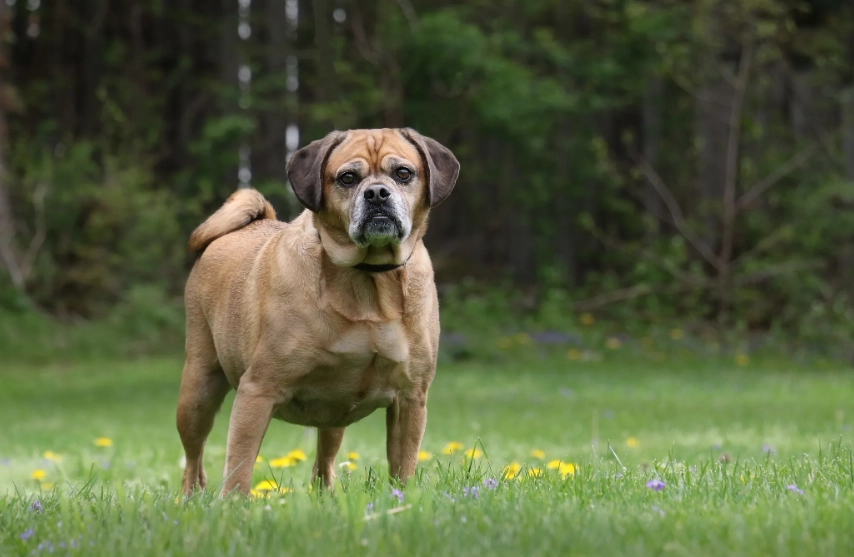 The Puggle isn't a low-maintenance accessory dog. They are a commitment to activity, engaging training, and proactive healthcare. But for the right person or family, who embraces their goofy, food-obsessed, and affectionate nature, they return that commitment with endless entertainment and loyal companionship. Look past the trend and see the real dog. If their true personality matches your lifestyle, you might just find your perfect, snorting, tail-wagging best friend.
Related Articles