The Schnoodle: Your Complete Guide to the Smart & Hypoallergenic Mix
So you're thinking about getting a Schnoodle. That little ball of curly fur and sharp intelligence has caught your eye, and you're wondering if this designer dog is the real deal or just another internet trend. I've been around dogs my whole life, trained dozens of breeds, and I've seen the Schnoodle go from a niche crossbreed to a mainstream favorite. Let me tell you, the hype is mostly real—but there are some quirks and commitments here that most generic breed guides completely miss.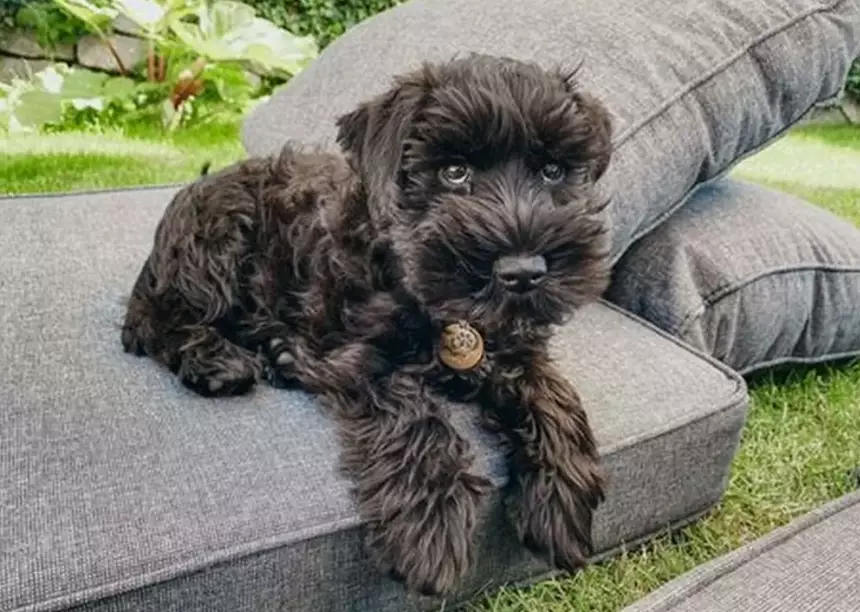
Your Schnoodle Roadmap
Jump straight to what matters most to you:
- What Exactly is a Schnoodle?
- Schnoodle Temperament: The Good, The Smart, The Stubborn
- Schnoodle Sizes & Looks: From Teacup to Standard
- Caring for Your Schnoodle: The Non-Negotiable Routine
- Schnoodle Health: What to Watch For
- Schnoodle Pros and Cons: Is This Dog For You?
- Your Schnoodle Questions Answered
What is a Schnoodle?
A Schnoodle is a cross between a Schnauzer and a Poodle. It's not a purebred recognized by major kennel clubs like the American Kennel Club (AKC), but rather a "designer dog" bred intentionally to combine the best traits of both parent breeds. The goal? The Poodle's low-shedding, hypoallergenic coat and high intelligence, mixed with the Schnauzer's loyalty, alertness, and sturdier build. The first deliberate crosses popped up a few decades ago, aiming to create a smart, family-friendly companion for people with allergies.
Here's the thing many blogs gloss over: there's no single "Schnoodle standard." Because you can cross a Miniature Schnauzer with a Miniature Poodle, a Standard Schnauzer with a Standard Poodle, or any combination in between, the results can vary wildly. This inconsistency is a double-edged sword, which we'll get into.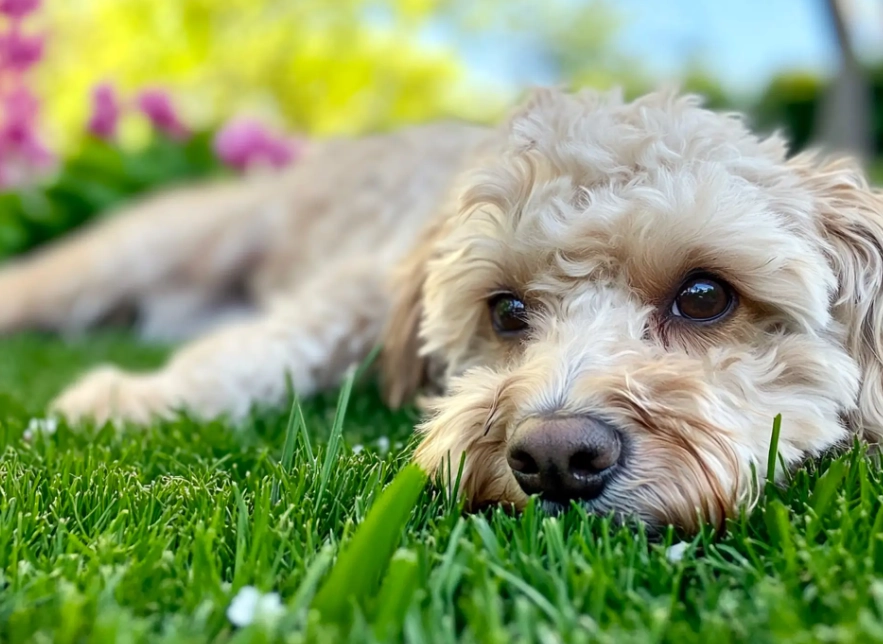
Schnoodle Temperament and Personality
If you want a dull dog, look elsewhere. The Schnoodle temperament is a lively cocktail. You're getting the Poodle's eagerness to please and problem-solving mind, fused with the Schnauzer's boldness and wariness of strangers. This makes them incredibly trainable—they pick up tricks and commands faster than most dogs I've worked with. They love being part of the family action.
But that intelligence has a flip side: boredom. A bored Schnoodle is a destructive Schnoodle. I've seen one figure out how to open a simple cabinet latch just for fun. They need mental stimulation as much as physical exercise.
Their Schnauzer heritage makes them excellent watchdogs. They'll bark to alert you. Socialization from a young age is critical to prevent this from tipping over into nuisance barking or shyness. With proper introduction, they're usually great with kids and can get along with other pets, though their prey drive (thanks, Schnauzer) might make them chase the family cat.
Key Temperament Takeaway: Think of a Schnoodle as a clever, energetic partner. They thrive on interaction and tasks. They're not the type to just lie at your feet all day unless they're properly exercised and engaged first.
Schnoodle Size, Weight, and Coat Types
This is where it gets specific, and where you need to pay close attention when talking to a breeder. The size depends entirely on the parents.
| Size Category | Parent Breeds | Expected Weight | Coat Type |
|---|---|---|---|
| Toy / Teacup Schnoodle | Toy Poodle x Miniature Schnauzer | 6 - 10 lbs | Fine, curly to wavy |
| Miniature Schnoodle | Miniature Poodle x Miniature Schnauzer | 10 - 20 lbs | Wavy to curly, most common |
| Standard Schnoodle | Standard Poodle x Standard Schnauzer | 20 - 75 lbs | Can be wiry (Schnauzer-like) or curly (Poodle-like) |
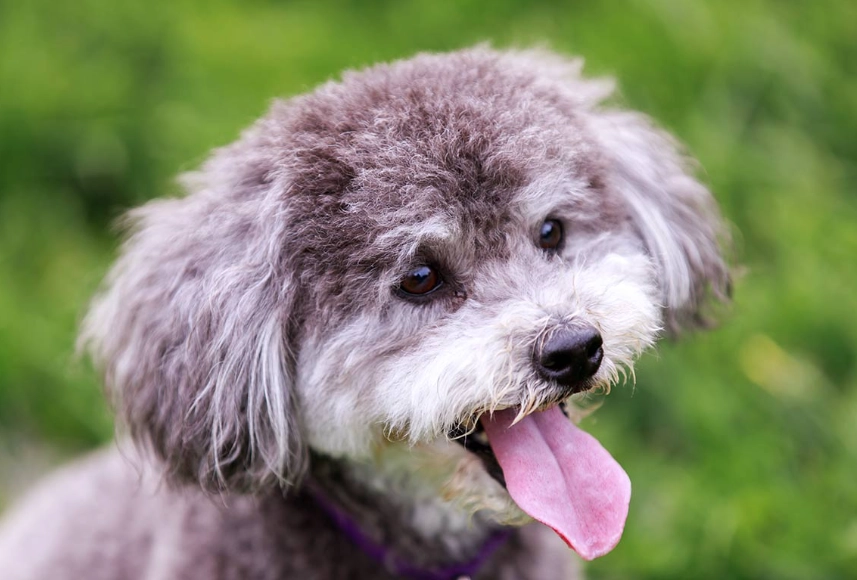
The coat is almost always low-shedding, but texture is a lottery. It can be soft and woolly like a Poodle, wiry like a Schnauzer, or a shaggy, wavy blend. Color varies too: black, silver, gray, white, apricot, or parti-colored. The "hypoallergenic" label mainly refers to reduced shedding, but no dog is 100% allergen-free. Allergens are in dander and saliva too.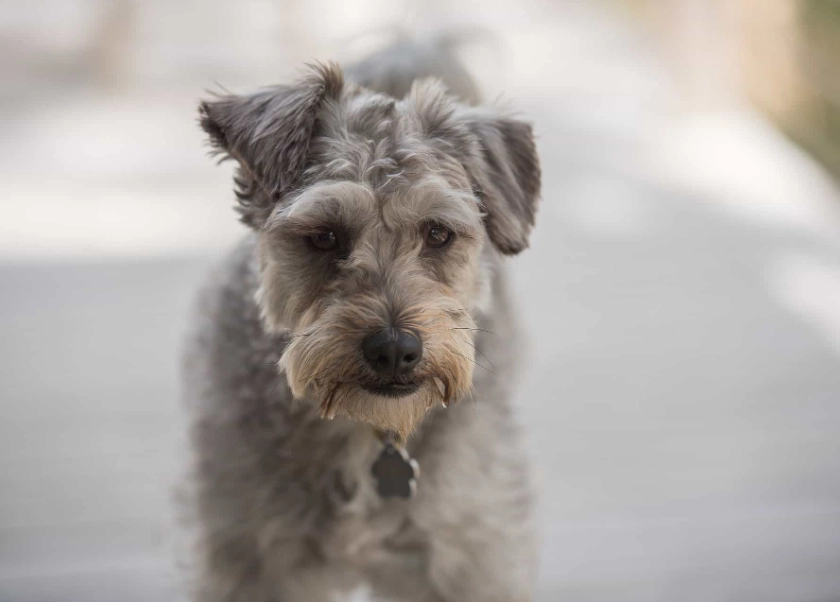
How to Care for a Schnoodle
Caring for a Schnoodle isn't overly hard, but it's consistent. Miss a few steps, and you'll have problems.
Grooming: It's a Commitment, Not a Suggestion
That cute, non-shedding coat becomes a matted mess without regular care. You need to brush them at least every other day with a slicker brush and a metal comb to reach the skin. Every 6-8 weeks, they need a professional haircut. Their facial hair grows long, so expect "mustache" drips after drinking water. Many owners keep the face trimmed short for practicality. Don't forget ear cleaning—those floppy Poodle ears can trap moisture.
Training Your Schnoodle
Start the day you bring them home. They're smart, so use positive reinforcement—treats, praise, play. Harsh methods will backfire. Focus on:
- Potty Training: Generally fast, but be consistent.
- Obedience Basics: Sit, stay, come. A must for control.
- Leash Training: That Schnauzer stubbornness can lead to pulling.
- Socialization: Expose them to different people, dogs, sounds, and surfaces before 16 weeks.
The biggest mistake I see? Owners stop challenging them after puppyhood. Keep introducing new tricks and games like puzzle feeders.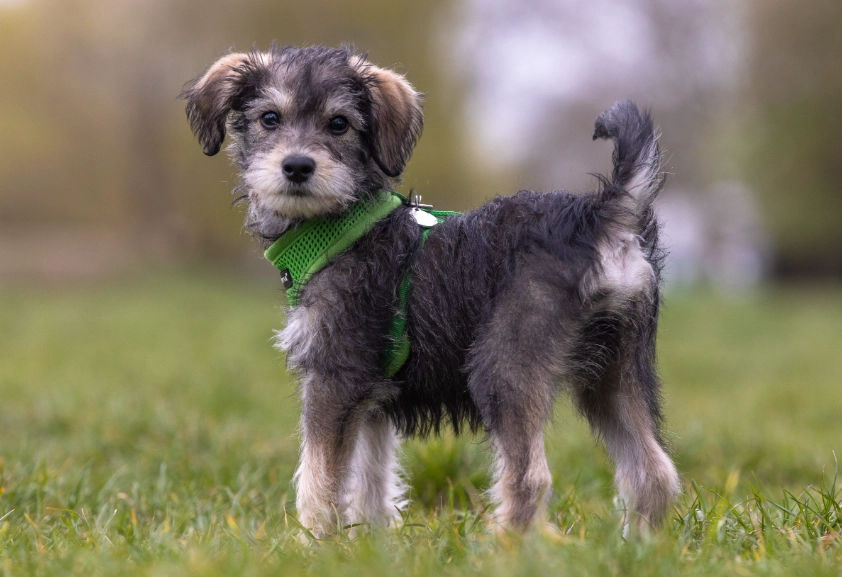
Exercise and Diet
Aim for 30-60 minutes of activity daily. This can be walks, fetch, or a dog park visit. Mental exercise counts too—a 15-minute training session can tire them out as much as a walk. For diet, feed high-quality food appropriate for their size and age. Schnoodles can be prone to obesity if overfed, so measure portions and limit treats.
Watch the Table Scraps: That intelligent, begging face is hard to resist, but human food can quickly lead to weight gain and picky eating habits. Stick to their regular diet and use their kibble as training rewards.
Schnoodle Health and Lifespan
Crossbreeds can benefit from "hybrid vigor," but they inherit health risks from both parents. A responsible breeder will test their parent dogs. A Schnoodle's lifespan is typically 12-16 years.
Common health issues to be aware of include:
- Progressive Retinal Atrophy (PRA): An eye disease that can lead to blindness. Ask the breeder for proof of parent eye screening from a body like the Canine Eye Registration Foundation (CERF).
- Hip Dysplasia: A joint condition. Reputable breeders screen parent dogs with x-rays evaluated by the Orthopedic Foundation for Animals (OFA).
- Patellar Luxation: A slipping kneecap, common in smaller breeds.
- Skin Allergies: They can be prone to itchy skin. A good diet and regular grooming help manage this.
- Dental Issues: Small mouths can mean crowded teeth. Regular brushing is essential.
Get pet insurance early, before any conditions appear.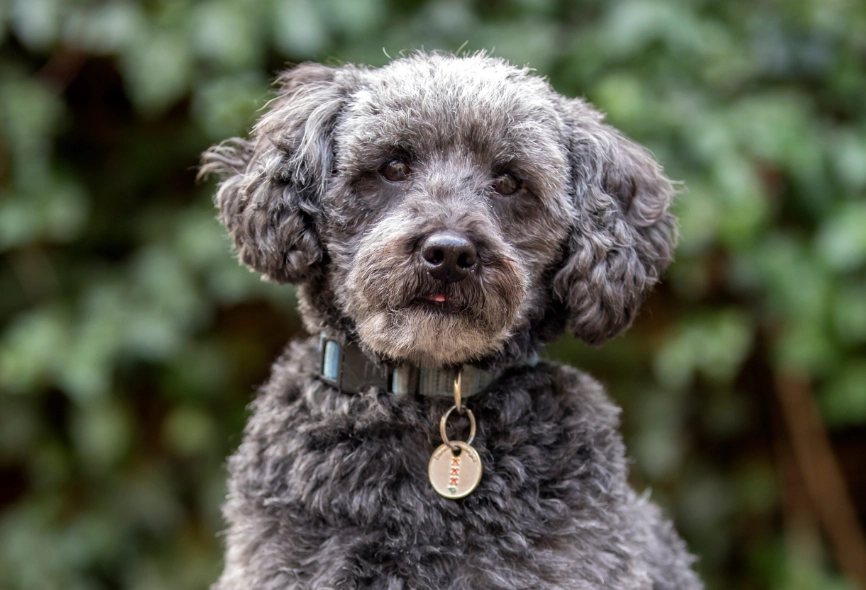
Schnoodle Pros and Cons: The Honest Breakdown
Let's cut through the marketing.
Pros:
- Highly intelligent and trainable. A joy to teach.
- Great for allergy sufferers. Minimal shedding.
- Affectionate and loyal family companions.
- Good lifespan for a small-to-medium dog.
- Versatile in size options to fit different living situations.
Cons:
- High grooming needs and cost. That haircut isn't optional.
- Prone to boredom and separation anxiety. Not ideal for people gone 10 hours a day.
- Can be barky if not trained.
- Inconsistent traits (size, coat) due to being a crossbreed.
- Can inherit health issues from either parent breed.
Your Schnoodle Questions Answered
Are Schnoodles really good for apartments?
Miniature and Toy Schnoodles can do very well in apartments, provided their exercise needs are met. A Standard Schnoodle in a small apartment is a tougher sell—they need more space. The bigger issue than square footage is noise. Their barking can annoy neighbors if not managed through training. The key is mental stimulation indoors and committed outdoor time.
How do I find a reputable Schnoodle breeder?
Avoid anyone who has multiple litters available at once or won't let you meet the mother dog. A good breeder will ask you as many questions as you ask them. They should provide clear health testing documentation for both parent dogs (for eyes, hips, etc.), offer a health guarantee for the puppy, and be a resource for you throughout the dog's life. Expect to pay $1,500 to $3,000+ for a puppy from a responsible breeder. Check breed-specific rescues too—Schnoodles end up there when owners underestimate the grooming or energy needs.
 My Schnoodle's coat is matting easily even with brushing. What am I doing wrong?
You're likely not brushing down to the skin or using the wrong tools. A slicker brush glides over the top of a dense coat. You must follow up with a long-toothed metal comb and ensure it reaches the skin without catching on any tangles. If you find a small mat, work it out gently with your fingers and the comb before it grows. For large mats, don't cause pain—a groomer needs to safely shave them out. Consider a shorter "puppy cut" hairstyle if maintenance is too challenging.
Do Schnoodles have a strong "doggy odor"?
Generally, no. Their Poodle heritage tends to give them a very mild, inoffensive smell as long as they are kept clean and dry. A strong odor is often a red flag. It could indicate impacted anal glands, a skin infection (common in folds or under mats), ear infection, or dental disease. If your Schnoodle starts to smell, don't just bathe them more—schedule a vet check to find the root cause.
Is the Schnoodle's intelligence overrated?
Not overrated, but often misunderstood. They are problem-solvers, not just obedient followers. This means they'll figure out how to get the treat off the counter, but they might also decide that your command is less interesting than the squirrel outside. Their intelligence requires you to be a thoughtful, engaging leader. If you want a dog that blindly obeys every time, a different breed might be a better fit. If you want a clever partner who keeps you on your toes, you've found it.
Related Articles