Angelfish Care Guide: From Tank Setup to Breeding Success
Let's be honest. You're not here because you think angelfish are just another fish. You saw those tall, elegant fins, that graceful movement, and maybe a stunning marble or koi pattern, and you got hooked. I did too, about fifteen years ago. But here's the thing nobody tells you at the pet store: treating angelfish like a common tetra is a fast track to a disappointing, expensive mistake. They're cichlids. They have personalities, territorial needs, and specific requirements that, if missed, lead to stunted growth, constant illness, or a tank that's a warzone. This guide cuts through the generic advice. We'll get into the real details of setting up a tank they'll thrive in, not just survive in, how to feed them properly, and even how to breed them successfully without the usual headaches.
What's Inside This Guide
- Getting to Know Your Angelfish: More Than Just a Pretty Face
- How to Set Up the Perfect Angelfish Tank
- The Non-Negotiables of Angelfish Water Chemistry
- Angelfish Feeding Guide: What, When, and How Much
- Choosing Tank Mates & Solving Common Problems
- A Step-by-Step Guide to Breeding Angelfish
- Your Angelfish Questions, Answered
Getting to Know Your Angelfish: More Than Just a Pretty Face
Scientific name: Pterophyllum scalare. That "Pterophyllum" part means "leaf-like fin," which is pretty accurate. They come from the slow-moving, vegetated waters of the Amazon Basin. This origin story is crucial—it explains why they hate strong currents and love tall plants. The angelfish you buy are almost certainly tank-bred, which is good for hardiness, but their genetic blueprint still expects Amazon-like conditions.
There are tons of varieties. Silver, gold, marble, koi, ghost, blushing, and the list goes on. The veil-tail varieties with extra-long fins are stunning but can be more prone to fin-nipping from other fish. A common pitfall I see is beginners choosing fish based only on color without considering the tank's background. A platinum angel might look stunning against black substrate and plants, while a silver one could disappear.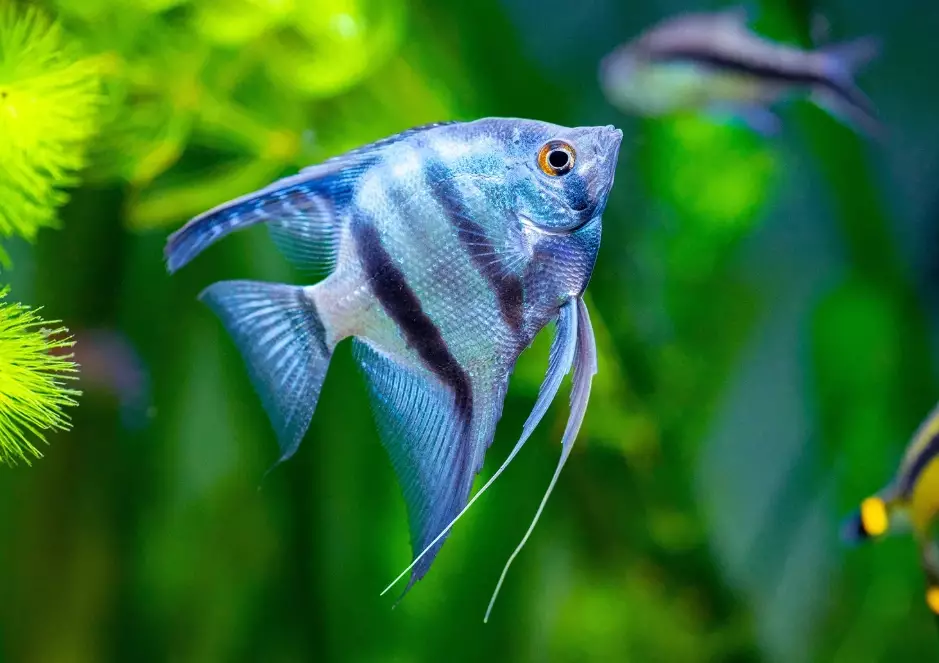
Pro Tip: When buying, look for clear eyes, full undamaged fins, and active swimming. Avoid fish that are hiding in a corner, have pinched stomachs, or show clamped fins (fins held tight to the body). Don't buy the smallest ones in the tank if you can help it; slightly larger juveniles often have a better survival rate.
How to Set Up the Perfect Angelfish Tank
This is where most failures happen. That 10-gallon tank you have? Forget it. Angelfish are vertical fish. A standard 10-gallon is too short. They need height.
The absolute minimum for a pair is a 30-gallon tall tank (36"x12"x16"). And that's just for two. If you want a small group, which is actually better for reducing aggression, you're looking at a 55-gallon tank or larger. I made the mistake of starting with a 20-gallon high. The angels survived but never reached their full potential, staying small and skittish. Upgrading to a 75-gallon was like night and day.
Essential Equipment Checklist
Filter: Canister or a large hang-on-back filter. They produce waste. You need filtration rated for at least twice the tank's volume. Sponge pre-filters on the intake are a must to protect their long fins.
Heater: A reliable adjustable heater. Never trust preset ones. You'll need a backup heater for power outages in winter.
Lighting: Moderate lighting is fine. They don't need super-bright LEDs, and in fact, subdued lighting can make them feel more secure and show better colors.
Substrate & Decor: Fine gravel or sand. Use tall plants—real or silk—like Amazon swords, Vallisneria, or tall stem plants. Driftwood is excellent for mimicking their biotope and releasing tannins. Provide vertical surfaces like broad-leaf plants or slate slabs; they might decide to spawn on them.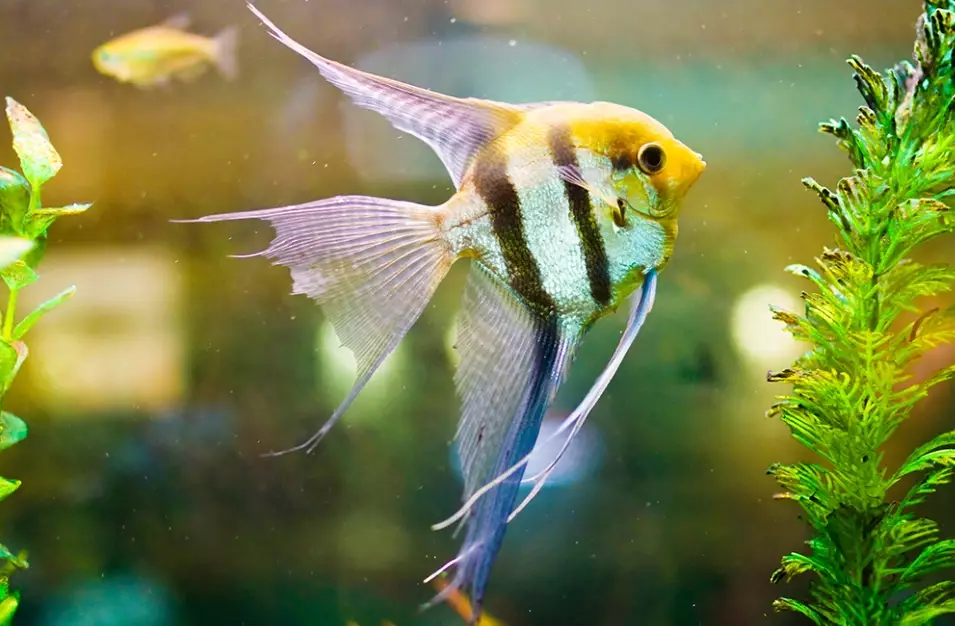
| Parameter | Ideal Range | Why It Matters |
|---|---|---|
| Tank Size | 30+ gallons tall | Vertical swimming space is critical for body shape and stress reduction. |
| Temperature | 78°F - 84°F (25.5°C - 29°C) | Warmer water boosts metabolism and immune function. I keep mine at 80°F. |
| pH Level | 6.8 - 7.8 | Stable is more important than perfect. Wild swings are deadly. |
| Water Hardness (dGH) | 3 - 8 | Soft to moderately hard is best, especially if you plan to breed. |
| Water Flow | Low to Moderate | Strong currents stress them. Baffle filter outputs if needed. |
The Non-Negotiables of Angelfish Water Chemistry
Angelfish are often sold as "beginner fish," but that's only true if your tap water happens to match their needs. Their real weakness isn't disease—it's poor water quality. Ammonia and nitrite spikes will kill them fast. But the silent killer is chronic exposure to high nitrates.
You need to keep nitrates below 20 ppm. How? Regular water changes. Not the "20% every two weeks" you might read elsewhere. I do a 25-30% water change every single week, without fail, using a gravel vacuum. This is the single most effective thing you can do for their long-term health. It prevents fin erosion, boosts appetite, and maintains vibrant color.
The Biggest Mistake: Using water straight from the tap during changes. Chlorine and chloramines are toxic. Always, always use a water conditioner like Seachem Prime. Let the new water sit and reach room temperature before adding it to avoid shocking the fish.
Angelfish Feeding Guide: What, When, and How Much
In the wild, they're ambush predators eating small fish and invertebrates. In your tank, they need variety. A high-quality flake or pellet should be the staple, but that's like you eating cereal for every meal.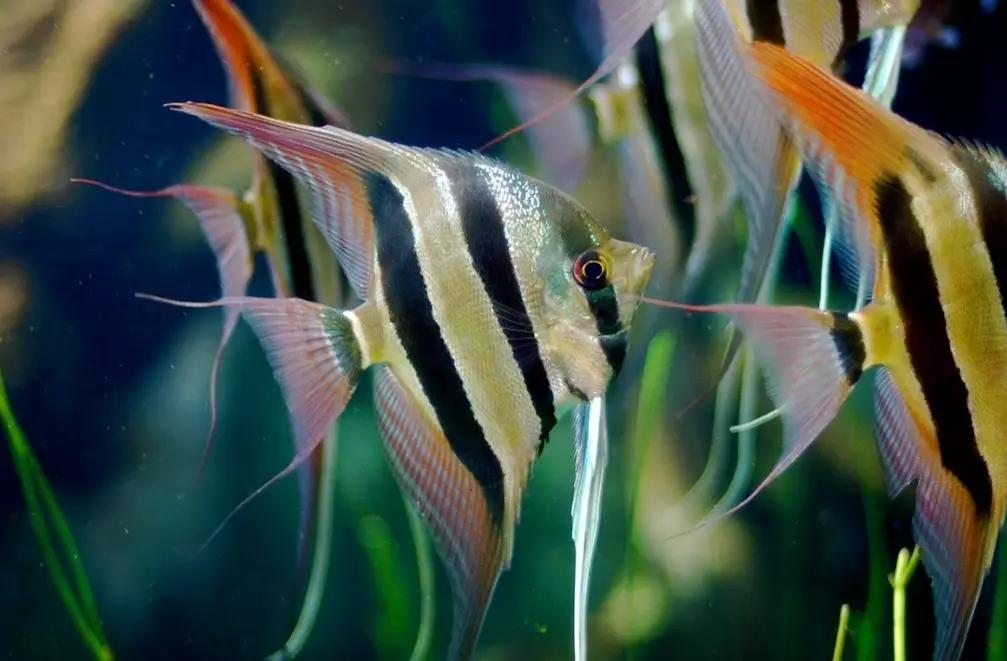
You must supplement. Here's my weekly rotation:
- Daily: Quality micro-pellets or flakes (like New Life Spectrum).
- 2-3 times a week: Frozen or live foods. Brine shrimp (for excitement), bloodworms (a treat, not a staple—they can be fatty), and mysis shrimp. Frozen is safer than live to avoid parasites.
- Once a week: A blanched vegetable like a small piece of zucchini or spinach clipped to the glass. They might ignore it at first, but some will nibble, and it's great for digestion.
Feed small amounts twice a day, only what they can consume in about 30 seconds. Overfeeding pollutes the water. If you see food sinking uneaten, you're feeding too much.
Choosing Tank Mates & Solving Common Problems
Angelfish can be semi-aggressive, especially when pairing up to breed. The classic mistake is putting them with fast, nippy fish like tiger barbs or small, bite-sized fish like neon tetras (yes, adult angels will eat neons).
Good Tank Mates: Larger tetras (Congo, Black Phantom), peaceful bottom dwellers (Corydoras catfish, Bristlenose plecos), dwarf cichlids like Rams, and larger peaceful gouramis. Always introduce tank mates that are of similar size.
Avoid: Fin-nippers, overly aggressive cichlids, and very small fish.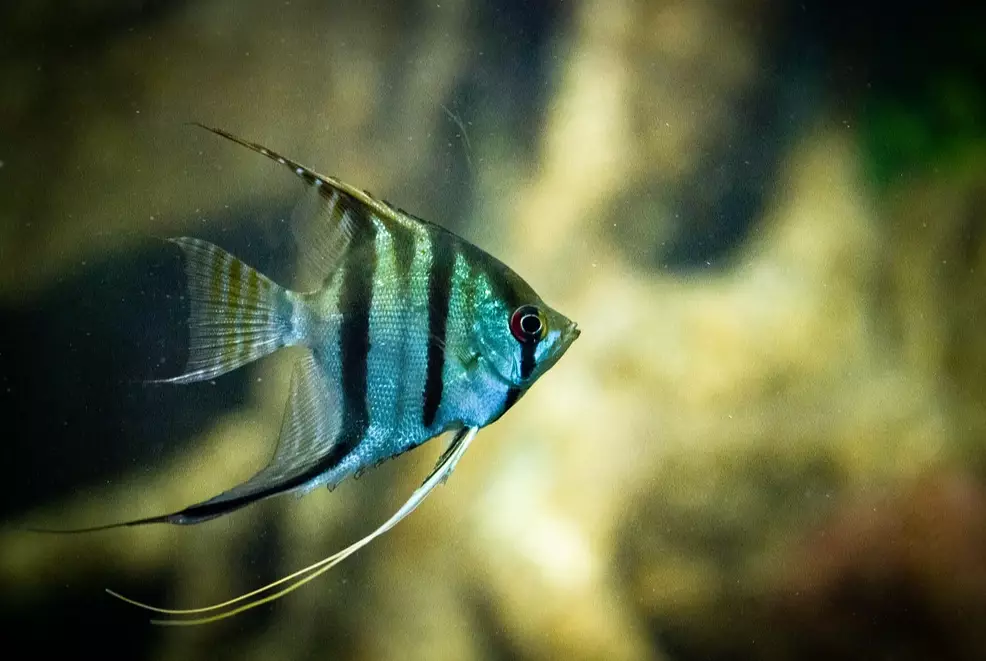
Common Health Issues
Ich (White Spot Disease): Looks like salt grains on fins and body. Raise the temperature gradually to 86°F for 10 days or use a copper-free medication. Ich is often stress-induced by poor water quality.
Fin Rot: Ragged, decaying fins. Almost always a water quality issue. Test your water, do a large water change, and consider a broad-spectrum antibiotic if it's bacterial.
Hole-in-the-Head Disease: Pits or holes around the head. Linked to poor nutrition and water quality. Improve diet with vitamin-rich foods and pristine water. Activated carbon in filters has been anecdotally linked to it; I don't use it routinely.
A Step-by-Step Guide to Breeding Angelfish
Breeding them is incredibly rewarding. You'll need a bonded pair. They choose each other. You might buy six juveniles, let them grow up together, and see two start hanging out, cleaning a leaf together—that's your pair.
- Condition the Pair: Feed them heavily with high-protein foods like live blackworms or beef heart for a couple of weeks.
- Set Up a Breeding Tank: A 20-gallon tall, bare-bottom (easier to clean), with a sponge filter, heater, and a vertical spawning slate or a broad plastic leaf. No substrate.
- Trigger Spawning: Do a large (50%) water change with slightly cooler water, then let the heater warm it back up. This mimics a rainy season in the Amazon.
- The Spawn: The female will lay rows of eggs on the slate; the male follows to fertilize them. They can lay hundreds.
- Parental Care (or Not): First-time parents often eat the eggs. If they do, next time you can remove the slate and hatch the eggs artificially in a separate container with mild aeration and methylene blue to prevent fungus.
- Raising Fry: Once hatched, the wigglers live off their yolk sac for days. When they become free-swimming, feed them freshly hatched baby brine shrimp multiple times a day. You must keep the fry tank impeccably clean.
It's work. The first few times I tried, I failed. Fungus got the eggs, or the fry starved. Patience and clean water are everything.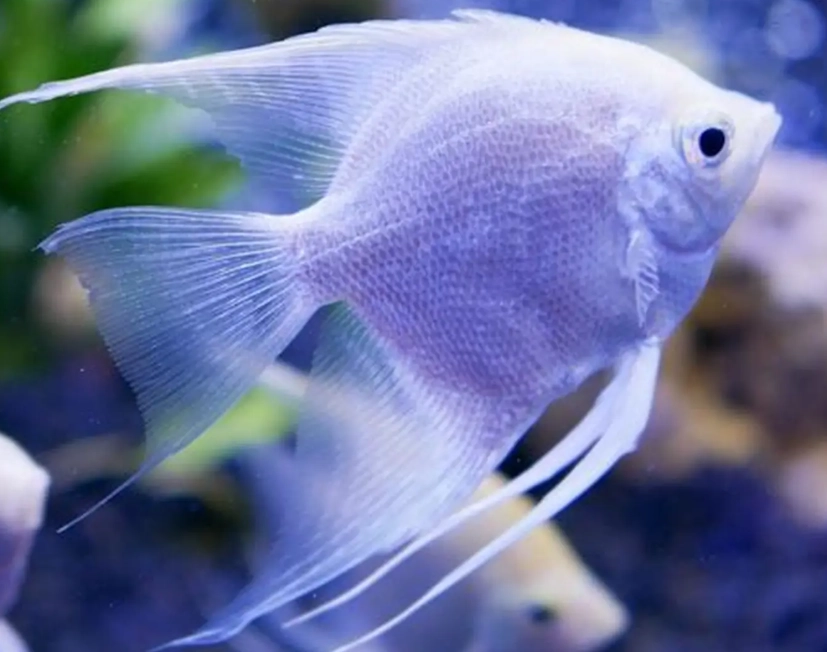
Your Angelfish Questions, Answered
Are angelfish good for beginners?
They can be, but with a big caveat. If you're a beginner committed to weekly maintenance, learning about water parameters, and starting with a sufficiently large tank (30+ gallons), then yes. If you want a "set it and forget it" fish for a small bowl, absolutely not. Their size and sensitivity to water conditions make them more intermediate.
Can I keep angelfish with shrimp?
I wouldn't recommend it. Even large Amano shrimp might be safe for a while, but angelfish are curious and pecky. Any shrimp small enough to fit in their mouth (like cherry shrimp) will eventually become an expensive snack. If you must try, provide extremely dense moss and plant cover for the shrimp to hide in.
How long do angelfish live?
With excellent care, 10 years or more is possible. The average in a home aquarium is probably 5-8 years. Poor water quality, inconsistent temperatures, and a poor diet will drastically shorten their lifespan.
 Why are my angelfish fighting?
They're establishing a hierarchy, especially in a group. Some chasing and lip-locking is normal. Severe, constant aggression usually means the tank is too small, there aren't enough visual barriers (plants, decor), or the gender ratio is off. A single angelfish is often more stressed than one in a group, oddly enough.
My angelfish isn't eating. What's wrong?
First, test your water for ammonia, nitrite, and nitrate. Poor water quality is the #1 cause of appetite loss. Second, consider stress from tank mates or an incorrect environment (e.g., water too cold, flow too strong). Third, they might be bored of the same food. Try offering a live or frozen treat to stimulate their interest. If none of this works and other symptoms appear, it could be an internal parasite.
Where can I learn more about specific angelfish diseases?
For accurate, science-based information on fish health, I rely on resources from the FishBase taxonomic database and the detailed disease profiles found on reputable aquarium sites like Seriously Fish. Always cross-reference symptoms before treating.
Related Articles