Leonberger Dog Breed: Complete Guide to Care, Training, and Temperament
So you're curious about Leonbergers. Maybe you saw one at the park—a massive, lion-like dog with a gentle demeanor—and wondered if it could be your next family member. I've been around large breeds for over a decade, and let me tell you, Leonbergers are special, but they're not for everyone. In this guide, I'll walk you through everything from their history to the nitty-gritty of daily care, based on my own experiences and common pitfalls I've seen new owners make.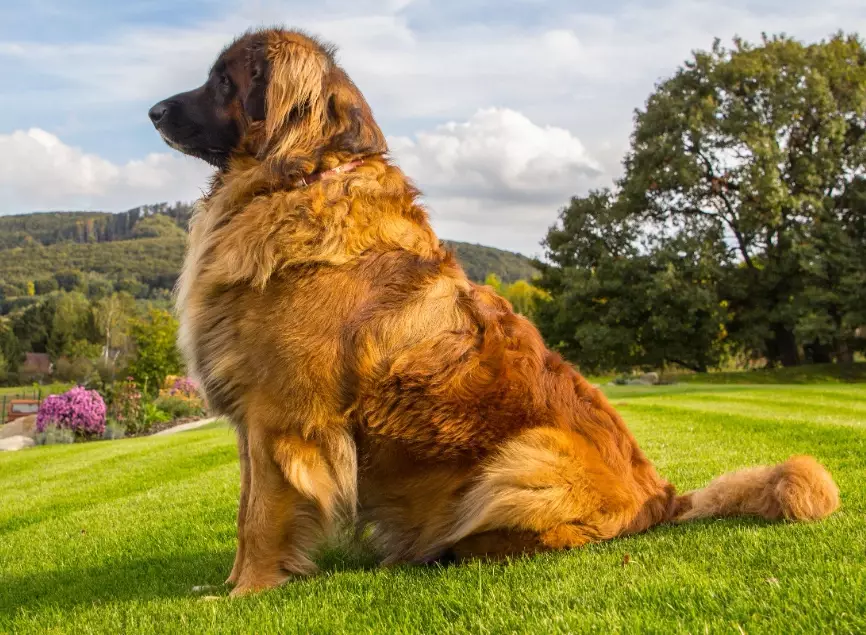
What You'll Find in This Guide
What is a Leonberger?
Leonbergers are giant dogs originally bred in Germany, named after the town of Leonberg. They were created in the 19th century by crossing breeds like Newfoundlands, Saint Bernards, and Pyrenean Mountain Dogs. The goal was to produce a majestic companion that resembled a lion, hence the name. Today, they're recognized by kennel clubs worldwide, including the American Kennel Club (AKC), which classifies them as a working group breed.
Origin and History
The breed's founder, Heinrich Essig, aimed to create a symbol of pride for Leonberg. It's a mix of strength and gentleness—traits that still define them. Over time, they've served as rescue dogs and family guardians, but their popularity surged as loyal pets.
Physical Characteristics
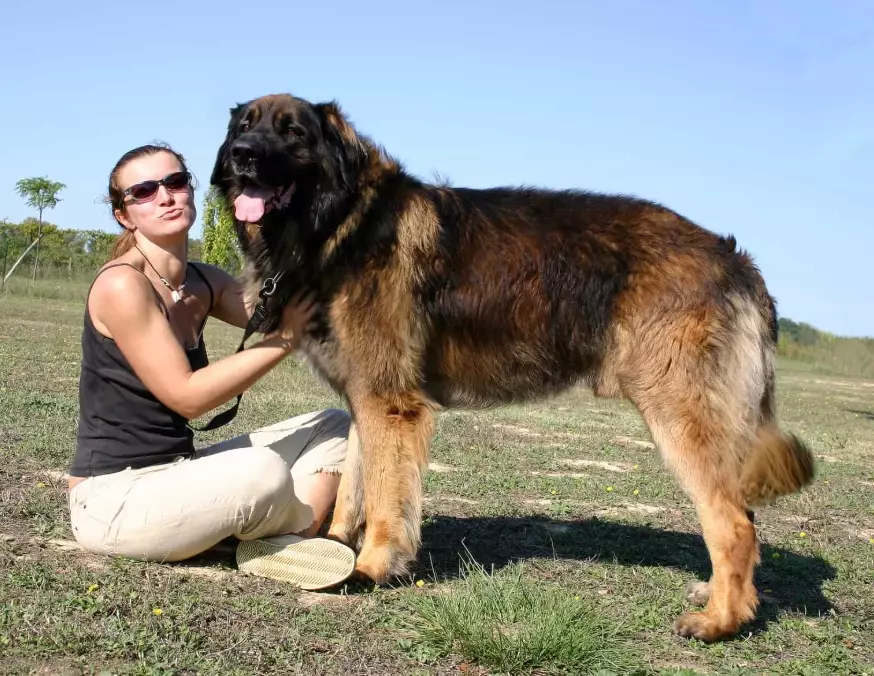
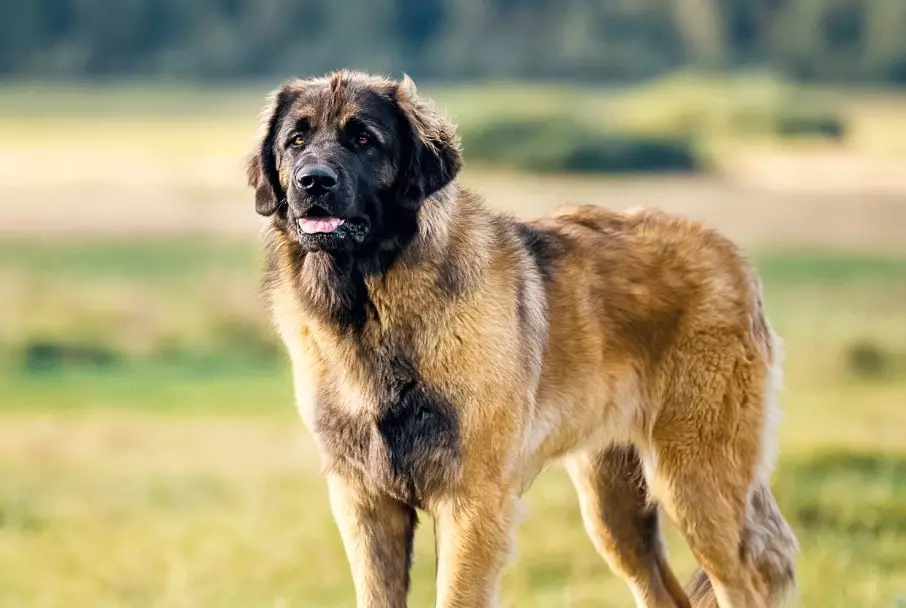
Leonbergers are huge. Males can weigh 120-170 pounds and stand 28-31 inches tall. Females are slightly smaller. They have a double coat: a dense undercoat and a longer, water-resistant outer coat. Colors range from lion-yellow to red-brown, often with a black mask. Their webbed feet make them strong swimmers, a trait inherited from their Newfoundland ancestors.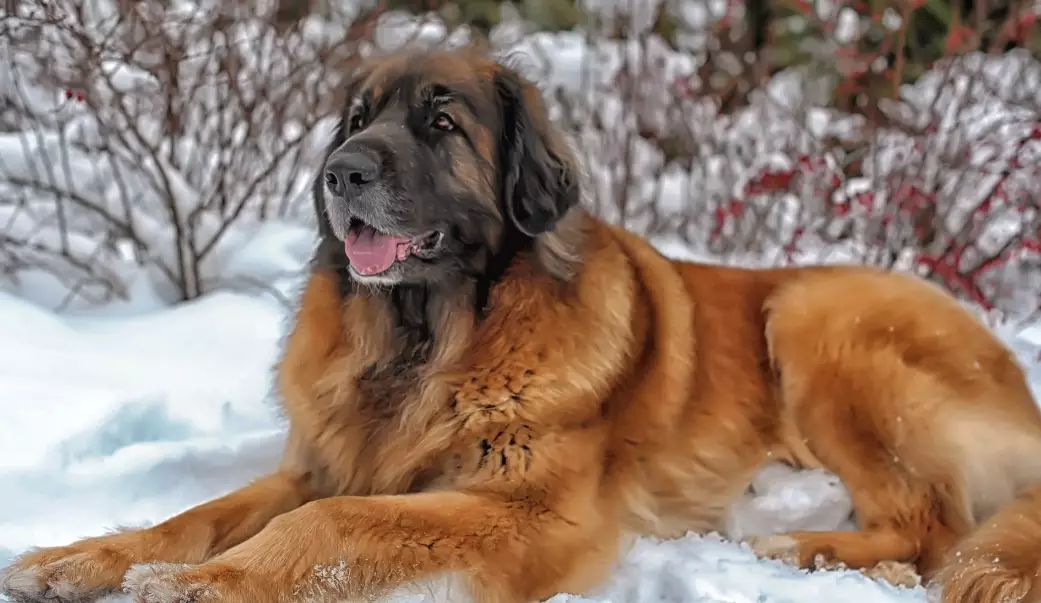
Fun fact: Despite their size, Leonbergers are known for their "gentle giant" reputation. But don't let that fool you—they need plenty of space and exercise.
Leonberger Temperament and Personality
If you're looking for a guard dog that's more teddy bear than terror, Leonbergers fit the bill. They're typically calm, confident, and good with children. I've seen them tolerate toddlers climbing on them without a flinch. However, their temperament depends heavily on socialization. A poorly socialized Leonberger can become shy or anxious, which is a common mistake new owners make by assuming their natural gentleness means no training is needed.
They're intelligent but can be stubborn. Think of them as the wise old soul of the dog world—they'll listen, but only if they see a point to it. Early exposure to different people, pets, and environments is crucial. According to the Leonberger Club of America, consistent positive reinforcement from puppyhood shapes their friendly nature.
How to Care for a Leonberger
Caring for a Leonberger is a big commitment. They're not apartment dogs; a house with a yard is ideal. Let's break it down.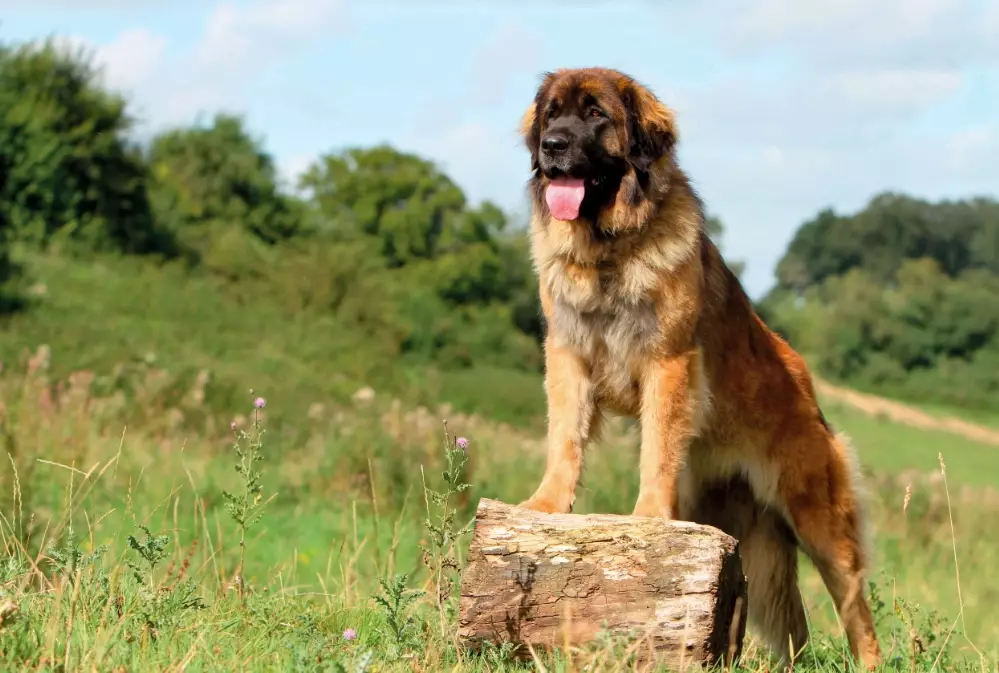
Diet and Nutrition
These dogs eat a lot. An adult Leonberger may need 4-6 cups of high-quality dry food per day, split into two meals to prevent bloat—a serious health risk in large breeds. I recommend brands with real meat as the first ingredient, like those approved by the Association of American Feed Control Officials (AAFCO). Avoid cheap fillers; it's worth the extra cost to prevent joint issues later.
Exercise Requirements
Leonbergers need moderate exercise: about 60-90 minutes daily. This includes walks, playtime, and mental stimulation. A common error is over-exercising puppies, which can harm their developing joints. Stick to short, frequent sessions until they're over 18 months old. Swimming is excellent for them; it's low-impact and taps into their natural abilities.
Grooming Needs
Get ready for shedding. Their double coat sheds heavily, especially during seasonal changes. Brush at least 2-3 times a week to prevent mats and reduce hair around the house. Use a slicker brush and undercoat rake. Bathing every 6-8 weeks is enough unless they get muddy. Don't forget nail trimming and ear cleaning to avoid infections.
| Care Aspect | Details | Frequency |
|---|---|---|
| Brushing | Use slicker brush for outer coat, undercoat rake for shedding | 2-3 times per week |
| Bathing | Use dog-specific shampoo to maintain coat oils | Every 6-8 weeks |
| Nail Trimming | Keep nails short to prevent joint stress | Every 3-4 weeks |
| Dental Care | Brush teeth or use dental chews to prevent tartar | Daily if possible |
Training Your Leonberger
Training a Leonberger requires patience. They respond best to positive reinforcement—treats, praise, and play. Harsh methods backfire; these dogs are sensitive and will shut down if yelled at.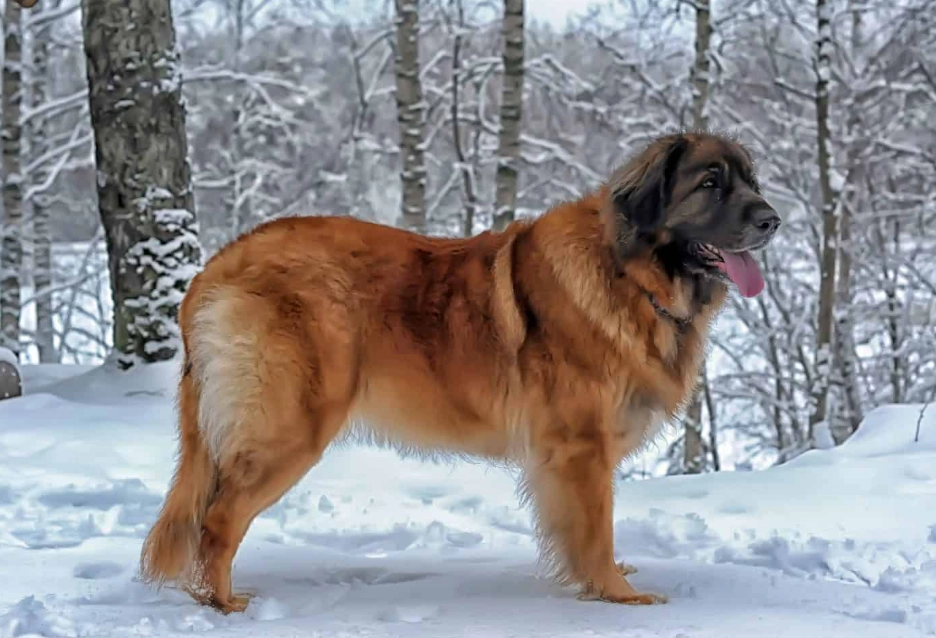
Basic Obedience
Start with commands like sit, stay, and come. Leash training is vital because of their size; a pulling Leonberger is hard to control. Use a front-clip harness to reduce pulling. I've found that short, fun sessions (5-10 minutes) work better than long drills.
Socialization Tips
Expose your puppy to various sights, sounds, and smells early on. Take them to parks, pet-friendly stores, and invite guests over. A well-socialized Leonberger is less likely to develop fear-based aggression. Many owners skip this, thinking their dog's calm nature will suffice, but it's a recipe for anxiety in new situations.
Common Health Issues in Leonbergers
Leonbergers are prone to certain health problems. Being aware helps you catch issues early. Hip dysplasia is a big one—a malformation of the hip joint that can lead to arthritis. Elbow dysplasia and heart conditions like dilated cardiomyopathy are also concerns. According to health surveys from the Leonberger Health Foundation, regular vet check-ups and genetic testing from reputable breeders can mitigate risks.
Another often-overlooked issue is bloat (gastric dilatation-volvulus). It's life-threatening and common in deep-chested breeds. Feed smaller meals, avoid vigorous exercise after eating, and know the signs: restlessness, drooling, and a swollen abdomen. If you see these, get to a vet immediately.
Here's a quick list of key health points:
- Hip and elbow dysplasia: Screen parents via OFA (Orthopedic Foundation for Animals) certifications.
- Heart disease: Annual vet checks with echocardiograms recommended.
- Cancer: Leonbergers have a higher risk; watch for lumps or weight loss.
- Eye problems: Progressive retinal atrophy can occur; regular eye exams help.
Is a Leonberger Right for You?
Deciding to get a Leonberger isn't just about loving big dogs. Consider your lifestyle. They thrive in active families with space. If you work long hours or have a tiny home, this breed might struggle. Financially, costs add up: food, grooming, vet bills (think $1,000+ annually for basics), and potential health treatments.
Adoption vs. buying: Rescue groups like Leonberger Rescue Inc. offer adults, but puppies from ethical breeders (who health-test) are pricier ($2,000-$3,000). I've seen too many people impulse-buy because of the breed's looks, only to rehome them when the shedding or exercise needs hit. Do your homework.
Frequently Asked Questions
Are Leonbergers good with small children despite their size?
Generally, yes—they're known for being gentle and patient. But supervision is key. Their large size means they can accidentally knock over a toddler during play. Early socialization with kids teaches them to be calm. I've had clients whose Leonbergers became the kids' protectors, but it requires training from day one.
How do I manage Leonberger shedding in my home?
Regular brushing is your best defense. Use a high-quality deshedding tool during peak seasons. Invest in a good vacuum cleaner designed for pet hair. Some owners find adding omega-3 supplements to the diet reduces shedding. It's a ongoing task; if you're not prepared for daily cleanup, this breed might not be for you.
 What's the biggest mistake new Leonberger owners make?
Underestimating their exercise and mental needs. Many think a big yard is enough, but Leonbergers crave interaction and structured activities. Without it, they can develop destructive behaviors like chewing or digging. I recommend incorporating puzzle toys and training games into their routine to keep them engaged.
Can Leonbergers live in hot climates?
They tolerate cold better than heat due to their thick coat. In hot areas, provide plenty of shade, fresh water, and air conditioning. Limit outdoor activity during peak heat. I've seen Leonbergers overheat quickly, so monitor them for signs of distress like excessive panting or lethargy.
How long do Leonbergers typically live?
Their lifespan is 8-10 years, which is average for giant breeds. With excellent care—proper diet, regular vet visits, and avoiding obesity—some live into their early teens. Focus on quality of life; joint supplements and weight management can extend their healthy years.
Wrapping up, Leonbergers are incredible companions if you're ready for the commitment. They offer loyalty and love in a giant package, but demand time, space, and dedication. Start by connecting with breed clubs or rescues to learn more. Remember, a happy Leonberger is a well-cared-for one.
Related Articles