Can Dogs Eat Sweet Potatoes? A Vet's Complete Safety Guide
Let's cut to the chase. Yes, dogs can eat sweet potatoes. In fact, they're one of the better vegetable treats you can offer. But that "yes" comes with a stack of non-negotiable rules. Get the preparation wrong, or ignore the portion size, and you can turn a healthy snack into a vet visit. I've seen it happen more often than you'd think. This guide will walk you through exactly how to do it right, based on a decade of clinical experience and the latest nutritional science.
In This Guide: What You'll Learn
Are Sweet Potatoes Good for Dogs? Beyond the Hype
Sweet potatoes aren't just a trendy filler in boutique dog food. They pack a legitimate nutritional punch. The key is understanding what those nutrients actually do for your dog's body.
First, the fiber. Sweet potatoes are loaded with dietary fiber, both soluble and insoluble. This isn't just about keeping things "regular." Soluble fiber acts as a prebiotic, feeding the good bacteria in your dog's gut. A healthy gut microbiome is linked to better immunity, healthier skin, and even improved mood. The insoluble fiber adds bulk to stool, which can help dogs with occasional soft stools. But here's the catch I tell every client: too much fiber, too fast, is a guaranteed recipe for gas and bloating. You must introduce it slowly.
Then there are the vitamins. Beta-carotene, which the body converts to Vitamin A, is the star. It's crucial for vision, immune function, and skin health. They're also a source of Vitamin C, an antioxidant, and Vitamin B6 for energy metabolism. The mineral profile includes manganese for bone health and potassium for nerve and muscle function.
Quick Comparison: How do sweet potatoes stack up against white potatoes for dogs? It's not even close. White potatoes, especially raw or green ones, contain solanine, a compound that can be toxic to dogs. Sweet potatoes belong to a different plant family (morning glory vs. nightshade) and don't contain solanine. Their nutritional density, particularly in fiber and beta-carotene, is also significantly higher.
How to Prepare Sweet Potatoes for Dogs: A Step-by-Step Safety Protocol
This is where most well-meaning owners slip up. The method matters as much as the ingredient.
Rule #1: Always Cook Them
Never, ever feed raw sweet potato to your dog. The raw tuber is very hard for dogs to digest. It can cause intestinal blockage or severe stomach upset. Cooking breaks down the starches and fibers, making it digestible and unlocking the nutrients.
The Best Cooking Methods (Ranked)
Not all cooking is equal. Here’s my vet-recommended hierarchy:
- Baking or Steaming: The gold standard. These methods preserve the most nutrients without adding fats. Pierce the skin, bake at 400°F (200°C) until very soft, or steam chunks until mashable.
- Boiling: Effective and simple, but some water-soluble vitamins (like Vitamin C and B6) leach into the water. If you boil them, consider using the cooled cooking water to moisten your dog's regular food for an extra nutrient boost.
- Dehydrating: Great for making chewy treats. Slice thinly, dehydrate until leathery, not brittle. Avoid store-bought sweet potato chews unless you trust the brand explicitly—many add preservatives or sugars.
What about the skin? This is a personal call. The skin has extra fiber and nutrients, but it's also tougher and may harbor dirt. For smaller dogs or those with sensitive stomachs, I recommend peeling. For larger, robust dogs, a thorough scrub and organic sourcing might make the skin okay. When in doubt, peel it.
The Absolute "Do Not" List
NEVER add these to your dog's sweet potato: Butter, salt, brown sugar, marshmallows, maple syrup, nutmeg, or any spices from your holiday casserole. These additions can cause pancreatitis, sodium ion poisoning, or other toxic reactions. The sweet potato must be plain.
The Risks and Hidden Dangers of Feeding Sweet Potatoes
Calling sweet potatoes "safe" doesn't mean they're risk-free. You need to be aware of these potential issues.
Vitamin A Toxicity: This is a long-term, chronic risk, not an acute one. Sweet potatoes are high in beta-carotene, which the body converts to Vitamin A as needed. However, if you're also feeding a diet already rich in Vitamin A (like lots of liver), and then piling on sweet potatoes daily for months, you could theoretically exceed safe levels. Symptoms include bone deformities and joint pain. The solution? Moderation and variety. Don't let sweet potatoes become the only vegetable in your dog's life.
Choking and Blockage Hazard: Always mash, puree, or cut cooked sweet potato into appropriate, bite-sized pieces. A large, dense chunk can be a choking risk or cause an obstruction, especially in eager eaters.
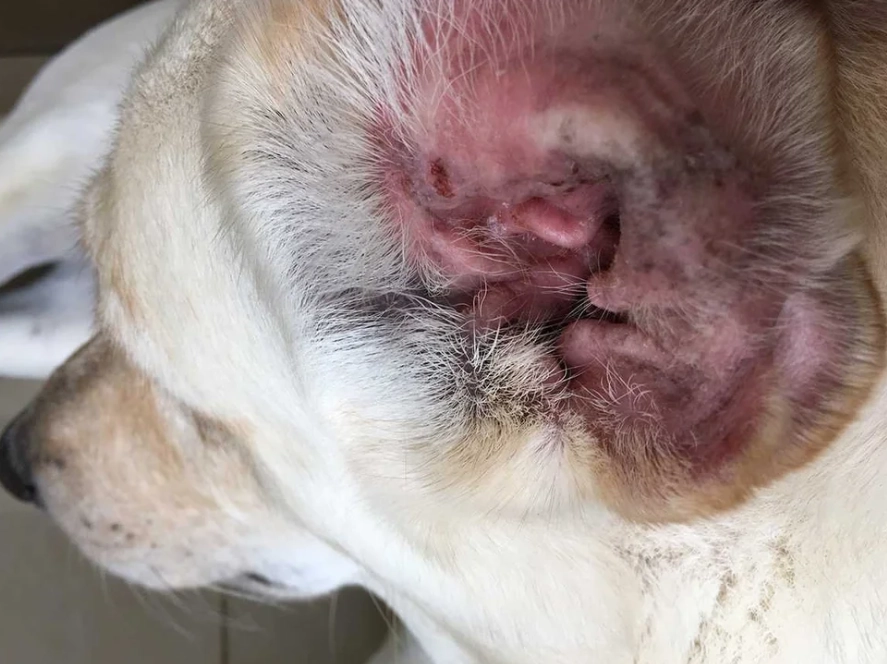
Allergic Reaction: While uncommon, dogs can be allergic to anything. The first time you introduce sweet potato, give a tiny amount (a teaspoon for a medium dog) and watch for 24 hours for signs of itching, hives, ear inflammation, or gastrointestinal distress.
The Biggest Mistake I See: Owners using sweet potato as a cure-all for diarrhea. Because of its fiber content, it can help firm up stools in some cases. But if the diarrhea is caused by a bacterial infection, pancreatitis, or a foreign body, feeding sweet potato can make things worse by giving the bad bacteria more to feed on. Always consult your vet for persistent digestive issues.
Serving Size Guide: How Much Sweet Potato is Too Much?
Treats, including healthy vegetables, should never make up more than 10% of your dog's daily caloric intake. Sweet potato is relatively calorie-dense for a vegetable (about 86 calories per 100g cooked).
Here’s a practical, weight-based guideline. These amounts are for plain, cooked sweet potato given as an occasional treat, not a daily staple.
| Dog Weight | Maximum Treat Portion (Per Day) | What It Looks Like |
|---|---|---|
| Small (under 20 lbs / 9 kg) | 1-2 teaspoons | About half a tablespoon, mashed. |
| Medium (20-50 lbs / 9-23 kg) | 1-2 tablespoons | A heaping spoonful or two small cubes. |
| Large (50-90 lbs / 23-41 kg) | 2-3 tablespoons | A small handful of mashed potato or several cubes. |
| Giant (over 90 lbs / 41 kg) | 1/4 cup max | A modest scoop. Still just a treat, not a side dish. |
Start with even less than these amounts when introducing it. If your dog has diabetes, consult your vet first, as sweet potatoes have a higher glycemic index than some other vegetables.
Frequently Asked Questions: Your Doubts Cleared
My dog ate a piece of raw sweet potato that fell on the floor. Should I panic?
A single, small piece likely won't cause more than a bit of gas or an unusual stool. Panic isn't necessary, but do monitor closely. The real risk is with larger quantities or for small breed dogs. Watch for signs of gastrointestinal obstruction over the next 24-48 hours: vomiting, loss of appetite, lethargy, or straining to defecate. If you see any of these, call your vet immediately.
Are canned sweet potatoes or yams safe for dogs?
Almost always no. The canned varieties meant for human holidays are typically packed in heavy syrup with added sugars and spices. These are dangerous for dogs. Even cans labeled "in water" may have added salt or preservatives. The only exception would be a pure, organic, unsweetened, additive-free puree—and you must read the ingredient list like a hawk. It's far safer and cheaper to just bake a fresh one.
Can I use sweet potato to help my dog gain or lose weight?
It depends, and you need to be strategic. For weight gainin a picky or underweight dog, adding a small amount of mashed sweet potato to their regular high-quality food can increase palatability and add digestible calories. For weight loss, some owners use a tablespoon or two of pureed sweet potato as a low-fat, satisfying topper to bulk up a reduced-calorie meal, making their dog feel fuller. However, because it does contain calories and carbs, you must account for those treats by slightly reducing their main meal kibble. Don't just add it on top. A vet or canine nutritionist can help you calculate this precisely.
My dog has kidney disease. Are sweet potatoes okay?
This requires a direct conversation with your veterinarian or a board-certified veterinary nutritionist. Sweet potatoes are moderately high in potassium. In some stages of kidney disease, potassium levels need to be carefully managed. Your vet will know your dog's specific bloodwork and can give a definitive yes or no based on their individual needs.
I see sweet potato in many commercial dog foods. Does that mean it's a complete food?
Absolutely not. In commercial diets, sweet potato is used as a source of digestible carbohydrates, fiber, and vitamins—it's a component of a balanced formula that includes animal protein, fats, and other essential nutrients. Feeding only sweet potato would lead to severe malnutrition. It is a supplement or a treat, never a meal replacement.
So, back to the original question: can dogs eat sweet potatoes? The answer is a confident, but carefully qualified, yes. When prepared plainly, cooked thoroughly, and served in moderation, they can be a nutritious and enjoyable treat. They are not a magic bullet or a necessary part of a dog's diet, but they are a safe option in the toolkit of a mindful pet owner. The biggest takeaway? Your dog's health hinges on the details—the "how," "how much," and "how often" are what separate a healthy snack from a problem. When you get those right, sharing a bit of your sweet potato can be a simple, safe pleasure.
Related Articles