Breeding Pembroke Welsh Corgis: A Complete Guide for Responsible Breeders
Let's cut to the chase: breeding Pembroke Welsh Corgis is not about creating Instagram-worthy litters of fluffy potatoes. It's a serious, expensive, and emotionally taxing commitment that demands a deep understanding of canine genetics, health, and ethics. If you're drawn to the idea because you love your dog and think "more corgis must be better," you need to read this first. I've been involved with the breed for over a decade, and I've seen the heartbreaking results when well-meaning owners dive in unprepared. This guide isn't a romanticized view; it's a practical, step-by-step manual for doing it right, if you decide it's truly the path for you.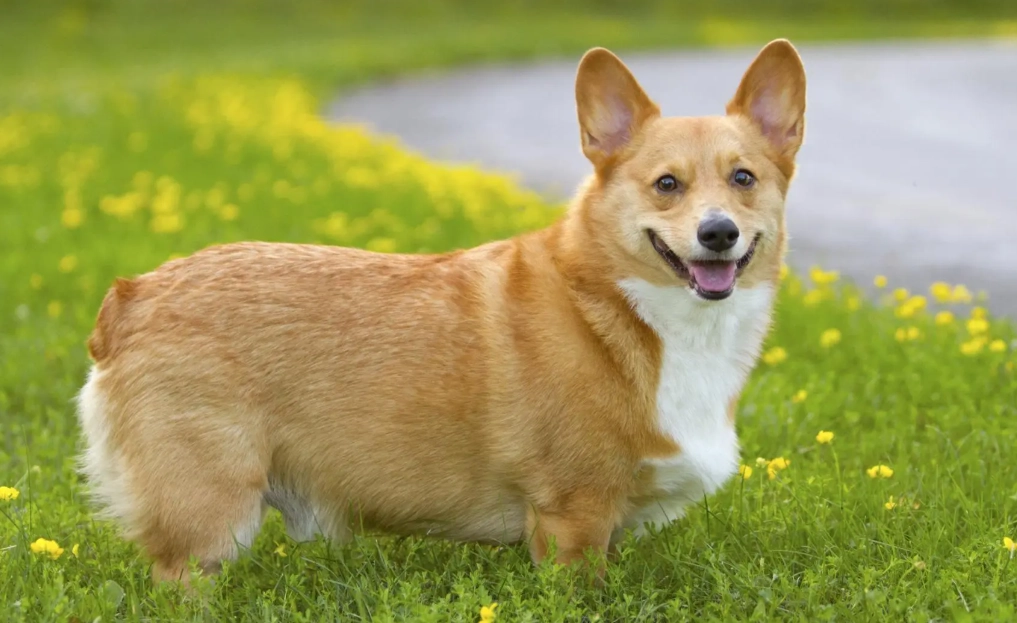
What's Inside This Guide?
Is Breeding Corgis Right for You?
Ask yourself these questions honestly. This isn't a checklist to breeze through.
What are your goals? Improving the breed is the only acceptable answer. This means breeding for health, temperament, and structure that aligns with the breed standard set by the American Kennel Club (AKC) and the Pembroke Welsh Corgi Club of America (PWCCA). Breeding for a specific color (like hoping for a "rare" blue merle, which isn't a recognized Pembroke color and indicates mixed ancestry) or just to make money is a recipe for disaster and contributes to pet overpopulation.
Do you have the right foundation? Your potential breeding dog should be an excellent example of the breed. This goes beyond being cute. Have they earned titles in conformation, obedience, or herding? Do they have a stable, confident temperament? If your dog is overly shy, reactive, or has significant structural flaws (like a roached back or extremely poor movement), they should not be bred, no matter how much you love them.
Can you handle the financial and emotional burden? A single emergency C-section can cost $3,000-$5,000. Comprehensive health testing for both parents can easily exceed $1,500. You'll need supplies, high-quality food, and potentially vet care for a sick puppy that you keep for weeks. You are also responsible for every puppy for its entire life. What happens if an owner loses their job and returns the dog at age three? Are you prepared to take it back?
The Essential Pre-Breeding Health Checklist
This is non-negotiable. Skipping any of these is unethical. The goal is to avoid passing on known genetic disorders.
1. The Canine Health Information Center (CHIC) Requirements
The PWCCA recommends screening through the Orthopedic Foundation for Animals (OFA). For a CHIC number, your dog needs:
- Hip Evaluation: OFA or PennHIP radiographs to screen for hip dysplasia. A "Fair" or "Good" rating is the minimum for breeding. Excellent is ideal.
- Eye Examination: A board-certified veterinary ophthalmologist must perform an exam, registered with OFA. This checks for hereditary cataracts, retinal dysplasia, and other issues. Must be done within 12 months before breeding.
- Genetic Test for Degenerative Myelopathy (DM): A DNA swab test. Breeding two "At-Risk/Carrier" dogs together is strongly discouraged, as it increases the chance of producing affected puppies.
2. Highly Recommended Additional Tests
These aren't just nice-to-haves. In my experience, they're critical.
- von Willebrand's Disease (vWD) Type I: A bleeding disorder. Dogs should be tested, and carriers should only be bred to clear dogs.
- Exercise-Induced Collapse (EIC): More common in some working lines. Affected dogs can collapse after intense exercise.
- Patellar Luxation: A knee condition. Your vet should manually evaluate this during a routine exam, and OFA evaluation is recommended.
| Health Test | Purpose / What It Screens For | Typical Cost Range (USD) |
|---|---|---|
| OFA Hip X-rays | Hip Dysplasia | $400 - $600 |
| OFA Eye Exam | Hereditary Eye Diseases | $150 - $250 |
| DM DNA Test | Degenerative Myelopathy Status | $60 - $80 |
| vWD DNA Test | von Willebrand's Disease Type I | $60 - $80 |
| Full Cardiac Exam | Heart Murmurs, PDA (less common) | $300 - $500 |
The Mating, Pregnancy & Whelping Process
Once health tests are clear, the real work begins.
Finding the Right Mate: This is like a puzzle. You're looking for a dog that complements your bitch's weaknesses. If she's a bit long in back, find a male with a strong, short topline. Use online pedigree databases to check for common ancestors—you want to avoid inbreeding. Contact the mate's owner early. Be prepared to pay a stud fee, which can range from $1,500 to $2,500 or more, sometimes with a "pick of the litter" clause instead of cash.
The Pregnancy: It lasts about 63 days. For the first 5-6 weeks, treat her normally. Around week 6, gradually increase her high-quality puppy food. Don't over-supplement; too much calcium can cause eclampsia. An ultrasound at around day 28 can confirm pregnancy, but it won't give you a puppy count. A vet X-ray around day 55 is safer and will show skeletal development and number of puppies, which is crucial for the whelping.
Preparing for Whelping: Set up a whelping box in a quiet, warm, draft-free room a week before the due date. Get supplies: clean towels, hemostats, dental floss (for tying umbilical cords), a digital scale, a notebook, and your vet's emergency number on speed dial. Have a backup vet clinic that does after-hours emergencies.
The biggest mistake I see? Assuming it will all go smoothly. Have a plan for dystocia (difficult birth). Know the signs: active straining for 30+ minutes with no puppy, more than 2 hours between puppies, or a puppy stuck in the birth canal. Do not wait. Call your vet immediately.
Caring for Newborn Corgi Puppies
The first three weeks are intense. Puppies are born blind and deaf, totally dependent.
Temperature is Everything: Keep the whelping box area at 85-90°F (29-32°C) for the first week. A chilled puppy will not eat and will die quickly. Use a heating pad under half the box so they can move away if too warm.
Monitoring Weight Gain: Weigh each puppy at birth and then every 12 hours for the first two weeks. They should gain weight daily. A puppy that isn't gaining is a red flag. You may need to supplement with bottle feeding. Have a high-quality puppy milk replacer on hand.
Early Neurological Stimulation (ENS): From days 3 to 16, perform the simple, proven "Bio Sensor" exercises (like holding puppy in different positions, brief cold stimulus). Studies show it improves cardiovascular performance, stress tolerance, and problem-solving ability later in life. It takes 30 seconds per puppy per day.
Socialization Starts Now: At around 3 weeks, introduce new textures (carpet, tile, a shallow pan of pebbles), gentle sounds (TV, radio), and positive human handling. This isn't just cuddling; it's gently handling paws, looking in ears, and simulating vet exams.
Finding the Right Homes for Your Puppies
Your job isn't over when the puppies are weaned. Placing them responsibly is your final, critical duty.
Screen Applicants Ruthlessly: Create a detailed application. Ask about their lifestyle, experience with dogs, plans for training, and what they will do if they can no longer keep the dog. A phone or video interview is essential. Someone who balks at questions is not a good fit.
Be Transparent: Provide buyers with copies of all the parents' health clearances, the puppy's vaccination/deworming record, and a written sales contract. A good contract will require the puppy to be spayed/neutered unless sold on a co-ownership for breeding (which you should only do with an experienced person), and will have a clause requiring the puppy be returned to you if the owner can't keep it.
Pricing Realistically: A well-bred, health-tested, and socialized Pembroke puppy from titled parents typically ranges from $2,500 to $4,000+ in the US. If you're pricing significantly lower, ask yourself what corners you cut. The price reflects the immense investment in health, care, and time.
Follow up. Check in at 1 week, 1 month, 6 months. Be a resource for your puppy buyers for life. That's what a responsible breeder does.
Your Breeding Questions Answered
Can you make money breeding Pembroke Welsh Corgis?
Almost never, if you do it ethically. When you factor in pre-breeding health tests ($1,500+), stud fee ($2,000), premium food, supplements, whelping supplies, vet checks for the litter, first vaccines, microchips, and countless hours of sleepless nights and cleaning, you'll be lucky to break even on a litter of four or five puppies. The people who "make money" are the ones skipping health tests, cutting corners on care, and treating dogs like livestock. This is a labor of love, not a business.
What's the one health issue in Pembrokes that doesn't get enough attention?
Idiopathic Epilepsy. It's not as routinely screened for as DM or vWD, but I've seen it pop up in otherwise healthy-looking lines. There's no direct genetic test yet, so it requires careful pedigree research. Ask the owners of your potential mate's relatives if there's any history of seizures. A breeder who is evasive or defensive about health questions in their line is a major red flag.
 My female corgi is small, under 24 lbs. Is it safe to breed her?
I would advise against it. The breed standard calls for females up to 28 lbs, but a very small frame often means a smaller pelvic canal. This significantly increases the risk of dystocia, where the puppies are too large to pass through the birth canal, necessitating an emergency C-section. Breeding should aim for structurally sound, moderate dogs that can whelp naturally.
How do I find a reputable mentor before I start?
Get involved in the breed community. Join the Pembroke Welsh Corgi Club of America and your local regional club. Attend dog shows, not as a spectator, but as a volunteer. Offer to help an established breeder set up ringside or hold dogs. Show genuine interest in learning, not just getting a puppy from them. A good mentor will be cautious and will want to see your commitment over time before sharing their hard-earned knowledge.
 Is artificial insemination a good option for a first-time breeder?
It introduces complexity and cost. Fresh chilled or frozen semen requires precise timing and often a veterinary procedure for insemination. The conception rates can be lower than a natural mating. For a first litter, a natural mating with an experienced, proven stud dog nearby gives you the highest chance of success and allows you to observe the process. Save the AI for when you need to use a specific stud from across the country.
Related Articles