Pug Care Guide: Temperament, Health & Training Tips
Let's be honest, you're probably here because you saw that wrinkly face and felt a pull. Pugs have a way of doing that. They're clowns in a compact, snorty package. But after fostering over a dozen and living with two for the past eight years, I can tell you the reality is more complex than the Instagram reels. Owning a pug is a long-term commitment to a breed with specific, and sometimes serious, needs. This isn't a sugar-coated breed profile. It's a straight-talk guide on what it really takes to keep a pug healthy and happy, covering the good, the bad, and the downright noisy.
What's Inside?
The Pug Reality Check: Is This Breed Right For You?
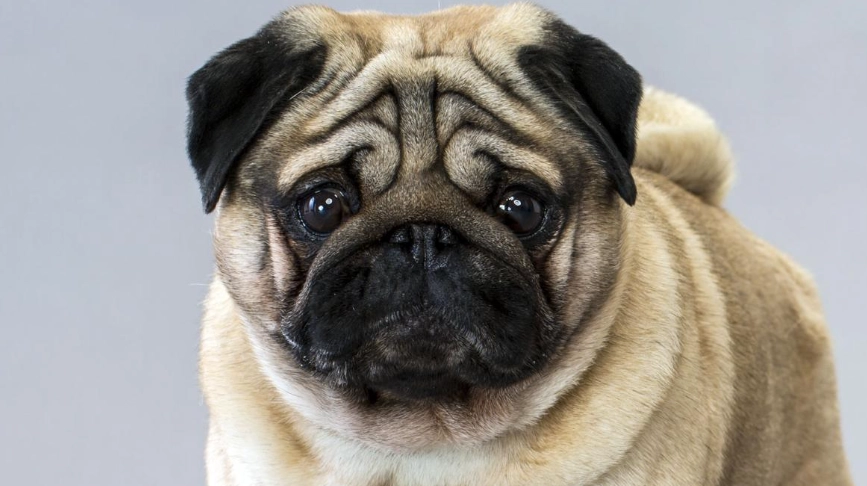
Most lists talk about affection and being good with kids. I'll start with the challenges. If you want a low-maintenance, athletic hiking buddy, stop reading now. A pug is not that dog. Their defining feature—the brachycephalic (flat) face—is the source of most of their problems. They overheat dangerously fast. A 75-degree sunny day can be an emergency. They snore, snort, and reverse sneeze loudly. They are prone to obesity, which exacerbates every other health issue.
But if you're a homebody who wants a shadow, a dog that radiates pure, silly joy and will make you laugh daily, then we can talk. Their temperament is golden. They are robust little dogs with a big-dog attitude, surprisingly sturdy for their size, and want nothing more than to be near you.
Key Takeaway: The perfect pug owner is vigilant, climate-controlled, and prioritizes preventative vet care. They see past the cute and are prepared for the responsibility.
| The Pros | The Cons (You Can't Ignore) |
|---|---|
| Unmatched affection and loyalty. They are true companion dogs. | Severe brachycephalic syndrome (BOAS), leading to breathing difficulties. |
| Generally excellent with children and other pets. | Extreme sensitivity to heat and humidity. Overheating is a constant risk. |
| Adaptable to apartment living; low exercise needs. | Prone to eye injuries (proptosis, ulcers) due to shallow eye sockets. |
| Minimal barking (though plenty of other noises). | High predisposition to obesity, which worsens joint/breathing issues. |
| A playful, humorous personality that lightens any room. | Significant shedding. The "double coat" is a fur-producing machine. |
The Non-Negotiable Daily Pug Care Routine
This isn't optional. Skip these, and you're inviting vet bills and discomfort for your dog.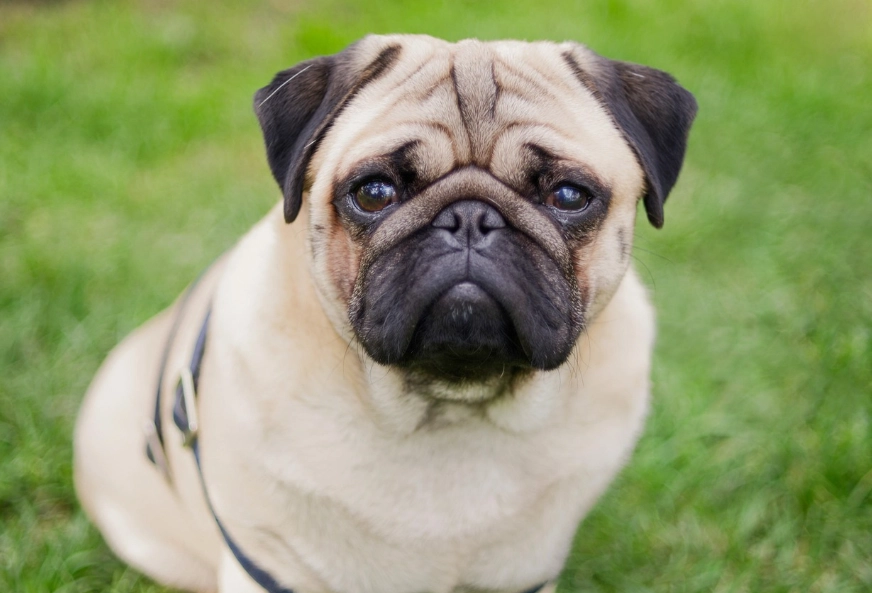
1. The Wrinkle Clean (Face Fold Care)
That adorable nose wrinkle is a dark, moist magnet for yeast and bacteria. I use a soft cloth or cotton pad dampened with a vet-approved wipe (like Douxo or Malacetic) every single evening. Dry it thoroughly with a separate cloth. I learned the hard way with my first pug, Milo. A slight redness I ignored for two days turned into a smelly, painful yeast infection that needed meds. Now, it's part of our bedtime ritual.
2. The Weight Watch
Pugs will eat until they burst. You must be the enforcer. Follow feeding guidelines based on ideal weight, not current weight. Use a measuring cup. Treats should be tiny (a pea-sized bit of chicken) or subtracted from their meal. Feel their ribs; you should easily detect them under a thin layer of fat. A fat pug is a suffering pug—it crushes their airways and joints.
3. The Exercise Balance
Two short, leashed walks a day are better than one long one. Go in the cool morning and evening. I never walk my pugs if the pavement is warm to my hand. Their exercise is mental too: food puzzles, five-minute training sessions, hide-and-seek with treats in the house. This tires them without risking overheating.
Heat Stroke Signs: Excessive panting that doesn't slow, dark red or purple gums, thick drool, lethargy, stumbling, vomiting. This is an immediate vet emergency. Cool them with tepid (not ice-cold) water on their belly and groin and get to the clinic.
Pug Health Deep Dive: Prevention Over Cure
Knowing the common issues lets you spot them early. According to a 2022 study published in Canine Medicine and Genetics, brachycephalic breeds like pugs have a significantly higher disease burden than other dogs. This isn't scare-mongering; it's preparedness.
- Brachycephalic Obstructive Airway Syndrome (BOAS): This is the big one. Their soft palate is too long, nostrils too narrow, and trachea might be small. Symptoms include loud breathing even at rest, snorting, gagging, sleep apnea, and exercise intolerance. Severe cases require surgery (palate resection, nares widening). Ask your vet to assess your pug's airways early. A University of Cambridge research group has developed functional grading systems for BOAS.
- Eye Problems: Their eyes are vulnerable. Keep nails trimmed to prevent accidental scratches. Watch for squinting, redness, or a visible third eyelid. Corneal ulcers are common. Pet insurance that covers ophthalmology is a wise investment.
- Hip Dysplasia & Legg-Calvé-Perthes: Joint issues aren't just for big dogs. Maintain a lean weight to reduce stress. Use ramps for furniture and cars.
- Skin Fold Dermatitis: We covered the face, but don't forget the tail curl! Moisture can get trapped in the deep fold at the base of the tail. Check and dry it weekly.
The single best thing you can do? Find a vet experienced with brachycephalic breeds and commit to annual, if not bi-annual, check-ups. Dental cleanings under anesthesia are also crucial, as their crowded mouths trap plaque.
Training and Living With Your Pug
Pugs are smart but stubborn. They aim to please, but only if it's fun. Positive reinforcement with high-value treats (cheese, liver) works. Harsh methods will shut them down.
Potty training can be protracted. They have small bladders and a distaste for rain. Be patient, consistent, and praise lavishly. Crate training helps immensely.
Socialization is critical. Expose them gently to various people, sounds, and other dogs during puppyhood. A well-socialized pug is a confident, happy pug. But due to their breathing, avoid dog parks where over-excitement and rough play can trigger distress.
At home, invest in a good harness, never a collar. A collar puts pressure on their fragile trachea. I prefer a front-clip harness for better control. For summer, a cooling mat is a worthwhile purchase.
Your Pug Questions, Answered
 What's the biggest mistake new pug owners make?
 What should I feed my pug?
Related Articles