Dog Injection Schedule: Complete Vaccination Guide for Puppies & Adults
What You'll Find in This Guide
Let's get straight to it. Dog injection schedules aren't just about sticking needles in your pet—they're a roadmap to preventing deadly diseases. I've been a veterinarian for over 12 years, and I've seen the heartbreak when a puppy gets parvo because someone missed a shot. It's avoidable. This guide will cut through the confusion and give you a clear, actionable plan. We'll cover everything from which vaccines are essential to how to save money without risking your dog's health.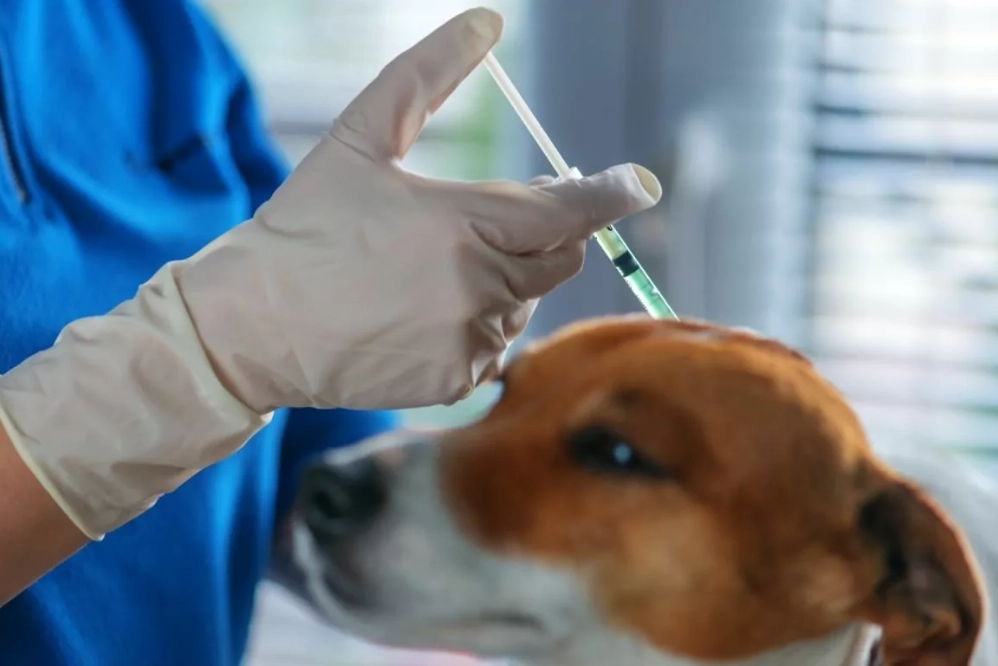
What Exactly is a Dog Injection Schedule?
A dog injection schedule is a timeline for administering vaccines to protect against infectious diseases. It starts when your puppy is around 6-8 weeks old and continues throughout their life with boosters. Most owners think it's just about following a chart, but it's more nuanced. You need to consider your dog's age, breed, lifestyle, and local disease risks. For example, a dog that hikes in wooded areas might need extra protection against Lyme disease, while a city apartment dog might not.
I remember a client, Sarah, who adopted a rescue dog. She assumed all vaccines were given annually and ended up over-vaccinating, which caused mild lethargy. That's a common mistake. The schedule isn't one-size-fits-all; it's a flexible plan that should adapt as your dog grows.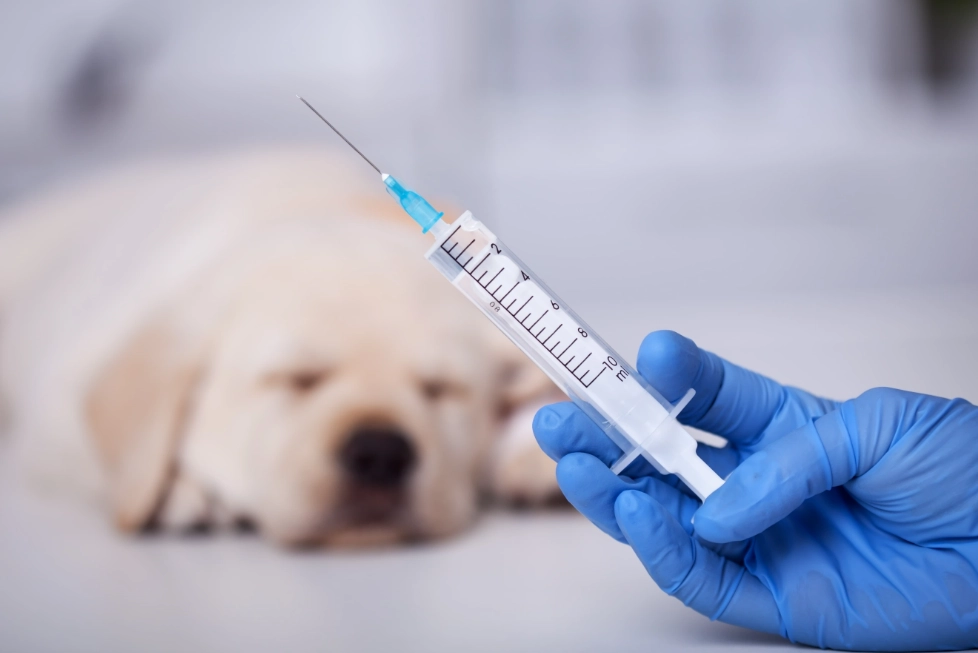
Core Vaccines: The Non-Negotiables
Core vaccines are recommended for all dogs, regardless of where they live or what they do. These protect against severe, often fatal diseases. Skipping them is like driving without a seatbelt—it's just not worth the risk.
DHPP (Distemper, Hepatitis, Parainfluenza, Parvovirus)
This combo vaccine is crucial. Parvovirus, in particular, is a nasty bug that attacks a dog's intestines, causing vomiting, diarrhea, and dehydration. Puppies are especially vulnerable. The first dose is usually at 6-8 weeks, with boosters every 3-4 weeks until 16 weeks old. After that, a booster at 1 year, then every 3 years. Some vets push for annual boosters, but research from the American Animal Hospital Association (AAHA) shows every 3 years is sufficient for most dogs. I lean toward the 3-year protocol unless there's a high-risk situation.
Rabies Vaccine
Rabies is fatal and transmissible to humans, so it's legally required in most places. The first shot is at 12-16 weeks, with a booster in 1 year, then every 1-3 years depending on local laws. Check your state regulations—some areas mandate annual boosters, while others allow triennial ones. I've had clients move states and get fined because they didn't update their dog's rabies tag.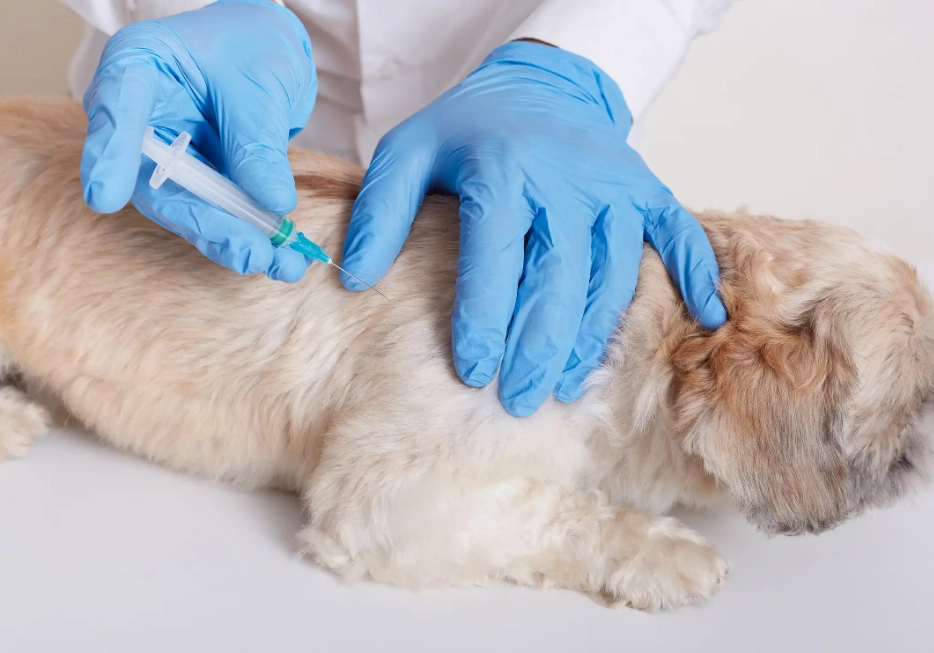
Non-Core Vaccines: Tailoring to Your Dog's Lifestyle
Non-core vaccines are optional and depend on factors like exposure risk. I often see owners waste money on shots their dog doesn't need. Let's break it down.
Bordetella (Kennel Cough)
If your dog goes to daycare, boarding, or dog parks, this vaccine is wise. It's usually given as a nasal spray or injection, with boosters every 6-12 months. But here's a tip many vets don't mention: the intranasal version provides faster immunity, within 3-5 days, which is great for last-minute boarding. The injectable form takes longer but might last a bit more.
Leptospirosis
Lepto is a bacterial disease spread through contaminated water or urine from wildlife. It's becoming more common in urban areas due to rodents. If your dog swims in lakes or walks in parks with standing water, consider this vaccine. It's a two-dose series initially, then annual boosters. Side effects can include soreness or mild fever, but I've found that splitting the dose—giving it separately from other vaccines—reduces reactions.
Lyme Disease
For dogs in tick-prone regions like the Northeast U.S., Lyme vaccine can be beneficial. However, it's not 100% effective. I recommend pairing it with good tick prevention methods, like monthly topicals or collars. The initial series is two shots 3-4 weeks apart, then annual boosters.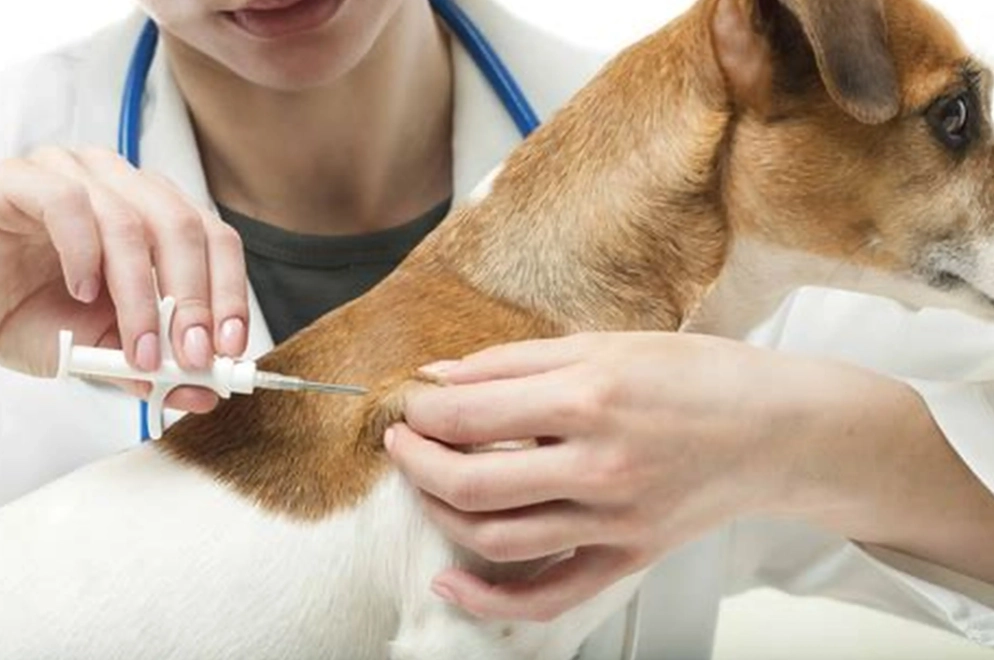
Personal take: I think the canine influenza vaccine is overhyped unless there's an outbreak in your area. It's an industry hotspot right now, but for most pet dogs, the risk is low. Save your money unless you travel frequently with your dog or live in a hotspot.
Creating a Personalized Injection Timeline
Now, let's put this into a practical schedule. Use these tables as a starting point, but always consult your vet for adjustments.
| Puppy Age | Core Vaccines | Non-Core Vaccines (If Needed) | Estimated Cost (USD) |
|---|---|---|---|
| 6-8 weeks | DHPP (first dose) | Bordetella (optional) | $20-$30 |
| 10-12 weeks | DHPP (second dose) | Leptospirosis (first dose, if high-risk) | $25-$40 |
| 14-16 weeks | DHPP (third dose), Rabies (first dose) | Lyme (first dose, if high-risk) | |
| 12-16 months | DHPP booster, Rabies booster | Non-core boosters as needed | $50-$80 |
For adult dogs, boosters vary. DHPP and rabies are typically every 3 years, but non-core vaccines like lepto or bordetella might be annual. I suggest keeping a vaccination record in your phone—snap a photo of the vet's receipt. It helps avoid over-vaccination.
Case study: My neighbor's dog, Max, a Labrador who loves swimming. We tailored his schedule to include lepto boosters annually due to local outbreaks, but skipped Lyme because ticks are rare in our suburb. After 5 years, he's never had a health issue related to vaccines.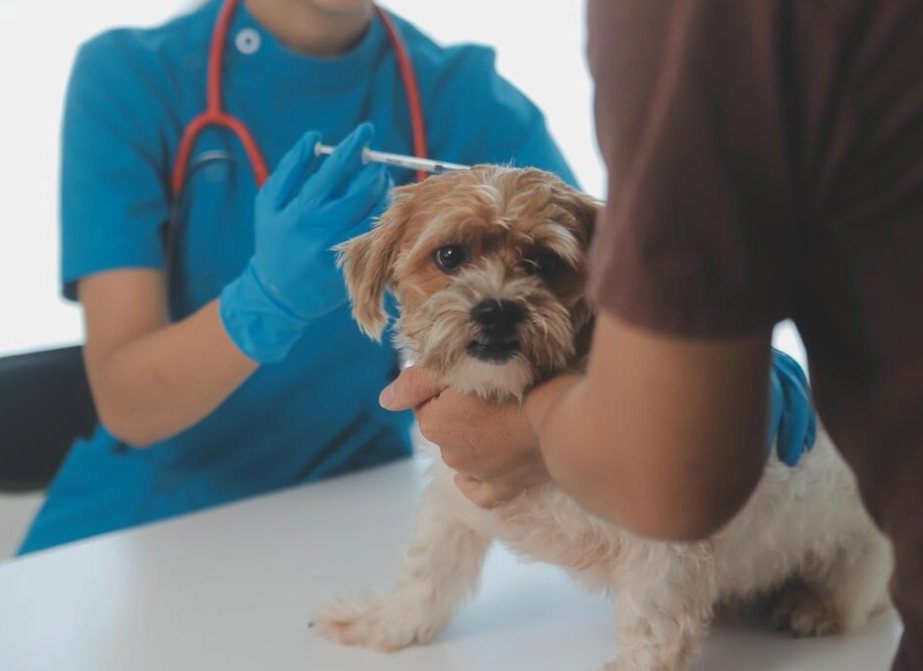
Common Pitfalls and How to Avoid Them
People mess this up all the time. Here are the big ones I see in my clinic.
Pitfall 1: Assuming all vaccines are annual. That's outdated. Many core vaccines last 3 years. Ask your vet for titer testing—a blood test that checks immunity levels. It might cost $50-$100, but it can save you from unnecessary shots.
Pitfall 2: Ignoring lifestyle changes. If your dog starts going to daycare, add bordetella. If you move to a rural area, consider lepto. Review the schedule yearly.
Pitfall 3: Focusing only on cost. Cheap clinics might use lower-quality vaccines or skip important steps. I've seen dogs develop reactions because of improper storage. Pay a bit more for a reputable vet—it's worth it.
Pitfall 4: Not managing vaccine anxiety. Dogs pick up on your stress. Bring treats, use calming pheromone sprays, or schedule appointments during quiet hours. I always tell owners to practice handling their dog's paws and ears at home to desensitize them.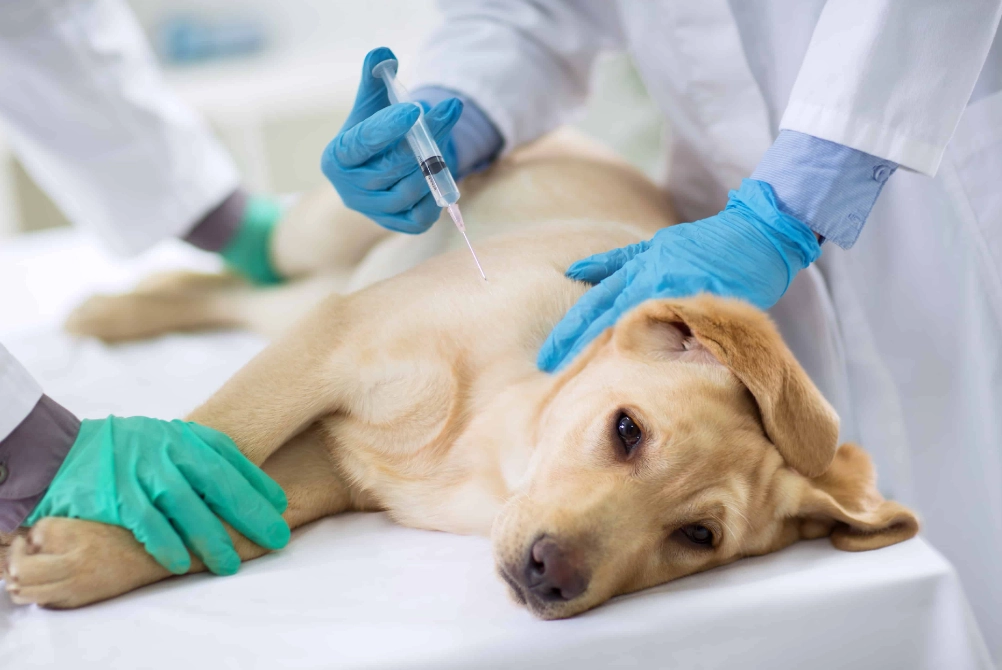
FAQ: Addressing Your Real-World Concerns
 Are there natural alternatives to vaccines, like homeopathy, for dogs?
Wrapping up, a dog injection schedule isn't set in stone. It's a living document that should evolve with your pet. Start with the basics, adjust for risks, and always keep communication open with your vet. I've seen too many dogs suffer from preventable diseases, so take this seriously—but don't stress. You've got this.
Related Articles