Are Peanuts Bad for Dogs? A Complete Safety Guide for Pet Owners
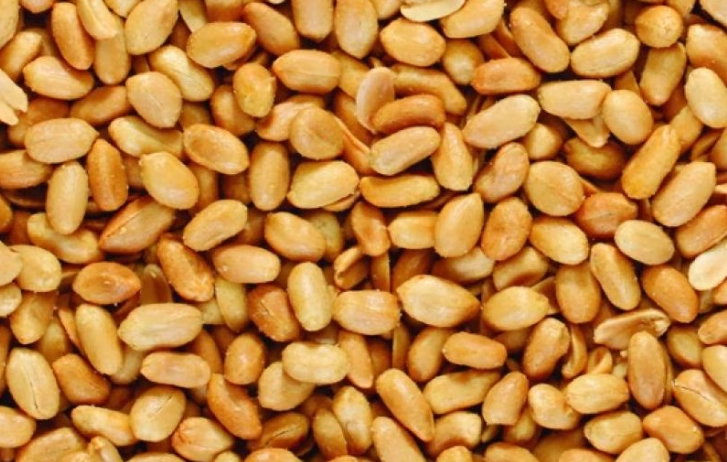
So you're sitting on the couch, cracking open some peanuts, and those big, soulful eyes are locked onto you. That classic doggy guilt trip. The question pops into your head instantly: are peanuts bad for dogs? Can I just toss him one? I've been there, with my own lab mix giving me the full "but you love me" stare. The answer isn't a simple yes or no, and honestly, a lot of the info out there is either overly scary or way too casual. Some folks will tell you it's fine, no big deal. Others act like a single peanut is a one-way ticket to the emergency vet. The truth, as usual, is somewhere in the messy middle. It depends on so many things—the type of peanut, how it's prepared, how much you give, and even your individual dog. This isn't just about saying "yes" or "no." It's about giving you the full picture so you can make a safe, informed choice for your furry family member. Because let's be real, we all want to share our snacks sometimes, but not at the cost of their health. The Quick Take: Plain, unsalted, shelled peanuts are generally not toxic to dogs in very small, occasional amounts. But "generally" is doing a lot of work there. They're high in fat, a choking hazard, and some products contain deadly additives. They should never be a regular treat. This is where we need to get our terms straight, because it changes everything about how you react. When vets talk about something being "bad" for pets, they're usually thinking about two categories: outright toxic substances, and things that are problematic or unhealthy. Peanuts themselves (Arachis hypogaea, if we're being fancy) are not classified as a toxic food for dogs like grapes, chocolate, or xylitol are. The ASPCA Animal Poison Control Center doesn't list plain peanuts as a major toxin. That's a crucial starting point. It means if your dog snags one plain peanut off the floor, it's not an automatic panic situation. But—and this is a huge but—that doesn't make them good. It just means the peanut itself isn't poisonous. The risks come from everything else: how they're prepared, what's added to them, and their basic nutritional profile which just doesn't align well with what dogs need. So when you ask are peanuts bad for dogs, you're really asking about a whole spectrum of potential problems, not a single poison. I remember thinking, "Oh, they're not toxic, great!" and being a bit too relaxed. Then my friend's dog got into some salted peanuts and spent the next day desperately thirsty and with a seriously upset stomach. It was a messy lesson that "not toxic" and "harmless" are worlds apart. Okay, so they won't necessarily poison your dog on contact. What's the actual problem then? Let's dig into the specific reasons why sharing your peanut stash is a questionable idea. This is probably the biggest everyday danger. Peanuts are incredibly high in fat. We're talking about 14 grams of fat per ounce. For a dog, especially a smaller one, that's a massive load. A sudden intake of high-fat foods is the leading cause of pancreatitis in dogs. Pancreatitis is inflammation of the pancreas, and it's excruciatingly painful, serious, and requires immediate veterinary care. Symptoms include vomiting, severe abdominal pain, a hunched back, lethargy, and diarrhea. It's no joke. Even a single rich "cheat meal" can trigger it in some dogs. Chronic feeding, even of small amounts, just adds unnecessary empty calories and can lead to weight gain and obesity-related issues. Why risk it for a treat that doesn't offer them any real benefit? Think about the peanuts you usually eat. Salted, right? Maybe honey-roasted or flavored. The sodium content in processed peanuts is way too high for dogs. Excessive salt can lead to sodium ion poisoning. Symptoms include vomiting, diarrhea, tremors, high temperature, and even seizures. It also makes them excessively thirsty, which can lead to accidents in the house and puts strain on their kidneys. Whole peanuts, especially with the shell on, are a major choking hazard. The shells themselves are not digestible. If a dog swallows a whole peanut or pieces of shell, it can cause an obstruction in their esophagus or intestines. This is a surgical emergency. Signs are gagging, drooling, trying to vomit but can't, loss of appetite, and abdominal pain. My own scare? Not with peanuts, but with a similar-sized treat. Seeing your dog panic because something is stuck is a heart-stopping feeling. It happens fast and it's terrifying. It made me ultra-cautious about the size and texture of anything I give them now. This deserves its own red-alert section. While plain peanuts might be okay-ish in a tiny amount, peanut butter is where many dog owners walk into a trap. Some "sugar-free" or "reduced-sugar" peanut brands and peanut butters are sweetened with xylitol. Xylitol is EXTREMELY TOXIC to dogs. It causes a rapid and severe release of insulin in a dog's body, leading to hypoglycemia (dangerously low blood sugar), which can happen within 10-60 minutes. Symptoms include weakness, stumbling, collapse, and seizures. It can also cause acute liver failure. Even a small amount can be fatal. The Pet Poison Helpline lists it as one of the top pet poisons. You must, must, MUST check the ingredient list of any peanut product you even consider giving your dog. If it says xylitol, put it on a high shelf far away from any curious snouts. Honestly, this risk alone is enough for many owners to just say "nope" to all peanut products. Yes, dogs can have peanut allergies, though it's less common than in humans. Signs are itchy skin, ear infections, licking paws, or gastrointestinal upset. Also, peanuts can harbor a mold that produces aflatoxin, a potent carcinogen. Commercial peanut products for humans are tested for safe levels, but old, stale, or improperly stored peanuts (think the bottom of a bird feed bag) can be contaminated. Let's say you've read all the risks and you're still thinking about giving a tiny piece as a very rare treat. Maybe for hiding a pill. Here is the absolute non-negotiable checklist. If you can't check every single box, don't do it. If that sounds like a lot of work for one little nut... you're right. It is. Which is why most vets will recommend safer treat alternatives. Since peanut butter is the more common way dogs encounter peanuts, it needs its own deep dive. The question "are peanuts bad for dogs" often really means "is peanut butter okay?" Again, the principle is similar but amplified. Look for peanut butter with ONLY ONE ingredient: peanuts. Maybe salt, but ideally not. Avoid anything with: Even with all-natural peanut butter, it's a very rich, high-fat treat. Use it sparingly. A small lick from a spoon, or a tiny smear inside a Kong toy, is plenty. Don't give them a whole tablespoon. If you're wondering about the broader nut family, here's a simple table to clear things up. It's a common point of confusion. See a pattern? The fat content is a universal issue. And the mold risk with some nuts is serious. Honestly, after looking at this list, it's simpler and safer to just keep the whole nut bowl to yourself. Don't panic. First, assess the situation. Your actions depend on what and how much they ate. For Non-Xylitol Exposure: When in doubt, calling your vet is always the right move. Have the product info and your dog's weight ready. It's better to feel a little silly for calling than to regret waiting. If you want to give your dog a special human-food treat, why not pick something that's actually good for them? These are lower-risk, healthier options that most dogs go crazy for: Giving your dog a piece of carrot or apple is a win-win. It's a crunchy, sweet treat for them, and you get the joy of sharing without the underlying anxiety of wondering are peanuts bad for dogs. I get it. You still have specific questions. Let's tackle the most common ones head-on. No. Absolutely not. Peanut shells are fibrous, indigestible, and a prime cause of intestinal blockage and choking. They offer zero nutritional value and are a pure hazard. Yes. This combines two risks: the peanut (fat) and the chocolate coating (toxic). The sugar and other ingredients aren't good either. The toxicity depends on the amount of chocolate relative to your dog's size. For a large dog, one M&M might just cause an upset stomach. For a tiny dog, it's more concerning. Always call your vet or poison control if your dog eats chocolate to be safe. Only if they are plain, unsalted, dry-roasted with no other additives. The "dry-roasted" process itself isn't the issue; it's all the stuff that usually gets added during that process (oil, salt, flavorings). You must read the label. I'd argue the safest number is zero. But if you're following the strict checklist above, think of it as a "rarely, and less is more" situation. For a large dog (50+ lbs), one or two small peanut pieces, crushed, once a month is the absolute max. For smaller dogs, it's just not worth it. Their tiny bodies are far more susceptible to the high fat content. Look for itchiness (especially paws, ears, and rear), red skin, chronic ear infections, hives, swelling of the face, vomiting, or diarrhea. If you suspect an allergy, stop giving the food and consult your vet. Peanut oil is pure fat and not recommended. It's highly likely to cause pancreatitis or severe gastrointestinal distress (vomiting, diarrhea). Do not add it to your dog's food. Look, after all this research and from my own experiences (and seeing other dogs have bad reactions), I've made my personal choice. I don't give my dogs peanuts or peanut butter anymore. The potential risks—especially the silent, deadly one of xylitol and the painful, expensive one of pancreatitis—far outweigh the momentary tail wag. The market is full of amazing, safe, dog-specific treats and chews. And if I really want to share my snack time, I keep a bag of frozen green beans or carrot sticks in the fridge. They come running just as fast, and I don't spend the next 24 hours worrying. When you love your dog, you make choices that prioritize their long-term health and safety over a quick convenience. Sharing your life with them is the greatest treat of all. Keeping peanuts out of their bowl is one small, easy way to protect that.Quick Guide
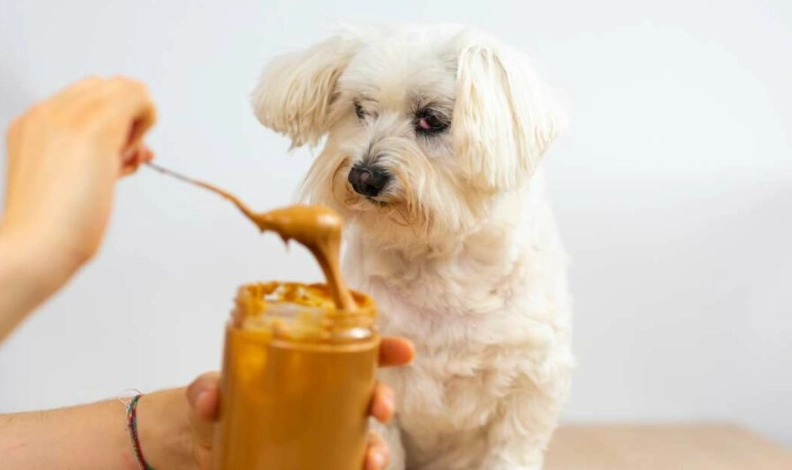
The Core Question: Are Peanuts Toxic or Just Risky?
Breaking Down the Real Risks (This is the Important Stuff)
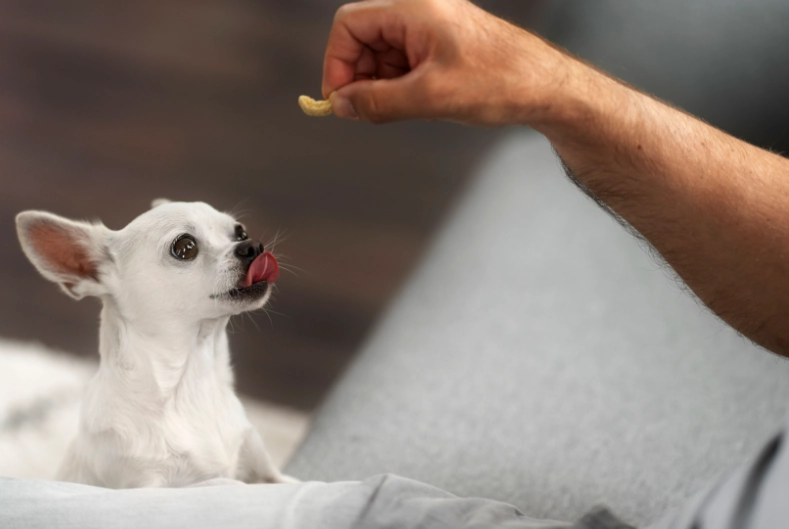
Fat, Fat, and More Fat
The Salt Bomb
Choking and Intestinal Blockage
The Hidden Killer: Xylitol in Peanut Butter
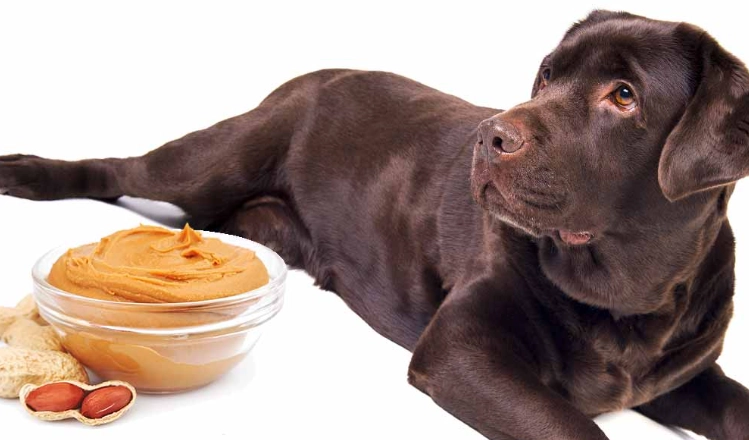
Allergies and Mold
So, Can Dogs Eat Peanuts? A Practical Safety Checklist
Peanut Butter: The Bigger Minefield
What About Other Nut Varieties? A Quick Comparison
Nut Type
Safe for Dogs?
Key Risks & Notes
Peanuts (plain)
Not recommended, but not toxic in tiny amounts.
High fat, choking, salt, potential for xylitol in butter. High risk for pancreatitis.
Cashews (plain, unsalted)
Similar to peanuts. Less risky but still not great.
Still high in fat. Slightly lower risk than peanuts but can still cause GI upset and pancreatitis. Give ultra-sparingly if at all.
Almonds
No. Not recommended.
Poorly digested, high risk of causing stomach upset and potential for obstruction. Salted varieties add sodium risk.
Walnuts & Pecans
No. Avoid.
High risk of mold (which produces tremorgenic mycotoxins causing seizures). Also high fat and obstruction risk.
Macadamia Nuts
TOXIC. Absolutely Not.
Highly toxic to dogs. Can cause weakness, vomiting, tremors, and hyperthermia. Even a few nuts can make a dog sick.
Pistachios
No. Avoid.
High fat, often salted, and like walnuts, high risk of contamination with harmful mold (aflatoxin).
My Dog Ate Peanuts! What Now? (Step-by-Step Guide)
Honestly, Just Feed Them This Instead (Safer Treat Ideas)
Answers to Your Burning Questions (FAQ)
Can dogs eat peanut shells?
My dog ate a peanut M&M. Is that bad?
Are dry-roasted peanuts okay for dogs?
How many peanuts can I give my dog?
What are the symptoms of a peanut allergy in dogs?
Is peanut oil safe for dogs?
The Final Verdict: A Personal Take