Are Hydrangeas Poisonous to Cats? A Complete Safety Guide
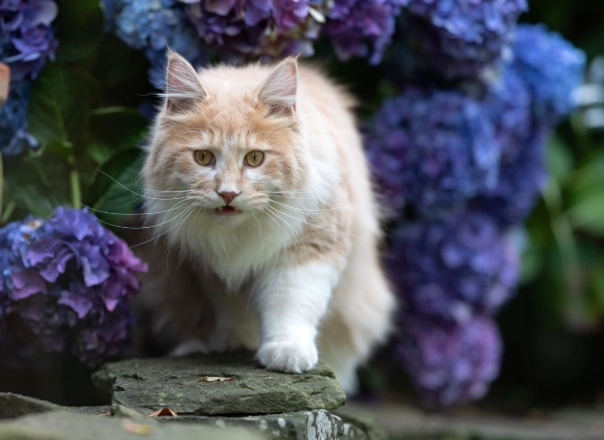
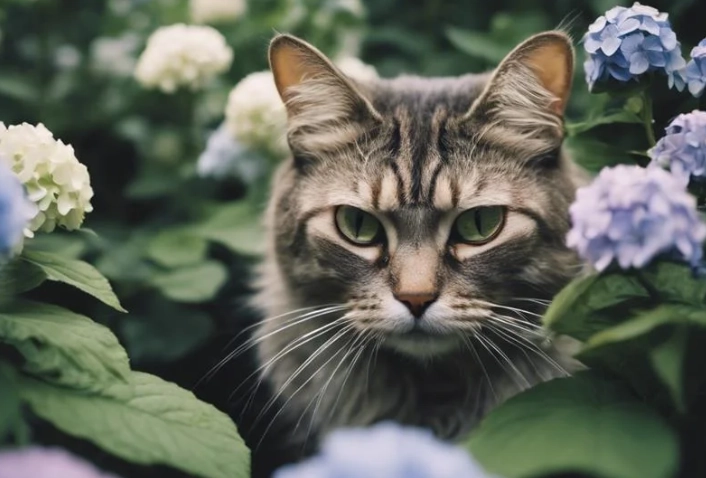
Let's cut right to the chase, because if you're here, you're probably looking at your beautiful hydrangea bush or that fresh bouquet on the table and then at your curious cat, and your heart just skipped a beat. I've been there. That sudden panic is real. So, are hydrangeas poisonous to cats? The short, and frankly worrying, answer is yes. Hydrangeas are considered toxic to cats. They aren't the most deadly plant out there, but they're far from safe. The last thing you want is your feline friend treating those lush leaves or colorful blooms as a salad bar. This isn't just some gardening trivia. It's a potential trip to the emergency vet, a scary bill, and a lot of worry. I remember a friend who didn't know this. She came home to find a few hydrangea petals shredded on the floor and her cat acting a bit off. That was a long, expensive night at the animal hospital. She was lucky it was a small amount, but it drove home the point: what we don't know can hurt our pets. It all comes down to chemistry. The danger in hydrangeas lies in compounds called cyanogenic glycosides. Now, that's a mouthful, but here's what it means in simple terms. These compounds are like little locked boxes present throughout the plant—leaves, flowers, and especially the buds. When your cat chews on the plant, the act of chewing and digestion "unlocks" these boxes. This process can release cyanide. Yes, cyanide. It sounds alarmist, but that's the science. Before you truly panic, understand that the amount is typically very low, and a cat would need to ingest a significant quantity of plant material for it to be life-threatening. But "typically" and "significant" are the keywords here. Why risk it? Even a small amount can cause a nasty reaction because, let's face it, cats are small creatures. A little toxin goes a long way. It's also worth noting that the concentration of these glycosides can vary. It depends on the specific hydrangea species, the part of the plant, the time of year, and even the soil conditions. You can't look at a hydrangea and gauge its toxicity level. It's a complete unknown, which makes it an unacceptable risk. Cats are masters of hiding illness. It's an instinct from the wild. So by the time they show clear signs, they're often already feeling pretty rough. If you know your cat has had access to hydrangeas, watch for these symptoms like a hawk. Don't fall into the trap of thinking "he only ate a little bit." The symptoms usually appear within a few hours of ingestion. They primarily affect the gastrointestinal system first, which makes sense as that's where the trouble starts. If a larger amount is ingested, the more serious systemic effects of cyanide can kick in. This is where it gets scary. So, if you're asking "are hydrangeas poisonous to cats?" based on the potential symptoms alone, the answer is a resounding yes. The risk of seeing your pet in distress is reason enough to keep them apart. Okay, take a breath. Panicking won't help you or your cat. Follow these steps in order. This is your action plan. Having these numbers saved in your phone before you ever need them is one of the best things a pet owner can do. Trust me. If your cat needs veterinary care, what happens there? Knowing this can ease some of the anxiety of that emergency visit. Treatment is primarily supportive, meaning the vet helps your cat's body ride out the toxin while managing the symptoms. The prognosis is generally good with prompt veterinary care, especially since most cats don't consume massive quantities. But "generally good" still involves a stressful ordeal and a vet bill. Prevention is infinitely better—and cheaper—than any cure. You love gardening, or you just love the look of hydrangeas. Is it possible to have both? It's tricky, but with strict precautions, you can minimize the risk. I'm not going to tell you to rip out your prized hydrangeas immediately, but I will say you need a solid plan. This is where many people get caught out. A bouquet seems harmless. Honestly, after my friend's scare, I became a believer in the "better safe than sorry" school of thought. If you have a particularly curious, plant-munching cat, the safest path is to not have hydrangeas at all. The peace of mind is worth more than the flowers. The good news is, the plant world is vast and beautiful! You can create stunning gardens and bouquets without the worry. Here are some popular, non-toxic options that both you and your cat can enjoy (visually, at least—try to keep the chewing to a minimum). Always double-check with a reliable source like the ASPCA's Toxic and Non-Toxic Plants list before bringing any new plant home. Their database is exhaustive and should be your go-to reference. See? You're not doomed to a plant-less existence. You just have to make informed swaps. Creating a cat-friendly garden can be a fun and rewarding project. There's no precise, universal "toxic dose" because it varies with the plant's cyanide potential and the size/health of the cat. A small nibble might cause mild stomach upset in a large, healthy cat, while a few mouthfuls could cause more serious issues in a kitten. The bottom line: any amount is too much. Don't play the guessing game. Don't assume fine means fine. Symptoms can be delayed. Call your vet or a poison helpline immediately. Describe what happened. They will give you the best course of action, which may be to monitor closely at home for the next 6-12 hours. Have the phone number for the nearest emergency vet handy just in case. While all hydrangeas (genus *Hydrangea*) contain the problematic compounds, the concentration might vary between species like Bigleaf (*H. macrophylla*), Panicle (*H. paniculata*), or Oakleaf (*H. quercifolia*). However, from a safety perspective, you should treat all hydrangeas as toxic. It's not worth trying to identify which type is "less" dangerous. Yes, hydrangeas are also toxic to dogs, and the mechanism and symptoms are similar. However, dogs are less likely to munch on ornamental plants than cats are. The same precautions and emergency steps apply. No, the toxicity requires ingestion. Simply touching the plant and then your cat will not cause poisoning. The risk is from your cat chewing and eating the plant material itself. Just wash your hands as a general good practice. While we're focused on hydrangeas, this whole topic highlights the need to be prepared. Every cat household should have a basic pet first-aid kit and plan. Here's a quick checklist of essentials: This isn't about paranoia. It's about being a responsible, prepared pet parent. When you know the answer to "are hydrangeas poisonous to cats?" is yes, and you have a plan, you can enjoy your home and garden with much greater peace of mind. So, the final verdict? Hydrangeas and cats are a bad mix. The plant's inherent toxicity, combined with a cat's curiosity, creates a preventable risk. By choosing safe alternatives, using barriers, and staying vigilant, you can protect your furry family member without sacrificing your love of green, growing things. It's all about making smart choices for the whole family—paws included.In This Article
What Makes Hydrangeas a Problem for Cats?
Spotting the Signs: Symptoms of Hydrangea Poisoning in Cats
The Main Warning Signs
What To Do RIGHT NOW If You Think Your Cat Ate a Hydrangea
How Do Vets Treat Hydrangea Poisoning?
Treatment Method What It Involves Why It's Done Decontamination Inducing vomiting (only if very recent ingestion) or administering activated charcoal. To prevent any remaining plant material in the stomach from being absorbed into the bloodstream. Activated charcoal binds to toxins. IV Fluids Placing an intravenous catheter to administer fluids. Prevents dehydration from vomiting/diarrhea, supports kidney function, and helps flush the system. Medication Anti-nausea drugs (antiemetics), stomach protectants, and possibly anti-anxiety meds. To stop vomiting, soothe the GI tract, and keep a stressed cat comfortable. Monitoring Checking vital signs (heart rate, respiration), blood work, and overall demeanor. To ensure the cat is stable and responding to treatment, and to catch any worsening signs early. Living Safely with Hydrangeas and Cats
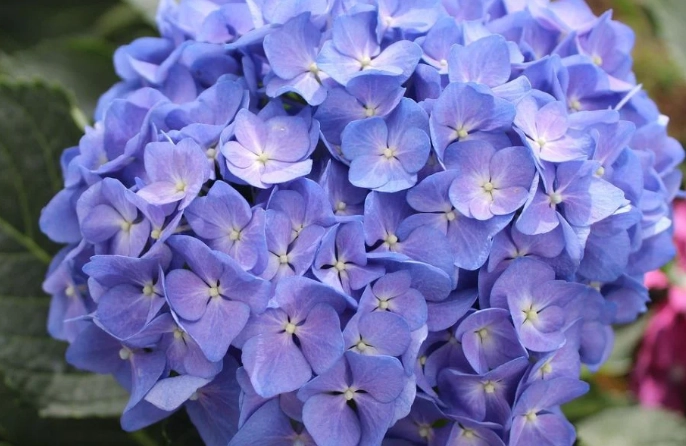
For Outdoor Hydrangeas:
For Cut Hydrangeas Indoors:
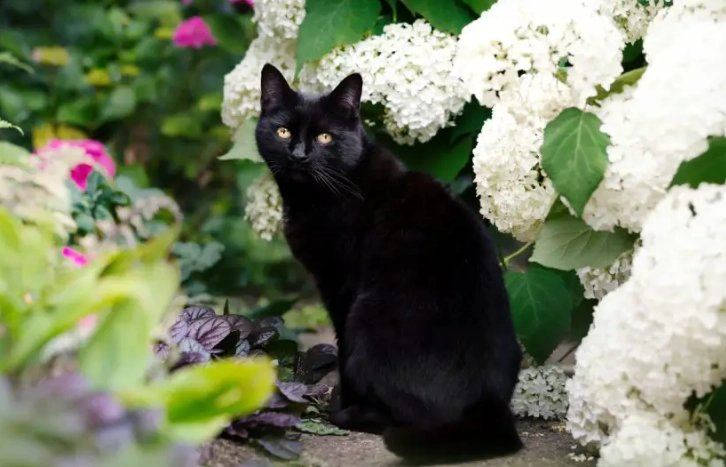
Fantastic, Cat-Safe Alternatives to Hydrangeas
Safe Flowering Plants:
Safe Foliage & Herbs:
Your Questions, Answered (The FAQ Section)
Building a First-Aid Kit for Your Cat (Beyond Hydrangeas)