Can Dogs Have Ginger? A Vet-Approved Safety Guide & Benefits
You’re probably in the kitchen, peeling ginger for dinner, and those big, pleading eyes are locked on you. It happens all the time. Or maybe your dog’s been feeling a bit off, and you’ve heard ginger might help. So you type it into Google: can dogs have ginger? It’s a simple question, but the internet is full of conflicting advice. One site says it’s a superfood, another screams it’s toxic. It’s enough to make any pet parent’s head spin. Let’s cut through the noise right now. The short, vet-approved answer is yes, in most cases, dogs can have ginger. But—and this is a huge “but”—it’s not as simple as just handing over a chunk from your stir-fry. It’s about the form, the amount, and your specific dog. I remember giving my own lab, Buddy, a tiny bit of ginger cookie once (before I knew better). He was fine, but the sugar and other ingredients were a dumb risk I shouldn’t have taken. That’s the kind of mistake we want to avoid. This guide isn’t just a quick “yes” or “no.” We’re going to dig into the why, the how, and the “watch out for this.” We’ll talk about benefits I’ve seen other owners swear by, risks that are very real for some pups, and the exact, safe way to introduce it if you decide to. Think of it as your one-stop shop for everything related to ginger and dogs. It’s not about feeding your dog trendy superfoods. It’s about whether there’s a genuine, practical benefit. Ginger isn’t a magic bullet, but its history in human herbal medicine points to some properties that might translate to our canine companions. The primary active components, gingerols and shogaols, are known for their anti-inflammatory and antioxidant effects. So, when might you think about it? Usually, when a dog is dealing with minor, occasional digestive upset. Not for emergencies—if your dog is violently ill, you call the vet, full stop. But for that mild, gurgly tummy after they’ve sneaked something they shouldn’t have, or for a bit of motion sickness before a car ride. I’ve spoken to owners who use a pinch of powdered ginger in their dog’s food during stressful times (like fireworks season) to help settle their stomach. It’s one tool in a big toolbox, not the only one. Let’s break down the reasons people ask “can dogs have ginger” in the first place. These potential benefits are often why it’s researched and discussed. A Reality Check: Most of the robust scientific studies on ginger’s benefits are conducted on humans or lab animals, not directly on pet dogs. The evidence for dogs is largely anecdotal or extrapolated. That doesn’t mean it doesn’t work—it just means we proceed with cautious optimism and never assume it’s a cure-all. This is the part most blog posts glaze over, and it’s arguably more important. Knowing when dogs can NOT have ginger is crucial for safety. First, ginger is pungent and spicy. A dog’s digestive system is different from ours. Too much, too fast, will almost certainly cause stomach irritation, leading to heartburn, gas, or even diarrhea. You’re trying to cure an upset stomach, not create a worse one. You should absolutely avoid giving your dog ginger, or consult your vet before even considering it, in these scenarios: ? The Biggest Danger Isn’t Plain Ginger: The real peril lies in human food products containing ginger. Gingerbread, ginger snaps, ginger ale, sushi with pickled ginger—these are often loaded with sugar, xylitol (an artificial sweetener that is deadly to dogs), nutmeg, garlic, or excessive salt. These ingredients are far more toxic than the ginger itself. So, while we’re asking “can dogs have ginger,” the real question is often “can dogs have this *ginger-flavored thing*,” and the answer is usually a hard no. My neighbor’s terrier once got into some holiday gingerbread. The ginger was the least of their worries—it was the sugar rush and the potential for toxic spices that had them on the phone with the emergency vet. A scary and expensive lesson. Let’s say you’ve thought it over, checked with your vet (please do this!), and your dog doesn’t fall into any high-risk categories. Here’s the practical, step-by-step approach. The golden rule is start low and go slow. There’s no universally perfect dose, as it depends on your dog’s size, health, and why you’re using it. A common guideline cited by holistic practitioners is: This is for occasional use, not a daily regimen. For motion sickness, give it about 30 minutes before the car ride. Not all ginger is created equal. Here’s a quick comparison of your options: When I tried ginger with Buddy for his occasional car anxiety, I went the powdered route. I mixed a literal pinch into a tablespoon of his favorite plain, unsweetened pumpkin puree. He licked the bowl clean and didn’t even notice. The car ride that followed was noticeably less drooly. Was it the ginger, the pumpkin, or the placebo effect on me? Hard to say, but the process felt safe and controlled. Don’t just dump a teaspoon in the bowl. Follow this: Can dogs have ginger every day? I wouldn’t recommend it without direct guidance from a vet who knows your dog’s full history. It’s better as an occasional support. Before you even open the spice cabinet, run through this mental list. It summarizes everything we’ve talked about. So, can dogs have ginger? The responsible, complete answer is: Yes, many dogs can, when it is offered cautiously, in its pure form, in minute quantities, for the right reasons, and under the guidance of a professional who knows your pet. It’s not a miracle cure. It’s a potential, gentle helper in your pet care toolkit. The best thing you can do for your dog’s stomach—and overall health—is to provide a balanced, high-quality diet, plenty of fresh water, and regular vet check-ups. Think of ginger as a possible supporting actor, not the star of the show. At the end of the day, you know your dog best. You’re the one Googling and reading detailed guides to keep them safe. That care and attention is worth more than any spice in your cupboard. Trust that instinct, partner with your vet, and you’ll make the right call.Quick Navigation

Why Even Consider Ginger for Your Dog?

The Potential Benefits (What the Science and Anecdotes Suggest)
The Other Side of the Coin: Risks and When Ginger is a Hard No

Specific High-Risk Situations
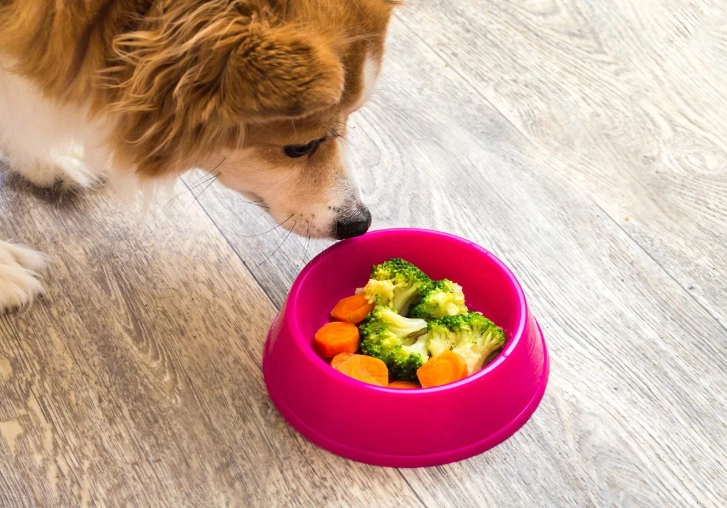
The Safe Way: How to Give Ginger to Your Dog (If You Do)
Dosage: Less is More
Preparation Methods Compared

Form of Ginger
Pros
Cons & Precautions
Best For
Fresh Ginger Root
Most natural, no additives. You control the dose.
Pungent taste; must be peeled and finely grated/microplaned to avoid choking.
Owners who want the purest form and don’t mind prep.
Plain Powdered Ginger
Convenient, easy to measure and mix into food.
Must be 100% pure ginger with no added sugar, salt, or spices. Check the label!
Easiest for most people; good for mixing into wet food or a bit of plain yogurt.
Ginger Tea (Cooled)
Easy on the stomach, gentle introduction.
Must be homemade (just steep fresh ginger in hot water). No store-bought teas, which may have other ingredients.
Dogs who are hesitant or for adding a little liquid to meals.
Commercial Dog Supplements
Pre-measured, often combined with other supportive ingredients.
Quality varies wildly. Choose reputable brands with transparent sourcing.
Those wanting a vet-formulated, no-guesswork option.
The Introduction Protocol
Putting It All Together: Your Decision Checklist
Answering Your Burning Questions (FAQs)