Let's talk about Boxer dogs. You've probably seen them – that muscular build, that square jaw, those expressive dark eyes that seem to look right into your soul. And that energy. Oh, the energy! If a cartoon character were a dog, it might be a Boxer. They're clowns, they're athletes, they're loyal shadows, and sometimes they're stubborn mules wrapped in a sleek, fawn or brindle coat. I remember my neighbor's Boxer, Max. He'd greet me not with a bark, but with a full-body wiggle, his entire back end swinging side to side so hard I thought he'd topple over. Then he'd zoom around the yard like a furry torpedo for five minutes before collapsing dramatically at my feet, sighing as if he'd just run a marathon. That's the Boxer dog breed in a nutshell: maximum effort, maximum love, followed by maximum couch potato mode.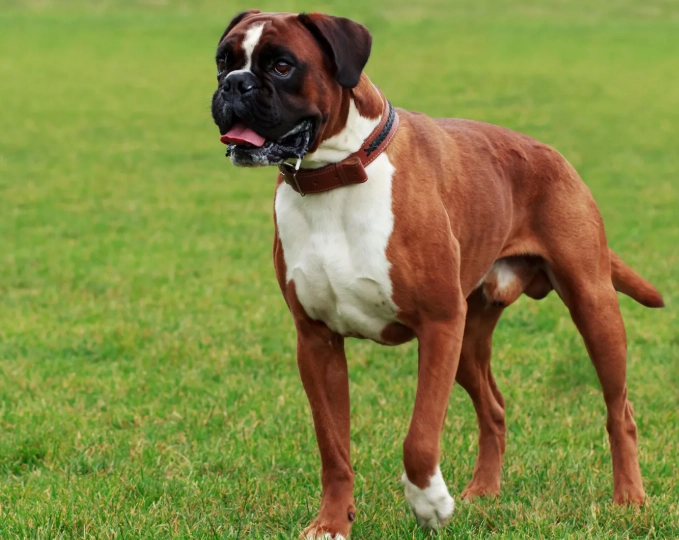
But is that chaotic, joyful energy right for your home? Bringing a dog into your family is a huge decision, and with a breed as distinctive as the Boxer, you need to go in with your eyes wide open. This isn't just about thinking they're "cool-looking" (which they are). It's about understanding the reality of living with a powerful, intelligent, and emotionally needy dog for the next 10 to 12 years. This guide isn't a fluffy sales pitch. We're going to dig into the good, the bad, the slobbery, and the heartwarming truths about the Boxer dog breed. We'll cover their history, their needs, their health pitfalls (and there are a few you really need to plan for), and what kind of life makes them truly happy. My goal is simple: to give you all the information, so you can decide if your home is the right forever home for one of these wonderful goofballs.
Where Did the Boxer Dog Breed Come From? A Bit of History
To understand the modern Boxer, you have to look back. Way back. Their ancestors are believed to be hunting dogs from Germany, descending from the now-extinct Bullenbeisser (which literally means "bull biter"). These were no-nonsense dogs used for chasing and holding large game like boar and bison. Later, they were unfortunately used in the brutal sport of bull-baiting. When that was banned, their roles shifted. Breeders began crossing them with other breeds, likely including the English Bulldog, to refine them into the more agile, versatile dog we know today.
Fun Fact: The name "Boxer" is a bit of a mystery. Some say it comes from the way they play, standing on their hind legs and "boxing" with their front paws. Others think it's a corruption of a German word. I like the boxing theory – it fits their personality perfectly.
By the late 19th century, the first Boxer club was formed in Germany, and the breed standard was established. They served as messenger dogs, pack carriers, and guard dogs in the World Wars. Soldiers returning home brought stories of the breed's loyalty and intelligence, which helped spark their popularity in the United States and elsewhere. From a rugged working dog to a beloved family companion – it's quite a journey. The American Kennel Club (AKC) provides a detailed look at this history and the official breed standard for the Boxer dog, which is worth a read if you're interested in the fine points of their appearance.
Boxer 101: Appearance, Temperament, and The Real Deal
Okay, let's describe the classic Boxer. They're a medium-to-large, stocky, and muscular dog with a short, shiny coat. Colors are typically fawn (a light tan) or brindle (a striking tiger-stripe pattern), often with white markings on the chest and paws. Their face is what grabs you – a strong, blunt muzzle, a black mask, and those intelligent, alert eyes. Their ears can be natural (floppy) or cropped to stand erect, though ear cropping is becoming increasingly controversial and is banned in many countries. Their tail is traditionally docked short, but again, this practice is also on the decline due to animal welfare concerns.
But the looks are just the packaging. The real magic (and challenge) is inside.
The Boxer Personality: Goofy Clown or Stoic Guardian?
It's both. Honestly, it's this duality that defines the Boxer dog breed. They have this incredible, almost childlike zest for life. They're famous for their "kid-friendly" nature, often being incredibly patient and playful with children. They express happiness with that whole-body wiggle (the "Boxer wiggle") and a unique sound called the "woo-woo" – a sort of melodic grumble of excitement. They are hilarious, often unaware of their own size and strength, which can lead to comical crashes and spills.
They don't just wag their tails; they wag their entire selves.
But don't let the clown act fool you. Beneath that playful exterior lies a keen, observant mind and a deep-seated loyalty that translates into a natural protective instinct. They are often reserved with strangers, assessing the situation before offering friendship. This isn't aggression; it's discernment. A well-socialized Boxer will be polite but aloof with newcomers and fiercely devoted to their family. This combination makes them excellent watchdogs – they will absolutely let you know if someone is at the door, usually with a deep, resonant bark that seems too big for their body.
The downside? This intelligence and energy need an outlet. A bored Boxer is a destructive Boxer. We're talking about a dog that can redecorate your couch with its teeth out of sheer frustration or loneliness. They are also notorious for being stubborn. Training requires patience, consistency, and a good sense of humor. They're not Golden Retrievers who live to please you; they need to see the *point* of what you're asking. Positive reinforcement – treats, praise, play – is the only way to go with this sensitive breed. Harsh methods will backfire spectacularly.
The Good, The Bad, and The Slobbery: A Quick Reality Check
| Pros of Owning a Boxer |
Cons of Owning a Boxer |
| Unmatched Loyalty & Affection: They bond intensely with their family and want to be involved in everything you do. |
High Energy & Exercise Needs: They are not couch potatoes (until they crash). Daily vigorous exercise is non-negotiable. |
| Excellent with Children: Known for being patient, playful, and protective of kids in their family. |
Prone to Health Issues: Like many purebreds, they have a list of genetic predispositions (more on this below). |
| Natural Watchdog: Alert and protective without being overly aggressive when properly socialized. |
Can Be Stubborn & Strong-Willed: Training requires patience, consistency, and a sense of humor. |
| Low-Maintenance Grooming: Their short coat is easy to brush and sheds moderately. |
Notorious for Gas & Drool: Their deep chest and short muzzle make them... expressive. Keep the air freshener handy. |
| Endlessly Entertaining: Their clownish personality provides constant laughter and joy. |
Short Lifespan: 10-12 years is average, which is heartbreakingly short for such a wonderful companion. |
Navigating Boxer Health: What You Must Be Prepared For
This is the most critical section for any potential Boxer owner. I won't sugarcoat it – the Boxer dog breed is prone to several serious health conditions. Being aware of these isn't meant to scare you off, but to empower you. Responsible ownership means knowing the risks, choosing a responsible breeder who tests for these issues, and having a plan (and pet insurance) in place.
Let's be blunt: Skipping health research is the biggest mistake you can make. The financial and emotional cost of dealing with a major health issue is immense. A reputable breeder will be transparent about health testing. If a breeder brushes off your questions about health clearances, walk away.
Here are the major health concerns associated with the breed:
- Boxer Cardiomyopathy (Arrhythmogenic Right Ventricular Cardiomyopathy - ARVC): This is a serious, inherited heart condition specific to Boxers. It causes irregular heartbeats and can lead to sudden cardiac arrest, even in young, seemingly healthy dogs. Reputable breeders test their breeding stock for this. The American College of Veterinary Internal Medicine (ACVIM) has resources on cardiac diseases in dogs. Regular vet check-ups that include listening to the heart are crucial.
- Hypothyroidism: A common issue where the thyroid gland doesn't produce enough hormones, leading to weight gain, lethargy, and skin problems. It's manageable with daily medication.
- Brachycephalic Obstructive Airway Syndrome (BOAS): This is the big one for their cute, squished face. That short muzzle means they often have narrow nostrils, an elongated soft palate, and a small windpipe. This makes breathing less efficient. They snore, snort, and can overheat dangerously quickly. You must never exercise a Boxer in the heat of the day, and you need to be vigilant for signs of heatstroke (excessive panting, dark red gums, collapse).
- Hip Dysplasia: A malformation of the hip joint that can lead to arthritis and pain. The Orthopedic Foundation for Animals (OFA) screens for this, and good breeders will have OFA or PennHIP certification for the parents' hips.
- Cancers: Sadly, Boxers have a higher-than-average incidence of certain cancers, including mast cell tumors and brain tumors. Regular vet checks and being alert to any new lumps or changes in behavior are key.
So, what can you do? First, choose a breeder who does full health testing, not just a vet check. They should be able to show you OFA certificates for hips, heart (Holter monitor and echocardiogram results for ARVC), and thyroid. Ask to see them. Second, get pet insurance early, before any conditions appear. It's a lifesaver. Third, build a relationship with a good vet who understands brachycephalic breeds.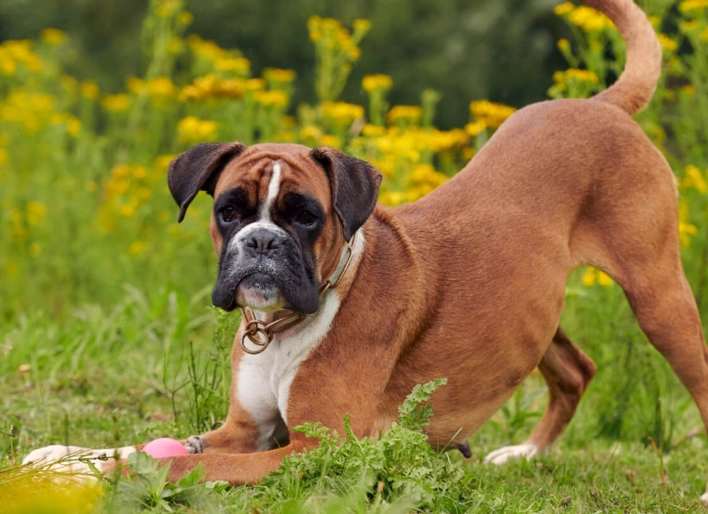
Life with a Boxer: Training, Exercise, and Daily Routine
Imagine living with a perpetual toddler who has the strength of a professional athlete. That's life with a young Boxer. They are not a low-energy breed. They are not an "easy" dog. But if you can meet their needs, the reward is incredible.
Exercise is Non-Negotiable
A tired Boxer is a good Boxer. A bored, pent-up Boxer is a demolition crew. They need more than a quick walk around the block. We're talking about 60-90 minutes of vigorous activity every single day. This can be split into sessions:
- Long, brisk walks or jogs (in cool weather).
- Off-leash running in a secure area (they have a high prey drive, so recall training is vital).
- Play sessions like fetch, flirt pole, or tug-of-war (great for mental and physical stimulation).
- Dog sports like agility, nose work, or obedience – they excel at these and love the mental challenge.
If you're a couch potato, a Boxer will make you an athlete. It's not a suggestion; it's a requirement for household harmony.
Training: Patience, Pizza, and Practice
Start training the day you bring your puppy home. Socialization is even more critical than sit and stay. Expose them to everything: different people, kids, other friendly dogs, loud noises, umbrellas, skateboards – the whole world. A well-socialized Boxer is a confident, stable dog. An under-socialized one can become fearful or reactive.
Use positive reinforcement only. Find what motivates them – usually food, but sometimes a favorite toy. Keep sessions short, fun, and end on a positive note. Be consistent with commands and rules. If you let them jump on you when you're in sweats but scold them when you're in work clothes, you'll just confuse them. Their stubborn streak will test you. Some days they'll look at you like you're speaking Martian. Just take a breath and try again later.
Key skills to master early: loose-leash walking (they are powerful pullers), a solid recall, and a solid "leave it" command. These are safety essentials.
Grooming, Feeding, and Home Life
Grooming is easy. A weekly brush with a rubber curry brush or grooming mitt will remove loose hair and distribute skin oils. They shed, but it's manageable. Baths only as needed. The main tasks are dental care (brush their teeth regularly!) and keeping those facial wrinkles clean and dry to prevent infection.
Feeding a high-quality diet appropriate for their age and activity level is important. Be careful with portion control, as they can easily become overweight, which exacerbates joint and breathing problems. Use a slow-feed bowl if they eat too fast (a common Boxer trait that contributes to gas).
| Life Stage |
Daily Exercise Needs |
Mental Stimulation Ideas |
| Puppy (2-6 months) |
Short, frequent play sessions (5-15 mins). Avoid forced running. |
Puzzle toys, basic obedience, gentle socialization outings. |
| Adolescent (6-18 months) |
45-60+ mins. High energy! Structured walks, running, play. |
Advanced training classes (obedience, agility foundations), interactive games. |
| Adult (2-7 years) |
60-90 mins. Sustained, vigorous activity. |
Dog sports, nose work, learning new tricks, food-dispensing toys. |
| Senior (8+ years) |
30-45 mins, adjusted for arthritis/pain. Shorter, slower walks. |
Gentle training refreshers, easy scent games, lots of companionship. |
Is a Boxer the Right Dog for You? The Honest Checklist
Let's cut to the chase. The Boxer dog breed is NOT for everyone. They are a commitment. Ask yourself these questions honestly:
- Do you have at least 1-2 hours a day for dedicated exercise and interaction? Not just letting them in the yard, but engaged activity.
- Do you have a stable, predictable routine? Boxers thrive on routine and can get anxious with constant chaos.
- Are you prepared for potential vet bills? Pet insurance or a dedicated savings fund is highly recommended.
- Do you have a sense of humor? You will be cleaned by a giant tongue, tripped over, and have your personal space invaded daily. You need to laugh about it.
- Is your home living situation suitable? They can do okay in apartments if exercised exhaustively, but a house with a secure yard is ideal. They are indoor dogs – they cannot live outside.
- Are you home a lot? Boxers are prone to separation anxiety. They want to be with their people. Long, lonely workdays are hard on them.
If you answered yes to most of these, you might just be the perfect match for a wiggly, woo-wooing Boxer.
Finding Your Boxer: Breeder vs. Rescue
You have two main paths: a responsible breeder or adoption/rescue.
Going through a breeder: This is the path for a puppy with a known health history. A good breeder is your partner. They will interview you as much as you interview them. They will have the parents on-site, show you health clearances, have a contract that includes a return clause, and be a resource for the dog's entire life. They do not sell through pet stores or online marketplaces. The American Kennel Club (AKC) marketplace can be a starting point to find breeders, but you must still do your due diligence. Expect to be on a waiting list and pay a premium – this reflects the cost of proper health testing and care.
Adoption/Rescue: So many wonderful Boxers and Boxer mixes end up in shelters or breed-specific rescues. They are often there through no fault of their own – a divorce, a move, an owner unprepared for their energy. Adopting an adult dog can be fantastic because what you see is what you get – their personality and energy level are already established. Rescues like American Boxer Rescue work nationwide to rehome dogs. You're giving a second chance to a deserving animal, and it's usually more affordable.
I have a soft spot for rescue. My friend adopted a 4-year-old Boxer named Bella who was surrendered because she "had too much energy." With proper exercise and training, Bella transformed into the most loving, well-behaved dog. She just needed someone who understood her breed.
Your Boxer Questions, Answered (FAQ)
Are Boxers good with other pets?
It depends on the individual dog and early socialization. They can do well with other dogs, especially if raised together. However, their high prey drive means cats, rabbits, or small dogs might be seen as chase objects unless they are very carefully introduced and supervised. Same-sex aggression, particularly between male Boxers, is not uncommon.
How much do Boxers drool and snore?
More than the average dog. The drool isn't constant like a Saint Bernard's, but it appears after drinking water, when excited, or when anticipating food (the "rope of drool" is a classic Boxer move). Snoring is almost guaranteed due to their brachycephalic anatomy. If you're a light sleeper, you might need earplugs or a separate sleeping arrangement.
Are they easy to train?
I wouldn't call them "easy." They are intelligent and can learn quickly, but they are also independent and easily bored. They respond best to short, fun, reward-based sessions. Consistency is king. They are not a breed for a first-time dog owner who wants a perfectly obedient dog with minimal effort.
What's the best way to handle their energy in an apartment?
It's all about quality over quantity. Replace some physical exercise with intense mental stimulation. A 30-minute session of obedience training or nose work can tire them out as much as an hour-long run. Use puzzle feeders for every meal. Schedule multiple shorter walks throughout the day. Find a secure dog park or field for off-leash runs several times a week. It's more work in an apartment, but it's doable with dedication.
Why is their lifespan so short?
This is the heartbreaking part. Their lifespan of 10-12 years is influenced by their size (larger dogs generally live shorter lives) and their genetic predisposition to serious conditions like cancer and heart disease. Choosing a breeder focused on health and longevity, providing excellent preventative care, and keeping them at a healthy weight are the best things you can do to maximize your time together.
Final Thoughts: The Heart of a Boxer
Living with a Boxer is an experience. It's messy, energetic, sometimes frustrating, and utterly rewarding. They are not a decorative pet. They are a full-time, engaging, loving project. They will make you laugh every single day. They will lean against you with their full weight just to be close. They will guard your home and your heart with unwavering devotion.
If you can provide the structure, the exercise, the veterinary care, and the boundless love they require, a Boxer will pay you back a thousand times over. They are more than just a "boxer dog breed" – they become a defining part of your family's story, a furry, wiggling chapter of pure joy.
Do your homework. Be brutally honest with yourself about your lifestyle. And if it's a match, get ready for one of the greatest adventures of your life.