Sweet Potatoes for Dogs: Benefits, Risks & Feeding Guide
Let's cut to the chase. You're probably here because you were chopping up a sweet potato for dinner, those big puppy eyes locked onto you, and the question popped into your head: are sweet potatoes good for dogs? Or maybe you've seen them listed as an ingredient in high-end dog food and treats. It's a super common question, and honestly, it's a great one to ask. As a dog owner myself, I've been down this rabbit hole (or should I say, sweet potato vine?). I've fed them to my own lab mix, Baxter, for years, but I've also learned the hard way about the mistakes to avoid. The short, simple answer is a resounding yes. In most cases, sweet potatoes are not just good, they're fantastic for dogs. They're packed with nutrients that can boost your dog's health. But—and this is a big but—it's not as simple as just handing over a chunk of your Thanksgiving casserole. There are right ways and very wrong ways to do it. Feeding them incorrectly can turn this healthy snack into a problem. This guide is going to dive deep into everything you need to know. We'll talk about the why, the how, the how much, and the what-ifs. We'll bust some myths and I'll even share a couple of my own blunders so you don't have to repeat them. By the end, you'll be a sweet potato-for-dogs expert, feeling confident about whether and how to share this orange superfood with your furry friend. Quick Takeaway: Plain, cooked, unseasoned sweet potatoes are a safe and healthy occasional treat for most dogs. They offer fiber, vitamins, and antioxidants. The key is moderation and proper preparation. So, what's actually in a sweet potato that makes it so special? It's not just empty calories. Think of it as a natural, furry friend-friendly multivitamin. Here’s a breakdown of the good stuff and what it does for your pup. This is arguably the biggest benefit. Sweet potatoes are loaded with dietary fiber. For dogs with occasional loose stools or irregular digestion, a little bit of cooked, mashed sweet potato can work wonders. It acts as a gentle regulator. Conversely, for constipated pups, the fiber can help get things moving. It's like a natural stool softener and bulking agent. I remember when Baxter got into something he shouldn't have (a story for another day) and had an upset stomach for a couple of days. Our vet recommended a bland diet of boiled chicken and, you guessed it, a spoonful of plain mashed sweet potato. It helped firm things up nicely. It's a common home remedy vets suggest. These tubers are a powerhouse of vitamins, which support everything from eyesight to the immune system. They also provide key minerals that keep your dog's body functioning smoothly. The bright orange color is a dead giveaway—sweet potatoes are rich in antioxidants like beta-carotene. These compounds fight off free radicals, which are unstable molecules that can damage cells and contribute to aging and disease. Think of antioxidants as little cellular bodyguards for your dog. So, when you ask are sweet potatoes good for dogs from a nutritional standpoint, the evidence is pretty overwhelming. They're a dense source of beneficial nutrients that support overall wellness. A quick personal aside: I used to buy expensive, fortified pumpkin supplements for Baxter's digestion. Then I realized that plain cooked sweet potato offered similar fiber benefits at a fraction of the cost. It's now a staple in my "doggy first-aid kit" for minor tummy troubles. Okay, so they're packed with good things. But nothing in life (or dog nutrition) is 100% perfect. Ignoring these risks is where owners can get into trouble. Let's be real about the potential downsides. This is the number one concern, especially for certain dogs. Sweet potatoes are starchy. When cooked, their starches break down into sugars more easily. This gives them a relatively high glycemic index, meaning they can cause a quicker rise in blood sugar levels compared to other vegetables like green beans or broccoli. Who needs to be careful? This one is all about form. Giving a dog a whole, raw sweet potato is a terrible idea. It's hard, dense, and a major choking risk. Even a large chunk of cooked sweet potato can be gulped down by an eager dog and cause an obstruction in the throat or intestines. Always, always cut cooked sweet potato into small, bite-sized pieces appropriate for your dog's size. For small dogs, think pea-sized. For larger dogs, half-inch cubes are sufficient. When in doubt, mash it. Sweet potatoes contain compounds called oxalates. In very high concentrations, oxalates can contribute to the formation of calcium oxalate crystals and stones in the urinary tract. This is generally only a concern if your dog is prone to this specific type of bladder stone or has kidney issues. For the average healthy dog eating sweet potatoes in moderation, the oxalate content is not a significant issue. But it's another reason why the "moderation" mantra is so important. If your dog has a history of calcium oxalate stones, talk to your vet. Warning: The Absolute No-Nos This is a crucial distinction. Not all forms are created equal when it comes to canine safety and digestibility. The verdict? Plain, cooked, and unseasoned is the way to go. Boiling or steaming is my preferred method because it's simple and retains moisture. Portion control is everything. Sweet potatoes should be a treat or supplement, not a main meal. The general rule of thumb from veterinarians and canine nutritionists is the 10% Rule: treats and supplemental foods should not make up more than 10% of your dog's daily calorie intake. The other 90% should come from their complete and balanced commercial or veterinary-prescribed diet. Here’s a more practical, weight-based guideline to start with. Remember, every dog is different. Start with less, especially the first time. Frequency? A couple of times a week is a safe bet for most healthy dogs. It's not something they need every single day. Pro Tip: The first time you introduce sweet potato, give only a tiny amount and watch for any changes over the next 24-48 hours. Look for signs of gas, bloating, diarrhea, or itching. While rare, some dogs can have an intolerance or allergy to any new food. You'll see sweet potato popping up everywhere in the pet food aisle. Grain-free diets famously used them (and other legumes) as a primary carbohydrate source. It's important to understand this context. In 2018, the FDA began investigating a potential link between certain grain-free diets (often containing peas, lentils, and sweet potatoes) and a heart condition in dogs called Dilated Cardiomyopathy (DCM). The investigation is complex and ongoing. It's crucial to note that the FDA has not concluded that sweet potatoes themselves cause DCM. The issue appears to be related to diets that rely heavily on these ingredients as main components, potentially leading to nutrient imbalances or deficiencies over time. You can read the latest updates on this investigation directly from the source at the U.S. Food and Drug Administration's DCM update page. The takeaway? Feeding your dog a few pieces of cooked sweet potato as a treat is vastly different from feeding them a diet where sweet potato is a primary, daily ingredient. Context matters. If you feed a commercial diet containing sweet potatoes, it's always wise to discuss your dog's overall nutrition with your veterinarian, especially if it's a boutique or grain-free formula. Making your own treats is a fun way to know exactly what your dog is eating. Here are two foolproof recipes. They're so easy, you barely need to call them recipes. These are the classic chews you see in stores, but cheaper and with no additives. My experience: Baxter goes nuts for these. But I'll be honest, sometimes I get impatient and take them out a bit early. If they're even slightly bendy in the middle, they can mold quickly. So make sure they're truly dry! Perfect for hot days or teething puppies. Yes, but with extra caution. A puppy's digestive system is more sensitive. Introduce an even tinier amount (a pea-sized bit of mash) and wait to see how they handle it. The extra vitamins can be beneficial, but their primary nutrition must come from a high-quality puppy formula designed for their rapid growth. Don't panic, but monitor closely. A small lick or tiny piece is unlikely to cause harm. If they ate a significant chunk or a whole small potato, call your vet immediately. A raw piece can cause a gastrointestinal obstruction, which is a surgical emergency. Watch for vomiting, loss of appetite, lethargy, or inability to pass stool. In most U.S. grocery stores, what's labeled as "yams" are actually a variety of sweet potato. True yams are a different, less common tuber. For our purposes, the safety guidelines are the same: only cooked, plain, and in moderation. When in doubt, treat any orange-fleshed tuber as a sweet potato. They can, due to their soluble fiber content. Many vets recommend plain pumpkin or sweet potato for mild, diet-related diarrhea. However, if the diarrhea is severe, accompanied by vomiting or lethargy, or lasts more than 24 hours, see your vet. It could be a sign of something more serious. This is different. Raw white potatoes are unsafe for dogs as they contain solanine, a compound that can be toxic. Cooked plain white potato (no butter, salt, etc.) is generally considered safe in small amounts, but it offers fewer nutrients than the vibrant sweet potato and has a higher glycemic index. Sweet potato is the superior choice. For a definitive list of foods that are toxic to dogs, always refer to a trusted source like the ASPCA's Animal Poison Control Center plant list. So, circling back to the big question: are sweet potatoes good for dogs? For the vast majority of healthy dogs, the answer is a qualified yes. They are a nutrient-rich, digestible, and generally safe vegetable when prepared correctly and fed in appropriate amounts. They can be a fantastic tool for digestive health, a low-fat training treat, or a fun DIY project. But the qualifications are critical. Always cook them. Never season them. Feed them in moderation, considering your dog's size, weight, and any health conditions (like diabetes). They are a supplement, not a staple. When you look at the whole picture—the fiber, the vitamins, the minerals—it's clear why so many dog owners and pet food companies have embraced this humble root vegetable. Just remember to be a smart about it. Your dog's health isn't just about one food being "good" or "bad"; it's about the overall balance of their diet. Start small, watch closely, and when in doubt, your veterinarian is your best resource. Now, if you'll excuse me, I think Baxter heard me typing the words "sweet potato" and is now giving me The Look. Time to go steam a few cubes.Quick Navigation
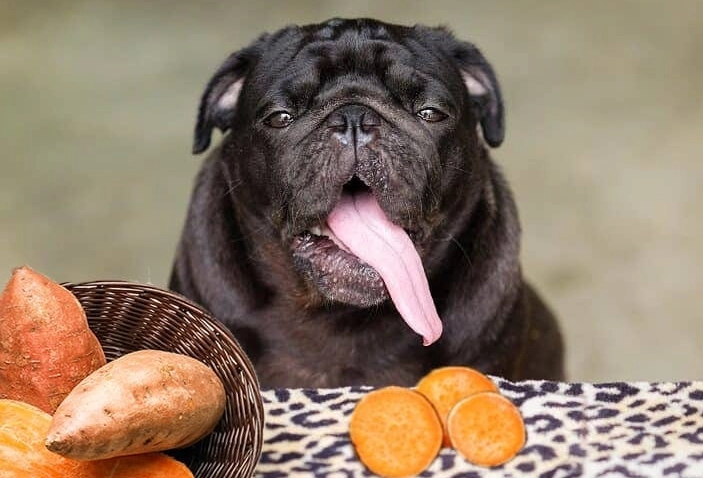
Why the Big Deal? Nutritional Benefits of Sweet Potatoes for Dogs

Dietary Fiber: The Digestive Champion
Vitamins Galore
Essential Minerals
Antioxidants
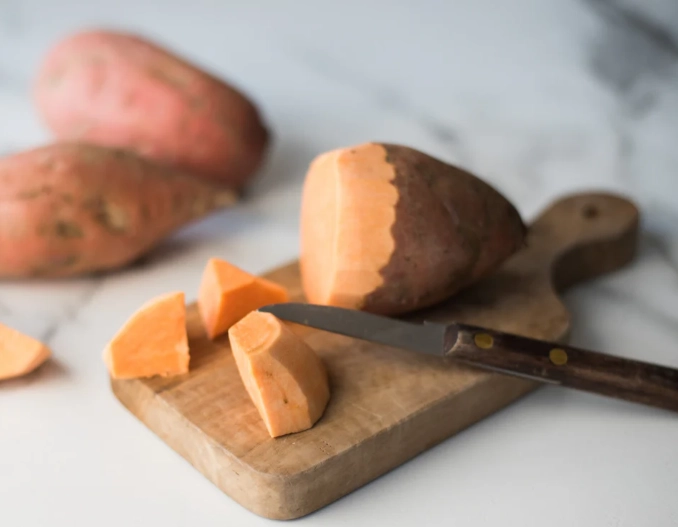
The Other Side of the Coin: Potential Risks and Precautions
High Glycemic Index and Sugar Content
Choking Hazard and Digestive Blockage
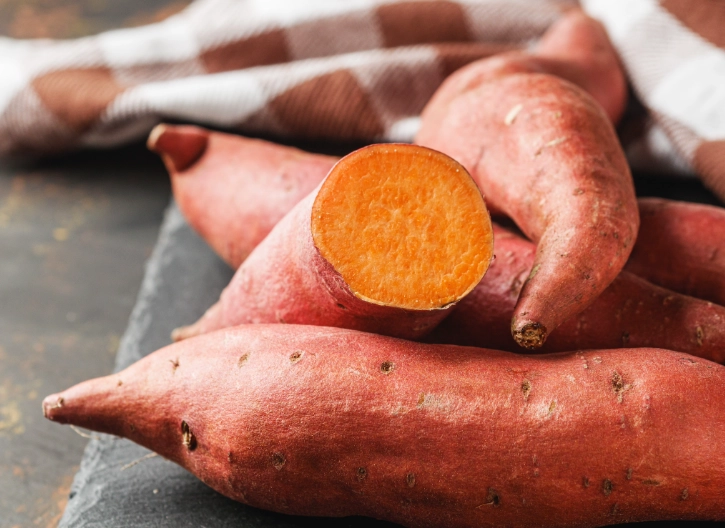
Oxalates: A Concern for Certain Conditions
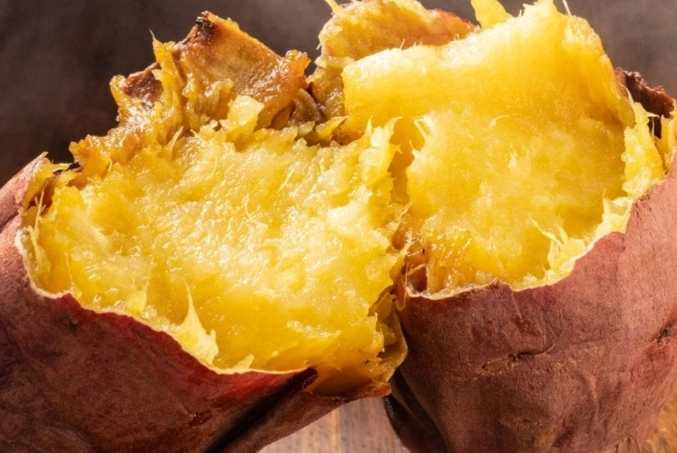
1. Never feed raw sweet potato. It's difficult to digest and can cause intestinal blockage.
2. Absolutely no seasonings. That means no salt, no butter, no brown sugar, no marshmallows, and especially no onion or garlic powder (which are toxic to dogs). Plain is the only way.
3. Avoid canned sweet potatoes in syrup. The added sugar is terrible for dogs. If you must use canned, ensure it's packed in water with no added ingredients.Raw vs. Cooked vs. Dehydrated: What's the Safest Method?
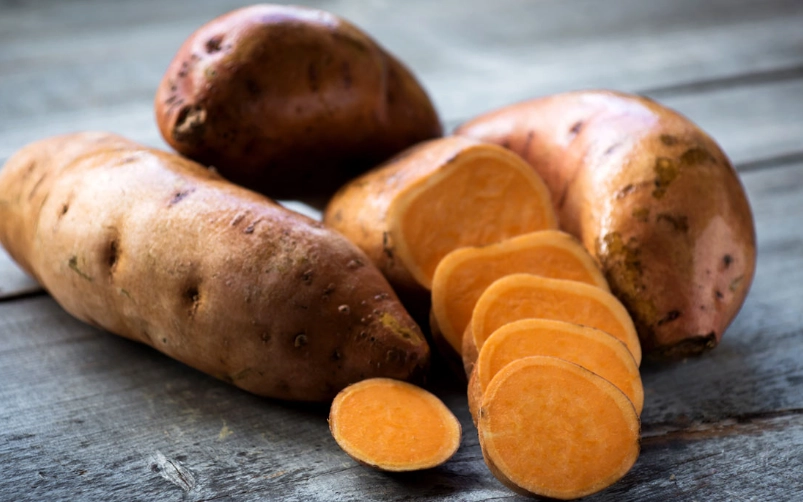
Preparation Method Is It Safe for Dogs? Key Notes & Precautions Raw Sweet Potato NO Hard to digest, major choking/blockage risk. Contains trypsin inhibitors that can interfere with protein digestion. Just don't do it. Boiled or Steamed (Plain) YES - BEST OPTION The gold standard. Soft, easy to digest, nutrients are bioavailable. Can be mashed or cubed. Let it cool completely. Baked or Roasted (Plain) YES Safe, but can be drier. Ensure no oils, salt, or seasonings are used. The skin can be tough, so it's often best removed. Dehydrated Sweet Potato Chews YES, with Caution A popular chew. Ensure they are 100% sweet potato with no preservatives. Supervise your dog, as hard pieces can break off and be a choking hazard. Canned (in water, no sugar) OK in a pinch Check the label meticulously. Only "sweet potatoes" and "water" should be on the ingredient list. Rinse before serving. Fresh is preferable. Sweet Potato Skin DEBATABLE The skin is fibrous and harder to digest. It can also harbor dirt. Most experts recommend peeling for easier digestion, though it's not toxic if thoroughly washed and cooked. How Much is Too Much? The Feeding Guide
Sweet Potatoes in Commercial Dog Food and Treats
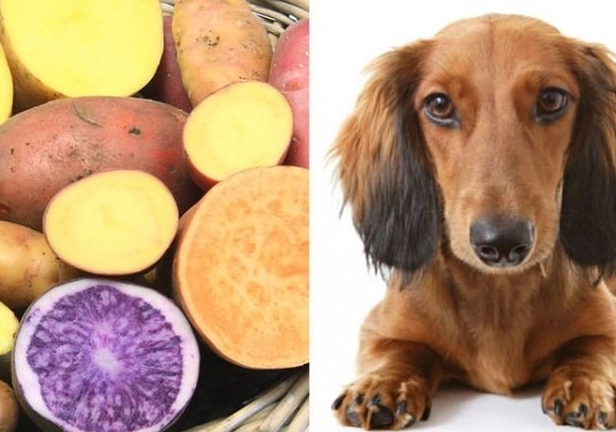
DIY: Simple Sweet Potato Dog Treat Recipes
Basic Dehydrated Sweet Potato Chews
Frozen Sweet Potato & Pumpkin Bites
Answering Your Burning Questions (FAQ)

Can puppies eat sweet potatoes?
My dog ate a raw sweet potato! What do I do?
Are yams and sweet potatoes the same thing for dogs?
Can sweet potatoes help with my dog's diarrhea?
What about other potato types? White potatoes?
The Final Verdict