Parvo in Puppies: Recognizing the Signs and Symptoms
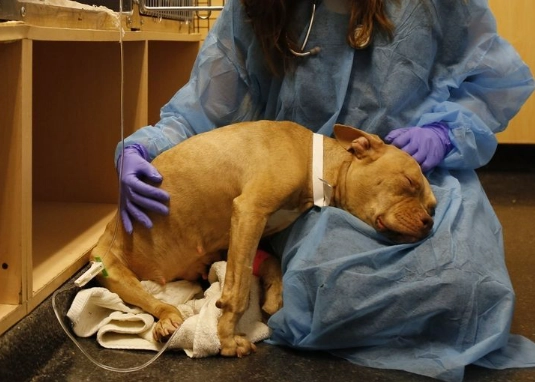
Let's talk about something no puppy owner ever wants to face: parvo. Just hearing the word can send a chill down your spine if you've been around dogs for a while. I remember the first time I encountered a parvo puppy at a shelter I volunteered at – the helplessness, the frantic energy of the vets, the sheer speed at which a bubbly puppy can deteriorate. It's brutal. And the worst part? Early signs are so easy to miss. They look a lot like a simple upset stomach. That's why knowing the specific signs and symptoms of parvo in puppies isn't just helpful; it can literally be the difference between life and death. This isn't meant to scare you, but to arm you. Parvovirus is a ruthless, highly contagious virus that attacks a puppy's rapidly dividing cells, primarily in the intestines and bone marrow. It hits hard, it hits fast, and it doesn't give you much time to react. By the time some owners realize it's more than just "something they ate," the puppy is already in a critical state. So we're going to break it down, step by step, symptom by symptom. What does parvo look like in the first 24 hours? How does it progress? What are the subtle signs you might overlook? We'll cover everything from the classic, textbook signs to the less obvious behavioral changes. We'll also get into what happens next – because recognizing the signs is only half the battle. Understanding the why and the what-now is crucial. I'll share some insights from veterinary resources like the American Veterinary Medical Association (AVMA) and the comprehensive overview from the Cornell University College of Veterinary Medicine, which are fantastic, authoritative sources for any pet health concern. Before we dive into the symptoms, let's get a quick handle on what we're dealing with. Canine parvovirus type 2 (CPV-2) is the culprit. It's a tiny, incredibly tough virus that can survive in the environment for months, even years. Think about that. It can linger on sidewalks, in soil, on shoes, on bowls – everywhere. This toughness is a big reason why it's such a nightmare. The virus has a nasty preference for attacking cells that are dividing quickly. In a growing puppy, two places are full of these cells: the lining of the intestines and the bone marrow (where white blood cells are made). When the intestinal lining gets wiped out, the puppy can't absorb nutrients or water, and bacteria that normally live in the gut can leak into the bloodstream. When the bone marrow gets hit, the puppy's ability to fight off any infection – including the secondary ones that come with the gut damage – plummets. It's a vicious one-two punch. Who's most at risk? Unvaccinated puppies between 6 weeks and 6 months old are the prime targets. But older dogs without proper immunity can get it too. Some breeds, like Rottweilers, Doberman Pinschers, American Pit Bull Terriers, and German Shepherds, seem to have a higher susceptibility, though any breed can be infected. The signs and symptoms of parvo in puppies don't all appear at once. They develop in a cascade, often over just 48 to 72 hours. Missing the early stage is common, but if you know what to look for, you might just catch it in time. This is where most people think, "Oh, he's just a bit off." The puppy might have just been weaned, or stressed from a new home, so you write it off. Big mistake. See what I mean? Lethargy, not eating, maybe feeling warm. It could be a dozen things. But in a young, unvaccinated or partially vaccinated puppy, you must put parvo at the top of the list. If the early signs are missed, the disease progresses rapidly into its severe, classic form. This is what most people picture when they think of parvo. This stage is a medical emergency. A puppy at this point can die from shock, dehydration, or secondary infection within 24-48 hours without intensive veterinary care. To make it crystal clear, here’s how the progression of signs and symptoms of parvo in puppies typically unfolds. Remember, not every puppy follows this exact timeline, but it's a common pattern. If you describe these signs and symptoms of parvo in puppies to a vet, they'll strongly suspect it. But diagnosis usually involves a quick in-clinic test. They'll take a small stool sample and run an ELISA test, which looks for viral antigens. It's like a rapid COVID test for dogs. It's pretty accurate, but false negatives can happen very early or late in the disease. Sometimes, especially if the test is negative but symptoms scream parvo, the vet will run additional blood tests. A complete blood count (CBC) often shows a very low white blood cell count (leukopenia) because the virus has wiped out the bone marrow's ability to produce them. This is a classic parvo finding and a very bad sign for the puppy's ability to fight back. I think it helps to know what you're signing up for, both emotionally and financially. There is no magic pill that kills the parvovirus. Treatment is all about supporting the puppy's body while its own immune system (hopefully) rallies and clears the virus. This is called supportive care, and it's intensive. Treatment often lasts 5-7 days in the hospital. It's expensive, often running into the thousands of dollars. The survival rate with aggressive, early veterinary treatment is actually quite good – often cited between 68% and 92%. But without treatment, the survival rate plummets to less than 10%. That's the stark reality. If your puppy is diagnosed, you have a second job: preventing the spread. This virus is a nightmare to clean up. Quarantine: The infected puppy must be isolated from all other dogs for at least a month after recovery, as they can still shed the virus in their stool. Use a separate room, separate bowls, separate everything. Decontamination: You need a disinfectant that kills non-enveloped viruses. Not all cleaners do. Bleach is the gold standard. The Merck Veterinary Manual recommends a 1:30 dilution of household bleach (1 part bleach to 30 parts water). Scrub every surface the puppy touched – floors, crates, bowls, toys. Unfortunately, it's nearly impossible to disinfect lawns or soil. The best you can do is keep other dogs away from the area for many months. Wash all bedding, towels, and soft toys in hot water with bleach-safe detergent. And wash your own hands thoroughly after handling the sick pup or anything in their space. After going through all these grim signs and symptoms of parvo in puppies, the takeaway should be crystal clear: you never want to see this firsthand. The good news is, parvo is almost entirely preventable. Vaccinate, vaccinate, vaccinate. Follow your veterinarian's recommended puppy shot schedule. The core DHPP vaccine includes protection against parvovirus. Puppies need a series of shots, typically at 6-8 weeks, 10-12 weeks, and 14-16 weeks, with a booster at one year. Don't let your puppy interact with unknown dogs or go to high-risk places (dog parks, pet stores, public sidewalks) until at least two weeks after their final puppy shot. Be smart about socialization. Socialize your puppy in controlled, safe environments with dogs you know are vaccinated. Puppy classes that require proof of vaccination are a great option. Knowing the signs and symptoms of parvo in puppies gives you power. It turns a vague fear into specific knowledge. You know what lethargy really looks like in this context. You know that a skipped meal is a big deal. You know not to wait for the bloody diarrhea to appear before you panic. That knowledge can save your puppy's life. Keep your vet's number handy, trust your gut if something feels off, and when in doubt, make the call. It's always better to be the overly cautious owner than the heartbroken one.In This Guide
What Exactly is Canine Parvovirus?
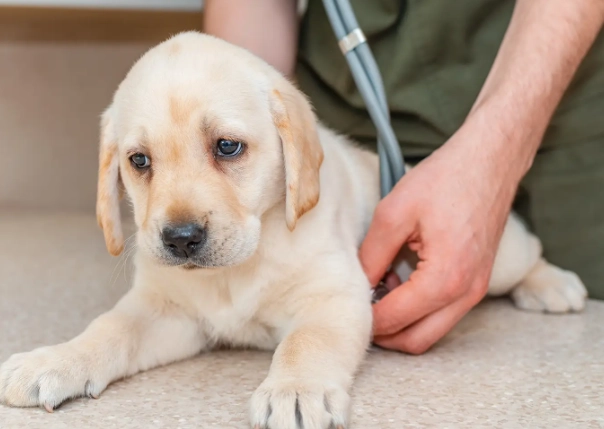
The Evolution of Symptoms: From Early Warnings to Critical Signs
The First 24-48 Hours: The Easy-to-Miss Stage
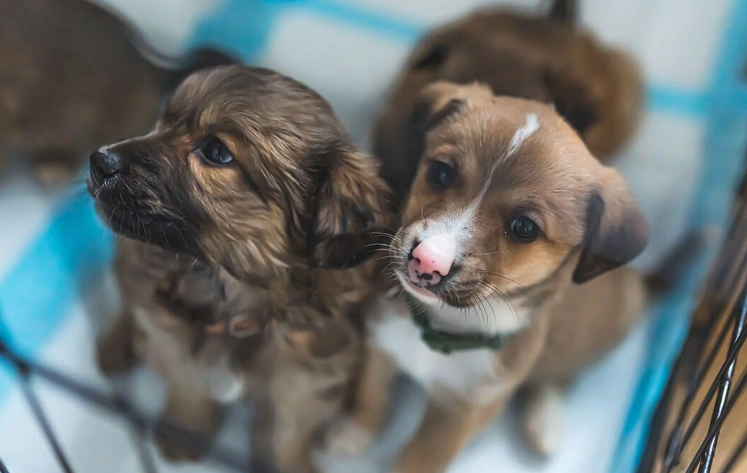
The Full-Blown Crisis: The Classic Parvo Presentation
Breaking Down the Symptoms: A Stage-by-Stage Table
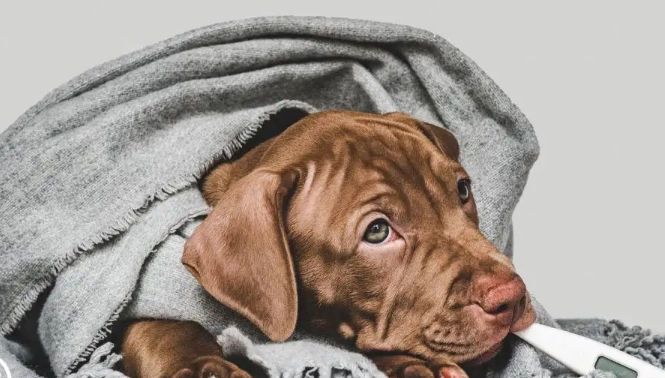
Stage
Timeframe
Key Symptoms
What's Happening Inside
Incubation
3-7 days post-exposure
No visible symptoms. Virus is multiplying.
Puppy is already infected and contagious but appears healthy.
Early Stage
Days 1-2 of illness
Lethargy, loss of appetite, fever, hiding.
Virus begins attacking the bone marrow, impacting the immune system.
Acute Stage
Days 2-4 of illness
Severe vomiting, profuse bloody diarrhea, abdominal pain, rapid dehydration.
Virus destroys intestinal lining, causing hemorrhaging and allowing bacterial translocation. Immune system is now crippled.
Critical Stage
Days 4-7 of illness
Weakness, collapse, pale gums, hypothermia, sepsis.
Severe dehydration, electrolyte imbalances, and systemic infection lead to shock. This is the make-or-break period with treatment.
How is Parvo Diagnosed? It's Not Just a Guess
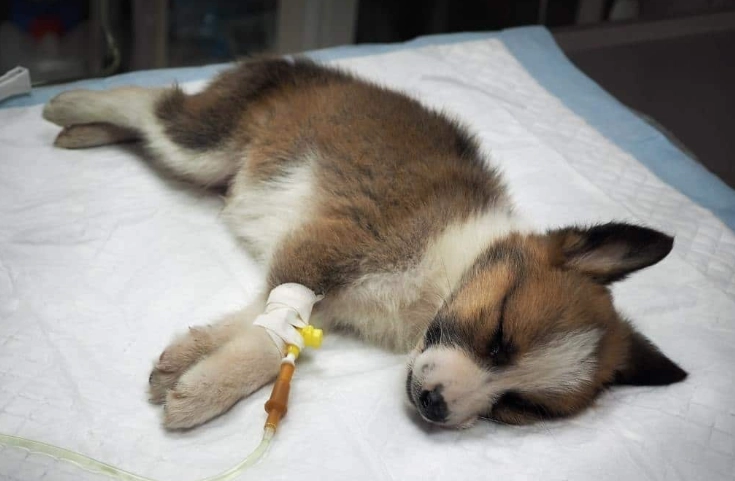
What Happens After You Get to the Vet? Understanding Treatment
Your Role at Home: Quarantine and Decontamination
Frequently Asked Questions About Parvo Signs and Symptoms
The Bottom Line: Prevention is Everything