Let's be honest. That faint, lingering smell of cat urine is more than just an annoyance. It's a source of stress, a point of contention if you have guests over, and honestly, it can make you question your entire life with your feline friend. You've probably tried everything. Baking soda, vinegar, the strongest supermarket spray you could find. And yet, a few days later, when the room warms up or the humidity rises, that unmistakable ammonia-like punch comes creeping back. Why is it so darn hard to get rid of cat pee smell for good?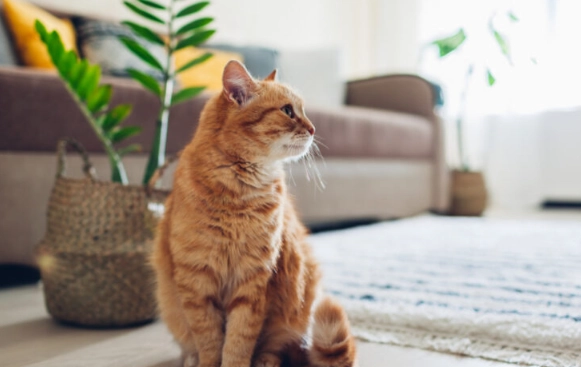
The answer is chemistry, and most of us are fighting it with the wrong weapons. We treat it like a simple stain or a surface odor. It is not. To truly learn how to get rid of cat pee smell, you need to understand what you're up against and then attack it with precision, not just hope.
The Core Problem: Cat urine is a complex bio-waste. It starts as urea, which breaks down into ammonia (that sharp initial smell). But the real long-term offender is uric acid. Uric acid crystallizes into salts that bond tightly to fibers, concrete, wood—anything porous. These crystals are hydrophobic, meaning they repel water. When the air is dry, they're stable and odorless. Add moisture (humidity, steam, a damp cloth), and they rehydrate, releasing that awful smell all over again. Most cleaners just mask or wash away surface ammonia, leaving the uric acid crystals untouched. That's your cycle of failure.
Your Step-by-Step Battle Plan to Eliminate Cat Urine Odor
Forget the quick fixes. This is a methodical process. Skipping steps is why the smell returns. The goal isn't just to clean; it's to completely remove the odor-causing compounds at a molecular level.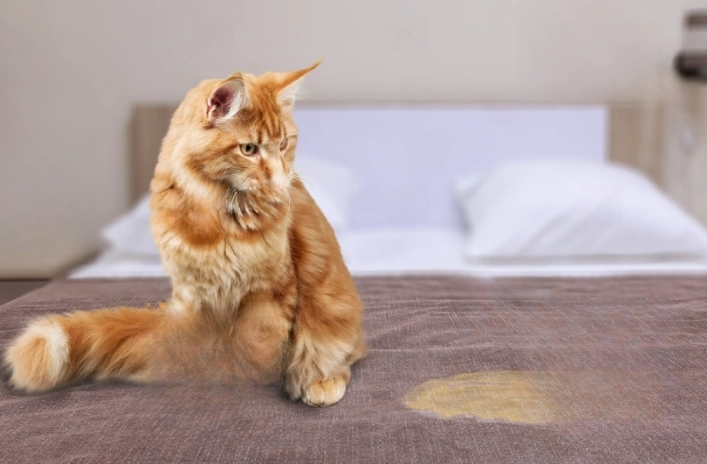
Step 1: The Immediate Blot (Not Rub!)
Time is your biggest enemy and ally. The sooner you act, the less the urine penetrates.
- What to use: A stack of paper towels, old rags, or microfiber cloths. Avoid colored cloths that might bleed.
- What to do: Place the towels over the spot and PRESS DOWN HARD. Stand on them if you have to. You want to absorb as much liquid as possible from the depths. Do not, I repeat, do not scrub or rub. Rubbing pushes the urine deeper into the padding or fabric. Replace towels until they come away nearly dry.
Stop Using Ammonia-Based Cleaners! This is a critical mistake. Many all-purpose cleaners contain ammonia. Your cat's nose is infinitely more sensitive than yours. To them, cleaning with ammonia smells like another cat has marked over their spot, which can encourage them to re-offend in the exact same location to re-assert their territory. You're literally inviting a repeat performance.
Step 2: The Initial Rinse (For Washable Items)
If you're dealing with a removable fabric like a cushion cover or blanket, get it to a sink or tub. Rinse the area thoroughly with cool water. Hot water can set the proteins in the urine, making the stain and smell permanent. Keep rinsing and blotting until the water runs clear. This step physically removes a huge portion of the urea before it can break down further.
Step 3: The Enzymatic Assault - The Only Thing That Works Long-Term
This is the non-negotiable heart of learning how to get rid of cat pee smell. Enzyme cleaners are not fancy perfumes. They contain live bacteria and enzymes that literally eat the uric acid crystals, breaking them down into harmless, odorless gases and water. They digest the source of the smell.
- How to use them correctly:
- Soak, don't spray. Liberally pour or spray the enzyme cleaner onto the stain, ensuring it soaks deep into the same layers the urine reached. You want to completely saturate the area.
- Give it TIME. This is where people fail. The bacteria need hours, often 12-24, to do their job. Cover the area with plastic wrap to keep it wet and prevent evaporation. Let it sit overnight.
- Let it air dry. Do not use heat to dry the area. Heat can kill the bacteria and set any remaining residue. Let it dry completely at room temperature. The smell should be gone. If a faint odor remains, repeat the enzyme treatment. The first application might not have gotten all the crystals.
I learned the "time" lesson the hard way. I once sprayed an enzyme cleaner on a carpet spot, waited an impatient 30 minutes, blotted it up, and wondered why the smell was back a week later. I didn't let the bacteria work. Patience is not just a virtue here; it's the requirement for success.
Choosing Your Weapon: A Breakdown of Cleaner Types
Not all cleaners are created equal. Using the wrong type is like bringing a spoon to a knife fight.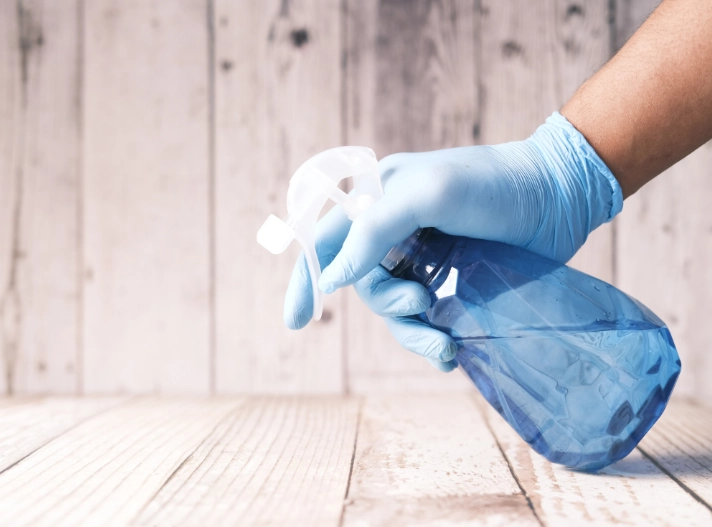
| Cleaner Type | How It Works | Pros | Cons | Verdict for Cat Pee |
|---|
| Enzymatic Cleaners | Biological agents digest uric acid crystals. | Permanently eliminates odor source. Non-toxic when dry. Prevents re-marking. | Requires long dwell time. More expensive. Has a shelf life. | THE GOLD STANDARD. The only reliable solution for permanent odor removal. |
| Baking Soda & Vinegar | Vinegar (acid) neutralizes ammonia (base). Baking soda deodorizes. | Inexpensive, readily available. Good for mild, fresh smells. | Does NOT break down uric acid crystals. Smell will return. Vinegar smell is strong temporarily. | A decent first-aid step for very fresh accidents, but never a complete solution. |
| Hydrogen Peroxide Mixes | Oxidizing agent that can break down organic compounds. | Can lighten stains and kill bacteria. Effective on some organic odors. | Can bleach colors. Can damage some fabrics and flooring. Harsh fumes. | Use with extreme caution and spot-test. Not recommended for delicate surfaces. |
| Commercial "Pet Odor" Sprays | Often contain strong perfumes, surfactants, and sometimes enzymes. | Convenient, easy to find. Some contain low levels of enzymes. | Heavily perfumed ones only mask the smell. Enzyme concentration is often too low to be fully effective. | Read labels carefully. Only buy if "enzymatic" or "bacteria-based" is a primary feature. |
| Steam Cleaners / Extractors | High heat and suction to clean deep in carpets. | Excellent for general deep cleaning and sanitizing. Removes a lot of residue. | Heat can set protein stains/smells if not pre-treated. Water can spread urine if not extracted fully. Doesn't break down uric acid. | Use ONLY AFTER a successful enzyme treatment for a final deep clean. Never as the first step. |
Tackling Specific Surfaces and Nightmare Scenarios
Different materials need slight tweaks to the core enzyme strategy.
How to Get Rid of Cat Pee Smell in Carpet and Padding
This is the toughest battlefield because urine sinks straight through the carpet into the pad and even the subfloor beneath.
- Follow the core steps above meticulously. Blot, rinse (if possible), soak with enzyme cleaner.
- Lift the carpet if you can. If the spot is near a wall or edge, gently pull the carpet up. You'll likely see a stain on the backing and pad. Treat these directly with enzyme cleaner. If the pad is foam and heavily saturated, cutting out a section and replacing it is sometimes the only surefire fix. A local carpet repair person can do this invisibly.
- Subfloor is key. For severe, old stains, the urine may have reached the concrete or wood subfloor. After treating the pad, pour enzyme cleaner directly onto the subfloor and let it dwell.
Getting Cat Pee Smell Out of Furniture and Mattresses
Upholstery and mattresses are sponges. You need to get the enzyme deep inside.
- Remove covers and wash them (cool water, no bleach) if possible.
- For the cushion or mattress itself, inject the enzyme cleaner. Use a syringe (without a needle) or a spray bottle you can press the nozzle against the fabric to inject the liquid deep into the filling. Surface spraying won't reach the core of the smell.
- Place the item in a well-ventilated area to dry completely, which can take days for a mattress. A fan helps.
The smell is coming from *inside* the cushion.
Cat Urine on Hardwood Floors or Tile & Grout
Sealed surfaces are easier, but urine can seep between planks or into porous grout.
- Sealed Surfaces: Blot, clean with an appropriate hardwood/tile cleaner, then soak the area with enzyme cleaner, ensuring it gets into any cracks. Wipe up excess after the dwell time.
- Unsealed Wood or Porous Grout: This is a problem. The urine has been absorbed. You'll need to soak the area repeatedly with enzyme cleaner, allowing it to penetrate and break down the crystals deep within the material. For grout, a stiff brush with enzyme cleaner can help.
Why Is My Cat Doing This? Addressing the Root Cause
Cleaning is only half the battle. If you don't figure out *why*, you'll just be cleaning forever. Cats don't pee outside the box out of spite. It's a signal.
The First Call Should Be to Your Vet. Sudden inappropriate elimination is very often a medical issue. Urinary Tract Infections (UTIs), bladder stones, kidney disease, diabetes, and arthritis (making it painful to get into the box) are common culprits. Ruling out medical causes is step zero. The
ASPCA provides a great overview of medical vs. behavioral causes that's worth reviewing.
If the vet gives a clean bill of health, it's behavioral. Common triggers include:
- A Dirty Litter Box: Scoop daily. Clean the entire box weekly. Would you use a filthy toilet?
- Litter Type or Box Aversion: Did you switch litters suddenly? Is the box too small, too covered (traps smells), or in a noisy, high-traffic area?
- Multi-Cat Household Stress: Not enough boxes (rule is # of cats + 1), placed too close together, or one cat bullying another away from a box.
- Territorial Anxiety: A new pet, baby, or even furniture can trigger marking. Stress from outdoor cats seen through windows is a huge one.
Fixing the behavior is a whole other post, but using a pheromone diffuser like Feliway, adding more boxes in quiet locations, and creating a predictable, low-stress environment are good starts.
Q: I cleaned the spot perfectly, but my cat keeps peeing there. Why?
A: Two likely reasons. First, your cleaning might have masked the smell to you, but your cat's superior nose can still detect trace uric acid. You need a more thorough enzymatic treatment. Second, and more likely, the habit is now established. Even after the smell is gone, that spot *smells like a bathroom* to them. After deep cleaning, make the area undesirable or unattractive as a toilet. Place a food bowl there, a piece of furniture, or a Feliway diffuser nearby. For hard surfaces, you can try placing double-sided tape or aluminum foil, which cats hate the feel of.
Q: What about using black lights to find old stains?
A: Black lights (UV lights) make the phosphorus in urine glow. They're fantastic tools for finding the full extent of the problem, especially old, dried stains you can't see. Turn off all lights and scan the room. Mark every glowing spot with painter's tape. You'll often be shocked at how far splatter or multiple incidents have spread. Treat every single spot you find.
Q: How do I get rid of cat pee smell in concrete (like a basement or garage)?
A: Concrete is porous and acts like a sponge. Surface cleaning does nothing. You need a heavy-duty enzymatic cleaner designed for concrete. Soak the area. I mean, really pour it on. Let it dwell for 24+ hours. You may need multiple applications. For severe cases, after enzymatic treatment, you might need to use a concrete sealant to lock any potential remnants underneath, but treat first, seal last.
Q: Are homemade solutions ever okay?
A: For a brand new accident you catch immediately, a mix of 50% cold water and 50% white vinegar can neutralize surface ammonia and buy you time to get a proper enzyme cleaner. But it is not a permanent fix. The
EPA's guide on safe cleaning emphasizes knowing what you're using, and for a persistent bio-hazard like urine, a targeted, proven product is safest and most effective.
The Final Checklist for Lasting Success
Let's wrap this up with a simple list to follow when disaster strikes:
- Blot Immediately. Press, don't rub, to absorb liquid.
- Rinse with Cool Water for washable fabrics.
- Soak the Area with a high-quality enzymatic cleaner.
- Cover and Wait. 12-24 hours. This is the magic step.
- Let it Air Dry completely. No heat.
- Repeat the enzyme treatment if any odor remains.
- Find All Stains with a UV black light.
- Call Your Vet to rule out medical issues.
- Audit Your Litter Box Setup (cleanliness, number, type, location).
- Break the Habit by making the soiled area unappealing after it's clean.
Learning how to get rid of cat pee smell isn't about finding a magic potion. It's about respecting the science of the problem and having the patience to let the right solution work. It's a pain, absolutely. I've been in your shoes, frustrated and nose-blind in my own home. But throwing the wrong cleaners at it is just wasted money and effort. Get the right tool—a proper enzyme cleaner—use it correctly, and you can actually win this war. Your home will smell fresh, and more importantly, you'll remove the trigger that tells your cat that spot is their bathroom, giving you a real chance to solve the behavioral puzzle underneath.