Can Dogs Eat Bell Peppers? A Complete Feeding Guide
Quick Navigation
- Why Even Consider Bell Peppers for Your Dog?
- The Color Spectrum: Does It Matter Which Pepper You Choose?
- The Right Way to Serve: A Step-by-Step Safety Guide
- How Much is Too Much? Portion Control is Key
- Potential Risks and When to Say No
- Bell Peppers vs. Other Common Veggies: A Quick Safety Checklist
- Answering Your Burning Questions (FAQ)
- Putting It All Together: A Simple Action Plan
So you're in the kitchen, chopping up a colorful bell pepper for your salad, and those puppy dog eyes are locked onto you. You pause, a piece of pepper hovering in your hand. That thought pops into your head: can dogs have bell peppers? Is this a safe little treat, or are you about to make a vet visit necessary?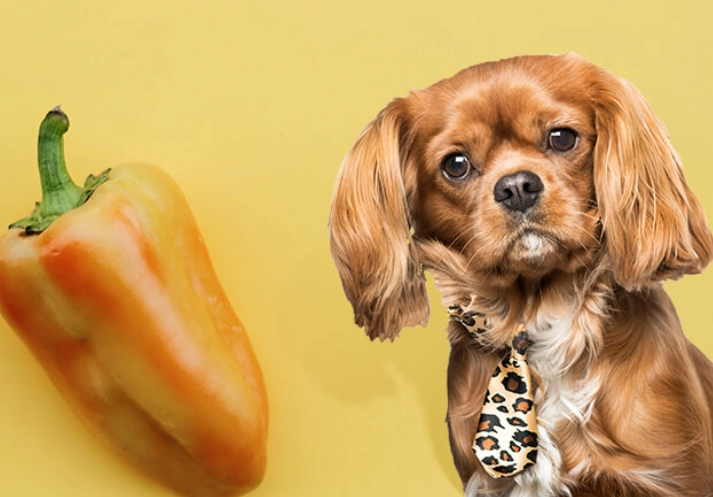
I've been there. My own dog, a curious Labrador mix named Buddy, has given me that exact look more times than I can count. The short answer, the one that makes Buddy's tail wag, is a resounding yes. But—and there's always a but with our furry friends—it's not as simple as just tossing him a chunk. There's a right way and a wrong way to do it.
The Quick Verdict: Yes, bell peppers are non-toxic and generally safe for dogs to eat. They are low in calories and packed with beneficial vitamins. However, they should be prepared properly (seeds and stem removed, cut into manageable pieces) and fed in moderation as a treat, not a meal replacement.
This guide isn't just a quick yes or no. We're going to dig into everything. Why you might want to share a piece, what the different colors mean, how to serve them safely, and what to watch out for. I'll even share a couple of my own blunders along the way (spoiler: giving Buddy a whole, tiny pepper was a messy, crunchy mistake). Let's get into it.
Why Even Consider Bell Peppers for Your Dog?
Before we talk about how to feed them, let's talk about why. It's not just about appeasing those begging eyes. Bell peppers, especially the red ones, are little nutrient powerhouses.
Think of them as a vitamin supplement in veggie form. The standout is Vitamin C. While dogs produce their own Vitamin C, an extra boost can act as an antioxidant, supporting their immune system and potentially helping with inflammation. Then there's Vitamin A, crucial for good vision, a healthy immune system, and proper cell function. You'll also find a decent dose of Vitamin B6, which helps with hormone regulation and brain function, and a good amount of fiber, which can aid in digestion and keep things moving smoothly.
And here's a benefit I didn't fully appreciate until I started giving them to Buddy: they're incredibly low in calories. A few pieces of bell pepper make for a much better training treat or snack filler than, say, another dog biscuit, especially if you're watching your pup's waistline. My vet actually suggested using small bits of veggies like this as treats during training sessions for Buddy when he was on a diet. It worked wonders.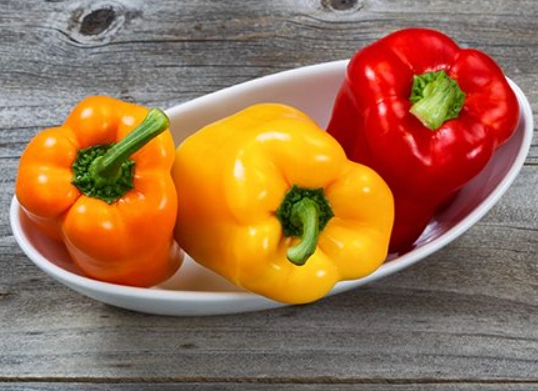
My Experience: I started adding a few small, raw pieces of red bell pepper to Buddy's dinner a few times a week. Nothing major, maybe a tablespoon's worth mixed in with his kibble. I noticed his digestion seemed a bit more regular, and honestly, he loved the crunch. It became a "special" part of his meal.
The Color Spectrum: Does It Matter Which Pepper You Choose?
You've seen them at the store: green, red, yellow, orange, even purple. They're all the same vegetable, just at different stages of ripeness. But that ripeness changes the nutritional profile quite a bit.
The green ones are harvested earlier. They have a slightly more bitter, grassy taste and are the least sweet. Nutritionally, they're still good, but they pack less of a punch than their colorful siblings.
As the pepper ripens to yellow, orange, and finally red, its sugar content increases (making it sweeter), and its vitamin levels skyrocket. A red bell pepper can have up to eight times more Vitamin A and twice the Vitamin C than a green one. That's a massive difference.
So, if you're asking can dogs have bell peppers of any color, the answer is yes. But if you're asking which one offers the most nutritional bang for your buck (or bite), red is the clear winner. Orange and yellow are great middle grounds. Green is perfectly fine, but your dog might be less enthusiastic about the taste.
| Color | Taste Profile | Key Nutritional Highlights | Best For... |
|---|---|---|---|
| Green | Grassy, slightly bitter, least sweet | Good source of fiber, Vitamin K | Dogs who prefer less sweet treats or if it's the only option available. |
| Yellow | Sweet, mild, juicy | High in Vitamin C, good source of folate | A sweet, low-calorie training treat. Great introduction to peppers. |
| Orange | Very sweet, fruity flavor | Excellent source of Vitamin A (beta-carotene), high in Vitamin C | Boosting immune and eye health. Most dogs love the sweetness. |
| Red | Very sweet, robust flavor, most ripe | Highest in Vitamins A & C, rich in antioxidants like lycopene | Maximum nutritional benefit. The top-tier choice for a healthy snack. |
Honestly, I usually buy the multi-color packs. Buddy gets a mix, and I use the rest for myself. It's a win-win. He seems to like the red and orange ones best, which makes sense given their higher sugar content.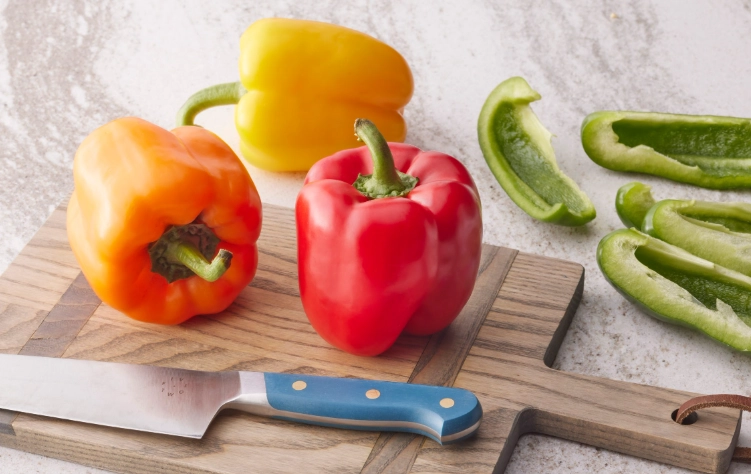
The Right Way to Serve: A Step-by-Step Safety Guide
This is the most important part. Giving your dog a bell pepper straight from the crisper drawer is a bad idea. Here’s the safe, proper way to do it.
Step 1: Wash It Thoroughly
Just like you would for yourself. You want to rinse off any pesticides, dirt, or waxy coatings. I give mine a good scrub under running water. Organic is a great choice if you can, but washing is non-negotiable either way.
Step 2: Remove the Stem, Core, and ALL Seeds
This is crucial. The stem is a choking hazard and the core is tough and fibrous, hard for dogs to digest. The seeds aren't toxic like apple seeds can be, but they can cause stomach upset and are just unnecessary. They also sometimes carry a bit of a bitter compound. I slice the top off, pull out the core, and give it a few good shakes over the sink to get all the seeds out.
Step 3: Cut Into Appropriate Pieces
Size matters. For small dogs, think pea-sized bits or small, thin strips. For medium to large dogs, you can go a bit bigger—maybe dime-sized chunks or 1-inch strips. The goal is to prevent choking and make it easy to chew. Never give a whole, small pepper, even to a big dog. Buddy once managed to get a whole mini pepper and tried to swallow it like a pill. It was a tense 30 seconds of me trying to get him to drop it. Lesson learned.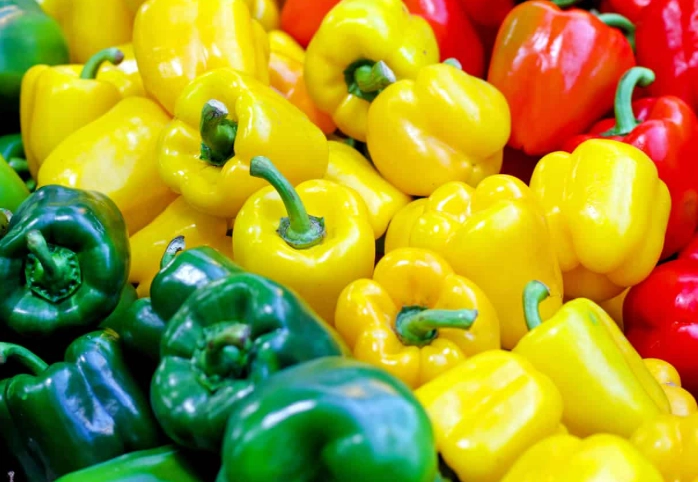
Step 4: Choose Raw or Cooked (Plain!)
Both are fine. Raw retains all the vitamins and provides a satisfying crunch. Lightly steaming (without any oil, butter, or salt) can soften it, which might be better for senior dogs or pups with dental issues. The key word is plain. No seasonings, no oils, no onions or garlic (which are toxic). Just the pepper itself.
Major Warning: Never, ever feed your dog bell peppers that have been cooked with onions, garlic, excessive salt, oils, or in a sauce. These additions are dangerous. Stick to plain.
How Much is Too Much? Portion Control is Key
Just because something is safe doesn't mean it should be a staple. Bell peppers should be a treat, not a main course. The general rule for any treat is that it should not make up more than 10% of your dog's daily caloric intake.
For a small dog (under 20 lbs), start with a teaspoon or two of chopped pepper. For a medium dog (20-50 lbs), a tablespoon is a good starting point. For a large dog like Buddy (70 lbs), he might get a handful of pieces, but it's still just a snack. I usually give him 4-5 small chunks.
The biggest risk with overfeeding is digestive upset. Too much of any new fiber-rich food can lead to gas, diarrhea, or an upset stomach. Introduce any new food, including bell peppers, slowly. Give a tiny piece one day, see how they react over the next 24 hours, and then you can gradually offer a bit more.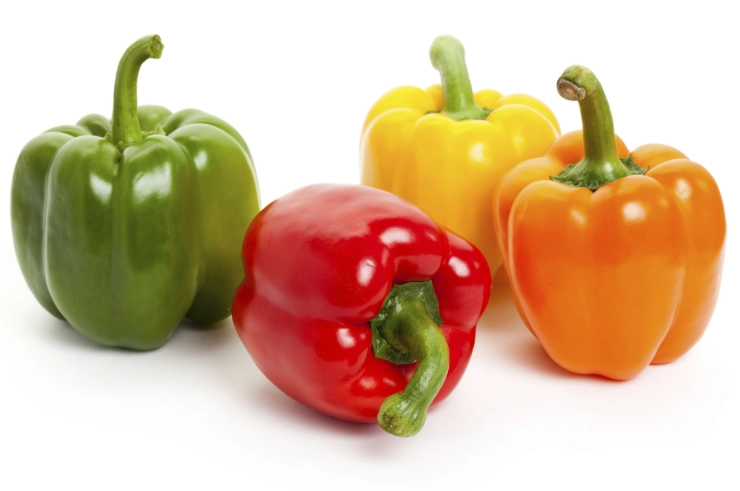
Start small. Watch closely. Then proceed.
Potential Risks and When to Say No
While the answer to can dogs have bell peppers is positive, it's not a universal yes for every single dog in every situation.
First, there's the rare chance of an allergy or intolerance. Signs include itching, hives, swelling around the face, vomiting, or diarrhea. If you see any of these after feeding a new food, stop immediately and consult your vet.
Second, and more common, is the digestive issue we just talked about. Bell peppers are part of the nightshade family (Solanaceae). Some dogs (and people) have sensitive stomachs that don't handle nightshades well. If your dog has a known sensitive stomach or a condition like pancreatitis, it's wise to talk to your vet before introducing new vegetables.
Choking is always a risk with any hard food given in large pieces. That's why cutting them up is so important.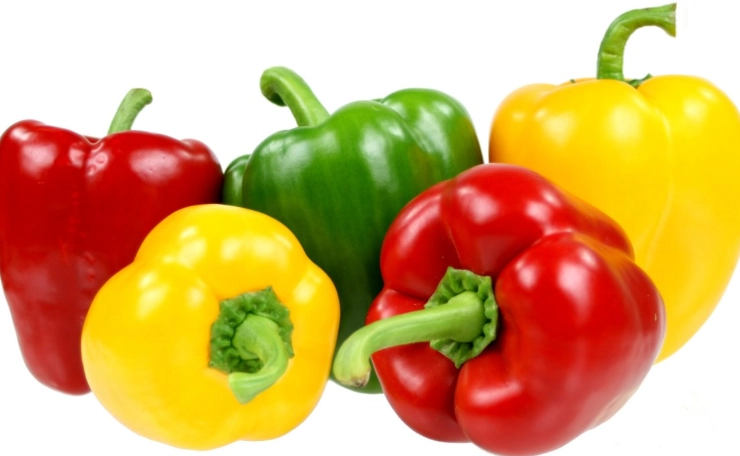
Finally, for dogs with specific health conditions—like those prone to calcium oxalate bladder stones—your vet might recommend limiting certain vegetables. It's always a good idea to run new foods by your vet during a regular check-up, especially if your dog has ongoing health issues. The American Veterinary Medical Association (AVMA) is a great resource for general pet health guidelines, but your own vet knows your dog best.
Bell Peppers vs. Other Common Veggies: A Quick Safety Checklist
While we're on the topic of vegetables, it's helpful to know where bell peppers stand compared to other common kitchen scraps. This isn't an exhaustive list, but it covers the frequent offenders and allies.
✅ Generally Safe (when prepared properly):
- Carrots: Fantastic raw or cooked (plain). Great for teeth.
- Green Beans: Plain, fresh, or frozen (no salt). Low-calorie filler.
- Cucumbers: Hydrating and very low calorie.
- Sweet Potatoes: Cooked plain, excellent source of fiber.
- Pumpkin (plain, canned): The gold standard for digestive issues.
❌ Dangerous / Toxic (AVOID):
- Onions, Garlic, Chives, Leeks: Cause damage to red blood cells. Highly toxic in all forms (powdered, raw, cooked).
- Grapes & Raisins: Cause acute kidney failure. Zero tolerance.
- Avocado: The pit is a choking hazard, and persin (in the fruit, pit, and skin) can cause vomiting/diarrhea.
- Mushrooms (wild): Store-bought white mushrooms are usually okay in tiny amounts, but it's safer to avoid the category due to toxic wild varieties.
When in doubt, always check a reliable source like the ASPCA Animal Poison Control Center website. I have it bookmarked on my phone for quick checks.
Answering Your Burning Questions (FAQ)
I get a lot of questions from other dog owners about this. Here are the most common ones, based on what people are actually searching for.
Putting It All Together: A Simple Action Plan
Alright, let's wrap this up with a straightforward plan you can follow today.
Step 1: Get a bell pepper. Red, orange, or yellow are top picks for nutrition and taste.
Step 2: Wash it, core it, seed it. Don't skip this prep work.
Step 3: Cut it small. Match the piece size to your dog's mouth.
Step 4: Offer a single, small piece as a test. Do this when you'll be around to watch them for a few hours.
Step 5: Observe. No tummy trouble? Happy dog? Great!
Step 6: Incorporate as an occasional treat. Remember the 10% rule. A few pieces a couple of times a week is perfect.
So, can dogs have bell peppers? Absolutely. They can be a healthy, low-calorie, vitamin-rich addition to your dog's treat rotation when done correctly. It's one of the easier and safer human foods to share.
My final piece of advice, which applies to any new food, is this: know your dog. You are the expert on their quirks and their stomach. What works for Buddy might not work for your Poodle or your Chihuahua. Go slow, be mindful, and when you see that tail wag after they crunch into a sweet piece of pepper, you'll know it was worth the extra bit of effort.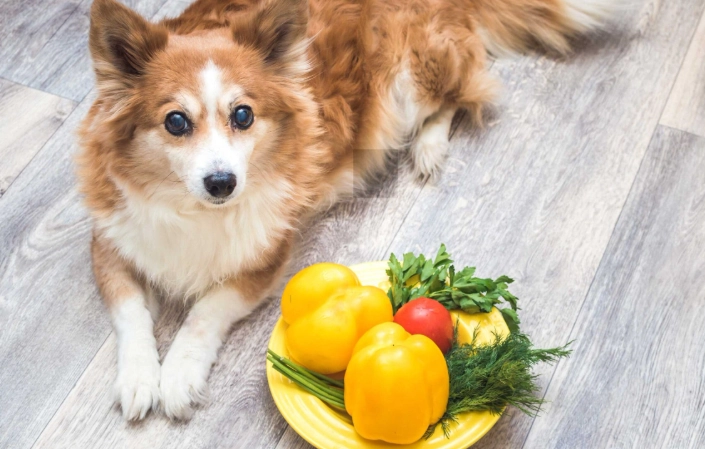
Now, if you'll excuse me, I hear Buddy crunching on his kibble. Might be time to dice up a few pepper pieces for his dinner tonight.
Related Articles