Can Dogs Eat Pomegranate? A Complete Safety Guide for Pet Owners
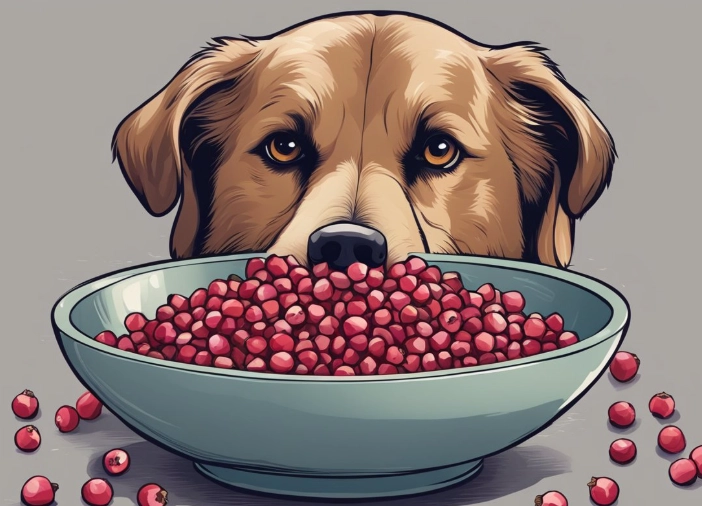
Let's cut right to the chase. You're here because you're holding a pomegranate, maybe you're eating one, and those big, pleading dog eyes are locked on you. Or perhaps you've heard about the "superfood" status of pomegranates and wondered if a little bit of that goodness could trickle down to your furry friend. It's a natural question. We share so much with our dogs, so why not this vibrant, juicy fruit? The short, direct answer is a bit messy—it's not a simple yes or no. Technically, the fleshy arils (the juicy red parts around the seeds) are not toxic to dogs in small, controlled amounts. But—and this is a huge but—the risks associated with the rest of the fruit make it a food I generally advise against sharing. The seeds and the rind pose real problems. It's one of those situations where the potential for trouble far outweighs any minor nutritional perk. Core Takeaway: While a tiny amount of the juicy aril flesh is unlikely to harm a large, healthy dog, the seeds and peel are problematic. The hassle and risk involved mean there are dozens of safer, better fruit options for your pup. Most vets will tell you it's just not worth it. I remember the first time I really looked into this. A friend's Labrador managed to snag a whole pomegranate off the counter. Panic ensued. After a frantic call to the vet, the advice was to monitor for vomiting or diarrhea and watch for signs of intestinal blockage. Luckily, the dog was fine—he'd mostly just made a juicy, red mess—but it was a stressful few hours. That experience cemented my view: why invite the worry? So, if you're asking "can dogs eat pomegranate?" hoping for a green light, you might be disappointed. But stick with me. Understanding the why behind the caution is what will truly help you make the best decisions for your dog's health. We'll peel back the layers (pun intended) on the risks, the (very few) potential upsides, and what you absolutely must do if your dog manages to eat some anyway. People love pomegranates for their antioxidants and vitamins. For dogs, the story is different. Their digestive systems aren't built like ours. What's healthy and fibrous for us can be an irritant or an obstruction hazard for them. When we ask "can dogs eat pomegranate," we're really asking if the benefits beat the risks. They don't. This is the big one. Pomegranate seeds are hard and fibrous. For a human, they're a crunchy bit of fiber. For a dog, especially a smaller breed or a dog that gulps its food, they can be a real issue. Think about it. Dogs process food differently. Their stomach acid is stronger, but their ability to break down tough plant cellulose is weaker than ours. A seed that passes through us might just sit and cause trouble in them. If the seeds are bad, the peel is worse. No part of the pomegranate rind should ever be offered to a dog. This is a point a lot of guides miss. Pomegranates, like many fruits, are often treated with pesticides. The thick peel usually protects the edible inside for us humans. But if your dog gets ahold of one, they might be ingesting those surface chemicals from the rind. Even on the arils, washing might not remove all residues. If you were to ever consider giving a tiny bit, organic would be the only remotely sensible choice, and even then, the seed risk remains. Frankly, it's a minefield. One I don't think is worth navigating when a simple slice of apple (seeds removed) or a chunk of banana is a perfectly safe, tail-wagging alternative. Okay, let's be fair and look at the argument some people make. The juicy red aril surrounding the seed—the part you actually eat—contains vitamin C, vitamin K, potassium, and antioxidants like polyphenols. In theory, these are good things. In practice, for dogs, it's negligible. Dogs synthesize their own vitamin C, so they don't need a dietary source. The amount of potassium or other nutrients in a "safe" serving for a dog (like one or two arils) is minuscule compared to their balanced dog food. You're not boosting their health; you're giving them a sugary, risky treat. A Nutritional Reality Check: The primary component your dog gets from a pomegranate aril is sugar and water. The antioxidant boost you hear about for humans is studied in human contexts with human-sized servings. Translating that to a dog, where the serving must be microscopic to be safe, means the benefit is effectively zero. The American Kennel Club's nutrition guides consistently recommend fruits that are low in sugar and seedless for a reason. So, can dogs eat pomegranate arils? The strictest, most technical answer is that a single, carefully cleaned aril, with the seed removed (an almost impossibly fiddly task), given to a large dog with no history of digestive issues, is probably not going to do harm. But why would you? The effort-to-reward ratio is absurd. You'd spend five minutes surgically extracting a tiny bit of jelly for a treat that offers no real benefit. It feels like we're trying to justify something that doesn't need justifying. There's no gap in your dog's diet that a pomegranate fills. Accidents happen. Dogs are opportunistic eaters. If your dog managed to snag some pomegranate, here’s your action plan. Don't panic, but do act methodically. When to Call the Vet Immediately: If your dog ate a large amount, any amount of peel, or is showing any of the symptoms above, call your veterinarian or an emergency pet clinic right away. Also call if it's a very small dog or a puppy, as they are more vulnerable to blockages. Having the number for the ASPCA Animal Poison Control Center (888-426-4435) or the Pet Poison Helpline (855-764-7661) saved in your phone is a smart move for any pet owner. Be prepared that a consultation fee may apply. If it was just a tiny spill of a few arils and your large, adult dog seems perfectly fine, you might just keep a close eye. But never hesitate to call for professional advice. Vets would much rather get a quick call than an emergency visit later. I made that call once, years ago, with a different food scare. The vet was kind, asked a few questions, and gave clear "watch for this" instructions. It was reassuring. Use them as the resource they are. This is the fun part. Instead of fixating on whether dogs can eat pomegranate, let's look at all the fantastic fruits they can enjoy without the stress. These are treats, remember—not meal replacements. The 10% rule applies: treats should be less than 10% of your dog's daily caloric intake. Here’s a quick comparison to show you just how many better options are out there. See the difference? The last row looks out of place because it is. The precautions column is a warning label, while for the others, it's simple prep steps. Choosing blueberries or apple slices is a no-brainer. Your dog will be just as excited, and you'll have complete peace of mind. Pro Tip: Frozen blueberries or small chunks of banana make amazing, cheap, healthy training treats. They're low-calorie and most dogs go nuts for them. It's a win-win that completely sidesteps the "can dogs eat pomegranate" dilemma. So, after all this, where do we land on the question, "Can dogs eat pomegranate?" The most honest, practical answer I can give you is: You shouldn't feed pomegranate to your dog. It's not worth the anxiety, the risk of a vet bill, or the potential harm to your dog. The internet is full of technicalities and "well, actually" arguments, but real-world pet care is about minimizing known risks. The risk of intestinal blockage from seeds and the toxicity of the peel are well-documented concerns. The benefit is functionally non-existent. Here's my personal take, after talking to vets and seeing dogs with dietary mishaps: Our job as pet owners is to be gatekeepers. The world is full of things that are bad for dogs (chocolate, grapes, xylitol). Pomegranate might sit in a gray area, but why let something from the gray area into your dog's bowl when the "green area" is overflowing with amazing, safe choices? It feels like looking for trouble. Stick with the classics—apple slices, carrot sticks, blueberries, bits of banana. Your dog will be just as thrilled. You'll know exactly what you're giving them is safe. And you'll never have to spend an evening worrying and googling symptoms. That peace of mind is better than any superfood trend. Give your dog a belly rub from me, and maybe a blueberry instead.Your Quick Guide to This Article
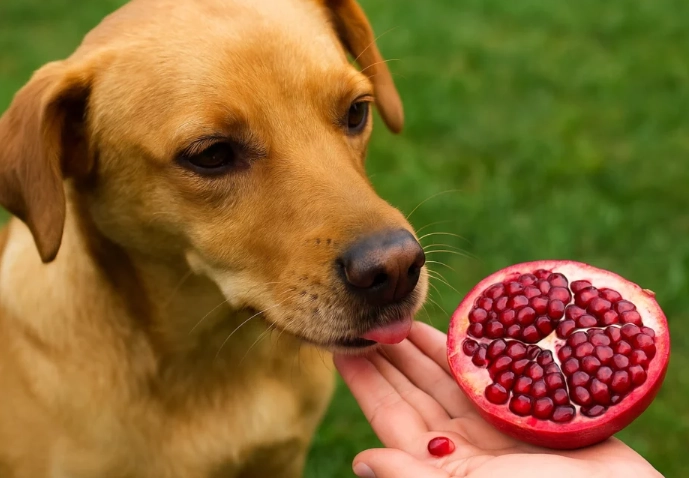
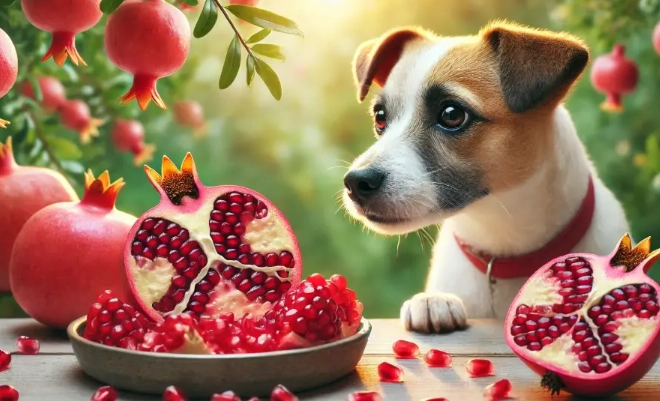
The Problem: Why Pomegranate is Risky for Dogs
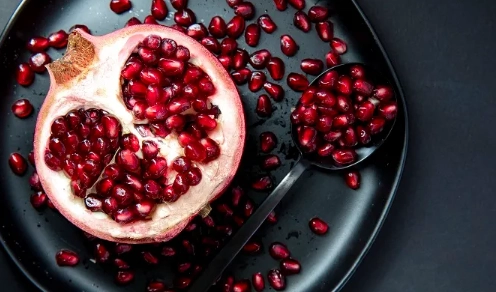
The Seed Dilemma: More Than Just a Choking Hazard

The Peel and White Membrane: A Double Threat
Potential for Pesticides and Contaminants
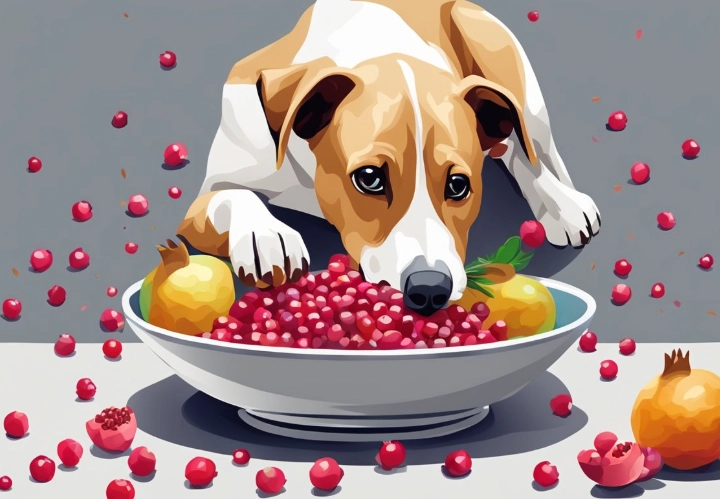
Is There Any Safe Part? A Look at the Arils
What to Do If Your Dog Ate Pomegranate
Safe & Happy Alternatives to Pomegranate for Dogs
Fruit
Safe Part
Key Benefit / Why It's Better
Important Precautions
Apple
Flesh (skin okay)
High in fiber & vitamin C. Crunchy texture dogs love.
Remove core & seeds (seeds contain cyanide).
Blueberries
Whole berry
Antioxidant powerhouse, low calorie, easy to serve.
None. A nearly perfect treat. Can be frozen for summer.
Watermelon
Seedless flesh (rind off)
Hydrating, low calorie, vitamins A & C.
Remove all seeds & the hard green rind.
Banana
Flesh (peel off)
Great source of potassium & magnesium.
High in sugar. Give in moderation (small slices).
Pumpkin (canned, plain)
Cooked flesh
Excellent for digestion (fiber), low calorie.
Must be plain, not pie filling. A spoonful is plenty.
Cantaloupe
Flesh (rind off)
High in vitamins A & C, very hydrating.
Remove rind & seeds. High sugar, so moderate.
Pomegranate
Technically, seedless aril flesh only
Negligible for dogs. High risk, near-zero reward.
Seeds & peel are hazardous. Generally not recommended.
Your Pomegranate & Dog Questions, Answered
The Final Verdict: A Practical Decision for Pet Parents