When Do Kittens Open Their Eyes? Your Complete Kitten Development Guide
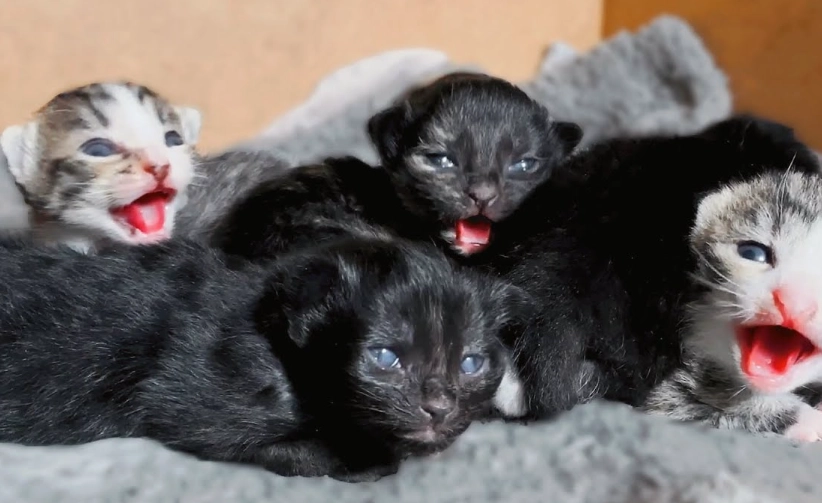
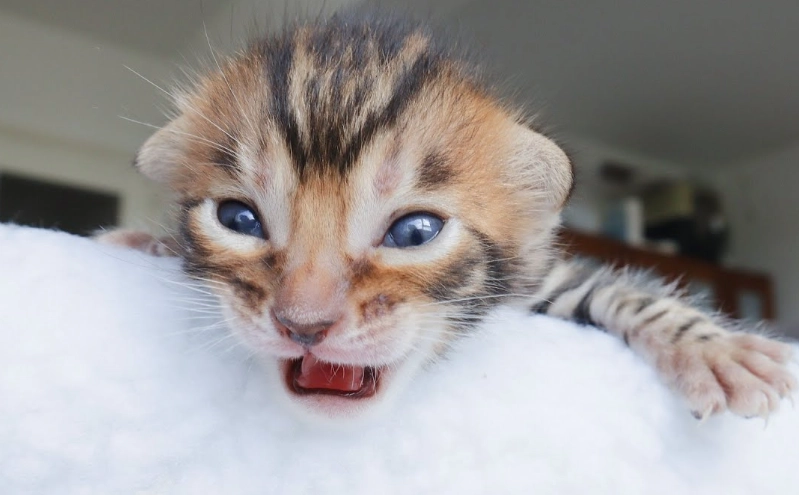
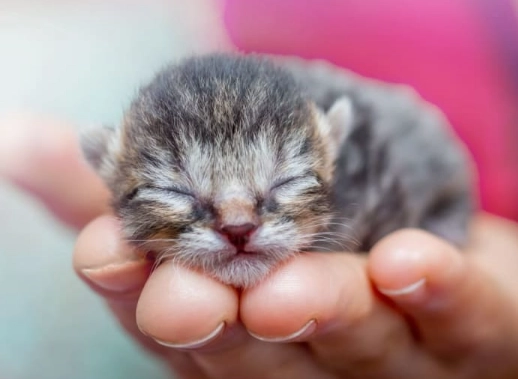
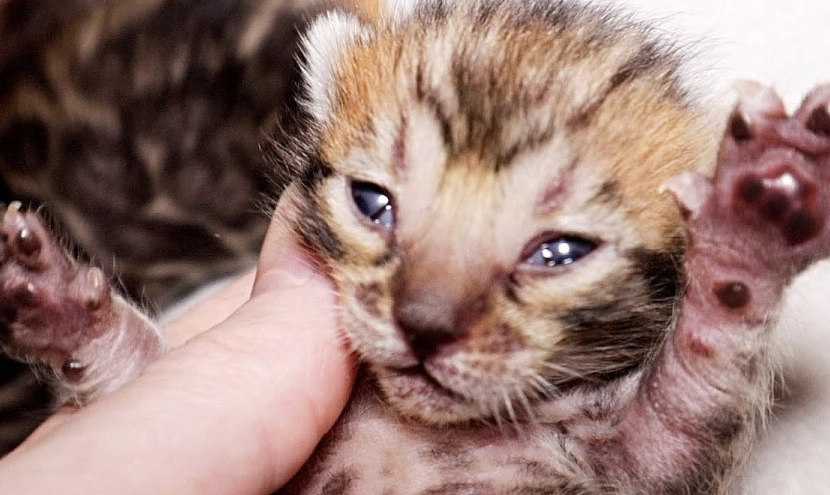
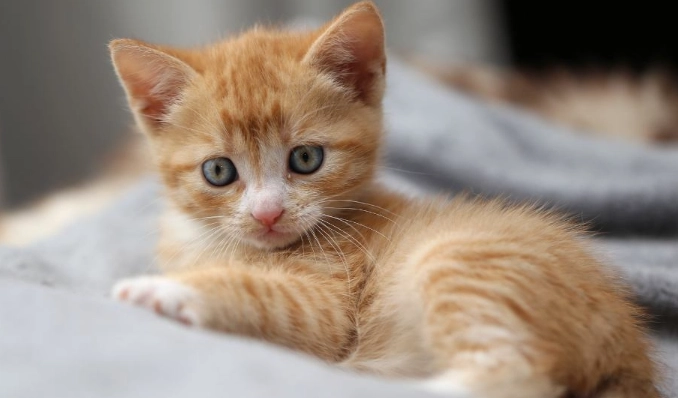
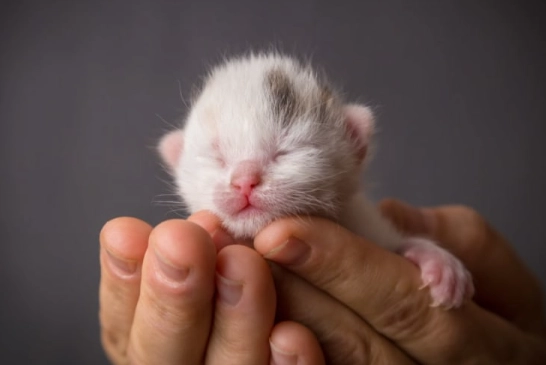
So you've got a litter of tiny, mewing furballs, or maybe you're just curious about how these little creatures start their journey in the world. One of the most magical moments is when those tightly shut little peepers finally decide to take a peek at their surroundings. It's a question I get asked all the time by new foster parents and curious cat lovers: when do kittens open their eyes? The short, textbook answer is between 7 to 14 days old. But honestly, that's like saying a cake is done in 30 minutes—it tells you the range, but not the whole story. The real answer is messier, more fascinating, and depends on a bunch of little factors. It's not a light switch that flips on day seven. Sometimes you'll see a tiny slit on day eight, and by day ten, they're squinting at you like a grumpy old man in bright sunlight. Other times, a whole litter might keep you waiting until nearly two weeks. Let's break down why this happens and what you should (and definitely shouldn't) do during this critical period. Kitten development is a rapid-fire process. One day they're blind, deaf, and completely helpless, and what feels like a blink later, they're stumbling around and getting into mischief. Their eye-opening is the first major sensory milestone. Here’s how it typically unfolds. See? It's a process, not an event. That table is a good general guide, but I've seen plenty of healthy kittens who decided to follow their own script. If every kitten opened their eyes on day seven, my job would be easier. But they don't. Here’s what can nudge the timeline earlier or later. This is a big one. Some breeds are known for opening their eyes a bit earlier or later. For example, many people report that Siamese kittens sometimes open their eyes a day or two earlier than average. On the other hand, long-haired breeds like Persians or Maine Coons might take a little longer. I stress "might" because there's huge individual variation even within a breed. It's a tendency, not a rule. Just like some human babies walk earlier than others, kittens have their own genetic programming. You'll often see one kitten in a litter be the "early bird" and another be the "sleepyhead." It's perfectly normal. Also, kittens in smaller litters with less competition for mom's milk tend to develop slightly faster, which can include eye-opening. A healthy, well-nourished kitten in a warm, stress-free environment is on the ideal development track. A kitten struggling with health issues, poor nutrition, or in a cold, stressful setting may experience delays across the board, including in opening its eyes. This is why monitoring the timeline is helpful—it can be an early indicator that something else might be off. So, when you're wondering when do kittens open their eyes, remember to consider the whole picture. A robust tabby from a healthy mom in a quiet home might hit the early side of the range, while a runt in a large litter might need those extra few days. Your role changes once you see those little slits. Here's a practical, step-by-step guide. At this stage, your job is mostly supporting the mother cat. If you're hand-rearing, it's about replicating her care. This is the transition phase. Eyes are starting to open, but vision is practically zero. Now they're looking at you (sort of). Time to be vigilant. Their vision is blurry and developing. You might notice they seem to look past you or their eyes don't track together perfectly yet. That's normal for a week or so after opening. Here’s your red flag checklist. If you see any of these, it's time to consult a vet: Infections are the most common issue. They can spread quickly in a litter and, if severe, can damage the eye. A vet can prescribe kitten-safe antibiotic ointment that clears most things up fast. For reliable, vet-approved information on kitten health symptoms, the Cornell Feline Health Center is an outstanding resource I often refer to myself. It's run by one of the top veterinary schools in the world. Understanding when kittens open their eyes is about more than just marking a date on the calendar. It's the first major step in their transformation from a helpless newborn into a curious, playful cat. Once those eyes are open, the real fun begins. They start to notice their littermates, their first toys (a finger wiggling!), and begin the clumsy, hilarious process of learning to pounce and play. It's a fragile time, but also a resilient one. With a little knowledge and a lot of patience, you get to witness one of nature's coolest little miracles up close. Just don't rush it. Let them wake up to the world on their own time. If you're ever in doubt, your best resources are an experienced breeder, a rescue organization, or your veterinarian. For comprehensive care standards, even organizations like the American Veterinary Medical Association (AVMA) provide guidelines that professionals follow. Trust your instincts—if something seems off, it probably is worth a check. But most of the time, you just get to sit back and watch the magic happen, one tiny squint at a time.Quick Guide
The Week-by-Week Breakdown of Kitten Eye Opening
Kitten's Age Eye Development Stage What You'll See & Key Notes Birth to Day 4 Eyes firmly sealed Eyelids are fused shut. Kittens rely 100% on smell, touch, and warmth to find mom and nurse. The eyes are developing rapidly underneath. Days 5 to 9 The first signs You might notice a slight swelling or bulging under the eyelids. The seam between the lids may start to look thinner or slightly moist. No peeking yet! Days 7 to 14 The grand opening This is the main window for when kittens open their eyes. It usually starts as a tiny slit in the inner corner. Eyes will be a hazy, deep blue color regardless of their eventual adult color. Vision is extremely blurry. Days 10 to 16 Eyes fully open, adjusting Eyes are now fully open but often look squinty or cloudy. Kittens are very sensitive to bright light. They start to slowly track movement, but their coordination is still terrible. Weeks 3 to 4 Focusing and color change begins The cloudiness clears. Kittens begin to develop depth perception and better focus. The famous blue color starts to fade in some breeds, giving way to greens, golds, or browns. True eyesight is coming online. Weeks 5 to 7 Adult-like vision Vision is now sharp, and eye color is mostly settled (though some changes can occur up to 3-4 months). The kitten is now a visual explorer, using sight to play, hunt (toys!), and navigate its world. What Factors Influence When a Kitten Opens Its Eyes?
Breed Makes a Difference
The Power of Genetics and Litter Dynamics
Health and Environment Matter
How to Care for Kittens Before and After Their Eyes Open
Care for the Blind Newborn (Days 0-7)
Care During the Eye-Opening Process (Days 7-14)
Post-Opening Care and Recognizing Problems (Weeks 2-4)
Your Top Questions About Kitten Eyes, Answered
The Bigger Picture: Eyes Open, World Awakens