The Rex Rabbit: Your Complete Care Guide for the Velvety Pet
Quick Navigation
- More Than Just a Pretty Coat: Rex Rabbit Personality & Temperament
- Bringing a Rex Rabbit Home: The Pre-Arrival Checklist
- The Day-to-Day: Caring for Your Velvety Companion
- Rex Rabbit Varieties: It's Not Just Brown
- Rex Rabbit vs. Other Popular Breeds
- Questions I Get Asked All the Time (FAQs)
- The Final Word: Is a Rex Rabbit Right for You?
Let's be honest, you probably saw a picture. A rabbit that looks like it's been pet a thousand times, its fur lying so perfectly it seems unreal. That's the Rex rabbit for you. My first encounter was at a county fair years ago, and I just stood there, staring. I had to touch it. It felt like velvet, like the softest blanket you've ever owned. That's the hook. But what happens after you bring one home? That's what this is about. This isn't a dry breed standard list. It's about living with them, the good, the bad, and the incredibly soft.
The Core Appeal: The Rex rabbit's signature is its plush, velvety fur. Unlike other rabbits, the guard hairs (the longer, coarser outer hairs) are the same length as the undercoat, creating that unique, dense, upright pile that begs to be touched. It's a genetic mutation, a happy accident that created one of the most tactilely pleasing pets around.
More Than Just a Pretty Coat: Rex Rabbit Personality & Temperament
Okay, they're gorgeous. But are they nice? In my experience, and from talking to countless breeders and owners, the Rex breed is often a winner in the personality department. They're frequently described as calm, laid-back, and gentle. Not the hyper, skittish type you might imagine. The one I helped a friend care for was a total couch potato—content to lounge nearby while you read or watched TV.
That said, calling any breed universally "docile" is a trap. Rabbits are individuals. I've met a Rex that was the king of his domain and demanded treats with assertive nudges. Their temperament is a mix of breed tendency and, more importantly, how they're raised. Early, gentle handling is non-negotiable if you want that friendly pet.
They're smart, too. You can see them figuring things out. Litter training is usually successful with patience (more on that later). They can learn to come when called (if you have a tasty motivator) and some even enjoy simple puzzle toys.
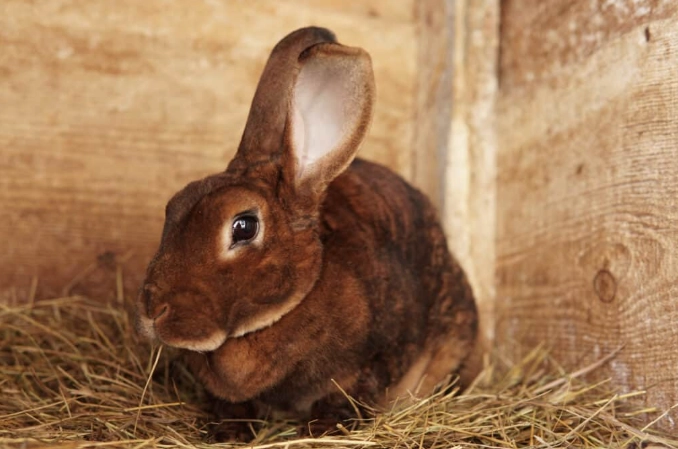 Think of them as the gentle giants of the medium-sized rabbit world. Not lazy, just... confidently relaxed.
Bringing a Rex Rabbit Home: The Pre-Arrival Checklist
This is where most folks mess up. They get the animal first, then scramble. Don't be that person. A stressed rabbit is a sick rabbit. Get this right.
The Housing Debate: Cage, Pen, or Free-Roam?
You'll see tiny cages at pet stores. Ignore them. A Rex rabbit needs space to move, stretch out fully, and do little "binkies" (happy jumps). The House Rabbit Society, a fantastic resource I always check, recommends an enclosure of at least 8 square feet, plus significant daily exercise time outside it. I'm a fan of using a large dog exercise pen (x-pen) lined with washable mats. It's spacious, customizable, and feels less like a prison.
Essential Shopping List (Beyond the Pen):
- Litter Box: A large cat-sized corner box. Trust me, bigger is better.
- Litter: Paper-based or aspen wood pellets. Never cedar or pine shavings—the aromatic oils can wreck their liver and lungs. This is vet-backed, non-negotiable info.
- Hay Rack: Keeps the most important part of their diet clean and accessible.
- Heavy Ceramic Bowls: For water and pellets. They tip lightweight dishes for fun.
- Hidey House: A box, a tunnel, a dedicated hut. Rabbits are prey animals; they need a safe place to retreat.
- Chew Toys: Untreated wood, apple sticks, willow balls. Their teeth never stop growing.
Finding Your Rex: Breeder, Rescue, or...?
This is a big decision. A reputable breeder, especially one recognized by the American Rabbit Breeders Association (ARBA), will have healthy, well-socialized kits (baby rabbits) with known genetics and pedigree. You can see the parents, ask about health history, and get specific breed advice. Expect to pay more.
Rescues and shelters are overflowing with rabbits, including purebred Rexes. My friend's velvety buddy was a shelter rabbit. You're giving a second chance, and adult rabbits often have established personalities—what you see is what you get. It's also usually cheaper.
Pet stores? I'm skeptical. You rarely know the source, the age, or the health history. The "bargain" price can quickly be erased by vet bills.
The Day-to-Day: Caring for Your Velvety Companion
Routine is your friend. Rabbits thrive on it. Here's the real-world schedule.
What to Feed a Rex Rabbit (It's Not Just Carrots)
This is the most common mistake, fueled by cartoons. The diet pyramid for a Rex rabbit looks like this:
| Food Type | Percentage of Diet | Key Purpose & Notes |
|---|---|---|
| Unlimited Grass Hay (Timothy, Orchard, Meadow) | 80-85% | Wears down teeth, maintains gut health, provides fiber. The absolute cornerstone. It should always be available. |
| Fresh Leafy Greens | 10-15% (about 1 packed cup per 2 lbs of body weight) | Provides nutrients and hydration. Romaine, cilantro, spring greens, kale (in moderation). Introduce new greens slowly. |
| High-Quality Pellets | 5% or less (approx. 1/4 cup per 5 lbs daily) | Concentrated nutrition. Look for pellets that are high in fiber (>18%) and plain, no colorful bits or seeds mixed in. |
| Treats (Fruit, Carrots) | A tiny pinch, 1-2 times weekly | High in sugar. Think the size of your thumbnail. Apple slice, banana bit, one baby carrot. |
Watch Out: Sudden changes in diet are a fast track to gastrointestinal stasis (GI stasis), a silent killer in rabbits where their gut slows or stops. If your Rex stops eating or pooping, it's a vet emergency, not a wait-and-see situation.
Grooming That Luxurious Rex Fur
Here's a surprise: that dense, plush Rex rabbit fur is relatively low-maintenance. It doesn't mat easily like long-haired breeds. A weekly brushing with a soft slicker brush or a grooming mitt is usually plenty to remove loose hair. During shedding seasons (spring and fall), you might need to brush every other day to prevent them from ingesting too much fur, which can cause hairballs. Unlike cats, rabbits can't vomit, so fur blockage is serious.
Bathing? Almost never. It's extremely stressful for them and can remove essential oils from their skin. If they get dirty, spot-clean with a damp cloth. Their reputation for being "hypoallergenic" isn't quite true—all rabbits produce allergens in their saliva and dander—but the shorter, tighter fur can mean less loose hair floating around.
 The grooming session is more about bonding than necessity. Mine used to grind his teeth (a sign of contentment, called "purring") during brushies.
Health Issues to Have on Your Radar
Rex rabbits are generally robust, but they have a few breed-specific quirks. Their lovely thick foot pads can be a downside; without a thick layer of coarse fur on their hocks (heels), they are slightly more prone to sore hocks (pododermatitis) if kept on hard, wet, or wire flooring. A soft, dry resting area is crucial.
Like all rabbits, they need annual check-ups with a vet who actually knows exotics (not all do—call ahead!). Critical vaccines vary by country (e.g., Myxomatosis and RHD in the UK/EU). In the US, discuss RHDV2 vaccination with your vet, as it's becoming more common. Spaying/neutering is vital for health (reduces cancer risk in females) and behavior (reduces territorial marking and aggression).
Rex Rabbit Varieties: It's Not Just Brown
When people say "Rex rabbit," they often picture the rich, chestnut-colored Castor Rex. But the variety is stunning. The ARBA recognizes many colors and patterns. Here are a few crowd-pleasers:
- Castor: The classic rich brown, like a beaver's coat.
- Chinchilla: Gorgeous silver-gray banded fur, mimicking the chinchilla.
- Opal: A soft blue-gray with a fawn undercoat.
- Black & White: Solid, deep jet black or pristine white (with dark or pink eyes).
- Broken: Any color mixed with white in a spotted or patched pattern.
- Mini Rex: A separate, smaller breed! They weigh 3-4.5 lbs and have the same plush fur. Don't confuse them with standard Rexes (7.5-10.5 lbs).
Choosing a color is pure personal preference. There's no difference in care or personality between a blue Rex rabbit and a red one.
Rex Rabbit vs. Other Popular Breeds
How does the Rex stack up if you're deciding between breeds? Let's be blunt.
| Breed | Key Feature | Pros vs. Rex | Cons vs. Rex |
|---|---|---|---|
| Netherland Dwarf | Tiny size, babyish face | Much smaller, needs less space. | Can be more nervous/skittish. Fur is normal, not plush. |
| Flemish Giant | Extremely large, gentle | Often exceptionally docile "gentle giant" status. | Needs massive space, eats more, higher vet costs. |
| Lionhead | Distinctive "mane" of fur | Very cute, unique appearance. | Mane requires regular grooming to prevent mats. |
| Holland Lop | Floppy ears, compact size | Very popular, often friendly. | Prone to ear and dental issues due to skull shape. Fur is normal. |
| Standard Rex | Plush, velvety fur | Unique feel, often calm, moderate size. | Slightly more prone to sore hocks if housed improperly. |
The Rex's main draw is that fur and its generally stable temperament. It's a fantastic "middle ground" breed.
Questions I Get Asked All the Time (FAQs)
Yes, they are often considered one of the better choices for a first-time rabbit owner due to their generally calm nature and manageable grooming needs. But—and this is a huge but—no rabbit is a "starter" or "easy" pet. They require daily care, specialized vet care, and live 8-12 years. The commitment is real. Do your homework first.
The rabbit itself: from a breeder, $50-$150 depending on quality and color. From a rescue, $50-$100 including neutering. Then the setup: $200-$400 for a proper enclosure, litter box, etc. Annual costs (food, hay, litter): $300-$500. Vet care (check-ups, emergencies): can be hundreds. It's not a cheap pet.
This is tricky. They can potentially bond with another rabbit (a slow, supervised process), but they should never be left unsupervised with dogs or cats. Even a friendly dog's playful bark or chase instinct can fatally frighten a rabbit. Always prioritize the rabbit's safe space.
Most rabbits, Rex included, tolerate being held rather than enjoy it. Being lifted off the ground triggers prey animal instincts. They much prefer to be petted while they have all four feet on a solid surface. Teach kids to sit on the floor and let the rabbit come to them.
Quick Tip: The best sign of a happy rabbit? The "flop." When they throw themselves onto their side, legs outstretched, they are completely relaxed and feel safe. It's the ultimate compliment.
The Final Word: Is a Rex Rabbit Right for You?
Look, I love these animals. There's something magical about that fur and their serene presence. But I've also cleaned up endless hay, worried over a skipped meal, and budgeted for exotic vet bills.
Get a Rex rabbit if: you have a quiet(ish) home, are ready for a long-term commitment, have done the financial math, and are fascinated by their unique qualities. You want a pet to observe, interact with on their terms, and share your space with.
Think twice if: you want a cuddly, hold-me-now pet for young kids, you travel constantly, or you're looking for a low-maintenance, inexpensive animal. That's just not the reality of rabbit ownership, Rex or otherwise.
If you've read this far, you're on the right path—doing research. The perfect Rex rabbit is out there, maybe in a breeder's barn or a rescue's playroom, waiting for someone who understands that behind that incredible velvet coat is a complex, sensitive, and wonderfully rewarding little creature. Good luck.
Related Articles