Bordetella Vaccination for Dogs: Your Complete Guide to Kennel Cough Protection
Quick Guide
- What Exactly Is Kennel Cough and What Does Bordetella Have to Do With It?
- How Does the Bordetella Vaccine Actually Work?
- Does My Dog Really Need the Bordetella Vaccine?
- Vaccination Schedule, Frequency, and Costs
- Potential Side Effects and What to Watch For
- Common Questions and Misconceptions About the Bordetella Vaccine
- Making the Decision: A Practical Checklist
Let's be honest, when you hear "kennel cough," you probably picture a sad-sounding pup in a boarding facility. It's one of those things you know your dog might need a shot for, especially if they're going to be social or boarded. But the Bordetella vaccination often gets lumped in with the core vaccines and treated like a checkbox, without much explanation. I remember when I first took my own dog, a rambunctious Labrador named Sam, to a new daycare. The form just had a line: "Proof of Bordetella required." I had to ask, "What exactly is this for, and is it really necessary?" Turns out, I wasn't alone in my confusion.
So, let's clear the air. This isn't just another dry veterinary article. We're going to dig into what the Bordetella vaccine is, why it's recommended (and sometimes debated), and what you, as a pet owner, actually need to know to make a good decision. We'll talk about how it works, the different types, the potential side effects (yes, Sam had a mild case of the sniffles after his), and the real-world scenarios where it's a no-brainer versus when you might have a conversation with your vet.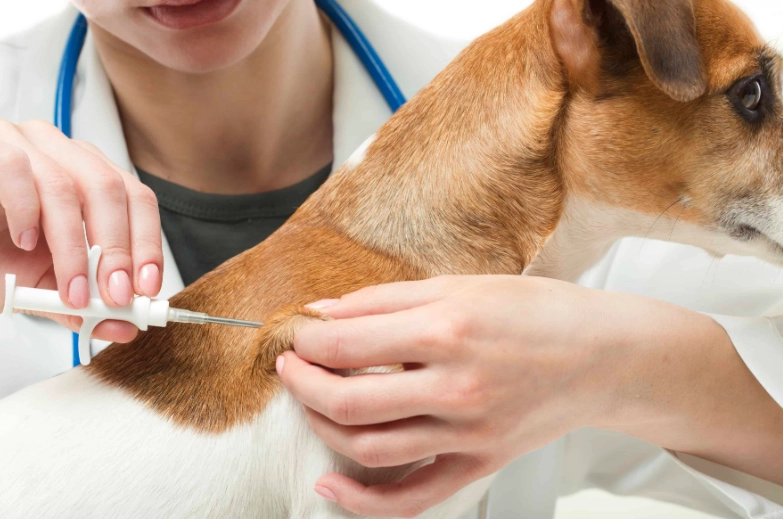
What Exactly Is Kennel Cough and What Does Bordetella Have to Do With It?
First things first, "kennel cough" is a bit of a misnomer. The technical term is Canine Infectious Respiratory Disease Complex (CIRDC). Sounds complicated, right? Basically, it's like the common cold for dogs, but it can be caused by a mix of different viruses and bacteria. Think of it as a bad chest cold that's highly contagious where dogs congregate.
Now, here's where Bordetella bronchiseptica comes in. This bacterium is often considered the primary bacterial culprit in many kennel cough cases. It's a master at attaching to the tiny hair-like structures (cilia) in a dog's windpipe, damaging them and opening the door for other infections. It's not the only player, but it's a major one. That's why vaccinating against Bordetella is a key part of preventing the whole messy complex. The Bordetella vaccination specifically targets this bacterium.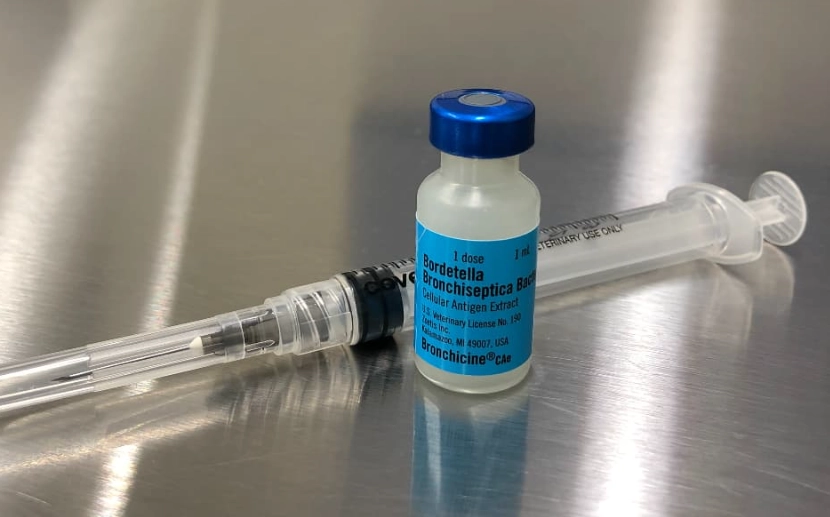
How does a dog catch it? Through the air. An infected dog coughs or sneezes, and another dog breathes in the droplets. Shared water bowls, nose-to-nose greetings at the dog park, or simply being in a poorly ventilated space with other dogs can do it. The incubation period is short, usually 2-10 days, and then the signature symptom appears: a harsh, dry, hacking cough. Sometimes it sounds like they have something stuck in their throat. It can be rough to listen to.
How Does the Bordetella Vaccine Actually Work?
This is where it gets interesting. Unlike most of the core vaccines your dog gets via injection, the Bordetella vaccine often comes in different forms. Its main job isn't necessarily to prevent infection completely (although it can help). Its primary goal is to reduce the severity and duration of symptoms if your dog is exposed. Think of it as giving your dog's immune system a detailed wanted poster of the Bordetella bacterium so it can react faster and more effectively.
The vaccine introduces a small, modified, or inactivated piece of the Bordetella bacteria. This doesn't cause the disease but prompts the immune system to create antibodies and memory cells. If the real deal shows up later, the body recognizes it and mounts a defense much quicker.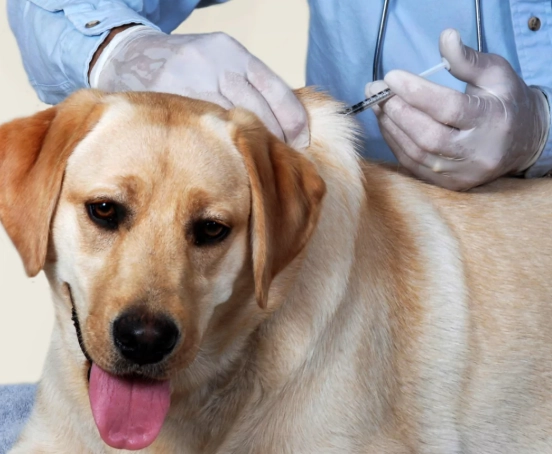
But here's a common point of confusion and frustration for owners: why can a vaccinated dog still get kennel cough? I've heard this question so many times. It's because, as we mentioned, kennel cough (CIRDC) is a complex caused by multiple pathogens. The Bordetella vaccine is specifically for the Bordetella bacterium. If your dog catches a kennel cough caused primarily by a different virus, like canine parainfluenza or adenovirus, the Bordetella vaccine won't protect against that. However, many boarding facilities and daycares require it because controlling the bacterial component (Bordetella) helps break the chain and reduce overall outbreak severity.
The Three Main Types of Bordetella Vaccines
Not all Bordetella vaccinations are created equal. Your vet might offer a choice, or they might have a standard protocol. Knowing the differences helps you understand what's happening at your dog's appointment.
| Type | How It's Administered | How It Works | Pros & Cons (My Take) |
|---|---|---|---|
| Intranasal | Squirted into the nose. | Pro: Fast-acting (immunity in as little as 48-72 hours). No needle! Great for last-minute boarding needs. Con: Some dogs hate it. Sam certainly did—he sneezed and shook his head for five minutes. It can also cause mild, temporary sneezing or nasal discharge. | |
| Oral | Given by mouth, like a treat or liquid. | Pro: Extremely easy to administer, often stress-free. Con: It's a newer format, so not all clinics carry it. Can sometimes cause mild gagging or GI upset. | |
| Injectable | Shot under the skin (subcutaneous). | Pro: Familiar method, often combined with other vaccines in one visit. Con: Takes longer to provide full protection (usually 5-7+ days). Some argue it may be slightly less effective at creating local respiratory immunity than the intranasal version. |
My vet recommended the intranasal for Sam because he was entering daycare with short notice. The speed of protection was the key factor. But if your dog is terrified of things near its face, the oral or injectable might be less stressful. It's a perfect topic to bring up during your vet visit.
Does My Dog Really Need the Bordetella Vaccine?
This is the million-dollar question. The American Animal Hospital Association (AAHA) considers the Bordetella vaccine a "non-core" or "lifestyle" vaccine. That means it's not automatically recommended for every single dog regardless of circumstances, like the rabies or distemper vaccines are. The decision hinges entirely on your dog's risk of exposure.
Let's break down the scenarios. If your dog falls into any of these categories, most vets will strongly recommend the vaccination for Bordetella:
- Boarding at a kennel or pet hotel: This is the classic reason. Facilities are high-density environments, and virtually all reputable ones will require proof of a recent Bordetella vaccine. It's for the protection of all the dogs there.
- Attending dog daycare: Same principle. Lots of play, shared air, shared toys.
- Participating in group training classes: Especially indoors or in close quarters.
- Visiting dog parks frequently: This is a bit more of a gray area, but if you're a regular at a busy park, the risk is present.
- Going to grooming salons: Groomers often handle many dogs in a day. Many now require it.
- Attending dog shows or sporting events: High concentration of dogs from different areas.
- Living in multi-dog households or communities: If one dog gets it, it can spread quickly at home.
On the flip side, if you have a dog that is a true homebody—an older dog who enjoys quiet walks alone, a dog with severe anxiety that never sees other canines, or a dog with a specific medical condition where vaccines are cautioned—you and your vet might decide the risk is low enough to forgo it. But that's a conversation you must have with your veterinarian, not a decision to make alone.
Vaccination Schedule, Frequency, and Costs
Here's another area where confusion reigns. You might hear "yearly" from one source and "every 6 months" from another. What gives?
The initial Bordetella vaccination schedule typically involves two doses for puppies, given 2-4 weeks apart, starting as early as 6-8 weeks of age. For adult dogs getting it for the first time or restarting after a long lapse, a single dose is often sufficient, but your vet will advise.
Now, for boosters. The traditional label recommendation was annual revaccination. However, many veterinarians and studies now suggest that for dogs in high-risk environments (think daily daycare, constant boarding), the protective immunity from the intranasal vaccine may wane before a full year is up. Some studies indicate protection is strongest for about 10-12 months, but in very high-exposure settings, the "effective" period might be shorter.
This is why many boarding facilities and daycares have adopted a 6-month requirement. They are erring on the side of extreme caution to prevent outbreaks in their businesses. It's not that the vaccine is useless at 7 months; it's about maintaining a very high level of herd immunity in a closed population. If your dog's lifestyle demands it, you'll likely be on a 6-month schedule. For the occasional boarder, annual might be just fine.
As for cost, it's relatively inexpensive compared to core vaccines. You're generally looking at a range of $20 to $45 per dose, depending on your geographic location, the type of clinic, and whether it's administered alone or as part of a wellness package. The intranasal and oral versions sometimes cost a few dollars more than the injectable.
Potential Side Effects and What to Watch For
Let's talk about the elephant in the room. No medication or vaccine is 100% free of potential reactions. The Bordetella vaccine is generally considered very safe, but being aware of possibilities helps you monitor your pup.
Common, Mild Reactions (Usually resolve within 24-48 hours):
- For Intranasal: Sneezing, reverse sneezing, mild nasal discharge. Sam had this for about a day. It looked worse than it was—he was perfectly happy otherwise.
- For Oral: Occasional gagging or mild, temporary loss of appetite.
- For Injectable: Soreness at the injection site, mild lethargy, slight fever.
These are normal signs that the immune system is doing its job. Offer your dog a quiet place to rest and ensure they have fresh water.
Less Common, More Serious Reactions (Contact your vet if you see these):
- Persistent vomiting or diarrhea.
- Significant swelling of the face, muzzle, or around the eyes (indicative of an allergic reaction).
- Hives or severe itching.
- Difficulty breathing.
- Extreme lethargy or collapse.
Severe reactions are rare, but they can happen with any vaccine. The benefits of protection in at-risk dogs overwhelmingly outweigh these low risks for most pets. If your dog has a history of vaccine reactions, be sure to discuss it with your vet beforehand. They may pre-medicate with an antihistamine or recommend a specific vaccine type.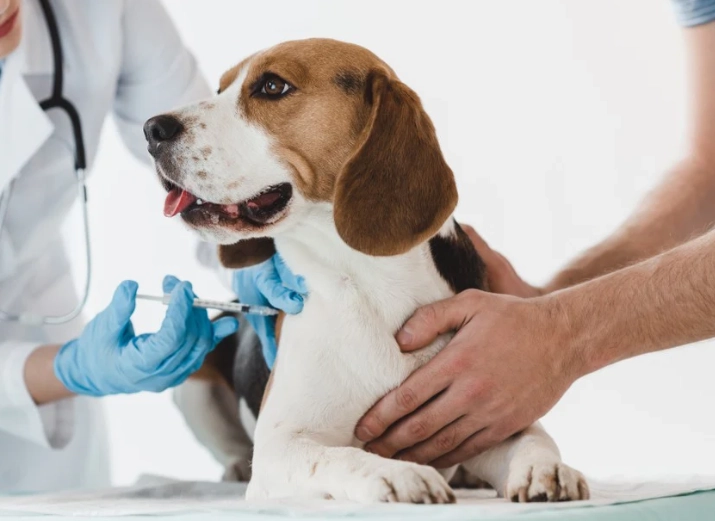
Common Questions and Misconceptions About the Bordetella Vaccine
Probably not. As discussed, kennel cough is a complex. The vaccine targets Bordetella. If your dog caught a different virus causing the cough, the vaccine wasn't designed to prevent that. However, even if it was a Bordetella strain, the vaccine likely made the illness much milder and shorter than it would have been. Think of it as getting a flu shot but still getting a cold—they're different things.
This is a huge myth. The modified live bacteria in the intranasal vaccine are attenuated, meaning they are weakened to the point where they cannot cause the actual disease in a healthy dog. The mild sneezing or discharge is an immune response, not an infection. It's a sign the vaccine is working locally.
No. Unlike the rabies vaccine, which is a legal requirement everywhere in the United States and many other countries, the Bordetella vaccine is not mandated by law. It is a requirement imposed by private businesses (kennels, daycares, groomers) to protect their canine clients. You can find the official stance on canine vaccination guidelines from authoritative bodies like the American Animal Hospital Association (AAHA).
This is crucial for planning! For the intranasal Bordetella vaccination, protection can begin in as little as 48 to 72 hours. For the injectable vaccine, it takes longer, typically 5 to 7 days, sometimes up to two weeks, to reach full protective immunity. Always plan ahead for boarding. Don't get the shot the day before drop-off and expect instant coverage.
This is a critical discussion for your veterinarian. In many cases, for these vulnerable dogs, preventing kennel cough is even more important because they are at higher risk for severe complications. However, your vet needs to assess the individual dog's health status. They might recommend a specific type (like the injectable over the intranasal in a dog with severe respiratory issues) or tailor the timing. The World Small Animal Veterinary Association (WSAVA) guidelines emphasize this individualized approach.
Making the Decision: A Practical Checklist
Feeling overwhelmed? Let's simplify it. Here’s a quick checklist to run through when considering the Bordetella vaccine for your dog:
- Assess Lifestyle: Does my dog board, go to daycare, get groomed, attend classes, or frequent busy dog parks? If yes, the vaccine is highly recommended.
- Check Requirements: What do the facilities I use actually require? (6 months vs. 1 year).
- Book a Vet Chat: Schedule a conversation, not just an appointment. Discuss your dog's specific health history and lifestyle.
- Choose the Type: Based on timing, your dog's temperament, and your vet's advice, decide on intranasal, oral, or injectable.
- Plan the Timing: Administer the vaccine well in advance (at least a week) of any planned high-risk activity.
- Monitor Afterwards: Keep an eye out for any mild side effects and know the signs of a rare serious reaction.
- Keep Records: File that certificate or update your pet's digital records. A photo on your phone works in a pinch!
At the end of the day, the decision about the Bordetella vaccination is about responsible pet ownership and risk management. It's not a one-size-fits-all shot, but for social dogs, it's a simple, cost-effective layer of protection that keeps the whole canine community a bit safer. It gave me peace of mind when dropping Sam off at daycare, knowing I'd done a small part to protect him and his playmates from a nasty, lingering cough. And honestly, that peace of mind is worth its weight in gold—or at least in a few extra dog treats.
For the most current and detailed scientific information on canine infectious respiratory diseases, you can always refer to resources from institutions like the University of Illinois College of Veterinary Medicine.
Related Articles