Can Dogs Have Shrimp? A Complete Guide to Safety, Benefits, and Risks
Quick Navigation
- The Good Stuff: What's in Shrimp for Your Dog?
- The Not-So-Good Stuff: Key Risks You Absolutely Must Know
- How to Safely Feed Shrimp to Your Dog: A Step-by-Step Guide
- Shrimp vs. Other Seafood: A Quick Safety Comparison
- Answering Your Burning Questions
- Wrapping It Up: The Final Verdict on Shrimp for Dogs
So you're sitting there, maybe eating some shrimp cocktail or a garlic butter shrimp pasta, and those big, pleading eyes are locked onto you. That tail might even be thumping. The question pops into your head: can dogs have shrimp? I've been there with my own Labrador, who thinks anything that falls on the floor is automatically his. The short, quick answer is yes, but—and this is a huge but—it's not as simple as just tossing him a piece. There's a right way and a very wrong way to go about it.
I think a lot of dog owners get confused because some human foods are absolute no-gos (chocolate, grapes, onions), while others are perfectly fine in moderation. Seafood often falls into a grey area. Can dogs eat shrimp safely? They can, but you need to be informed. Doing it wrong can lead to a nasty vet visit, and trust me, nobody wants that. This isn't about scaring you away from sharing a treat; it's about making sure you can do it safely, knowing exactly what you're looking out for. Let's peel back the layers on this one.
The Good Stuff: What's in Shrimp for Your Dog?
When prepared properly, shrimp isn't just a tasty morsel for your pup. It packs some decent nutritional punch. It's a lean protein source, which is great for maintaining muscle without adding a ton of fat. But the real stars of the show are a few key nutrients:
- Antioxidants like Astaxanthin: This is what gives shrimp (and flamingos!) their pink color. It's a powerful antioxidant that can help support your dog's immune system and reduce inflammation. Some studies suggest benefits for brain health too, which is great for older dogs.
- Vitamin B12: Crucial for a healthy nervous system and for making red blood cells. A deficiency can make a dog sluggish and anemic.
- Phosphorus: Works with calcium to keep those bones and teeth strong.
- Omega-3 Fatty Acids: While not as high as in fatty fish like salmon, shrimp still contains these good fats that promote a shiny coat and healthy skin, and they're good for joint and brain health too.
So, asking “can dogs have shrimp” from a nutritional standpoint gets a thumbs up. It's a low-calorie, high-protein snack with some bonus vitamins and minerals. But—and I can't stress this enough—these benefits only count if the shrimp is prepared in the safest way possible. A fried, butter-drenched, garlic-covered shrimp is a different beast entirely.
Quick Tip: Think of shrimp as a supplement, not a staple. It should never replace a significant portion of your dog's balanced commercial or veterinary-prescribed diet. It's a treat, pure and simple.
The Not-So-Good Stuff: Key Risks You Absolutely Must Know
Okay, here's where we get real. This is the part most blog posts gloss over, but it's the most important. Ignoring these risks is how good intentions turn into bad nights at the emergency vet.
Choking and Intestinal Blockage
This is the most immediate physical danger. Shrimp tails and shells are rigid and sharp. If a dog swallows a large piece or a whole shrimp with the tail on, it can easily get lodged in their throat or esophagus. Even if it goes down, those sharp edges can scratch the digestive tract or, worse, cause a blockage in the intestines. This is serious and often requires surgery. I've heard stories from vet tech friends about this very scenario. It's not worth the risk. Always, always remove the shell, tail, and legs completely.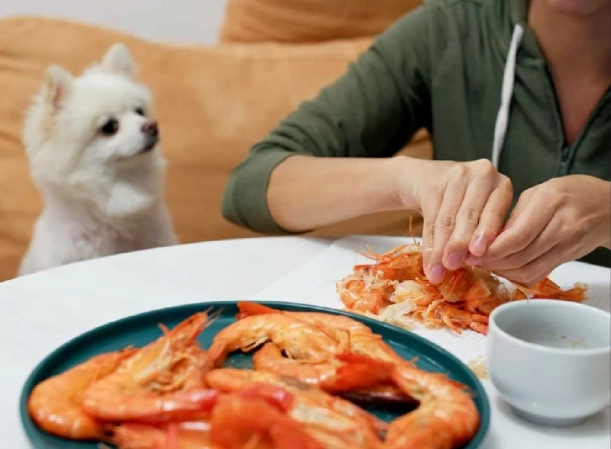
Harmful Seasonings and Cooking Methods
This is probably the biggest mistake people make. The shrimp *itself* might be okay, but how we cook it for ourselves is toxic for dogs.
- Garlic and Onions: All members of the allium family (garlic, onions, chives, leeks) are highly toxic to dogs. They can cause damage to red blood cells, leading to life-threatening anemia. Even powdered forms or cooked-in juices are dangerous.
- Excessive Salt and Butter: Too much salt can lead to sodium ion poisoning, symptoms of which include vomiting, diarrhea, tremors, and seizures. The high fat content in butter or oil can trigger pancreatitis, a painful and dangerous inflammation of the pancreas.
- Spices: Many common spices can upset a dog's stomach. Something like cayenne pepper could cause significant oral and gastrointestinal irritation.
So, that delicious scampi or Cajun shrimp? Completely off-limits. When we ask “can dogs eat shrimp,” we mean the most plain, boring shrimp imaginable.
Allergic Reactions
Just like people, dogs can be allergic to anything. Shellfish, including shrimp, is a known potential allergen. If it's your dog's first time trying shrimp, you need to be on allergy watch.
Watch For These Signs: Itching, hives, swelling of the face/ears/lips, red skin, obsessive licking of paws, vomiting, or diarrhea. In severe cases, difficulty breathing. If you see any signs of an allergic reaction, stop feeding the shrimp immediately and contact your vet.
Bacteria and Parasites
Raw shrimp can carry bacteria like salmonella or listeria, and parasites. These can make your dog sick with vomiting and diarrhea, and they can also be transmitted to you through your dog's saliva or feces. The U.S. Food and Drug Administration (FDA) advises against feeding raw or undercooked shellfish to pets for this reason. Cooking shrimp thoroughly kills these pathogens.
The Iodine Question
You might read online that shrimp is high in iodine and can cause thyroid problems. For the vast majority of dogs, the amount of iodine in an occasional shrimp treat is not a concern. However, if your dog has a pre-existing thyroid condition, it's a conversation to have with your vet before introducing any shellfish.
See what I mean? The question “can dogs have shrimp” has layers. The shrimp itself isn't the villain; it's the preparation and the individual dog that create the risk.
How to Safely Feed Shrimp to Your Dog: A Step-by-Step Guide
Let's get practical. If you've weighed the risks and decided to give it a try, here’s exactly how to do it. Treat this like a laboratory procedure—precision is key to safety.
- Choose the Right Shrimp: Opt for plain, unseasoned shrimp. Frozen, pre-cooked shrimp that just lists “shrimp” and maybe “salt” (but ideally not) is a good, convenient choice. Fresh is fine too, but you'll be doing all the prep.
- Cook It Plain: If starting with raw shrimp, the safest cooking methods are boiling in plain water or steaming. No salt, no stock, no nothing. Just water. Cook until the shrimp is pink and opaque all the way through.
- Prep It Meticulously: Let it cool completely. Then, remove the entire shell, including the tail. Devein the shrimp (that dark line along the back is the digestive tract—it's gritty and not pleasant). Rinse it under cool water to remove any residual shell fragments.
- Cut to Size: Chop the shrimp into small, bite-sized pieces appropriate for your dog. For a small dog, a single shrimp might need to be cut into quarters. This prevents choking and makes it easier to digest.
- The First-Time Test: Start with ONE small piece. Wait 24-48 hours and monitor your dog closely for any signs of allergic reaction or digestive upset (loose stool, vomiting). If all is clear, you can consider it a safe occasional treat.
- Mind the Portion: This is crucial. Shrimp should be a treat, making up no more than 10% of your dog's daily caloric intake. For most dogs, one or two medium-sized, properly prepped shrimp is plenty. My 70-pound Lab might get three as a rare high-value reward during training, but that's his absolute max.
My Personal Routine: I buy a bag of frozen, cooked, shell-on shrimp. I'll take out a few, thaw them in the fridge, peel and chop them for my dog, and use the rest for my own dinner (with all the garlic and butter he can't have). It minimizes waste and makes it easy.
Shrimp vs. Other Seafood: A Quick Safety Comparison
Since you're curious about shrimp, you might wonder about other seafood. Here’s a quick look to put things in perspective.
| Seafood | Generally Safe for Dogs? | Key Considerations & Precautions |
|---|---|---|
| Shrimp (Cooked & Plain) | Yes, in moderation | Must be shelled, deveined, cooked. Watch for allergies. |
| Salmon (Cooked) | Yes | An excellent source of Omega-3s. Must be thoroughly cooked to kill parasites. No bones. |
| Tuna (Cooked, in water) | In tiny amounts only | High in mercury. Avoid frequent feeding. Skip tuna packed in oil or salt. |
| Whitefish (Cod, Haddock) | Yes | Lean and easy to digest. Ensure all bones are removed. |
| Crab & Lobster | Yes, with extreme caution | Similar rules to shrimp: plain, cooked, shell removed entirely. Often higher in sodium/sold pre-seasoned, so be extra vigilant. |
| Raw Fish/Sushi | No | High risk of parasites and bacteria. Not recommended by vets or the American Veterinary Medical Association (AVMA). |
| Fried Seafood | No | High fat, often seasoned. High risk of pancreatitis and GI upset. |
The table makes it pretty clear: cooking and simplicity are the universal rules.
Answering Your Burning Questions
I get it. You have specific scenarios in mind. Let's tackle some of the most common questions head-on.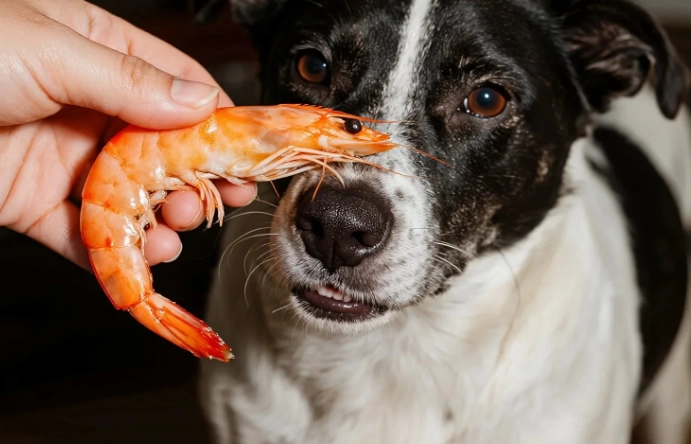
Can dogs eat cooked shrimp?
This is the core question, and yes, they can—but only if it's cooked plainly (boiled or steamed) and all the shell, tail, and vein are removed. “Cooked” doesn't mean breaded and deep-fried or sautéed in garlic sauce. It means the most basic form of cooking possible.
Can dogs eat raw shrimp?
I strongly advise against it. The risk of bacterial contamination (salmonella, vibrio) and parasites is real. It's not worth the potential severe gastrointestinal distress or the risk of transmitting pathogens to humans in your household. The consensus among vets is to cook it first.
Can dogs eat shrimp tails or shells?
Absolutely not. This is non-negotiable. Shrimp tails and shells are a choking hazard and can cause internal blockages or lacerations. They are not digestible. Always remove them completely before even considering giving a piece to your dog.
My dog accidentally ate a seasoned shrimp. What do I do?
Don't panic, but be observant. The main concerns are garlic/onion toxicity and high fat/salt content.
- Identify what was on it: Was it just a bit of butter and salt? Or did it have heavy garlic, onion powder, or spicy seasoning?
- Monitor closely: Look for vomiting, diarrhea, lethargy, loss of appetite, pale gums, or any signs of abdominal pain.
- Call your vet or animal poison control: If you know the shrimp contained a significant amount of garlic or onion, or if your dog is small and ate a large amount of salty/fatty shrimp, call for advice immediately. Have details ready: your dog's weight, what and how much they ate, and the ingredients. The ASPCA Animal Poison Control Center is a fantastic resource (though note they may charge a fee).
How much shrimp can I give my dog?
Portion control is everything. For a small dog (under 20 lbs), a half or one small shrimp is plenty. For a medium dog (20-50 lbs), one or two medium shrimp. For a large dog (50+ lbs), two to three shrimp max. This should be a rare treat, not a daily supplement. Frequency matters more than a single portion—once a week is more than enough.
Are there any dogs that should never have shrimp?
Yes. Dogs with known shellfish allergies, of course. Also, dogs with pre-existing pancreatitis or those on a strict, veterinary-prescribed hypoallergenic or elimination diet should not have shrimp unless explicitly cleared by their vet. Puppies have sensitive digestive systems, so it's best to wait until they're adults and stick to their regular puppy food.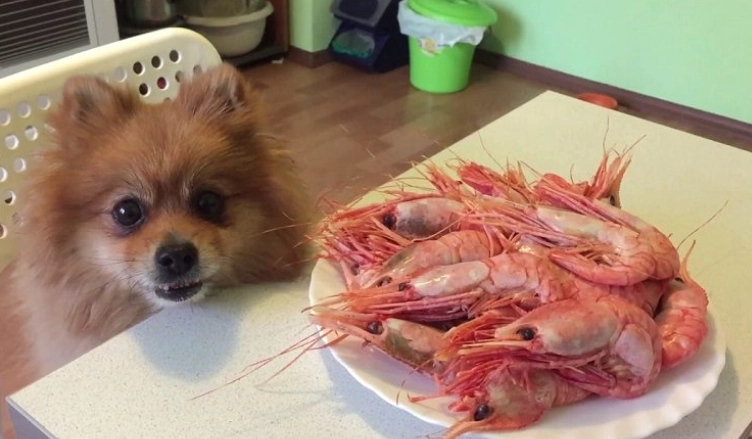
Remember: When in doubt, skip it. The treat isn't essential to your dog's health or happiness. A piece of their regular kibble or a dog-safe vegetable like a carrot stick is always a safer choice.
Wrapping It Up: The Final Verdict on Shrimp for Dogs
So, can dogs have shrimp? The answer is a qualified yes. It's not toxic in itself, and it offers some nutritional benefits. But the “qualified” part carries all the weight. You must prepare it correctly: cooked plain, peeled completely, deveined, chopped up, and served in tiny amounts as an infrequent treat.
The risks—choking, blockages, harmful seasonings, allergies, bacteria—are serious and require your full attention. If that sounds like too much work, just don't do it. Your dog won't feel deprived. Their world doesn't revolve around shrimp.
For me, knowing I can safely share a tiny piece of my plain boiled shrimp with my dog on a special occasion is nice. It feels like a shared moment. But I never, ever make it a regular thing, and I'm paranoid about the prep. Honestly, most of the time, I just give him a green bean instead. He's just as happy, and I have zero worry.
If you're still unsure, the best person to ask is your veterinarian. They know your dog's specific health history and can give you the most personalized advice. After all, when it comes to what goes into your best friend's belly, it's always better to be safe than sorry.
Related Articles