Ear Mites in Cats: Your Complete Guide to Symptoms, Treatment & Prevention
快速导览
Let's be real. There's nothing more heart-wrenching than watching your cat frantically scratch its ears, shaking its head like it's trying to dislodge something, and maybe even letting out a little cry of frustration. You feel helpless. I've been there, with a rescued tabby who turned my couch into a scratching post for her ears. That constant, desperate scratching is often the first loud shout that something's wrong, and more often than not, the culprit is a tiny, eight-legged pest: the ear mite.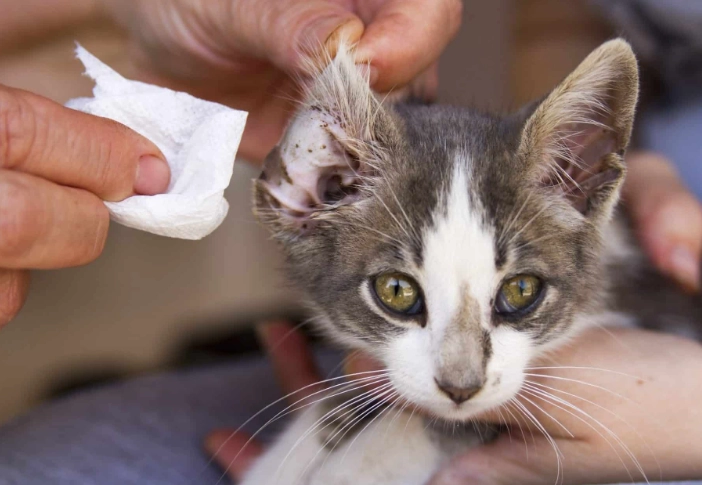
Ear mites in cats are incredibly common, especially in kittens, outdoor cats, or cats living in multi-pet households. They're not a sign of a dirty home or poor care—they're just highly contagious parasites that jump from one host to another with annoying ease. The scientific name is Otodectes cynotis, and while the name sounds fancy, the reality is just plain gross. These microscopic critters live their entire life cycle in the ear canal, feeding on skin debris and ear wax. It's their feeding and movement that drives cats absolutely nuts with itching.
This guide is what I wish I had when I first dealt with ear mites. We're going to strip away the confusion and anxiety. We'll cover everything: how to spot the signs that scream "ear mites," how to know for sure it's mites and not something else (because guessing wrong can make things worse), the step-by-step on how to treat them effectively, and crucially, how to prevent them from coming back. Consider this your one-stop, no-nonsense manual for dealing with ear mites in cats.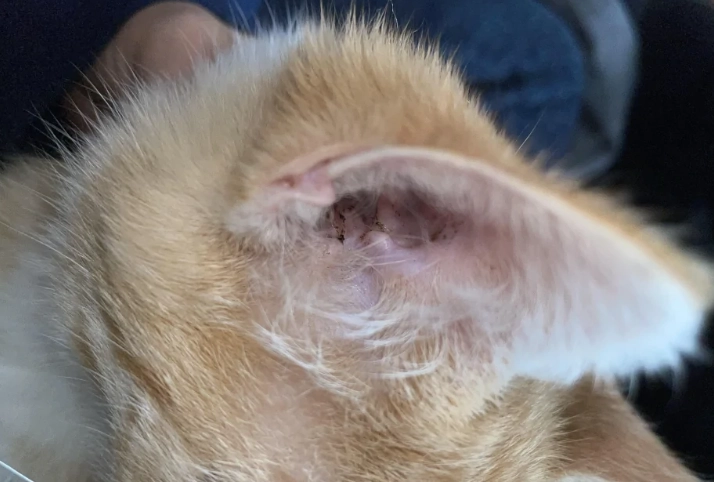
What Exactly Are Ear Mites? The Unwanted Ear Tenants
Imagine a creature so small you can't see it clearly without magnification, setting up a bustling colony in the warm, dark tunnel of your cat's ear. That's the ear mite. They're related to spiders and ticks. Under a microscope, they look like tiny white specks that move. Their entire world—eating, breeding, laying eggs—happens right there in your cat's ear canal.
The life cycle from egg to adult takes about three weeks. Adult females lay eggs that glue themselves to the skin of the ear canal. Those hatch into larvae, which molt into nymphs, and then finally into adults. The whole time, they're irritating the delicate skin. This irritation is what causes the body to produce more wax and debris, which, ironically, creates more food for the mites. It's a vicious, itchy cycle.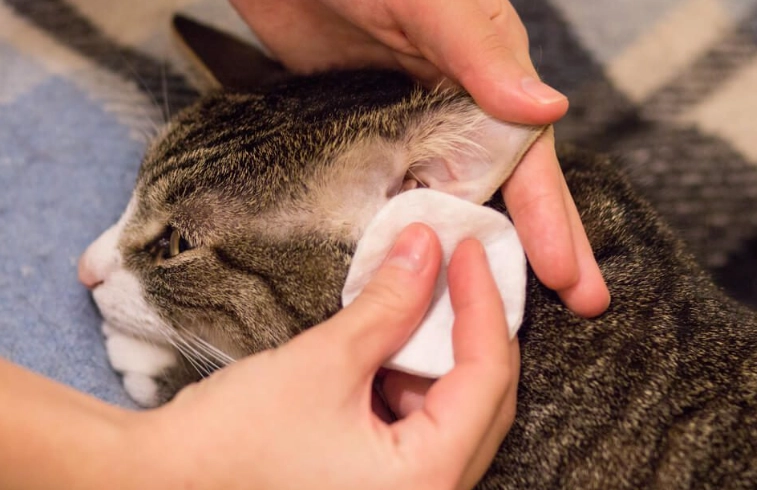
What makes ear mites in cats such a nuisance is their contagiousness. They don't fly or jump far, but they can crawl. Direct contact is the primary way they spread. A mother cat passes them to her kittens. Cats that snuggle or groom each other share them. They can even briefly survive in the environment on bedding or carpet, waiting for a new host to stroll by. This is why multi-cat households often see everyone get infected if one cat has it.
The Telltale Signs: Is It Ear Mites?
You can't always see the mites themselves, but they leave a signature calling card. The symptoms of ear mites in cats are pretty distinct, though they can sometimes be confused with other ear problems like yeast or bacterial infections.
The Classic Symptoms (What You'll See and Hear)
Your cat will tell you something's wrong, not with words, but with behavior. The itching is intense and relentless. Here’s the checklist I run through: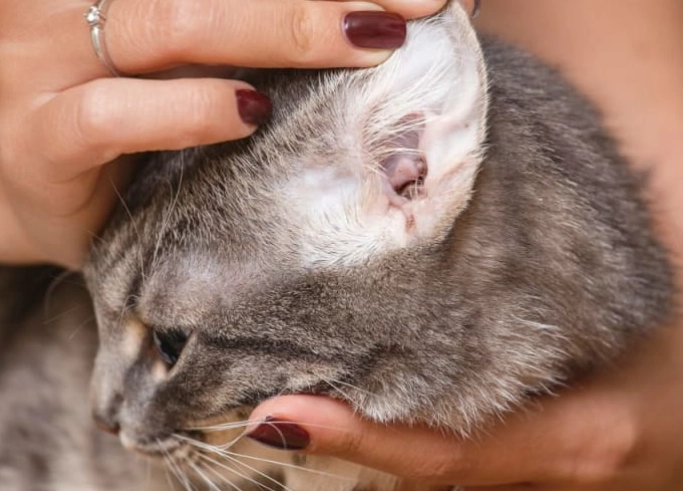
- Head Shaking and Ear Scratching: This is the number one sign. It's not a casual scratch. It's violent, frequent scratching at the ears with a back paw, sometimes to the point of causing scratches or bald spots behind the ears.
- Dark, Crumbly Ear Discharge: This is the hallmark. The discharge looks like coffee grounds or blackish-brown crusty dirt. It's a mix of dried blood, wax, mite waste, and the mites themselves. It's different from the yellow, waxy buildup you might see otherwise.
- Strong Odor: The infected ear often develops a distinct, unpleasant smell.
- Head Tilting or Holding One Ear Down: Your cat might tilt its head to one side, trying to relieve pressure or discomfort.
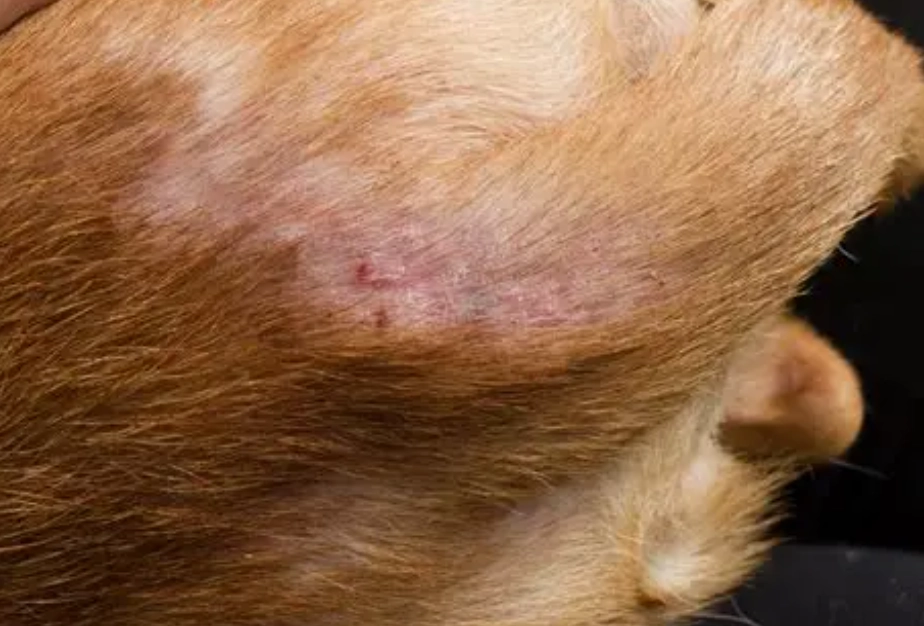
- Hair Loss and Sores: From all the scratching and rubbing, the skin around the ears can become raw, inflamed, and lose hair.
In severe, long-term cases of ear mites in cats, you might see more worrying signs: a crusty rash around the head, neck, and tail (from the cat sleeping curled up and mites migrating), or even an aural hematoma—a blood-filled swelling of the ear flap caused by ruptured blood vessels from all the violent head shaking. That's a vet emergency.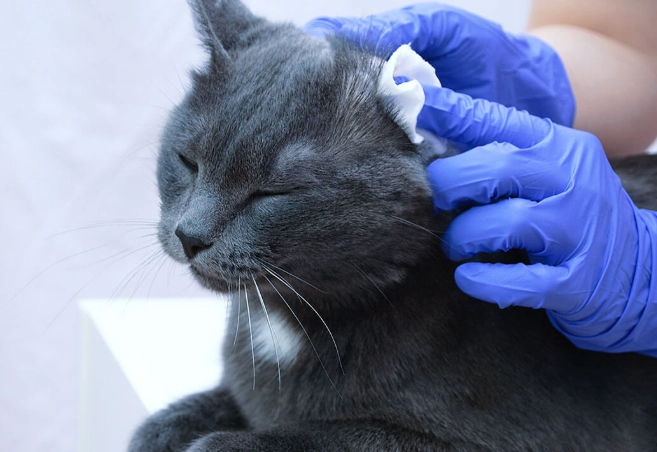
What Ear Mites Are NOT (Differential Diagnosis)
This is crucial. Not every itchy ear or dark discharge means mites. Jumping to conclusions can lead to using the wrong treatment. Here’s a quick breakdown of what else it could be:
| Condition | Key Differences from Ear Mites | Common Causes |
|---|---|---|
| Yeast Infection (Malassezia) | Discharge is often dark brown but can be lighter, and has a distinct sweet or musty smell. It's more paste-like than gritty. Itching can be severe but may start more gradually. | Often secondary to allergies, moisture, or antibiotic use. |
| Bacterial Infection | Discharge can be yellow, green, or pus-like, and often smells very bad. The ear may be hot, red, and very painful to the touch. | Can be primary or follow damage from scratching or other issues. |
| Allergies (Food/Environmental) | Ears are red and inflamed, often on both sides. Discharge is usually minimal and waxy, not the classic "coffee grounds." Itching is generalized—feet, belly, ears—not just focused on the ears. | Reaction to food proteins, pollen, dust mites, etc. |
| Ear Polyps or Foreign Body | Sudden onset of head shaking, often after being outside. May see pawing at one specific ear. Discharge may be bloody. | Grass seed, foxtail, or a growth inside the ear canal. |
See why guessing is risky? A yeast infection won't get better with a mite-specific medication. You could waste time and money while your cat suffers.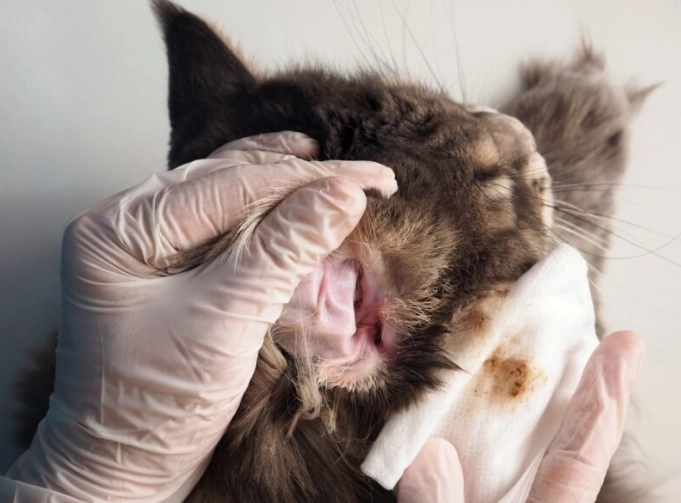
Getting the Right Answer: How Vets Diagnose Ear Mites
So you see the signs. But how do you know for sure? While the coffee-ground debris is a strong indicator, a definitive diagnosis requires a vet. This isn't just them being cautious; it's the responsible step to ensure proper treatment. A visit to the vet for suspected ear mites in cats is non-negotiable in my book.
Here’s what happens during a typical diagnostic visit:
- Otoscopic Exam: The vet uses a special lighted instrument called an otoscope to look deep into the ear canal. This checks for the amount of debris, redness, and any damage to the eardrum (which is critical, as some medications can't be used if the eardrum is ruptured). Sometimes, they can actually see the tiny white mites moving against the dark debris.
- Microscopic Examination: This is the gold standard. The vet takes a sample of the ear discharge with a cotton swab, puts it on a slide with a drop of mineral oil, and looks under a microscope. Under magnification, adult mites, eggs, and larvae are clearly visible. It's instant confirmation. You can read more about this standard diagnostic procedure from resources like the Merck Veterinary Manual, a trusted professional reference.
I made the mistake once of trying an old, over-the-counter drop before a vet visit. It did nothing but stress my cat out and delay real relief. The vet visit and microscope check gave us a clear target.
Treatment: How to Get Rid of Ear Mites in Cats for Good
Okay, the vet has confirmed it: ear mites. Now, let's talk about wiping them out. Treatment has two equally important parts: killing the mites and cleaning up the mess they left behind. And because ear mites are so contagious, you often have to treat the environment and other pets, too.
The Treatment Process (A Step-by-Step Battle Plan)
Think of this as a campaign, not a one-time event. You need to kill all life stages—eggs, larvae, and adults.
| Step | What to Do | Why It's Important |
|---|---|---|
| 1. Veterinary-Prescribed Medication | Your vet will prescribe a parasiticide. Modern treatments are often "spot-on" medications applied to the skin at the base of the neck (like selamectin, moxidectin) or single-use ear drops (like fluralaner/moxidectin combinations). Some are one-dose, others require a follow-up in 2-3 weeks. | These are prescription-strength, effective, and systemic or long-acting to break the mite life cycle. They are far superior to old-fashioned, daily ear drops. The Cornell Feline Health Center provides excellent overviews of these modern treatment protocols. |
| 2. Thorough Ear Cleaning | Before applying medication (if using direct ear drops), and periodically during treatment, clean the ears with a vet-recommended ear cleaner. Soak a cotton ball or gauze, wipe out the visible canal gently, and never use Q-tips deep in the ear. | Removes the debris that shields mites from medication, reduces irritation, and lets you monitor progress. It's gross but satisfying. |
| 3. Treat ALL Pets in Contact | Even if your dog or other cats show no symptoms, they likely have mites too. Treat them all simultaneously, as directed by your vet. | Prevents "ping-pong" reinfection. Mites will just move from the treated cat to an untreated one and back again. |
| 4. Environmental Decontamination | Wash all pet bedding, soft toys, and blankets in hot water. Thoroughly vacuum carpets, furniture, and cat trees. Mites can't survive long off a host, but this removes any stragglers. | Eliminates environmental sources that could cause reinfection, especially important in severe infestations. |
What About Home Remedies and Over-the-Counter Products?
You'll find a million suggestions online: olive oil, almond oil, honey, vinegar solutions. Let me be blunt: most are ineffective at best and dangerous at worst.
- Oils (Olive, Mineral): They might suffocate adult mites but do nothing to eggs. They also create a greasy mess that can worsen infections. Not a cure.
- Vinegar/Water Solutions: Can irritate already inflamed skin, causing significant pain. Avoid.
- Over-the-Counter Drops: Many older OTC products (like pyrethrin-based ones) are weak, require daily application for weeks, and are toxic to cats if misused. They often lead to treatment failure and frustration.
Honestly, I think the appeal of home remedies is the desire for a quick, cheap fix. But seeing my cat finally stop scratching after one vet-prescribed treatment was worth every penny the OTC stuff had wasted.
Prevention: Keeping Those Mites from Coming Back
Once you've gone through the battle of treating ear mites in cats, you never want to do it again. Prevention is straightforward but requires consistency.
Routine Parasite Prevention: This is your best defense. Many monthly "spot-on" flea preventatives also prevent and control ear mites. Products containing selamectin (Revolution/Stronghold) or fluralaner (Bravecto) are commonly used for this dual purpose. Talk to your vet about incorporating mite prevention into your cat's regular wellness plan.
Regular Ear Checks: Make glancing at your cat's ears part of your weekly cuddle routine. Look for redness, odor, or unusual discharge. Catching any issue early makes treatment easier.
Quarantine New Animals: Any new cat or kitten entering your home should have a vet check-up, including an ear exam, before being introduced to your resident pets. A two-week separation period is a smart precaution.
Maintain a Clean Environment: Regular vacuuming and washing of bedding reduces the general parasite load in your home, mites included.
It sounds simple, but this routine is what builds a fortress against ear mites and a host of other problems.
Your Ear Mites in Cats Questions, Answered
Can humans get ear mites from cats?
Extremely rarely, and not in a sustained way. Otodectes cynotis is a species-specific parasite that strongly prefers cats (and dogs). In the odd case where a mite might crawl onto a human, it could cause a temporary, itchy skin rash, usually on the arms or chest, but it cannot complete its life cycle in a human ear. It will die quickly. So no, you don't need to worry about an ear mite infestation in your own ears.
How long does it take to get rid of ear mites?
With modern, prescription single-dose treatments, the killing action starts within hours. However, the intense itching may take a few days to subside as the inflammation heals. The full treatment cycle, including any follow-up doses to catch newly hatched mites, is typically 3-4 weeks. You'll notice less debris and calmer behavior within the first week if treatment is effective.
Are ear mites dangerous or life-threatening?
Not directly life-threatening in most healthy adult cats, but they are a serious welfare issue. The unrelenting discomfort is miserable. Left untreated, the scratching can lead to severe skin infections, aural hematomas (which require surgery), and in very rare cases, damage to the middle or inner ear affecting balance and hearing. For very young, old, or immunocompromised kittens, the stress and secondary infections can become severe.
My cat's ears are clean after treatment, but she's still scratching. Why?
This is super common and frustrating. The mites are gone, but the inflammation they caused takes time to heal. It's like having a mosquito bite—the mosquito is gone, but the itch remains. The ear canal skin is still irritated and hypersensitive. Sometimes, a secondary yeast or bacterial infection set in during the mite infestation and needs its own treatment. If scratching continues more than a week after treatment, a follow-up vet visit is needed to check for these lingering issues.
Can ear mites live on bedding or carpets?
Yes, but not for long. Ear mites are obligate parasites—they need a host to survive. Off a host, they may live for 10-12 days in a cool, humid environment. This is why washing bedding and vacuuming are important parts of treatment, especially in multi-pet homes, but you don't need to fumigate your house. Focus the deep clean on the areas your cat frequents most.
Dealing with ear mites in cats is a hassle, no doubt. It's messy, it's a bit gross, and it requires a trip to the vet. But the transformation in your cat once those pests are gone is incredible. The constant head shaking stops. The frantic scratching ceases. They become more relaxed, more affectionate. It's like getting your happy, comfortable cat back.
The key is not to panic, not to waste time on internet "miracle cures," and to partner with your vet. Get the proper diagnosis, use the effective prescription treatments, clean thoroughly, and be patient during the healing process. By understanding the enemy and having a clear plan, you can turn an itchy nightmare into a solved problem and get back to the important stuff—like deciding who gets the sunny spot on the couch.
Related Articles