Let's cut right to the chase. Few dogs are surrounded by as much noise, fear, and downright misinformation as the Pitbull Terrier. I've lost count of the times someone's eyes widen when I mention I've spent years around them. "Aren't they... you know..." they whisper, as if saying it loud might summon trouble.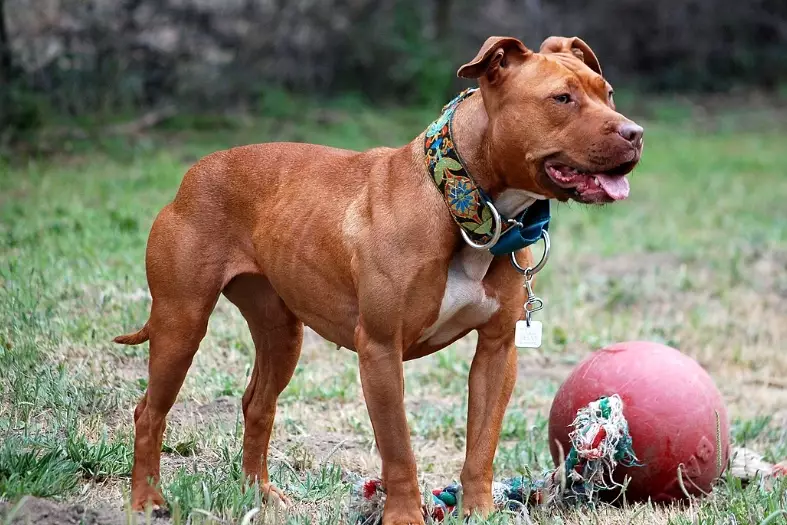
It's exhausting, honestly. The truth is buried under a mountain of headlines and stereotypes. My goal here isn't to sell you on the breed or scare you off. It's to give you the straight talk—the good, the challenging, and the often-misunderstood—so you can make a real decision. Is a Pitbull Terrier a loving, goofy couch potato or a ticking time bomb? The answer, like with any dog, is infuriatingly complex and beautifully simple: it depends. Mostly on us, the humans.
A Quick Note on the Name: "Pitbull Terrier" is often used as a catch-all, but it technically refers to the American Pit Bull Terrier (APBT). In everyday talk, people might include the American Staffordshire Terrier or Staffordshire Bull Terrier. For this guide, we're focusing on the core traits of the APBT, the dog at the heart of the conversation.
Where Did This Dog Even Come From?
You can't understand the Pitbull Terrier without a peek into its past. It's a history that explains a lot about its physical power and, paradoxically, its affinity for people.
These dogs trace their roots back to 19th-century England. They were originally bred from bulldogs and terriers for the brutal "sport" of bull-baiting and, later, dog fighting. I know, it's a horrible start. But here's the crucial part breeders needed: extreme gameness (tenacity) paired with reliable human-directed gentleness. A dog that was aggressive toward handlers was useless and dangerous. They were culled.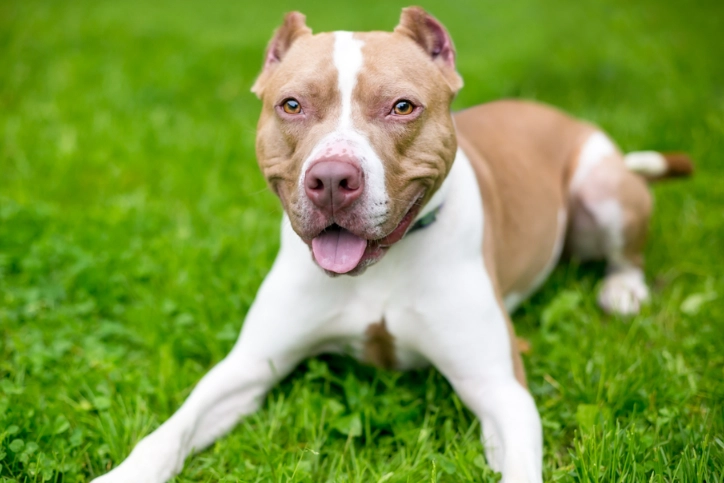
This selective pressure created a dog of immense physical drive and pain tolerance, but one that was meant to be stable and trustworthy around people. When these dogs came to America with immigrants, they were valued as all-around farm dogs, family guardians, and yes, sadly, fighters. The American Kennel Club (AKC) initially shunned the "pit bull" name, leading to the creation of the American Staffordshire Terrier as a separate, show-oriented registry. It's a tangled family tree.
The real tragedy of their history is how it's been twisted. The very trait bred for a vile purpose—intense focus and drive—is often mislabeled as inherent "human aggression." It's a fundamental misunderstanding that has cost these dogs dearly.
The Real Pitbull Terrier Temperament: What Are They Actually Like?
Forget the news clips. Let's talk about the living, breathing dog.
If I had to use one word, it's intense. They do everything with gusto. Play, love, nap, chew—it's all done at 100%. They are famously "wiggly-butt" dogs, prone to full-body wagging that can clear a coffee table. Their smile is goofy and genuine.
With People: This is their hallmark. A well-bred, well-socialized Pitbull Terrier is typically a profound people-dog. They crave physical contact, often becoming notorious lap dogs despite their solid build (a 60-pound "lapdog" is an experience). They are often silly, affectionate, and deeply loyal to their family. Many exhibit "stranger-friendly" attitudes, though some can be aloof or watchful—not aggressive, just observant.
With Other Animals: Here's the big one. Dog aggression (same-sex aggression, in particular) and a high prey drive are common traits in the breed. It's not a flaw; it's a breed characteristic, like a retriever wanting to fetch. This doesn't mean every Pitbull Terrier will hate other dogs or chase cats. But it does mean the potential is there, and it must be managed, not ignored or wished away.
I've known Pitbull Terriers who lived peacefully with other pets. I've also seen ones who could never be trusted off-leash near a squirrel or alone with another dog. Assuming yours will be the former is a recipe for disaster. Responsible ownership means understanding this spectrum and managing your dog's environment. No dog parks? Probably a good idea. Secure fencing? Non-negotiable.
The Hard Truth: That famous loyalty can tip into separation anxiety if they're not taught to be alone. Their strength means a bored Pitbull Terrier isn't just mischievous; they're destructive. A chewed shoe becomes a chewed door frame.
Dispelling the Big Myths (Because We Have To)
- "Locking Jaws": Pure nonsense. Anatomically impossible. The American Veterinary Medical Association (AVMA) debunks this. Their bite pressure isn't even the strongest. What they have is tenacity—they may hold on, but the mechanism is muscular will, not a biological lock.
- "They Snap Without Warning": All dogs give signals. The problem is, people often miss the subtle signs of canine stress (lip licking, whale eye, stiffening) or have been told the dog is "so friendly" it would never react. Any dog, pushed too far, can react. With a powerful breed, reading body language is a critical skill, not an optional one.
- "They're Inherently Nanny Dogs": This well-meaning myth is just as dangerous as the vicious one. No dog should be left unsupervised with a young child. Pitbull Terriers are sturdy and can be wonderfully patient, but a toddler's poking or pulling could provoke a reaction from any animal. It's about supervision and teaching both the child and the dog respect.
Is a Pitbull Terrier the Right Dog For You? A Brutally Honest Checklist
Don't get one because you want to make a statement. Get one only if your lifestyle fits their needs.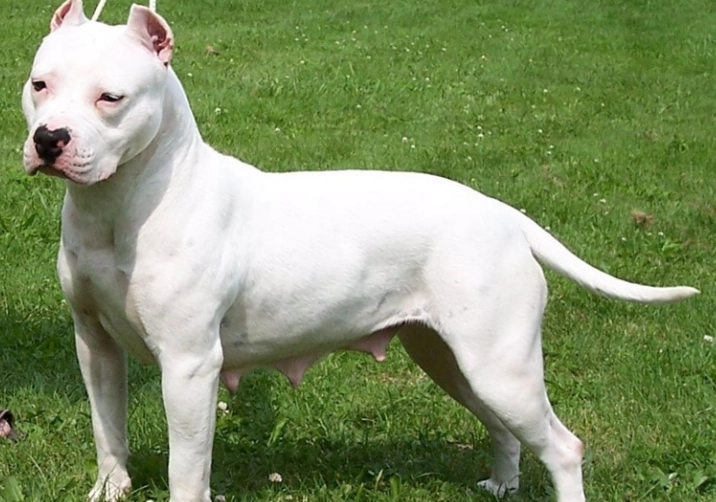
| The Good Stuff (Pros) |
The Tough Stuff (Cons) |
| Unmatched loyalty & affection for their family. |
Breed-specific legislation (BSL) may ban or restrict them where you live, rent, or travel. |
| Often highly trainable and eager to please when motivated. |
Potential for dog/animal aggression requires lifelong management. |
| Generally low-maintenance grooming needs (short coat). |
Immense physical strength requires a strong owner who can handle leash pulls. |
| Can be wonderful family companions with proper training/supervision. |
High energy & need for mental stimulation to prevent boredom & destruction. |
| Often healthy and robust with a good lifespan for their size. |
Public perception & stigma can lead to fear, judgment, and insurance issues. |
You should say NO to a Pitbull Terrier if: You're a first-time dog owner looking for an easy pet, you live in a banned area, you want a dog you can reliably take to a busy dog park, you travel frequently and need easy boarding, or you aren't prepared for potential legal and insurance hurdles.
You might be a GREAT fit if: You have experience with strong, driven breeds, you're committed to lifelong training and socialization, you have a secure yard, you understand canine body language, and you're looking for an deeply bonded, "velcro" companion.
Finding Your Pitbull Terrier: Breeder vs. Rescue
Going the Breeder Route
If you want a predictable temperament (as much as possible with dogs), a known health history, and support, a reputable breeder is key. Reputable is the operative word.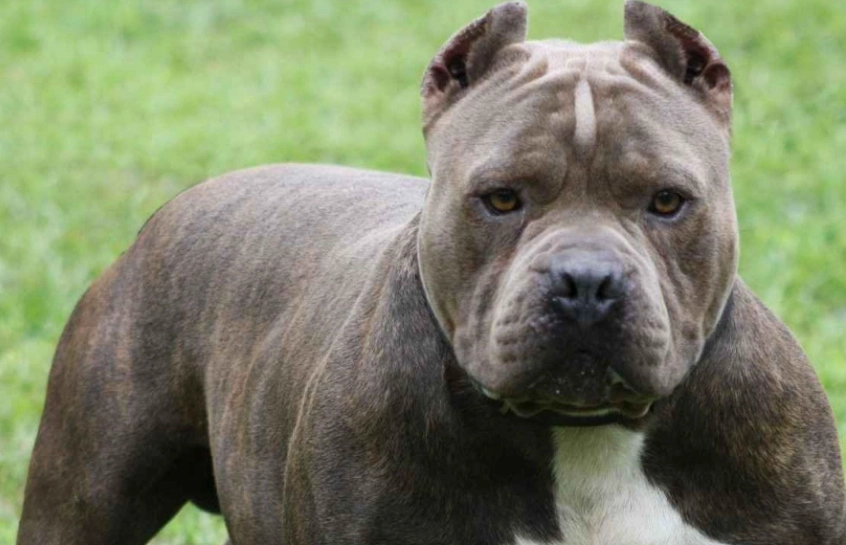
A good breeder of Pitbull Terriers will:
- **Health test their dogs** for hips (OFA or PennHIP), hearts (cardiac exam), and sometimes for genetic conditions like neuronal ceroid lipofuscinosis. You should be able to look up the parents' scores on the Orthopedic Foundation for Animals (OFA) database.
- **Focus on stable temperament.** They'll want to know about your life and will be interviewing you as much as you are them.
- **Be involved in a dog sport** like weight pull, agility, or obedience. This shows they value the dog's working ability and structure, not just looks.
- **Provide a contract** that includes a health guarantee and requires you to return the dog to them if you can't keep it, ever.
Run, don't walk, from anyone who: has multiple litters available, sells puppies online with no questions, can't provide health clearances, or brags exclusively about "game" or aggressive lines.
The Rescue Option
Shelters are full of Pitbull Terrier and mixes. Adopting can save a life. But you need to go in with your eyes wide open.
A rescue dog is a mystery box. You may not know their full history, which can impact behavior. Work with a rescue that does **foster-to-adopt** programs. A foster home can tell you how the dog acts in a real house: Is it house-trained? Good with cats? Anxious when left alone?
Ask the rescue pointed questions: What known triggers does the dog have? How are they with other dogs on walks? Have they shown any resource guarding? A good rescue will be transparent. Be wary of any that gloss over potential issues with "he just needs love." Love is necessary, but it's not a training plan.
Training & Socialization: This Isn't Optional
Training a Pitbull Terrier isn't about suppressing a monster. It's about channeling a powerful, smart, energetic being into a good canine citizen. It's management and partnership.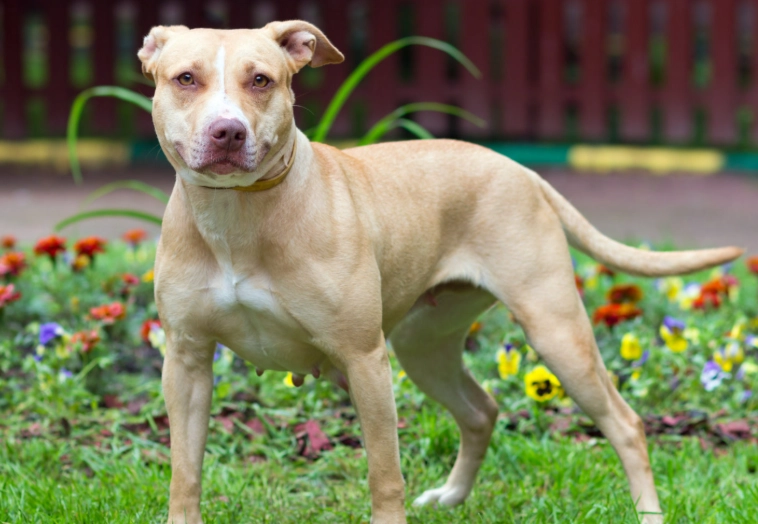
Start Early: If you have a puppy, socialization (before 16 weeks) is your #1 job. This isn't just meeting people and dogs. It's positive exposure to the world: different surfaces, sounds, hats, umbrellas, wheelchairs, etc. The goal is confidence, not just familiarity.
Foundational Commands Are Safety Tools: A rock-solid recall (come), leave it, and drop it are not party tricks. They are emergency brakes. Practice them daily with high-value rewards.
Leash Manners are a Must: You cannot have a 70-pound dog pulling you down the street. It's unsafe and reinforces the negative stereotype. Invest in a front-clip harness or head halter and consider professional help if pulling is severe. It's not about dominance; it's about mechanics and positive reinforcement.
Mental Exercise is as Vital as Physical: A tired Pitbull Terrier is a good Pitbull Terrier. But you need to tire their brain too. Food puzzles, scent work (hiding treats), short training sessions, and chew toys like Kongs stuffed with frozen food are lifesavers.
My Personal Take on Tools: I'm not a fan of prong or shock collars for this breed. In unskilled hands, they can increase frustration and aggression. Positive reinforcement (treats, toys, praise) builds a willing partnership. If you're struggling, hire a force-free or positive reinforcement trainer with experience in powerful breeds.
Keeping Your Pitbull Terrier Healthy
Generally, they're a hardy bunch. But they have some breed predispositions to watch for.
| Common Health Concern |
What It Is |
Prevention/Treatment |
| Hip Dysplasia |
Malformation of the hip joint leading to arthritis. |
Buy from breeders who OFA-test parents. Maintain a healthy weight. Supplements (glucosamine) can help. |
| Skin Allergies |
Itchy skin, often from food or environmental allergens. |
Often requires vet diagnosis. May need special diets (limited ingredient, hypoallergenic), medications, or allergy shots. |
| Heart Disease |
Aortic stenosis or other congenital heart defects. |
Breeder should have parents' hearts checked by a cardiologist. Listen for coughing or exercise intolerance. |
| Demodectic Mange |
Mite infestation that can cause hair loss, usually in pups. |
Most puppies' immune systems handle it. Severe cases need veterinary treatment. |
Weight Management is Critical: An overweight Pitbull Terrier puts immense strain on their joints and heart. You should be able to easily feel (but not see) their ribs. Don't free-feed. Measure meals.
Regular Vet Care: Annual check-ups, vaccinations, and parasite prevention are non-negotiable. Build a relationship with a vet who is comfortable with the breed.
What to Feed Your Pitbull Terrier
There's no one perfect food. Look for a high-quality commercial diet (AAFCO statement on the bag) appropriate for their life stage (puppy, adult, senior). Protein should be a key ingredient. Many owners find success with foods formulated for active breeds.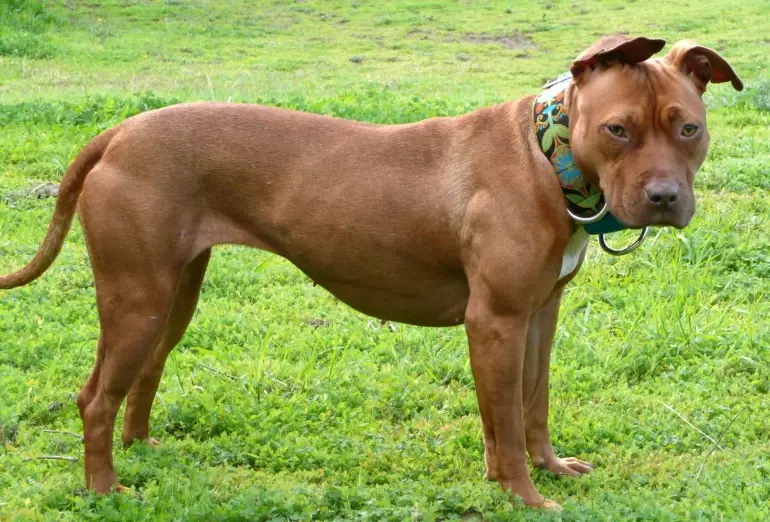
Be cautious with raw diets unless you've done extensive research; the risk of bacterial contamination and nutritional imbalance is real. If allergies pop up, your vet may recommend a novel protein (like salmon or duck) or hydrolyzed diet.
Grooming and Daily Care
The easy part! Their short coat needs a weekly brushing with a rubber curry brush or grooming mitt to remove loose hair and distribute skin oils. Bathe only when necessary (they can get that classic "dog smell").
Pay special attention to:
- Nails: Keep them short. Long nails affect gait and can cause pain. If you hear clicking on the floor, they're too long.
- Ears: Check weekly for redness or odor, clean with a vet-approved solution if needed.
- Teeth: Dental disease is common. Daily brushing is ideal. Dental chews and water additives can help.
Answers to Questions You're Probably Asking
Q: Are Pitbull Terriers good with kids?
A: They can be excellent, but it's never a guarantee. Supervision is mandatory. Teach kids not to bother a sleeping or eating dog, and to respect the dog's space. The dog must be taught to be gentle. It's a two-way street.
Q: How much exercise does a Pitbull Terrier really need?
A: More than you think. A brisk 30-60 minute walk daily is a baseline. Add in play sessions, training, and mental puzzles. A bored Pitbull Terrier will find their own "fun," and you won't like it.
Q: My apartment bans Pitbull Terriers. What can I do?
A: This is a harsh reality. You can try providing documentation from a vet or trainer labeling your dog as a "mixed breed," but this is ethically grey and may not work. The best course is to find housing without breed restrictions, which is sadly difficult. This is a major life consideration.
Q: Is pet insurance worth it for a Pitbull Terrier?
A: Absolutely. Given their potential for allergies, joint issues, and the risk of injury (they play hard), a good insurance policy can save you thousands. Get it while they're young and healthy, before any conditions are pre-existing.
Q: Can I ever trust my Pitbull Terrier off-leash?
A: In an unfenced area? Very rarely, and only if you have a near-perfect recall in high-distraction environments. Their prey drive or desire to greet another dog can override training in an instant. For their safety and everyone else's, a long-line leash (15-30 ft) in open areas is a much smarter choice.
Wrapping This Up
Owning a Pitbull Terrier isn't for everyone. It's a commitment that goes beyond typical dog ownership. You're signing up for a powerful, emotional, sometimes frustrating, and incredibly rewarding relationship. You become an ambassador, whether you want to or not.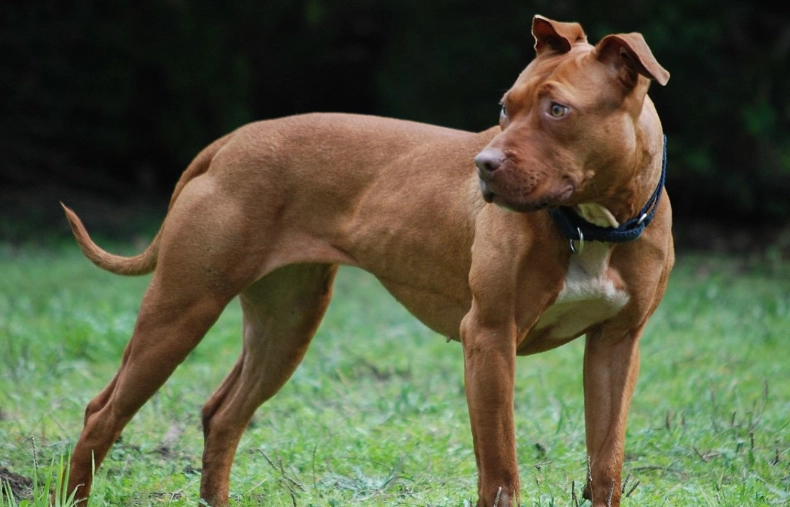
You'll face judgment. You'll have to work harder to prove your dog's good nature. You'll need to be more vigilant, more responsible, and more engaged than the average dog owner.
But if you do it right—if you provide structure, training, love, and management—what you get in return is a bond that's hard to describe. It's the dog that leans its full weight against you while you watch TV, the goofy grin after a play session, the unwavering presence by your side.
The Pitbull Terrier isn't a mythical beast or a saintly nanny. It's a dog. A complex, capable, deeply feeling animal that reflects what we put into it. Do your homework. Be brutally honest with yourself. If it's a fit, you might just find the most loyal friend you've ever had.