Dog Lab Dog: The Complete Guide to Labrador Retrievers
In This Guide
- What Exactly Is a "Dog Lab Dog" (Labrador Retriever)?
- The Labrador Temperament: Loveable Goof or Energetic Menace?
- Health and Lifespan: What You Need to Know
- The Real Cost of a Dog Lab Dog
- Living With a Lab: The Daily Reality (Shedding, Space, Time)
- Training Your Labrador Retriever: It's Not Optional
- Choosing Your Dog Lab Dog: Breeder vs. Rescue
- Common "Dog Lab Dog" Questions Answered
- Final Thoughts: Is the "Dog Lab Dog" For You?
So you're searching for "dog lab dog" and your screen is probably filled with pictures of happy, goofy-looking dogs with otter tails and kind eyes. Let's cut to the chase. You're almost certainly looking for information on the Labrador Retriever. That's what most people mean when they mash those words together. And let me tell you, there's a reason this breed has been America's number one dog for decades. But are they really that perfect? Is a Lab the right fit for your life, or are you just falling for the popular image? I've lived with Labs, trained them, and cleaned up after them. This guide isn't just a list of breed facts. It's the real, unfiltered scoop on what it's actually like to live with a "dog lab dog." We'll dig into the good, the messy, and the downright slobbery.
What Exactly Is a "Dog Lab Dog" (Labrador Retriever)?
The term "dog lab dog" is a bit of internet shorthand, but it points squarely at the Labrador Retriever. Originally from Newfoundland (not Labrador, confusingly), they were fishing dogs, helping pull nets and catch fish that escaped hooks. That history explains so much about them. Webbed feet for swimming? Check. A soft mouth for carrying things without damage? Absolutely. An obsession with water and food? You have no idea.
The American Kennel Club (AKC) recognizes them in three colors: Black, Yellow, and Chocolate. But within those colors, there's a huge range. Yellow can be fox-red to light cream. Chocolate can be light liver to deep brown. The breed is divided into two main types: show-bred (English) and field-bred (American). Show Labs tend to be stockier, with a broader head and thicker otter tail. Field Labs are leaner, leggier, and often have a bit more intensity in their drive. Both are purebred Labrador Retrievers, but their energy levels and build can feel quite different.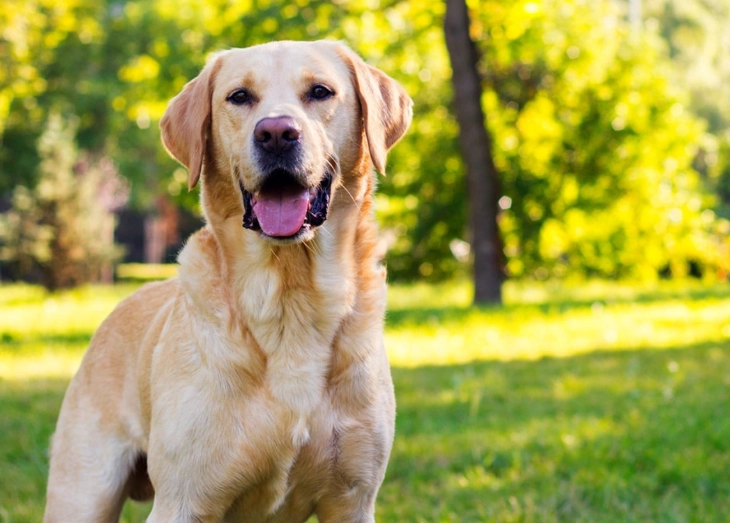
"The Labrador Retriever is more than a popular breed; it's a versatile working dog whose intelligence and good nature have made it a successful guide, service, detection, and therapy dog." This versatility is a core part of the "dog lab dog" identity.
When you get a Lab, you're getting a piece of history. A dog bred for companionship and hard work alongside people. This isn't an aloof, independent breed. They need to be with their pack. If you want a dog that's your shadow, your cheerleader, and your occasional nuisance, you're on the right track.
The Labrador Temperament: Loveable Goof or Energetic Menace?
Ask anyone about a Lab's personality, and you'll hear "friendly," "outgoing," and "gentle." And for the most part, that's true. A well-socialized Lab is a friend to all—man, woman, child, and sometimes even the mailman (much to your chagrin). They are famously good with kids, showing a patience that seems bottomless. But here's the thing people don't always mention: that famous friendliness means they are not guard dogs. A burglar would likely be greeted with a wagging tail and a offered slipper.
Their intelligence is both a blessing and a curse. They learn quickly, which makes training a joy. But a smart dog gets bored easily. A bored Lab will find its own fun, and you won't like its ideas. Digging, chewing, counter-surfing—these are the hobbies of an under-stimulated "dog lab dog." I can't stress this enough: mental exercise is just as important as physical. Puzzle toys, training sessions, nose work... these are non-negotiable.
Let's talk about energy. Puppies and young adults are full on. They have a motor that doesn't quit. That famous "puppy phase" can last until they are 3 or even 4 years old. They need vigorous exercise—long walks, runs, fetch, swimming—daily. Not just a quick trip around the block. If you're a couch potato, a young Lab will turn your life upside down. They mellow with age, but that core zest for life remains.
Health and Lifespan: What You Need to Know
Labs are generally robust, but like all purebreds, they have predispositions to certain health issues. The average lifespan is 10-12 years. Being proactive is key. Responsible breeders test their breeding stock for common genetic problems. You should always ask to see these test results.
Here’s a breakdown of the major health concerns for a "dog lab dog":
| Health Condition | What It Is | Prevention/Management |
|---|---|---|
| Hip & Elbow Dysplasia | Malformation of the joints leading to arthritis and pain. | Buy from breeders who have OFA or PennHIP certifications for parents. Keep puppy lean and avoid excessive jumping on hard surfaces during growth. |
| Obesity | This is the #1 health issue for Labs. They are food-obsessed. | Strict portion control, measured meals (no free-feeding), healthy treats, and regular weigh-ins. Ignore the pleading eyes! |
| Exercise-Induced Collapse (EIC) | A genetic disorder causing weakness, wobbliness, or collapse after intense exercise. | Genetic testing is available. Manage exercise to avoid extreme overheating and over-exertion. |
| Progressive Retinal Atrophy (PRA) | Degenerative eye disease leading to blindness. | Breeders should test for this annually with a board-certified veterinary ophthalmologist. |
| Heart Conditions | Such as Tricuspid Valve Dysplasia (TVD). | Cardiac exams for breeding dogs recommended by the AKC Canine Health Foundation. |
The link to the Orthopedic Foundation for Animals (OFA) database is where you can verify health clearances. It's a crucial resource. Don't just take a breeder's word for it.
My chocolate Lab, Bean, had tight elbows. We didn't know until he started limping at age two. It meant managing his weight meticulously and a lifetime of joint supplements. It's a daily commitment.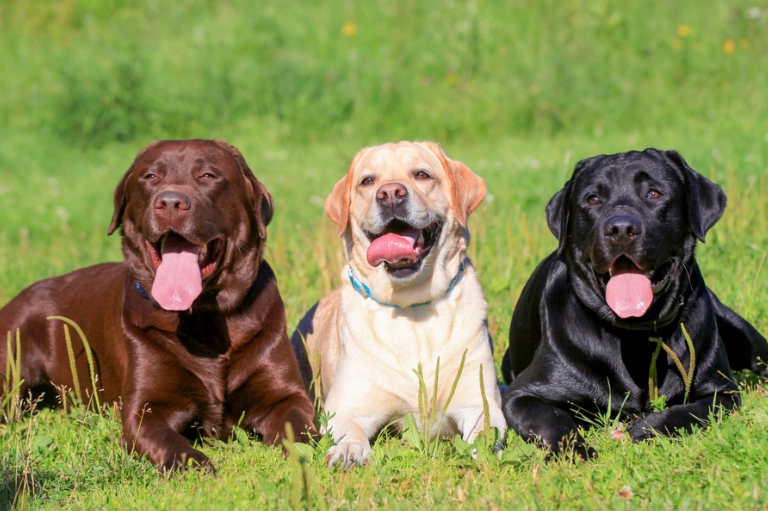
Keeping Your Lab Healthy: A Practical Plan
It's not just about avoiding disease. It's about promoting vitality. Feed a high-quality diet appropriate for their life stage. Puppy food for puppies, adult for adults, and senior for seniors. Discuss with your vet. Labs are prone to bloat (GDV), so avoid vigorous exercise right before and after meals.
Dental health is huge. Those big mouths need care. Get them used to tooth brushing early. Annual vet check-ups are a must, transitioning to twice-yearly for seniors. Vaccinations and parasite prevention (fleas, ticks, heartworm) are non-negotiable, especially if your dog lab dog loves the outdoors.
The Real Cost of a Dog Lab Dog
Let's talk money, because the purchase price is just the start. A well-bred Labrador Retriever puppy from a reputable breeder can cost $1,000 to $2,500+. Adoption fees from a rescue are typically $300-$600. But then the real expenses begin.
- Initial Setup: Crate, bed, bowls, leash, collar, toys, puppy-proofing supplies. Easily $300-$500.
- Ongoing Food: A quality kibble for a 70lb Lab can run $60-$80 per month.
- Preventative Care: Flea/tick/heartworm meds, annual check-ups, vaccines. Budget $500-$800 yearly.
- Training: Puppy classes are worth every penny. $100-$200 for a course.
- Unexpected Vet Bills: This is the big one. An emergency visit can cost thousands. Pet insurance is something I strongly recommend. Or have a dedicated savings fund of at least $2,000-$5,000.
- Grooming: You can do it yourself mostly, but factor in shampoo, brushes, nail clippers.
Over a lifetime, expect to spend $15,000 to $30,000+ on your dog. It's a long-term financial commitment. That happy "dog lab dog" face comes with a price tag.
Living With a Lab: The Daily Reality (Shedding, Space, Time)
Okay, let's get into the nitty-gritty of cohabitation. First, the elephant in the room: shedding. Labs shed. A lot. They have a dense, double coat that blows out heavily twice a year (spring and fall). But honestly, there's a steady drizzle of hair all year round. You will find hair in your food, your clothes, and places you didn't think hair could reach. A good robotic vacuum and a daily brushing ritual with an undercoat rake are your best friends.
Do they need a big house with a yard? A yard is fantastic, especially a fenced one. But it's not a substitute for walks. A Lab in a yard alone just becomes a bored Lab. They can adapt to apartment living if their exercise needs are met religiously. The key is mental and physical exhaustion. A tired Lab is a good Lab.
Time is your biggest investment. These are not low-maintenance dogs. They need your time for exercise, training, grooming, and just plain hanging out. Leaving a Lab alone for 10 hours a day, five days a week, is a recipe for behavioral problems and an unhappy dog. If your life is constantly on the go, a lower-energy or more independent breed might be a better fit.
Training Your Labrador Retriever: It's Not Optional
The good news? Labs are famously eager to please and food-motivated, making them one of the easiest breeds to train. The bad news? Their intelligence and energy mean if you don't train them, they will train themselves, and you won't like the results.
Start Early: Socialization is critical between 8 and 16 weeks. Expose your puppy to all sorts of people, dogs, sounds, and surfaces in a positive way. Puppy kindergarten classes are perfect for this.
Core Commands: Sit, Stay, Come, Down, Leave It. "Leave It" might be the most important one for a food-obsessed dog lab dog. Use positive reinforcement—treats, praise, play. Never harsh methods. It breaks their spirit.
Leash Manners: A full-grown Lab pulling on a leash is like walking a muscular, enthusiastic torpedo. Teach loose-leash walking from day one.
Recall (Come): This can save your dog's life. Practice in safe, enclosed areas with high-value rewards. Their natural tendency to stick close is helpful, but don't rely on it.
Consistency is everything. Everyone in the household must use the same commands and rules. And keep training sessions short and fun. Five minutes, several times a day, is better than one marathon session.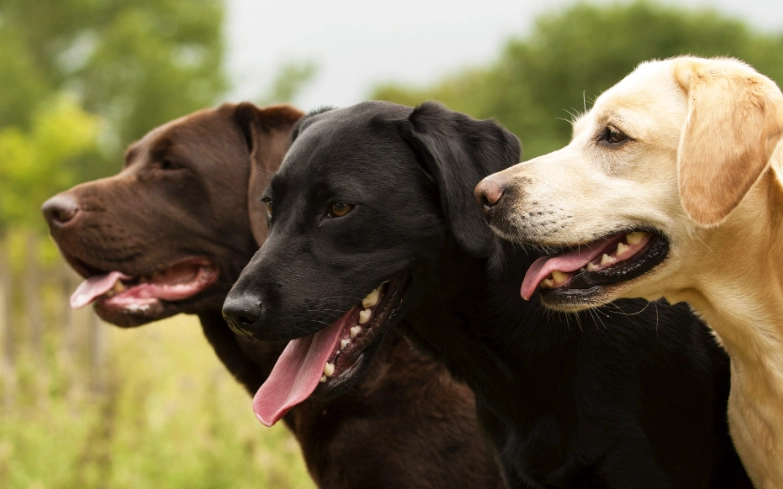
What if my Lab is stubborn or won't listen?
First, check if they're actually being stubborn or if they just don't understand the command. Go back to basics. Second, are you more interesting than the distraction? Use better treats (cheese, chicken). Third, ensure their needs are met—a dog that needs to pee or is bursting with energy won't focus. True stubbornness is rare; it's usually a training or communication issue.
Choosing Your Dog Lab Dog: Breeder vs. Rescue
This is a major decision. Going through a reputable breeder gives you the best chance at knowing the health history, getting a puppy with a predictable temperament, and having breeder support for life. A good breeder will:
- Ask you as many questions as you ask them.
- Show you health clearances for both parents (OFA hips/elbows, eye certs, EIC test).
- Raise puppies in their home, not in a kennel or shed.
- Have a contract that includes a health guarantee and requires you to return the dog to them if you can't keep it.
- Be a member of the The Labrador Club or a local affiliate.
Adoption from a rescue or shelter is a wonderful option. You're giving a dog a second chance. Lab-specific rescues are common. You might get an adult dog whose personality is already known, bypassing the puppy chaos. The downsides can be less knowledge about full health history and potential unknown behavioral baggage that needs patience and training.
I've done both. My first was from a breeder, my second was a rescue. Both experiences were rewarding in different ways. The rescue dog, Luna, had some anxiety issues we had to work through, but seeing her blossom was incredibly special.
Common "Dog Lab Dog" Questions Answered
Are Labrador Retrievers aggressive?
Aggression is not a breed trait. However, any dog can become fearful or defensive if poorly bred, poorly socialized, abused, or trained with harsh methods. A well-bred, well-raised Lab is one of the least aggressive breeds.
How much exercise does a Lab really need?
An adult Lab needs a minimum of 1 hour of dedicated, heart-pumping exercise every single day. Puppies and young adults need more, split into multiple sessions to protect their joints. This is on top of potty breaks and backyard time. A walk is not enough. Think running, hiking, fetch, swimming, dog sports.
Are Labs good for first-time dog owners?
Yes and no. Their trainability and friendly nature are a plus. But their high energy, strength, and need for consistent training and exercise can overwhelm an unprepared first-timer. If you're a first-time owner committed to being active and investing in training classes, you can succeed. If you're looking for an "easy" dog, maybe start with a lower-energy breed.
What's the difference between male and female Labs?
This is more about individual personality than gender. Some say males are goofier and more clingy, females more independent and focused. But I've seen goofy females and focused males. Size difference is minimal. Spaying/neutering has a much bigger impact on behavior than gender itself.
Can Labs be left alone?
They can be taught to be alone for reasonable periods (4-6 hours for an adult), but they are social dogs. Leaving them alone for 8+ hours daily is unfair and will likely lead to anxiety or destructive behavior. Dog walkers, daycare, or a work-from-home schedule are often necessary.
Final Thoughts: Is the "Dog Lab Dog" For You?
So, after all this, should you get a Labrador Retriever? If you want a dog that will match your active lifestyle, make you laugh every day, and offer unwavering loyalty, then this could be your perfect match. The bond with a Lab is something special. They live to be with you, to work for you, to love you.
But you have to be honest with yourself. Can you handle the hair? The constant need for activity? The teenage phase where they forget all their training? The potential for vet bills? The food obsession that requires iron willpower?
Getting a dog, especially a high-profile one like the "dog lab dog," isn't about fulfilling an image. It's about welcoming a living being with its own needs and quirks into your home for a decade or more. Do your homework. Meet some Labs in person. Talk to owners, breeders, and rescues.
If you're ready for the commitment, a Labrador Retriever will fill your life with more wet kisses, muddy paws, and joyful moments than you can possibly imagine. Just maybe hide your couch cushions first.
Related Articles