Portuguese Water Dog Guide: Traits, Care & Is This Breed Right For You?
So you're curious about the Portuguese Water Dog. Maybe you saw one at the park, that curly mop of hair bouncing with energy, or you remember the Obama family's famous pets, Bo and Sunny. Let's be real, that's how a lot of people first hear about them. But there's so much more to this breed than White House fame. I've spent years around dogs, and I remember the first time I met a proper Portuguese Water Dog—it wasn't at a show, it was helping a fisherman's family in a coastal town, and the intelligence in its eyes was something else. That's the dog we're talking about today, not just a celebrity accessory. This guide is for anyone seriously considering one of these amazing animals. We're going to dig deep, past the fluffy exterior, and talk about what life is *really* like with a PWD (that's the common abbreviation). We'll cover the good, the challenging, and the downright messy parts of owning one. Are they the right fit for your busy life? Your small apartment? Your allergy-prone family? Let's find out. To understand the Portuguese Water Dog breed, you have to start with their job. This isn't a breed created for looks on a show bench. For centuries, they were essential crew members on fishing boats off the coast of Portugal. Their job description was incredibly varied: This working background explains everything about their personality and build. They needed to be robust, water-resistant (that curly or wavy coat isn't just for show), incredibly intelligent to follow complex commands, and fiercely loyal to their "crew"—which, in a modern home, becomes your family. By the mid-20th century, technology nearly made these canine sailors obsolete. The breed dwindled to near extinction. It was saved by a handful of dedicated fanciers, most notably a Portuguese shipping magnate named Vasco Bensaude. The modern revival of the Portuguese Water Dog is a testament to careful breeding and a passion for preserving a unique piece of canine history. The official breed standard, which you can explore in detail on the Portuguese Water Dog Club of America's website, meticulously preserves these working traits. Let's break down the physical and temperamental blueprint of a Portuguese Water Dog. Think of this as the "spec sheet" for this particular model of dog. This is the breed's signature feature and its biggest maintenance point. There are two accepted coat types, and your grooming life will be slightly different depending on which your dog has. Here’s the crucial thing: both coats are single-coated and hypoallergenic. That's the magic word for many people. They shed minimally because the loose hair gets caught in the surrounding curls or waves instead of falling on your sofa. It doesn't mean they are maintenance-free—far from it—but it does mean less vacuuming and fewer sniffles for allergy sufferers. The coat colors are solid: black, white, or various shades of brown, or black or brown with white markings. If you want a couch potato, close this tab now. The Portuguese Water Dog temperament is best described as enthusiastically intelligent. They are problem-solvers. They get bored easily. They need a job. This is the double-edged sword of the breed. On one hand, their trainability is off the charts. They excel in obedience, agility, dock diving, therapy work—you name it. They want to please and they pick up on cues with scary speed. On the other hand, an under-stimulated PWD is a demolition crew in a furry suit. They will find their own "jobs," like rearranging your garden, "herding" your children, or conducting a detailed inventory of your trash can contents. Okay, so the history is cool and the specs sound good. But what's it actually like? Let's get practical. This is non-negotiable. A Portuguese Water Dog needs vigorous exercise every single day. We're talking 60-90 minutes minimum. This isn't a leisurely stroll. This is running, hiking, swimming, fetch until your arm falls off, or structured dog sports. They are athletic powerhouses. That swimming heritage means most PWDs are water magnets. A pool, a lake, a hose—they'll find it and they'll be in it. This is a fantastic way to exercise them, as it's easy on their joints. Just be prepared for a wet, sandy dog on a regular basis. Here's the trade-off for low shedding. That gorgeous coat mats. It mats terribly if you neglect it. You cannot get a Portuguese Water Dog and think you'll just brush it once a week. You'll be dealing with a solid felted mess. The grooming is a significant time and financial commitment. It's one of the top reasons people end up rehoming dogs of breeds like this—they just weren't prepared for the upkeep. Their intelligence is a gift, but it requires direction. Portuguese Water Dog puppies are sponges. Enroll in puppy kindergarten early. Socialize them relentlessly with people, dogs, sounds, and surfaces. Because they are so clever, they can also be stubborn. Use positive reinforcement—treats, praise, play. They respond terribly to harsh methods; they'll just shut down or get sneaky. Their strong retrieval drive means they often love fetch and can be prone to chewing. Provide a mountain of appropriate, durable chew toys from day one. Otherwise, your furniture becomes the toy. Responsible breeders have made great strides in health testing. The average Portuguese Water Dog life expectancy is 11-13 years. However, like all purebred dogs, they are predisposed to certain conditions. Any good breeder will be able to show you health clearances for the puppy's parents from the Orthopedic Foundation for Animals (OFA) or similar organizations. You can find detailed information on recommended health tests on the OFA's breed-specific page for Portuguese Water Dogs. This is the kind of due diligence that separates hobby breeders from responsible preservationists. Let's be direct. This breed isn't for everyone. To see if you're a match, ask yourself these questions. You might be a great fit if you... You should probably look at other breeds if you... They can do okay in apartments, but only if their exercise needs are met exhaustively elsewhere. A house with a yard is ideal, but the yard alone is not enough—they'll just pace the fence. They are fantastic with considerate children and other pets if raised with them, but their exuberance can knock over a toddler. This is the most important decision you'll make. A good breeder's goal is to improve the breed, not just sell puppies. They will: Start with the Portuguese Water Dog Club of America's breeder referral list. Be prepared to wait. A well-bred puppy from health-tested lines is worth the patience and higher initial cost. Adult Portuguese Water Dogs do sometimes need new homes. Life circumstances change. The PWDCA has a national rescue network. Adopting an adult can be wonderful—you often skip the puppy chaos and know exactly what you're getting in terms of personality and energy level. It's a deeply rewarding path. The Portuguese Water Dog is a spectacular breed for the right person or family. They are hilarious, loving, smart, and endlessly entertaining. They will make you laugh every day with their antics and amaze you with their capabilities. Owning one is an active partnership. But they are also a significant responsibility. The grooming, the exercise demands, the need for mental engagement—it's a lot. It's why I always tell people to look past the cute, curly face and really envision their daily life with this whirlwind of energy and affection. If your life can accommodate a bright, energetic, water-loving shadow who will demand your time and return it with unwavering loyalty, then a Portuguese Water Dog might just be your perfect canine soulmate. Do your homework, find a responsible source, and buckle up for an incredible adventure. It's not always easy, but for those who are matched well with the breed, it's absolutely worth it.Explore the Guide

From Fishing Boats to Family Homes: A History That's No Fish Tale

Portuguese Water Dog 101: The Core Specifications
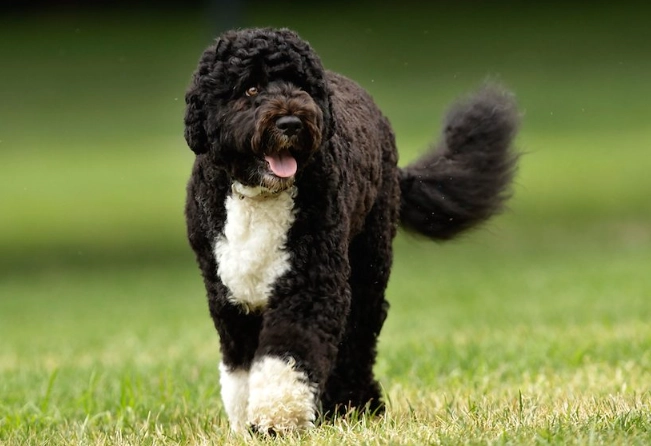
The Famous Coat: Curly vs. Wavy

The Personality: A Brain with a Motor
Living With a Portuguese Water Dog: The Realistic Day-to-Day
Exercise Needs: Not for the Faint of Heart
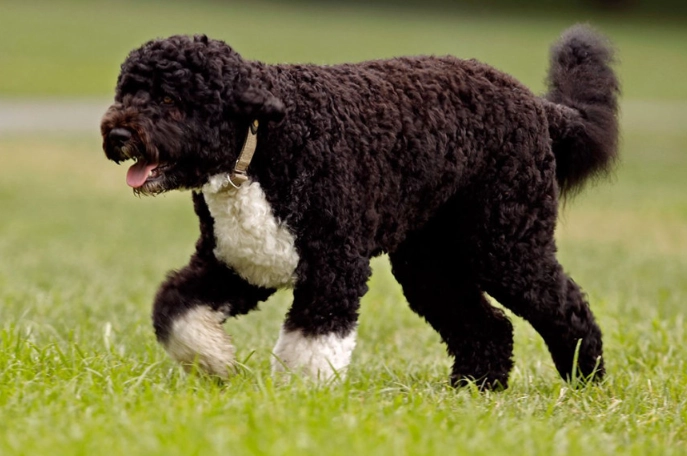
Grooming: The Price of the Hypoallergenic Coat
Training and Socialization: Start Early, Never Stop
Health and Lifespan: What to Watch For
Health Concern
Description
Prevention/Screening
Hip Dysplasia
A malformation of the hip joint that can lead to arthritis and pain.
OFA or PennHIP screening of breeding parents. Maintain a healthy weight.
Progressive Retinal Atrophy (PRA)
A group of diseases causing gradual retinal degeneration and blindness.
Genetic DNA test available. Reputable breeders test all breeding stock.
GM1 Gangliosidosis
A fatal neurological storage disease. Thankfully, this is now very rare due to testing.
Mandatory DNA test for breeding dogs. Always ask a breeder for proof.
Addison's Disease
An endocrine disorder where the adrenal glands don't produce enough hormones.
No simple screening test. Be aware of symptoms like lethargy, vomiting, and weight loss.
Is a Portuguese Water Dog the Right Breed For You? A Brutally Honest Checklist
Finding Your Portuguese Water Dog: Breeder vs. Rescue
Choosing a Responsible Breeder
Considering Rescue
Your Portuguese Water Dog Questions, Answered
The Final Word