Sweet Potatoes for Dogs: Benefits, Risks & Feeding Guide
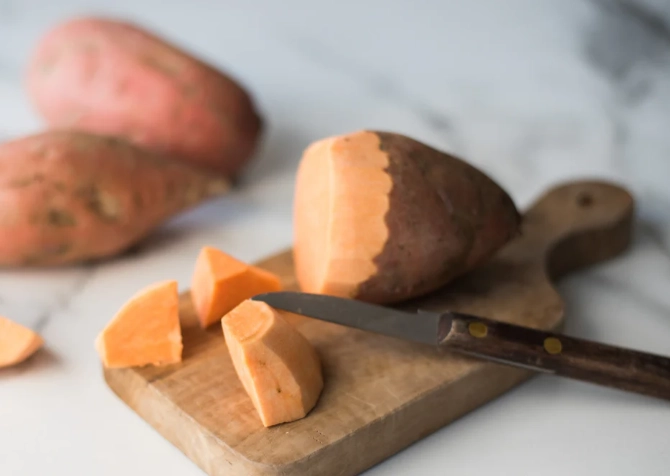
You're probably here because you were chopping up a sweet potato for dinner, and those big, hopeful eyes locked onto you. Or maybe you spotted "sweet potato" listed as a main ingredient in that fancy bag of dog food you just bought. It's a fair question to ask: is sweet potato good for dogs? The short, simple answer is a solid yes, but—and this is a big but—it's not a simple free-for-all. It's kind of like how dark chocolate is amazing for humans but a complete no-go for our pups. Context and details matter, a lot. I've been through this myself. My own dog, a Labrador with a stomach of iron and an appetite to match, once helped himself to an entire baked sweet potato I left cooling on the counter. The aftermath wasn't pretty, let me tell you. Gas that could clear a room and a few messy trips to the yard taught me a quick lesson about portion control. So, let's talk about this beyond just a yes or no. We'll get into the why, the how much, the how to prepare it, and the times when you should absolutely think twice. Bottom Line Up Front: Plain, cooked sweet potato, given in moderation, is a fantastic and healthy addition to most dogs' diets. It's packed with good stuff. But it's a supplement or a treat, not a meal replacement. Always introduce new foods slowly. First off, let's see what makes this orange tuber so special. It's not just empty calories. When we ask "is sweet potato good for dogs," we're really asking about its nutritional profile. And it's pretty impressive. This is the big one. Sweet potatoes are loaded with dietary fiber. For dogs with occasional loose stools or constipation, a spoonful of plain, mashed sweet potato can work wonders. It's a gentle, natural regulator. I've used it to help firm up my dog's stool when he's gotten into something he shouldn't have. The fiber acts like a broom for the gut, helping everything move along smoothly. It also helps your dog feel fuller, which can be a great tool for weight management. Just don't overdo it, or you'll have the opposite problem (trust me). Look at this stuff. Sweet potatoes are rich in Vitamin A (from beta-carotene, which gives them their color), which is crucial for good vision, a healthy immune system, and proper cell function. They also have a good amount of Vitamin C, an antioxidant, and Vitamin B6 for brain and nervous system health. On the mineral front, they offer manganese, potassium, and even a bit of calcium and iron. It's like a natural multivitamin in food form. Here's a quick breakdown of the key nutrients and what they do for your pup: For dogs with sensitive stomachs or those on a low-fat diet (maybe due to pancreatitis), plain cooked sweet potato is often a safe, bland option. It's low in fat and, when cooked until soft, is gentle on the GI tract. Many veterinarians recommend a mix of boiled chicken and plain sweet potato or pumpkin for dogs recovering from a stomach bug. It's that trusted. So, the benefits are clear. But here's where many blogs stop. The real-world application is trickier. Ignoring this part is how people get into trouble. Thinking "is sweet potato good for dogs" means "unlimited sweet potato for dogs" is a recipe for a vet visit. Let's be real about the downsides. Warning: This is not medical advice. Always consult your veterinarian before making significant changes to your dog's diet, especially if they have existing health conditions. Let's not sugarcoat it—sweet potatoes are starchy and contain natural sugars. For a diabetic dog, this can be a serious issue, spiking blood sugar levels. Even for non-diabetic dogs, feeding too much can lead to unnecessary weight gain and obesity. The Association for Pet Obesity Prevention consistently reports that over 50% of dogs are overweight or obese, which leads to a host of other health problems. Sweet potatoes are a healthy carb, but they're still a carb. Treat them as such. While Vitamin A is essential, it's a fat-soluble vitamin. Unlike water-soluble vitamins (like B and C) that your dog pees out if there's too much, fat-soluble vitamins are stored in the liver. In extreme, chronic over-supplementation, this can lead to toxicity (hypervitaminosis A). You'd have to feed a ridiculous amount daily to hit this point, but it's a reminder that more is not better. Stick to the recommended treat allowance: treats should make up no more than 10% of your dog's daily caloric intake. This one is critical. Never, ever give your dog a raw, hard sweet potato chunk. It's a major choking hazard and can cause a serious intestinal blockage if swallowed. I've heard horror stories. Always cook it until it's soft enough to easily mash with a fork. Also, be mindful of the skin. While it's edible and has nutrients, it can be tough and harder to digest for some dogs. I usually peel it to be on the safe side, especially for smaller dogs or those with less robust digestion. Some pet food companies market sweet potato-based diets as "hypoallergenic." While sweet potato is a novel carbohydrate source for many dogs (meaning they haven't been exposed to it much, reducing the chance of an existing allergy), dogs can absolutely be allergic or intolerant to anything, including sweet potatoes. Signs include itching, skin rashes, ear infections, or gastrointestinal upset. If you introduce it and see these signs, stop and talk to your vet. Seriously, moderation is everything. Okay, so you're convinced of the benefits and aware of the risks. Now, how do you actually do this? Getting the answer to "is sweet potato good for dogs" is pointless without the "how." Raw sweet potato is a firm no. It's hard to digest and risky. You must cook it. The best methods are: Avoid all seasonings. No salt, no butter, no brown sugar, no marshmallows (obviously). Those are for your Thanksgiving casserole, not your dog's bowl. Plain is perfect. This is the question I get most. There's no one-size-fits-all answer, as it depends on your dog's size, age, and activity level. But here's a solid, conservative guideline to start with. Remember, this is part of that 10% daily treat allowance. Start with an even smaller amount to see how your dog's stomach handles it. My rule of thumb? If it's their first time, give them a lick or a tiny piece and wait 24 hours to check for any adverse reaction. Pro Tip: Mash it and mix it into their regular kibble. It can make dry food more appealing for picky eaters or older dogs with less appetite. You can also freeze little blobs of mashed sweet potato for a cool summer treat. If you want to get a bit more creative, making your own treats is a great way to know exactly what's going into your dog's snacks. Here are two foolproof recipes my dog goes nuts for. These are cheaper and healthier than many store-bought rawhides or chews. Perfect for senior dogs or those needing a digestive boost. I've gotten a ton of specific questions over the years. Here are the most common ones. See? The question "is sweet potato good for dogs" opens up a whole world of smaller, more practical questions. So, after all this, where do we land on the core question: is sweet potato good for dogs? The evidence-based, practical answer is a qualified yes. It's a nutritious, fiber-rich, vitamin-packed vegetable that can be a wonderful occasional treat or dietary supplement for the vast majority of dogs. It can aid digestion, provide valuable nutrients, and serve as a low-fat training reward or food topper. But the golden rules are non-negotiable: At the end of the day, sharing healthy human foods with our dogs is one of the joys of pet ownership. Seeing my dog's tail wag for a piece of baked sweet potato is a small happiness. Just do it with your eyes open and a measuring spoon in hand. Your dog's health and happiness are worth that extra bit of care. Now, go enjoy that sweet potato—and maybe share a sensible bite with your best furry friend.Quick Guide to This Article
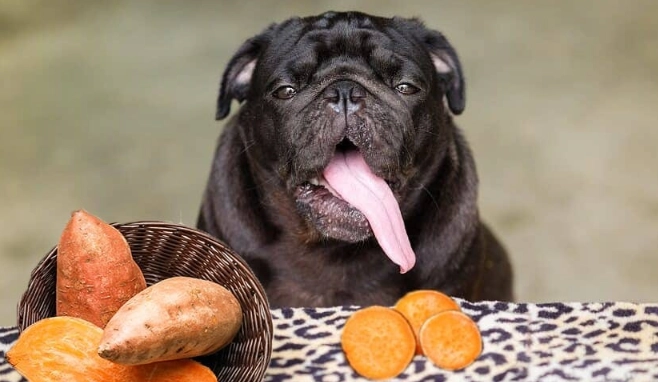
Why All the Hype? The Real Health Benefits of Sweet Potato for Dogs
The Fiber Champion
A Vitamin and Mineral Powerhouse
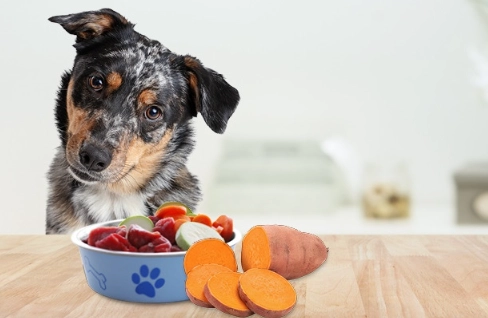
Nutrient Benefit for Your Dog Dietary Fiber Promotes digestive health, regulates bowel movements, aids in weight management. Beta-Carotene (Vitamin A) Supports healthy vision, skin, coat, and immune function. Vitamin C Acts as an antioxidant, supporting immune health and reducing inflammation. Vitamin B6 Essential for brain development and function, hormone regulation, and energy production. Manganese Supports bone health, metabolism, and cartilage formation. Potassium Helps maintain proper muscle and nerve function, and fluid balance. Low Fat and Generally Easy to Digest
The Other Side of the Coin: Potential Risks and When to Be Cautious

High Sugar and Carbohydrate Content
The Vitamin A Overload Possibility
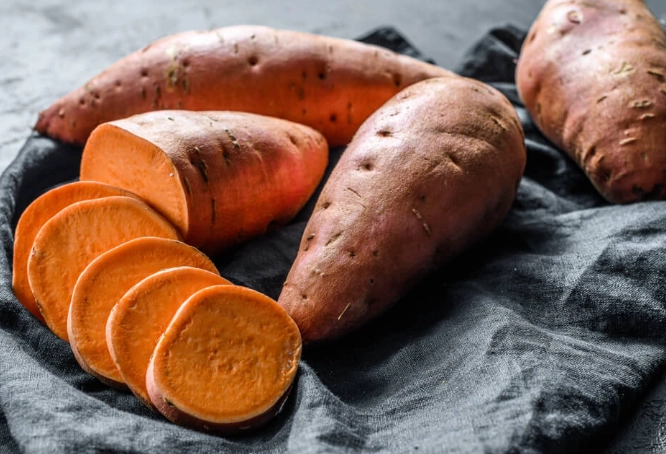
Choking and Intestinal Blockage Hazard
Not a Magic Bullet for Allergies
Your Step-by-Step Guide: How to Safely Feed Sweet Potato to Your Dog
Preparation is Key: Cook It!
How Much is Just Right? The Portion Control Chart
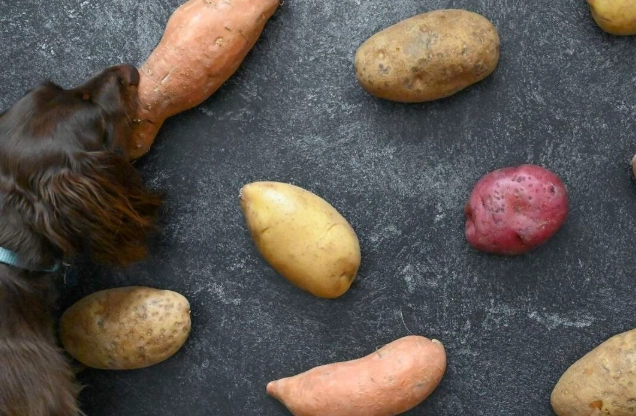
Dog Size Example Breed Recommended Serving (Cooked & Plain) Frequency Small (under 20 lbs) Chihuahua, Pomeranian 1-2 teaspoons A few times a week Medium (21-50 lbs) Beagle, Cocker Spaniel 1-2 tablespoons A few times a week Large (51-90 lbs) Labrador, German Shepherd 2-3 tablespoons A few times a week Giant (91+ lbs) Great Dane, Mastiff 1/4 cup max A few times a week Beyond the Spoon: Fun Homemade Sweet Potato Dog Treat Recipes
Simple Dehydrated Sweet Potato Chews
Sweet Potato & Pumpkin Dog Food Topper
Answering Your Burning Questions (The FAQ Section)
Wrapping It Up: The Final Verdict