I remember the first time I really got what a hound was. I was a kid, and my neighbor had this droopy-eared, soulful-eyed dog named Copper. He was a Coonhound mix, and his nose was practically glued to the ground. You couldn't call him if he was on a scent. It was like the rest of the world just… vanished. That's the hound obsession in a nutshell. They're not like other dogs. They have a singular, ancient purpose wired into their brains, and it makes them some of the most fascinating—and frustrating!—companions out there.
So, you're curious about the different types of hounds? Maybe you're thinking of adding one to your family, or you just want to understand the Beagle that bays at the mailman or the Greyhound that sleeps 20 hours a day. You've come to the right place. This isn't just a dry list of breeds. We're going to dig into what makes a hound a hound, how their instincts shape their personality, and what it's really like to live with one. Because trust me, knowing the difference between a scent hound and a sighthound can save you a lot of headaches (and lost cats).
The Core of a Hound: Before we dive into breeds, let's define the term. "Hound" isn't just a fancy word for dog. It's a functional category for dogs bred primarily for hunting, using either their incredible sense of smell (scent hounds) or their blistering speed and sharp eyesight (sighthounds). This original job is the key to understanding everything about them: their energy, their independence, their vocalizations, and their quirks.
The Two Major Categories: Nose Dogs vs. Eye Dogs
All hounds fall into one of two camps, based on their primary hunting method. Getting this distinction straight is the first and most crucial step.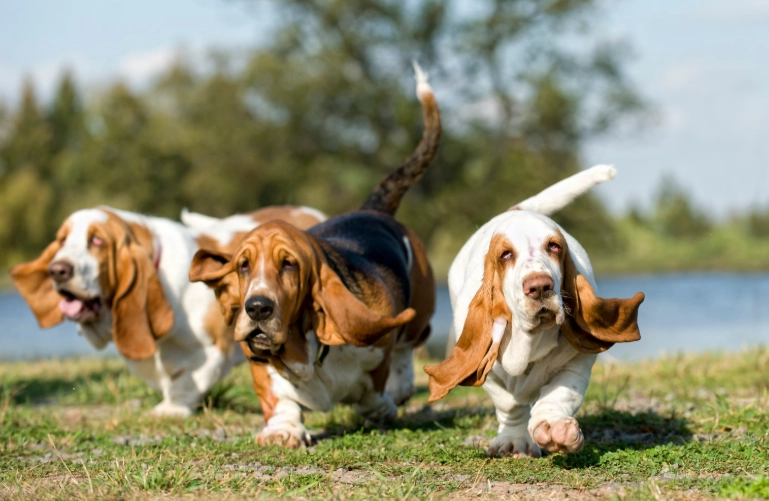
Scent Hounds: The Nose on Legs
These guys live in a world of smell. Their noses contain up to 300 million scent receptors (humans have about 6 million), and their long ears and loose lips help trap and waft scents toward their nose. They work methodically, head down, following a trail that could be hours or even days old. Independence and persistence are their trademarks. When they're on a scent, they are working, and your calls become background noise. This is why recall training with scent hounds is… an adventure.
Common traits of scent hounds include:
- Vocal: They bay, howl, and bawl to communicate with their human hunting partners over long distances. A quiet Beagle is a rare Beagle.
- Stubborn: That single-minded focus on a scent can translate to stubbornness in training. Food motivation is your best friend here.
- Generally friendly: Bred to work in packs, most are sociable with other dogs and people.
Let's be honest, that's a dealbreaker for some. If you need a dog that comes the first time you call, every time, a strong-willed scent hound might drive you up the wall. I've seen a Bloodhound owner literally sit down and wait for 20 minutes while his dog finished investigating a particularly interesting bush.
Sighthounds: The Furry Missiles
Sighthounds are the athletes of the dog world. Built for explosive speed over short to medium distances, they hunt by sight, spotting movement from far away and then chasing it down with an elegant, silent intensity. Think Greyhounds, Whippets, Salukis. They are the ultimate sprinters. But here's the thing everyone gets wrong: they are not high-energy dogs. They are massive couch potatoes. They have short, intense bursts of exercise needs followed by long, long periods of profound laziness.
Common traits of sighthounds include:
- Quiet: They rarely bark. Why bark when you can just outrun the problem?
- Aloof but affectionate: They can be reserved with strangers but deeply attached and gentle with their family. They're often described as "cat-like."
- High prey drive: This is the big one. Anything small and furry that runs can trigger a chase instinct that is almost impossible to recall. Secure fencing is non-negotiable.
"Living with a sighthound is like having a graceful, minimalist piece of art that occasionally turns into a blur."
The contrast between these two types of hounds is night and day. Choosing between them isn't just about looks; it's about choosing a lifestyle.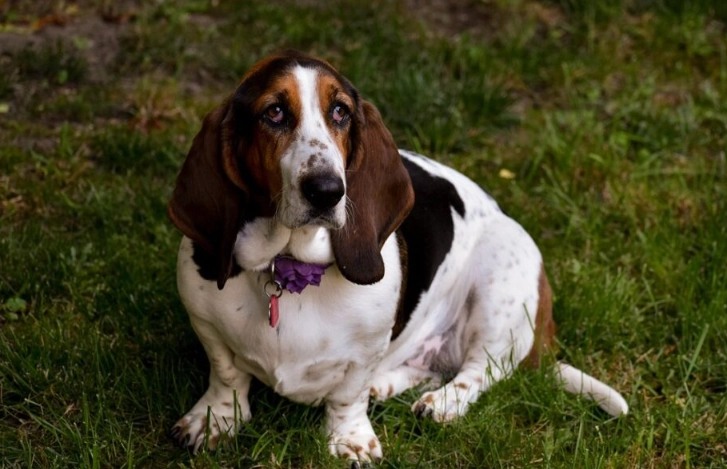
| Feature |
Scent Hounds (e.g., Beagle, Basset) |
Sighthounds (e.g., Greyhound, Afghan) |
| Primary Sense |
Smell (Olfaction) |
Sight (Vision) |
| Hunting Style |
Methodical tracking, can follow old trails |
Explosive sprint, "see and chase" |
| Energy Level |
Steady, endurance-based |
Extreme bursts, then couch potato |
| Vocalization |
Very vocal (baying, howling) |
Generally quiet |
| Trainability |
Independent, can be stubborn |
Sensitive, but prey drive overrides commands |
| Typical Demeanor |
Friendly, pack-oriented |
Reserved, gentle, aloof with strangers |
| Biggest Challenge |
Reliable recall off-leash |
Managing prey drive & secure containment |
Breaking Down the Hound Groups (The Official Classifications)
Kennel clubs like the American Kennel Club (AKC) and the Fédération Cynologique Internationale (FCI) organize breeds into groups. The AKC's Hound Group is a fascinating mix of both scent and sight types. Let's look at the major players within it. This is where understanding the specific types of hounds gets really practical.
The AKC Hound Group: A Closer Look at Popular Breeds
The American Kennel Club is a great reference point for breed standards and history. Their Hound Group page lists 32 breeds, but we'll focus on some of the most common and representative ones. You can always explore the full list on the official AKC Hound Group page for more obscure breeds.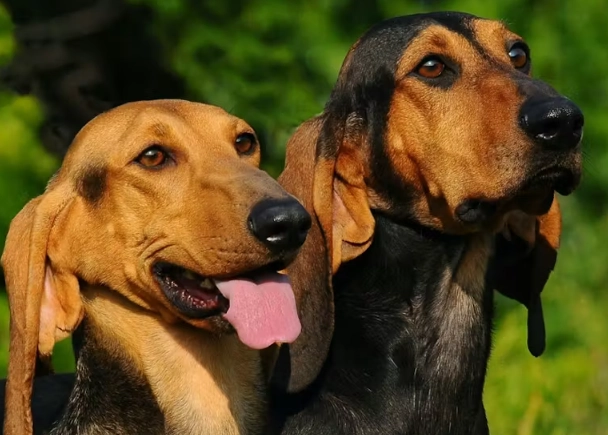
Here’s a snapshot of some iconic hounds and what they’re really like:
| Breed |
Type |
Key Trait |
Best For... |
| Beagle |
Scent Hound |
Friendly, vocal, food-obsessed |
Active families, those who don't mind noise. |
| Dachshund |
Scent Hound (originally) |
Bold, stubborn, surprisingly brave |
Owners with patience for independent thinkers. |
| Greyhound |
Sighthound |
Calm, gentle, low-maintenance exercise |
Apartment dwellers, retirees, first-time owners (via rescues). |
| Bloodhound |
Scent Hound |
The ultimate tracking nose, drooly, gentle giant |
Those with space, tolerance for slobber, and a love for uniqueness. |
| Afghan Hound |
Sighthound |
Aloof, dignified, high grooming needs |
Experience owners who appreciate a regal, independent companion. |
| Basset Hound |
Scent Hound |
Laid-back, mournful expression, stubborn |
Relaxed homes, not for heavy jogging partners. |
| Whippet |
Sighthound |
Affectionate, quiet, sensitive to cold |
Families, city living (with safe running areas). |
| Rhodesian Ridgeback |
Sighthound (originally lion hunting!) |
Powerful, loyal, protective, needs strong leadership |
Active, confident owners who can provide firm, consistent training. |
See how different they are? A Greyhound and a Beagle are both in the Hound Group, but they might as well be from different planets. The FCI, the world canine organization, actually splits them up more logically. They have a "Scenthounds" group (Group 6) and a separate "Sighthounds" group (Group 10). You can check out their breed standards on the FCI website. I find their categorization makes a bit more sense when you're trying to understand behavior.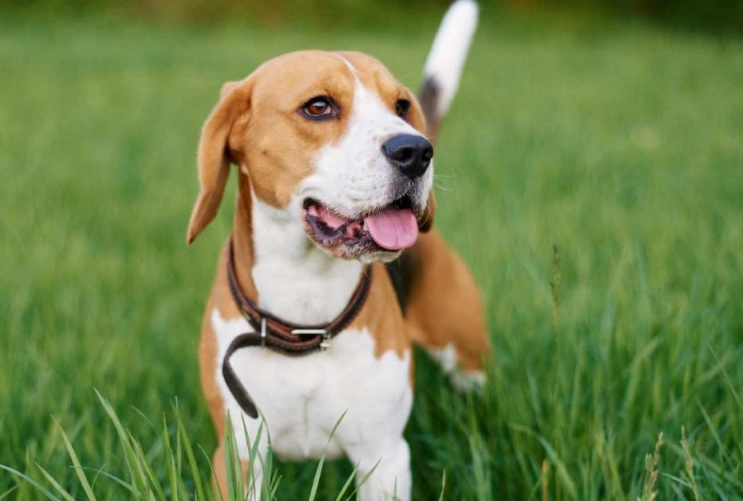
Lesser-Known but Fascinating Types of Hounds
Beyond the popular names, the hound world has some incredible characters. The Ibizan Hound, with its huge ears and rabbit-like jumps, is an ancient sighthound that's both playful and elegant. The Norwegian Elkhound is a rugged, cold-weather scent hound that barks to hold large game at bay—tough and spirited. Then there's the Otterhound, a rare, shaggy scent hound with webbed feet, bred for a job that doesn't really exist anymore. These breeds remind you that hounds were tools, shaped perfectly for very specific tasks and terrains.
A Quick Reality Check: Many of these less common hounds are not for novice owners. Their specialized instincts and energy needs are intense. An Otterhound, for instance, isn't just a big shaggy dog—it's a strong, independent thinker bred to work all day in water. Do your homework beyond the cute pictures.
How to Choose the Right Hound for You (The Real Questions)
So, you're smitten. Maybe it's the soulful eyes of a Basset or the sleek lines of a Saluki. But before you fall head over heels, ask yourself these brutally honest questions. Your answers will steer you toward the right type of hound—or maybe away from hounds altogether.
- Your Lifestyle: Are you an avid jogger or a weekend couch surfer? A high-energy coonhound will need a job or very long walks, while a retired racing Greyhound is famously lazy.
- Your Home: Do you have a securely fenced yard? For sighthounds, the fence needs to be tall (often 6 feet) because they can jump. For scent hounds, it needs to be dig-proof and escape-proof because they will follow a smell under or through a weak spot.
- Your Tolerance for Noise: Can you handle baying? Not just barking, but deep, mournful, carrying bays? Talk to your neighbors in your mind. If you live in an apartment, a sighthound is a much quieter bet.
- Your Training Patience: Are you prepared for a dog that might look at you, consider your command, and then decide to follow a squirrel instead? Positive reinforcement and high-value treats are mandatory.
- Other Pets: Do you have a cat, rabbit, or small dog? With most hounds, this is a major red flag due to prey drive. There are exceptions (many Greyhounds live peacefully with small dogs they were raised with, and some breeds are better than others), but it requires careful management and testing.
My friend learned this the hard way. She got a beautiful Foxhound mix, not fully grasping the prey drive. Let's just say her peaceful multi-cat household became… significantly less peaceful. It was a stressful situation for everyone, the dog included.
The perfect hound isn't the prettiest one; it's the one whose instincts and needs align with your life.
Caring for Your Hound: Beyond the Basics
Owning one of these types of hounds comes with some specific care considerations. Their unique builds and instincts mean generic dog advice doesn't always cut it.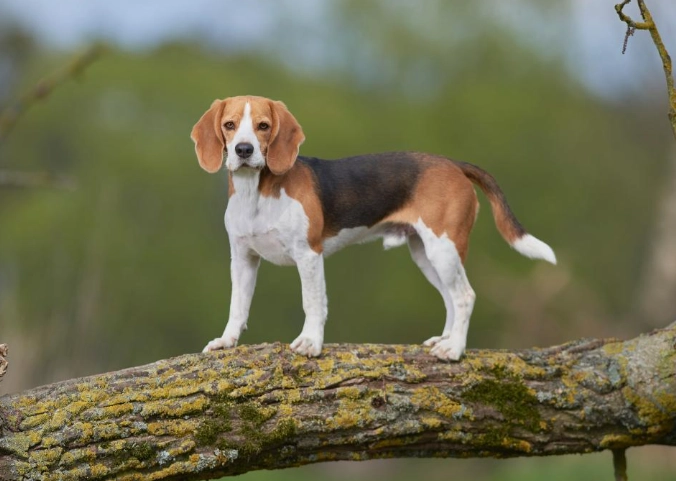
Exercise & Mental Stimulation
This is the big one. A bored hound is a destructive hound. But "exercise" means different things.
- For Scent Hounds: Walks are not just for physical exercise; they are mental marathons. Let them sniff! A 30-minute "sniffari" where they lead the way is more tiring than an hour of forced marching. Nose work games (hiding treats) are fantastic.
- For Sighthounds: They need a safe, enclosed area to sprint a few times a week. A fenced dog park (when empty) or a secure field. The rest of the time, short walks and lots of couch time suffice. Never, ever exercise a sighthound right after a meal due to risk of bloat.
Training Tips (From Someone Who's Been Pulled by a Hound)
Forget dominance. Think partnership and motivation.
- Recall is a Lifelong Project: Start in a boring, enclosed area. Use the best treats (cheese, chicken). Never punish them for coming back, even if it took 10 minutes. For scent hounds, a long-line leash is your safety net for years.
- Leash Manners: Scent hounds pull toward smells. Sighthounds can have a lightning-fast chase reflex. A well-fitted harness (like a front-clip for pullers) is a must. I made the mistake of using a flat collar on a young hound mix once—my shoulder still aches thinking about it.
- Channel Their Instincts: Look into activities like Barn Hunt for scent hounds or lure coursing for sighthounds. Giving them a legal outlet for their drives makes them happier and easier to live with.
Health Considerations Common to Many Hounds
Due to their specialized builds, some health issues pop up more often. Deep-chested breeds like Greyhounds and Great Danes (yes, Danes are in the Working Group, but it's a similar build) are prone to bloat (GDV), a life-threatening stomach condition. Resources like the Veterinary Partner site have great, vet-authored articles on recognizing bloat. Dachshunds and Basset Hounds, with their long backs, are at high risk for intervertebral disc disease (IVDD). Keeping them at a healthy weight and preventing them from jumping on/off furniture is crucial. Always talk to a vet and a reputable breeder about breed-specific health screenings.
Are hounds good family dogs?
Many are! Beagles, Basset Hounds, and Whippets are often great with kids due to their generally friendly and tolerant natures. However, their size (a large, clumsy hound puppy) and energy need to be matched with the family's activity level. Always supervise interactions with young children.
Which hound sheds the least?
Most hounds have short, easy-care coats but they do shed. For minimal shedding, look at the Basenji (a unique scent hound that doesn't bark but yodels!) and some of the wire-haired breeds like the Dachshund or the Irish Wolfhound, though their coats need stripping. No dog is truly non-shedding.
Can hounds live in apartments?
Yes, but choose carefully. A quiet, low-energy sighthound like a Greyhound or Whippet can be a perfect apartment dog as long as they get their sprint breaks. A vocal, high-energy coonhound in a small apartment is a recipe for noise complaints and a frustrated dog.
Are hounds easy to train?
I'll be blunt: they are often not. "Easy to train" usually means biddable and eager to please, like a Golden Retriever. Most hounds are independent problem-solvers. They can learn commands quickly, but whether they choose to obey when something more interesting is around is another story. It requires consistency, creativity, and a good sense of humor.
What's the difference between a hound and a terrier?
Great question! Both were bred for hunting, but their methods are opposite. Hounds (especially scent hounds) find and track game, often baying to signal the hunter. Terriers were bred to "go to ground"—to dig into burrows and confront and kill small prey (rats, foxes). This makes terriers feisty, tenacious, and often more scrappy than the pack-oriented hound.
At the end of the day, sharing your life with one of these types of hounds is a unique commitment. You're not just getting a pet; you're inviting a centuries-old hunting partner into your modern home. There will be moments of frustration when the nose or the chase instinct takes over. But there will also be moments of incredible connection with a creature of pure instinct and gentle companionship.
Do your research. Meet the breeds. Talk to owners and rescue groups (hound-specific rescues are full of wonderful dogs who just didn't fit their first home's lifestyle). If your life and personality mesh with theirs, a hound will give you a loyalty and a quirky, unforgettable personality that's unlike any other dog on earth. Just maybe keep your cat in a separate room at first.