Parvo Symptoms in Dogs: A Complete Guide to Spotting and Understanding
Let's talk about something no dog owner wants to think about: parvo. Canine parvovirus. Just the name can send a chill down your spine if you've been around dogs for a while. I remember the first time I encountered it – a friend's energetic Labrador puppy just... crashed. One day he was fine, the next he was listless, vomiting, and things went downhill fast. It was terrifying, mostly because none of us really knew what to look for at the beginning.
That's why I'm writing this. Not as a vet, but as someone who's been through the panic and done a ton of research since. I want to cut through the medical jargon and give you a plain-English, practical guide to spotting parvo symptoms in dogs. Knowing what to look for can literally save your dog's life, because with parvo, time is everything.
So, what exactly are we dealing with? Canine parvovirus is a highly contagious virus that attacks a dog's gastrointestinal system and, in some cases, the heart muscle. It's brutal, it spreads easily, and it's particularly deadly for puppies and unvaccinated dogs. The scary part? The early signs can be easy to miss or mistake for a simple stomach bug.
Quick Navigation Guide
- The Core Parvo Symptoms in Dogs: What You Actually See
- Stages of Parvo: How the Symptoms in Dogs Progress
- Parvo Symptoms in Puppies vs. Adult Dogs
- What the Vet Sees: Diagnosis Beyond the Obvious Symptoms
- So, What Actually Happens in Treatment?
- What You Can Do At Home (And What You MUST Avoid)
- Prevention: It's So Much Better Than This Cure
- The Long Road After: Post-Parvo Care
The Core Parvo Symptoms in Dogs: What You Actually See
Let's get straight to the point. When people search for parvo symptoms in dogs, they want to know what their eyes will see and what their gut will feel. The virus doesn't mess around. The symptoms often come on strong and fast, typically within 3 to 7 days after exposure.
The classic signs form a nasty combination. You'll usually see more than one, and they tend to escalate.
The Main Event: Gastrointestinal Chaos
This is where the virus does its worst damage, attacking the lining of the intestines.
- Severe, Often Bloody Diarrhea: This is the big one. It's not just soft stool. We're talking profuse, liquid diarrhea that frequently contains blood. The color can range from bright red to a darker, maroon-ish hue, and the smell is uniquely foul and metallic. It's unmistakable once you've seen it.
- Violent Vomiting: Not just a little spit-up. Persistent, forceful vomiting that prevents the dog from keeping anything down, including water. This leads to rapid dehydration, which is a major killer alongside the virus itself.
- Loss of Appetite (Anorexia): Your dog will completely refuse food. Even high-value treats get ignored. This isn't pickiness; it's a total shutdown.
- Abdominal Pain and Bloating: You might notice your dog's belly looks distended or feels tender. They might whine, look uncomfortable when lying down, or adopt a "praying" position with their front legs down and rear up.
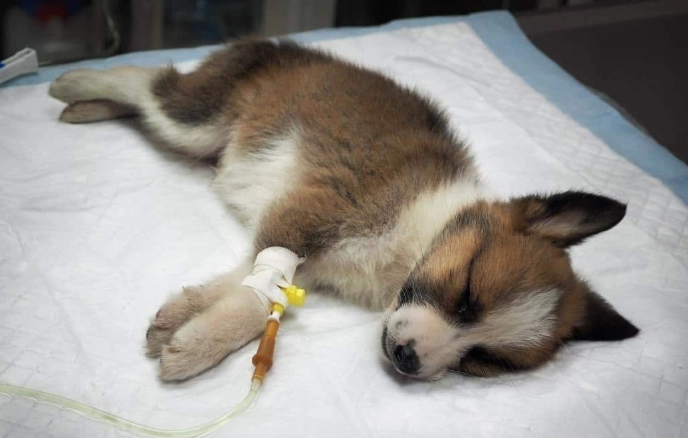
The Systemic Signs: The Whole Body Shuts Down
As the GI problems rage, the whole body starts to suffer. These symptoms are just as critical to recognize.
- Extreme Lethargy and Weakness: This isn't just a lazy day. Your dog will be profoundly tired, unable or unwilling to get up. They might not even lift their head. Their eyes will look dull and lifeless.
- Fever or Low Body Temperature: Early on, a high fever is common. As the disease progresses and shock sets in, their temperature can actually plummet below normal. This is a very bad sign.
- Rapid Weight Loss and Dehydration: You can see this in their sunken eyes, dry gums, and loss of skin elasticity. If you gently pinch the skin on the back of their neck, it won't snap back quickly.
- Depression and Withdrawal: They stop interacting. No tail wags, no interest in you or their surroundings. They just want to be left alone in their misery.
See what I mean? It's a perfect storm. The vomiting and diarrhea cause fluid loss, which leads to dehydration and electrolyte imbalances. The dog can't eat or drink to replace it, so the body goes into shock. The damaged gut also allows harmful bacteria from the intestines to leak into the bloodstream, causing sepsis. It's a vicious, fast-moving cycle.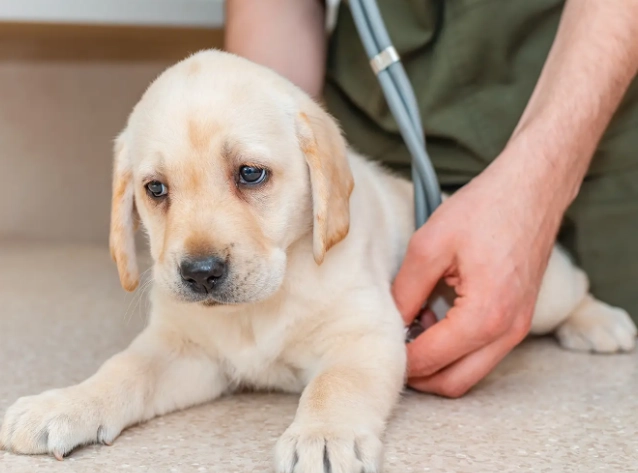
Stages of Parvo: How the Symptoms in Dogs Progress
Understanding the timeline can help you grasp the urgency. It's not a linear thing for every dog, but it often follows a pattern.
| Stage | Typical Timeline | Key Parvo Symptoms in Dogs | What's Happening Inside |
|---|---|---|---|
| Early Stage (Incubation) | Days 1-3 Post-Exposure | Subtle or none. Maybe mild lethargy, slight loss of appetite, low-grade fever. | The virus is multiplying in the lymph nodes of the throat. The dog is already contagious. |
| Acute Onset | Days 4-6 | Explosive start: Severe vomiting, onset of diarrhea (may become bloody), complete anorexia, obvious depression. | The virus has invaded the bone marrow (weakening the immune system) and is attacking the intestinal lining. |
| Critical Phase | Days 5-7+ | Profuse, bloody diarrhea, persistent vomiting, severe dehydration, weakness, abdominal pain, hypothermia (low temp). Risk of sepsis. | Intestinal damage is severe. Dehydration and electrolyte imbalances are life-threatening. Bacterial infection of the blood is a major risk. |
| Turning Point / Decline | Varies | Without treatment, most puppies die from dehydration and shock within 48-72 hours of severe symptoms. With treatment, vomiting subsides first, then diarrhea slowly improves over days. | Aggressive supportive care stabilizes the body, allowing the immune system (if strong enough) to finally fight the virus. |
The table makes it clear, doesn't it? The window from "feeling off" to "critically ill" is terrifyingly short. That's why knowing the full spectrum of canine parvovirus signs is non-negotiable.
Parvo Symptoms in Puppies vs. Adult Dogs
This is a crucial distinction. While any unvaccinated dog can get parvo, puppies are the most common and most vulnerable victims.
Puppies (especially 6 weeks to 6 months old):
- They get hit harder and faster. Their immune systems are immature.
- Symptoms often seem to appear out of nowhere and escalate rapidly.
- The mortality rate is much higher without immediate, aggressive treatment.
- They have fewer reserves to fight dehydration and infection.
Adult Dogs:
- They might show milder symptoms, sometimes just lethargy and diarrhea without blood.
- They have a better chance of fighting it off, but it's still a severe, dangerous illness.
- An adult dog surviving parvo is not uncommon, but they still require veterinary care. Don't assume they're "tough enough" to ride it out at home—that's a dangerous gamble.
What the Vet Sees: Diagnosis Beyond the Obvious Symptoms
Okay, so you've spotted potential dog parvo symptoms. You rush to the vet. What happens next? They don't just go on gut feeling (pun intended). They have specific tests.
- Fecal ELISA Test: The most common in-clinic test. It detects parvovirus antigens in the stool. It's quick (10-15 mins) but very accurate during active shedding. False negatives can happen very early or late in the disease.
- Blood Tests (CBC): A complete blood count often shows a severely low white blood cell count (leukopenia). The virus attacks the bone marrow, crippling the immune system. This is a classic hallmark of parvo.
- PCR Testing: More sensitive than an ELISA test, it detects the virus's genetic material. It's used if the ELISA is negative but suspicion remains high.
The vet will also assess dehydration, check for abdominal pain, and evaluate overall condition. They're putting the puzzle together: symptoms + test results.
So, What Actually Happens in Treatment?
I think it helps to know what you're in for, so you understand why the vet bill is high and the hospitalization is necessary. There is no magic pill that kills the parvovirus. The treatment is all about supportive care—keeping the dog alive and stable while its own immune system fights the virus.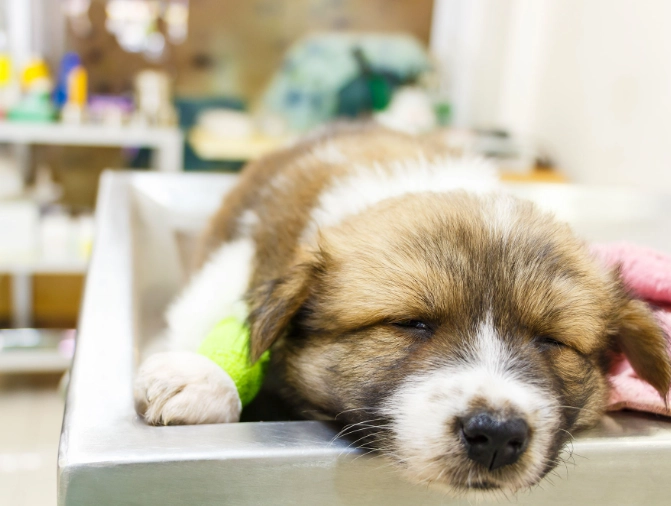
It's a marathon, not a sprint. Here’s what that care looks like:
- Aggressive Fluid Therapy: IV fluids to combat dehydration and correct electrolyte imbalances. This is the single most important part.
- Anti-Nausea Medication: To control vomiting so the gut can rest and the dog might eventually keep something down.
- Antibiotics: Not for the virus, but to prevent or fight secondary bacterial infections that leak from the damaged intestines into the blood.
- Pain Management: Abdominal pain is significant. Keeping the dog comfortable is vital.
- Nutritional Support: Once vomiting is controlled, careful feeding (often via a feeding tube) is started to provide essential nutrients.
Dogs are usually hospitalized for 5-7 days. You'll see improvement when the vomiting stops first. The diarrhea takes longer to resolve. It's a grueling wait, and not all dogs make it, even with excellent care. The survival rate with proper treatment, however, is good—often 80-90%. Without it, it's over 90% fatal. Let that sink in.
What You Can Do At Home (And What You MUST Avoid)
If your dog is diagnosed, you'll feel helpless. Here's where you actually have power.
If Hospitalized: Visit if allowed. Your scent and voice can be comforting. Trust the medical team. Ask questions, but let them do their job.
If Outpatient Care (Rare, only for very mild cases in adults under strict vet guidance):
- Isolate, Isolate, Isolate: The virus is incredibly hardy and contagious. Keep the sick dog away from all other dogs.
- Follow Medication Schedules Rigorously: Set alarms.
- Offer Small Amounts of Water/Bland Diet: Only as directed by your vet. Forcing food or water can trigger more vomiting.
- Clean Up Feces/Vomit Immediately: Use a bleach solution (1 part household bleach to 30 parts water) to disinfect any contaminated areas. The virus can live in the environment for months to years.
Prevention: It's So Much Better Than This Cure
After talking about all these grim parvo symptoms in dogs, let's end on the hopeful note: this disease is largely preventable.
Vaccination is an absolute must. The core DHPP vaccine for dogs includes protection against parvovirus. The protocol is:
- Puppy series: every 3-4 weeks starting at 6-8 weeks old, until at least 16 weeks old.
- Booster one year later, then every 3 years as recommended by your vet.
Until your puppy is fully vaccinated (about 2 weeks after their final puppy shot), be extremely cautious. Avoid dog parks, pet stores, and areas where unknown dogs congregate. Socialization is important, but do it in controlled settings with known, healthy, vaccinated dogs.
If you've had a parvo case in your home, talk to your vet about disinfecting your environment before bringing a new puppy in. Bleach is the only reliable household cleaner against it.
The Long Road After: Post-Parvo Care
Surviving the hospital is just the first battle. Recovery at home is slow.
- Gut Healing Takes Time: Diarrhea or soft stools may persist for weeks. A bland, easily digestible diet (like prescription gastrointestinal food) is needed for a while.
- They'll Be Tired: Don't expect your dog to bounce back to 100% energy in a few days. It can take a month or more to regain full strength and stamina.
- Watch for Setbacks: Contact your vet if vomiting returns, diarrhea worsens, or they stop eating again.
- Love and Patience: They've been through a traumatic experience. Extra cuddles and a quiet environment help.
Look, parvo is a nightmare. There's no sugar-coating it. But knowledge is your best weapon. Knowing the precise parvo symptoms in dogs—that specific combination of lethargy, vomiting, and bloody diarrhea—means you won't waste a single second hoping it's just an upset stomach.
You'll know. And you'll act.
That action, that quick trip to the emergency vet, is what turns a likely tragedy into a story of recovery. It's what gives your best friend a fighting chance against a truly ruthless virus.
For the most current and authoritative information on canine parvovirus, including detailed veterinary guidelines, you can refer to resources from the American Veterinary Medical Association (AVMA) or the American Animal Hospital Association (AAHA). These organizations set the standards of care that veterinarians follow.
Related Articles