Cairn Terrier Dog Breed Guide: Personality, Grooming & Care Tips
Explore This Guide
- What Exactly Is a Cairn Terrier Terrier? A Quick Breed Snapshot
- The Cairn Terrier Personality: Not for the Faint of Heart
- Living With a Cairn: The Day-to-Day Guide (Grooming, Health, Food)
- Training Your Cairn Terrier Terrier: Patience is the Key Ingredient
- Cairn Terrier Terrier FAQs: Answering Your Real Questions
- Finding a Cairn Terrier: Breeder vs. Rescue
- Final Thoughts: Is the Cairn Terrier Terrier Right for You?
Let's be honest. You probably saw a picture of a scruffy, adorable little dog with bright eyes and thought, "I want that." Maybe it was Toto from The Wizard of Oz (yes, that was a Cairn). Maybe it was a photo online. That initial "aww" moment is powerful. But living with a dog is a 10-15 year commitment, and not every breed fits every life. I've known a few Cairn Terrier terrier owners over the years, and their stories range from "best dog ever" to "what did I get myself into." The difference usually comes down to knowing what you're signing up for.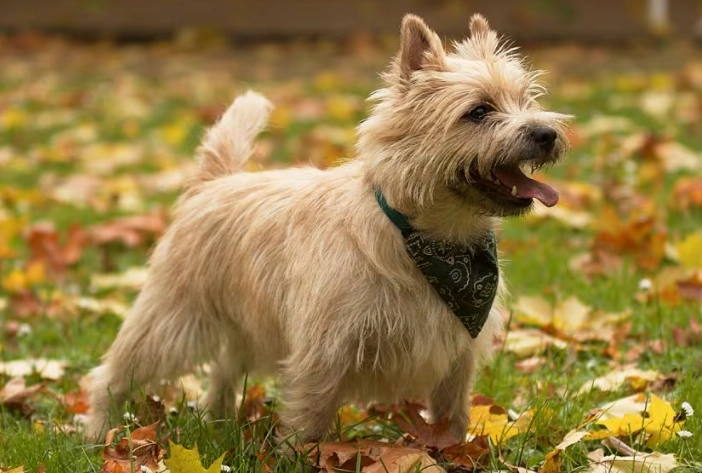
This isn't just a list of breed facts. It's a deep dive into what life is actually like with one of these bold, spirited little personalities. We'll talk about the good, the challenging, and the downright messy parts of Cairn Terrier terrier ownership. By the end, you'll know if your home is the right place for that iconic scruffy coat and fearless heart.
Bottom Line Up Front: The Cairn Terrier terrier is not a decorative lapdog. It's a working terrier from the Scottish Highlands, bred to hunt rodents in rocky cairns. That drive, intelligence, and independence are still very much present in the modern pet Cairn. If you want a dog that's lively, loyal, and full of character, read on. If you want a calm, low-energy dog that always obeys instantly... maybe keep looking.
What Exactly Is a Cairn Terrier Terrier? A Quick Breed Snapshot
Before we get into personality, let's cover the basics. The Cairn Terrier is one of the oldest terrier breeds, originating in the Scottish Isles. They were all-purpose farm dogs, but their specialty was bolting otters, foxes, and rodents from the piles of rocks (cairns) that dotted the landscape. This history explains so much about their behavior today.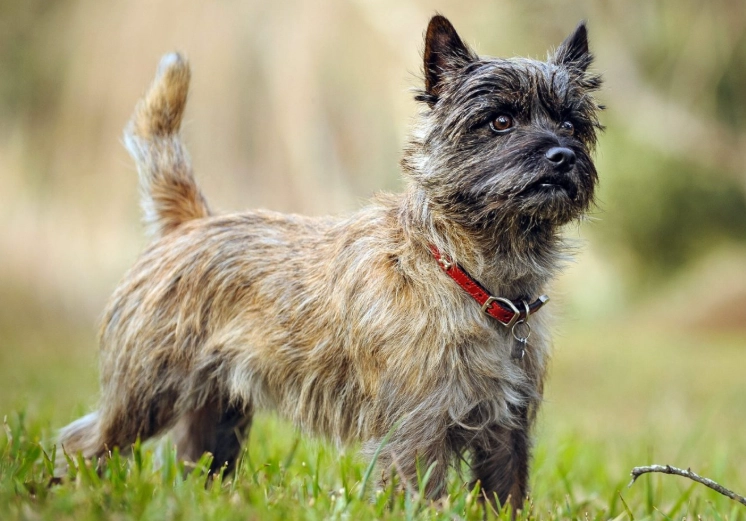
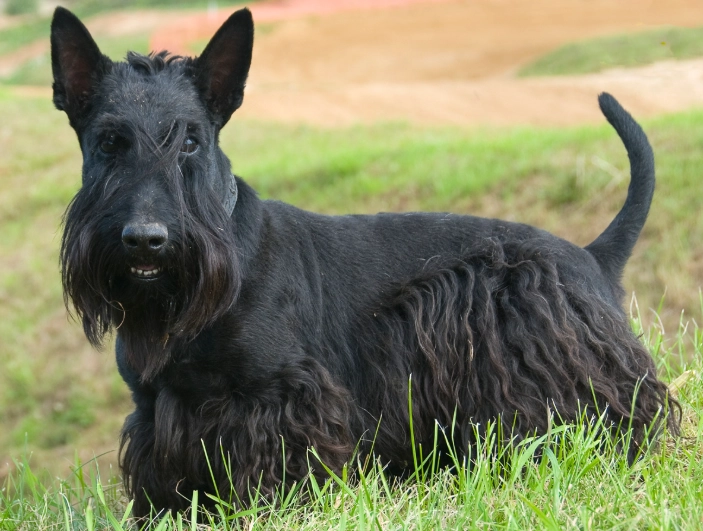
They're small, but sturdy. Typically 9-13 pounds, with a height of about 9-10 inches at the shoulder. That compact size is deceptive—they're built tough. The double coat is their signature feature: a soft, dense undercoat and a harsh, weather-resistant outer coat that comes in many colors (cream, wheaten, red, gray, or nearly black). It's meant to protect them from the harsh Scottish weather and brambles.
According to the American Kennel Club's official Cairn Terrier breed standard, they should appear "active, game, and hardy." That's a perfect three-word summary.
I remember a friend's Cairn, Max. He was small enough to curl on the couch but thought he was the size of a Rottweiler. A squirrel in the yard? Total meltdown. A new person at the door? Ferocious barking from a 10-pound fluffball. It was equal parts hilarious and exhausting for my friend.
The Cairn Terrier Personality: Not for the Faint of Heart
This is where you really need to pay attention. Describing a Cairn's personality as "feisty" or "spirited" is an understatement. It's like calling the ocean "damp."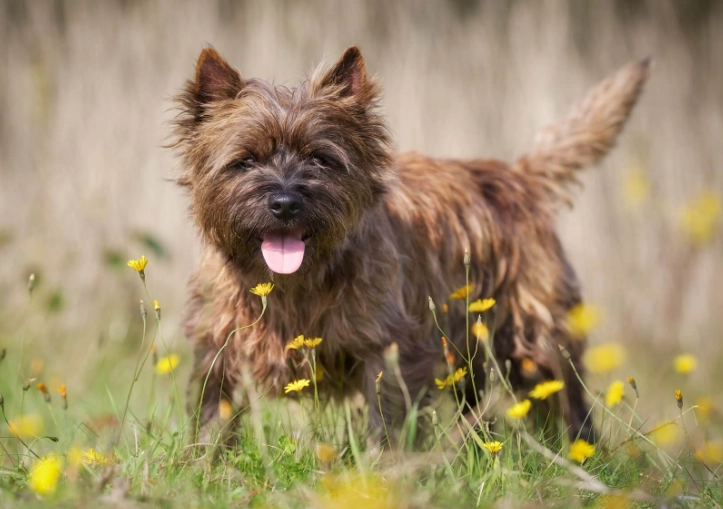
The Brilliant Side: Why People Fall in Love
They are incredibly loyal and affectionate... on their own terms. A Cairn Terrier terrier will often bond deeply with one or two people. Their love is genuine and heartwarming. They're also hilarious. Their expressions, their confident strut, the way they get into things—they have a great sense of humor (though sometimes the joke is on you).
They're smart. Sometimes too smart for their own good. They can learn commands quickly, but they also excel at figuring out how to get the cookie jar open or which chair to use as a stepstool to reach the counter. This intelligence means they get bored easily. A bored Cairn is a destructive Cairn.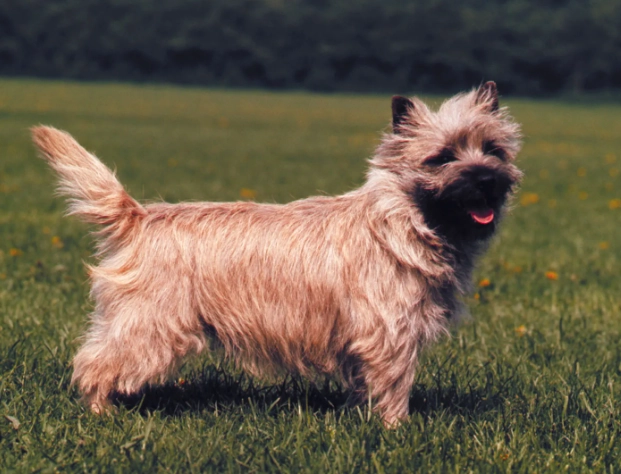
And they're brave. Sometimes recklessly so. That terrier "gameness" means they rarely back down from a challenge, whether it's a raccoon twice their size or a vacuum cleaner they've decided is the enemy.
The Challenging Side: The Terrier Tenacity
Here's the flip side of those wonderful traits.
Stubborn Independence: Bred to work away from their human, making decisions while hunting in a cairn, they are independent thinkers. "Come!" is often a suggestion, not a command, especially if they've found an interesting smell. Recall can be a lifelong training challenge. This isn't disobedience out of spite; it's just how their brain is wired. You have to convince them that what you want is more rewarding than what they want.
Prey Drive: This is huge. That instinct to chase small, fast-moving things is strong. Squirrels, rabbits, cats (sometimes even the family cat if not properly introduced), and small dogs can trigger a chase. A secure fence is non-negotiable. Not a 4-foot fence they can think about scaling, but a solid, 6-foot barrier with no gaps. I've heard one too many stories of a Cairn squeezing through a hole that seemed impossible.
Barking: They are alert barkers. Someone at the door? Bark. A leaf blows by the window? Bark. A weird noise from the heater? Bark. It's their job to tell you about everything. You can train them to be quieter, but you'll never have a silent Cairn Terrier terrier.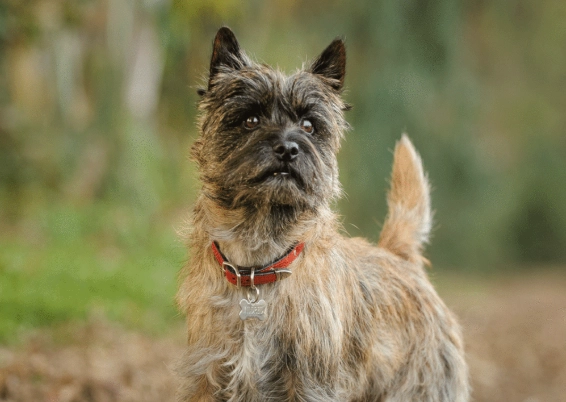
Personal Take: The biggest mistake I see people make is treating a Cairn like a toy breed. They pick them up when the dog is being "annoying," carry them everywhere, and don't provide consistent rules. The dog then becomes what terrier folks call "sharp"—nippy, barky, and spoiled. A Cairn needs structure and to be treated like the capable, intelligent dog it is.
So, who is the ideal Cairn owner? And who should avoid the breed?
| The Ideal Cairn Terrier Owner | Probably Not a Great Fit for a Cairn |
|---|---|
| Someone who enjoys a dog with a big personality. | Someone who wants a calm, always-obedient "easy" dog. |
| An active person or family who enjoys daily walks/play. | A very sedentary household or someone rarely home. |
| A patient, consistent trainer who uses positive methods. | Someone expecting instant, flawless obedience. |
| A household without small pets (rodents, rabbits). | Households with pet hamsters, gerbils, or sometimes cats. |
| Someone with a secure, tall yard or committed to leash walks. | Someone relying on a low, electronic, or unreliable fence. |
| An owner who doesn't mind some scruffiness and grooming. | Someone wanting a pristine, low-shedding, "doggie salon" look. |
Living With a Cairn: The Day-to-Day Guide (Grooming, Health, Food)
Okay, so you think you can handle the personality. What about the practical stuff? This is where many online guides are too vague.
Grooming: It's Not Just About Looks
That weatherproof double coat is low-shedding, but it's not no-maintenance. It's prone to matting if neglected. You have two main options:
Hand-Stripping: This is the traditional method. You (or a professional groomer) pull out the dead outer coat by hand or with a stripping knife. It's time-consuming but preserves the coat's harsh texture and color. A stripped coat is healthier for the skin, sheds less in the house, and looks more natural. Most pet owners don't do this, but it's worth knowing about.
Clipping: This is what most owners do. You use clippers or scissors to cut the coat short. It's easier, but it softens the coat over time, can lead to more shedding of the undercoat, and may affect color. A clipped Cairn Terrier terrier will need more frequent trims (every 6-8 weeks).
My friend with Max tried clipping him at home once. It did not go well. Max looked like a tiny, offended sheep for weeks. She now happily pays a groomer who knows terrier coats.
Regardless of method, you need to brush them at least once a week with a slicker brush and a metal comb to prevent mats, especially behind the ears, under the legs, and around the collar. Bathing? Only when dirty. Over-bathing strips their natural oils.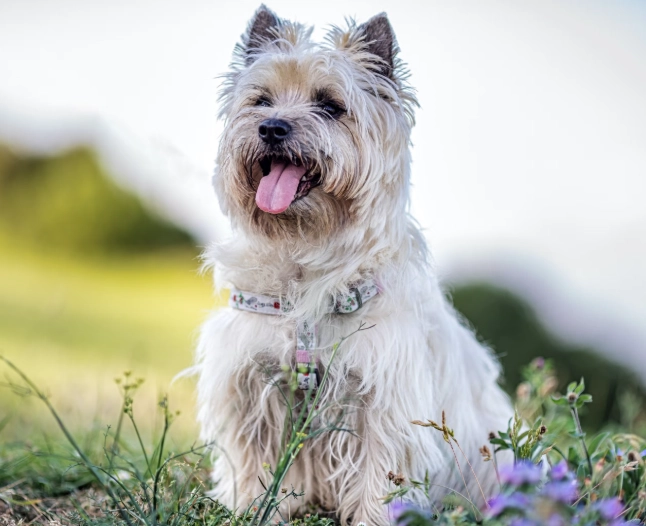
Exercise: More Than a Quick Walk
A tired Cairn is a good Cairn. This doesn't mean they need to run marathons. But a 20-minute sniffari walk where they can explore is worth more than an hour of forced marching. They need mental stimulation.
- Daily: At least 30-45 minutes of active time. Two shorter walks are often better than one long one.
- Mental Work: Food puzzles, snuffle mats, training sessions (keep them short and fun!), hide-and-seek with toys.
- Play: They love to chase and tug. A flirt pole is an excellent way to burn energy safely indoors.
Without this, they'll invent their own fun. And you won't like it.
Health: What to Watch For
Generally a robust breed, but like all purebreds, they have some predispositions. Reputable breeders test for these. The Cairn Terrier Club of America's health page is an essential resource.
- Patellar Luxation: A slipping kneecap. Common in small dogs. Signs include skipping or holding up a leg.
- Craniomandibular Osteopathy (CMO): A bony growth on the jaw, usually in young dogs (4-8 months). It can be painful but often resolves as the dog matures.
- Liver Shunts: A congenital blood vessel abnormality. Symptoms include stunted growth, lethargy, and seizures.
- Allergies: Skin allergies aren't uncommon. They can cause itching, chewing paws, and ear infections.
- Eye Issues: Like cataracts or corneal dystrophy. Annual vet checks are important.
A good diet for a Cairn Terrier terrier is high-quality, portion-controlled kibble or wet food. They can be prone to obesity if overfed, which strains their joints. Avoid free-feeding.
Training Your Cairn Terrier Terrier: Patience is the Key Ingredient
Forget dominance-based training. It doesn't work with terriers and will make them stubborn or fearful. Positive reinforcement—using treats, praise, and play—is the only way to go.
Start Early: Socialization (exposing them positively to many people, places, sounds, and other friendly dogs) is critical before 16 weeks. A well-socialized Cairn is a more confident, less fearful adult.
Focus on the Big Three: 1. Recall (Come): Practice in a safe, fenced area with high-value treats (boiled chicken, cheese). Make coming to you the best thing ever. Never call them to you for something negative (like a bath or nail trim). 2. Leave It: Crucial for managing prey drive and keeping them from eating things off the ground. 3. Loose Leash Walking: They are natural pullers. Teach them that walking nicely gets them to the fun smells faster.
Consider a puppy kindergarten class and then a basic obedience class. It's as much for you as for the dog. You learn how to communicate effectively with your smart, willful Cairn Terrier terrier.
Pro Tip: Keep training sessions to 5-10 minutes, several times a day. End on a success, even if it's a small one. If you get frustrated, stop. They sense your mood, and a negative session sets you back.
Cairn Terrier Terrier FAQs: Answering Your Real Questions
Finding a Cairn Terrier: Breeder vs. Rescue
This is a major decision. A well-bred dog from health-tested parents is your best bet for a predictable temperament and health. The Cairn Terrier Club of America breeder referral is the best place to start. Expect to be interviewed. A good breeder will ask you as many questions as you ask them. They should provide health clearances for both parents (OFA patellas, eyes checked, etc.).
Rescue is a wonderful option. Breed-specific rescues like Col. Potter's Cairn Rescue Network take in Cairns and Cairn mixes needing new homes. An adult dog's personality is already known, which can be a great advantage. They may come with some baggage, but the reward is huge.
Avoid pet stores or online brokers (like Craigslist or non-specialty puppy sites). These often source from puppy mills, where dogs are bred for profit with no regard for health or temperament. The low price upfront often leads to high vet bills and heartache later.
Final Thoughts: Is the Cairn Terrier Terrier Right for You?
Look, the Cairn Terrier terrier isn't an easy-mode dog. They require an owner who appreciates terrier spunk and is willing to put in the work on training and grooming. They will challenge you, make you laugh, and drive you a little crazy sometimes.
But if you want a dog that's more than just a pet—a true, bold, hilarious, and fiercely loyal companion with a history as rugged as the Scottish cairns they're named for—then this might just be your dog. They fill a home with personality.
Do your homework. Meet some in person if you can. Talk to owners and breeders. If, after all this, you're still excited about the prospect of that scruffy face greeting you every day, then you might be ready for one of life's great terrier adventures.
Related Articles